
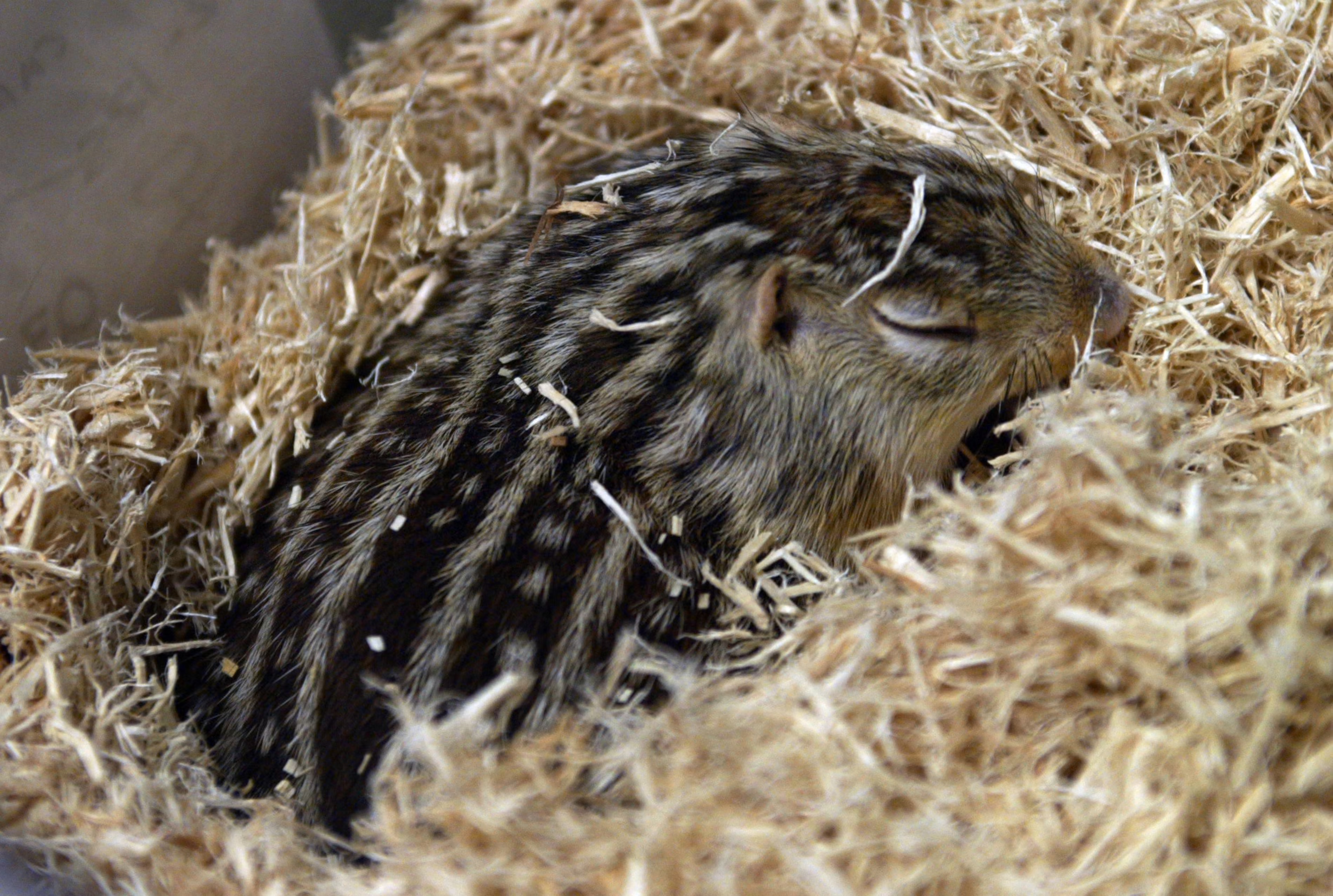
Hibernation is extremely complex – after all, it affects every cell in the body – and there are almost certainly multiple switches involved in the process. MIT neuroscience researcher Siniša Hrvatin has identified another brain region that seems to play a key role in the process. In a paper published earlier this year (but not yet peer-reviewed), he and his team targeted a region known as the preoptic area, which plays a key role in metabolism and temperature. By activating neurons in the preoptic area of hamsters, the researchers put them into torpor, lowering the animals’ body temperature to 15C.
https://www.theguardian.com/science/ng-interactive/2026/jul/14/human-hibernation-space-mars
The key would be whether this is possible in humans.
And, of course, whether revival can be timed and automated – or perhaps with robotic (AI) assistance…
Of course, science fiction has posited “sleeper ships” for decades now. The Songs of Distant Earth (Arthur C. Clarke, one of the “Big Three”) is probably the most well-known of the classic sleeper ship stories, but there are plenty of others to choose from…

