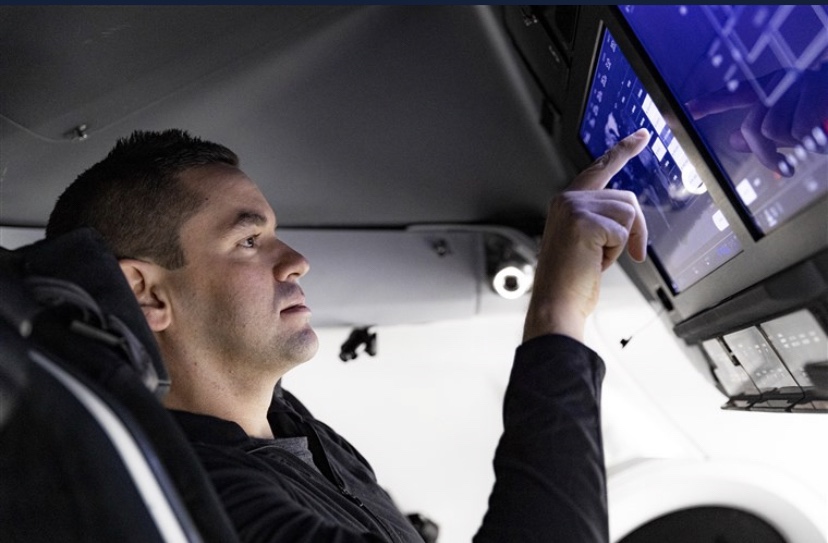
OK, hands up who thinks this is a really super dumb and risky idea but isn’t terribly surprised by the super dumb and risky things Musk continually blurts out? 🤷♂️

February 1, 2021
OK, hands up who thinks this is a really super dumb and risky idea but isn’t terribly surprised by the super dumb and risky things Musk continually blurts out? 🤷♂️
January 28, 2021

It’s hard to believe that it’s been 35 years since the disaster that claimed the lives of all seven Space Shuttle Challenger crew members.
I remember it well. Being sent home early without being told. Watching the TV news at home in silent shock with my parents and younger siblings, tears streaming down our faces.
President Reagan’s speech at Congress, made in the place of the traditional State of the Union address, ended with “they slipped the surly bonds of Earth…and touched the face of God.” Probably the finest and most decent thing he ever did (even my parents, who voted for Jimmy Carter and Walter Mondale and intensely disliked Reagan and everything he stood for, couldn’t help but be moved by his words that day).
Thoughtless jokes circulated our school the next week or two. (“What’s the last thing Christa MacAuliffe said to her husband? “You feed the dog; I’ll feed the fish.”)
Even today, we focus on the school teacher who died and almost ignore the rest of the crew. Something like three dozen schools now bear her name. But NASA engineers have never forgotten. They just find it so difficult, so painful to write and talk about their friends and colleagues who perished.
There was a morbid fascination with the way in which the Challenger crew met their fate. My friends came up with all sorts of gruesome stories they claimed to have “heard,” mostly about body parts washing up on beaches around the Caribbean.
The fact is, we were traumatized. Kids do all sorts of insane things to hide their fears, insecurity, and general inability to answer the question what am I supposed to feel/do/say about this?
Challenger marked a turning point in the US space program. It set NASA back in many ways but also provided great insight into what needed to be fixed, what needed to be done to push forward our knowledge of space and the great beyond.
There is/was no going back. Humanity is a space-faring race and must continue to strive to reach beyond its grasp…”Or what’s a heaven for?”
Emulate.
Onward and upward.

January 27, 2021
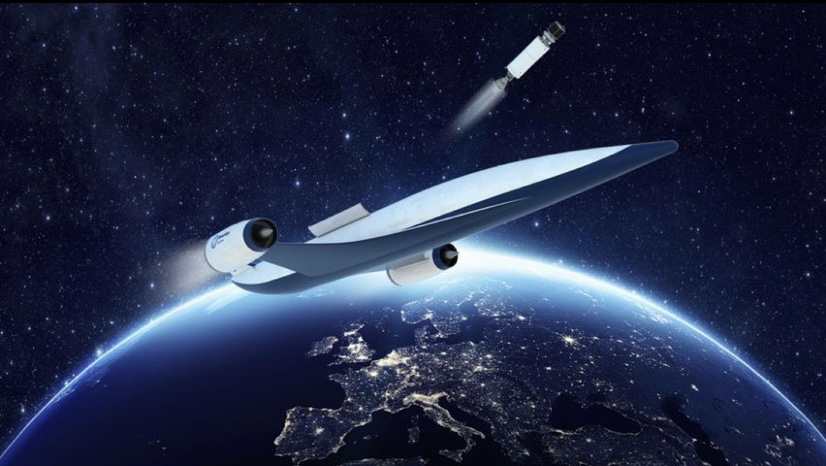
NASA ended the US’s interest in spaceplanes when it scrapped the shuttle fleet a decade ago.
But other space agencies and private companies in other countries are very much in the game. ESA, India, even the UK.
And, of course…
Whichever future the spaceplane does have, it will involve China. “We know very little about the launch [of China’s experimental spaceplane],” says Deville. “But it shows that China is serious about developing its spaceplane concepts.”
https://www.bbc.com/future/article/20210121-spaceplanes-the-return-of-the-reuseable-spacecraft
January 16, 2021

It’s a small step. It applies only to companies that are working with NASA; it pertains only to U.S. lunar landing sites; it implements outdated and untested recommendations to protect historic lunar sites implemented by NASA in 2011. However, it offers significant breakthroughs. It is the first legislation from any nation to recognize an off-Earth site as having “outstanding universal value” to humanity, language taken from the unanimously ratified World Heritage Convention.
https://astronomy.com/news/2021/01/neil-armstrongs-bootprint-and-other-lunar-artifacts-are-now-protected-by-us-law
The author believes this shows that “nonpartisan” desire to journey to space and preserve human heritage.
Hmm.
Well, I do agree with the assessment that it’s only a matter of time before the Moon is occupied by multiple political entities (China, India, Russia, the US, ESA…) and probably even a few private enterprises as well. Will the private company-sponsored missions agree to abide by a US law?
We’ll see.
December 28, 2020
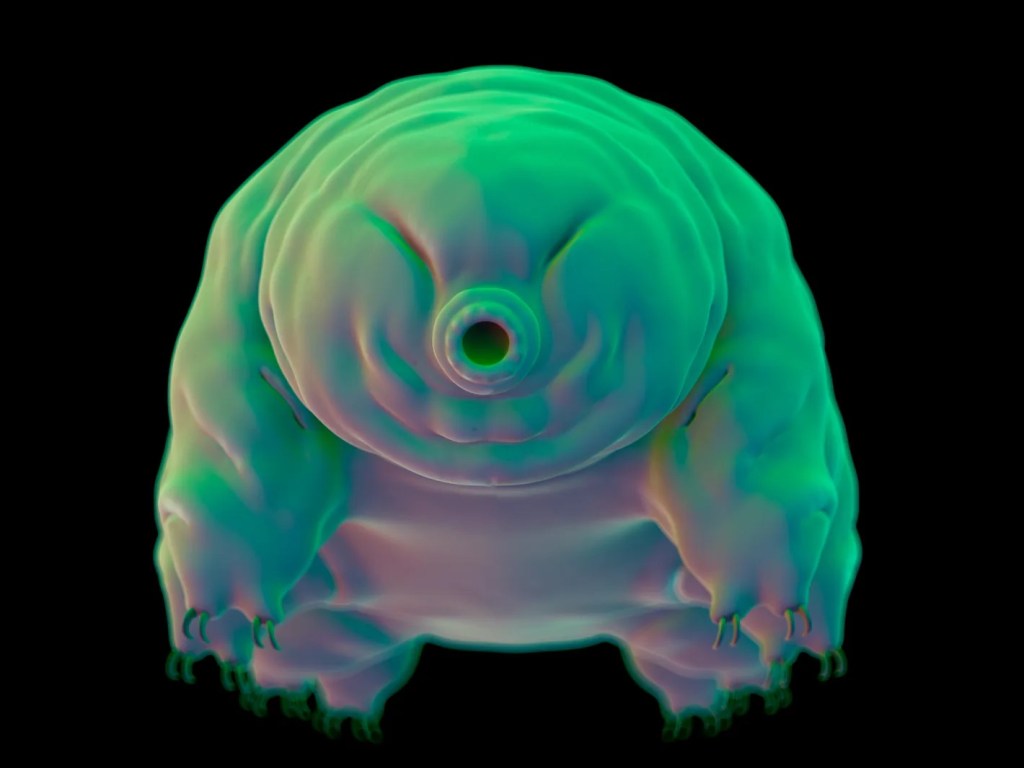
Despite the impact, scientists believe that if anything survived the crash intact, it may well have been the tardigrades. The microscopic creatures were sandwiched between micron-thin sheets of nickel and suspended in epoxy, a resin-like preservative that acts like a jelly — potentially enough to cushion their landing.
https://www.inverse.com/science/tardigrades-may-have-taken-over-the-moon
I, for one, look forward to our lovably cute waterbear overlords…
December 27, 2020

This family of comets originated from a large parent comet that broke up into smaller fragments well over a thousand years ago. The sungrazers continue to orbit around the sun today.
https://edition.cnn.com/2020/12/21/world/new-comet-solar-eclipse-scn/index.html
Now this is something I didn’t know. Learn a new thing ever day…
December 7, 2020
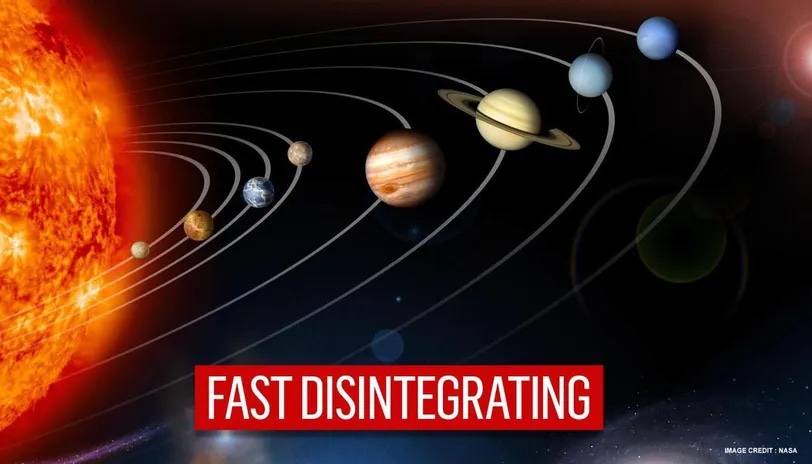
“As per the new simulations, it will take 100 billion years for any remaining planets to run off across the galaxy, leaving the dying Sun far behind.”
Pack your bags, folks!
November 30, 2020
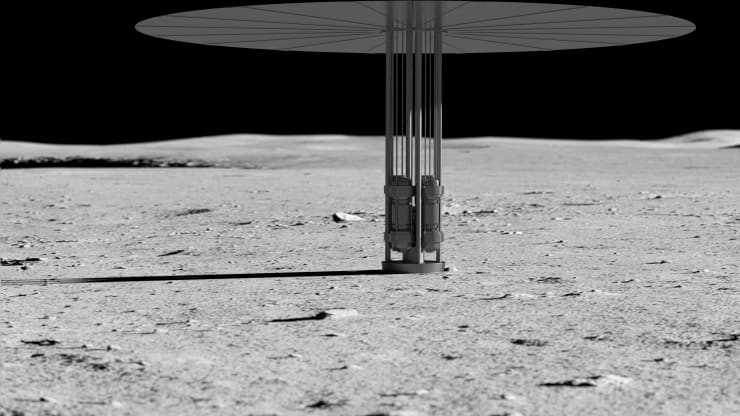
The proposal is for a fission surface power system, and the goal is to have a flight system, lander and reactor ready to launch by 2026.
https://www.cnbc.com/2020/11/15/why-nasa-wants-to-put-a-nuclear-power-plant-on-the-moon.html
The goal, apparently, is to generate 10 Kw, or about enough to power “five to eight large households.”
Um. That’s not really enough for an actual lunar base. Try again?
November 25, 2020
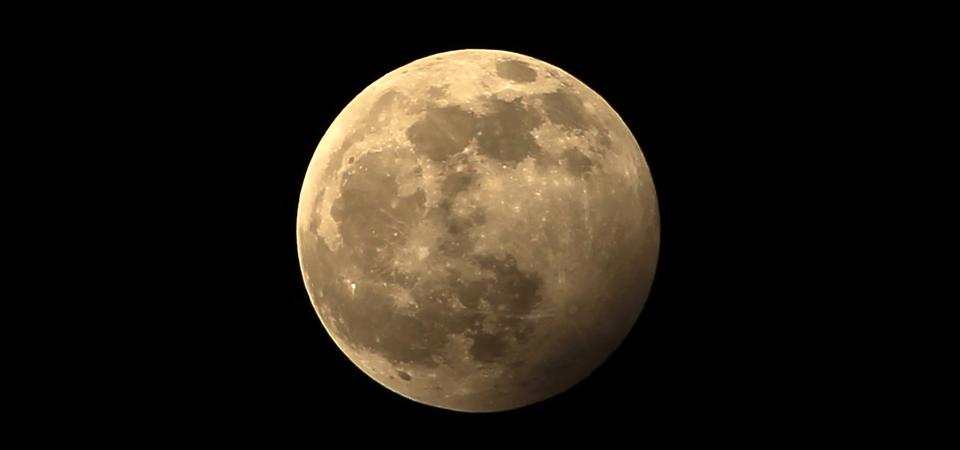
Visible from the Americas, Australia and Asia, the “Beaver Moon” will pass through Earth’s outer shadow (penumbra) at 07:32 Universal Time, causing a slight penumbral lunar eclipse that will see 83% of the Moon visibly darken at 9:42 Universal Time…
https://www.forbes.com/sites/jamiecartereurope/2020/11/22/the-moon-meets-mars-and-the-seven-sister-stars-what-you-can-see-in-the-night-sky-this-week/?utm_medium=40digest.intl.carousel&utm_source=email&utm_content=&utm_campaign=campaign&sh=292a554e7c36
OK, I give up. “Universal Time”?
Continue Reading
November 19, 2020

…the team’s results suggest that, while the physical processes that drive the structure of the Universe and the structure of the human brain are extremely different, they can result in similar levels of complexity and self-organisation…
https://www.sciencealert.com/wildly-fun-new-paper-compares-the-human-brain-to-the-structure-of-the-universe?fbclid=IwAR1YjxGSpnNrJbgqRMs6_XNrRjiuloJ792UjzfT3L5NmVEEYxljyVcS4TQ8
As above, so below…
Space sustainability watch, co-produced by a human and an AI agent
Writing Fanfiction in the worlds of Tolkien and Beyond!
Learning more about our place in the universe...
Best Tech Gadgets Advise
Writing blogs is miracle I am a writer blogger and my site mission is to give information on maximum information to audiences
Reflections of an inquiring retiree ...
Simple ideas to make every room feel stylish and welcoming
Rock & Metal Reviews That Hit Hard
Short stories | Reflections | Poetry

