WordPress has gotten really wonky with the “quotation” formatting, so I hope this one works…
Anyway, I will of course still blog about science in addition to family history and other things I find interesting.
Remembering when I took a writing workshop online a few years ago, and they told me to choose only one genre in order to not confuse readers.
And I still think, nah. I think readers are smart enough to enjoy good writing when they see it. To me, the mark of a good writer is one who can wend and weave between multiple genres. Why limit yourself?
If you don’t like science writing, fine. If you don’t like history, fine. If you don’t like science fiction, fine. If you don’t like random thoughts about life, the universe, and everything…well, then, what on earth are you doing reading my blog? :p
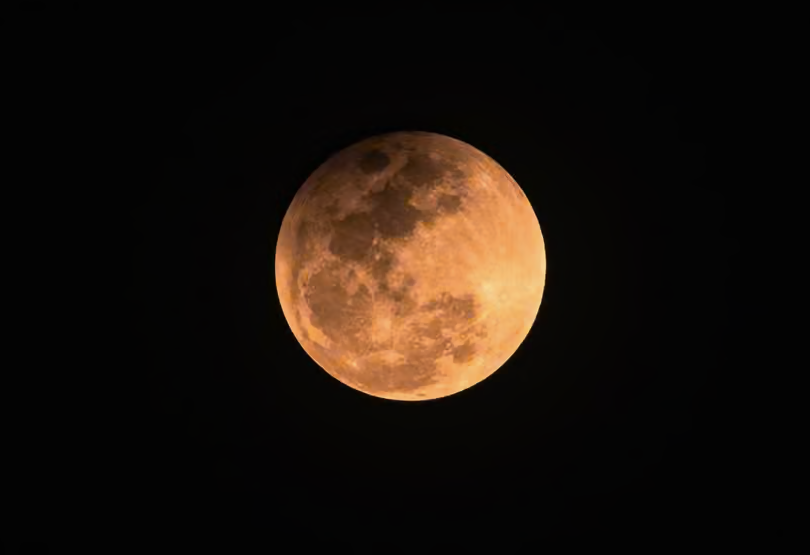
Anyway, enjoy the eclipse if you are able to see it. I’ll keep on writing!
(Also, I really don’t care for this “AI can monetize your blog” BS. I’m not doing this for money. I just like to write. I hope you like reading it!)
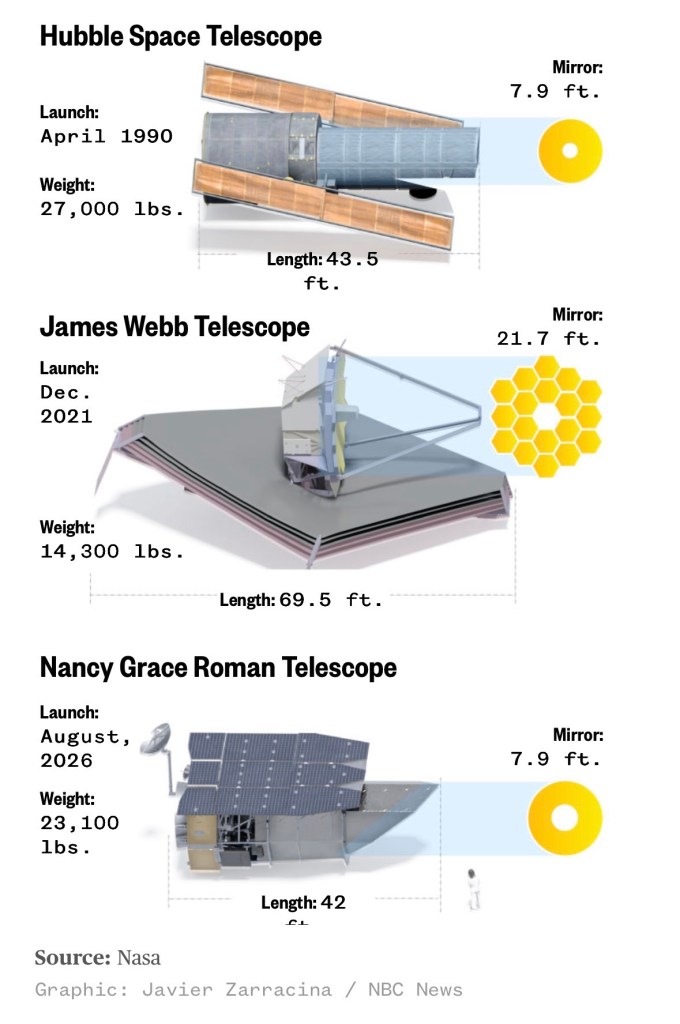
“In the mission’s first five years, it’s expected to unveil more than 100,000 distant worlds, hundreds of millions of stars, and billions of galaxies,” [Julie McEnery, senior project scientist] said.
It should be ready for launch in August, to be parked at the L2 Lagrange space near James Webb ((which has been there since 2021).
Two decades in the making. Yet “under budget and ahead of schedule”? Really?
I’m all for discovering tens of thousands of possibly inhabited worlds and learning more about dark energy and dark matter. But I’d also like to see a little more practical tech from NASA. How will this help us settle the solar system and figure out how to visit other systems?
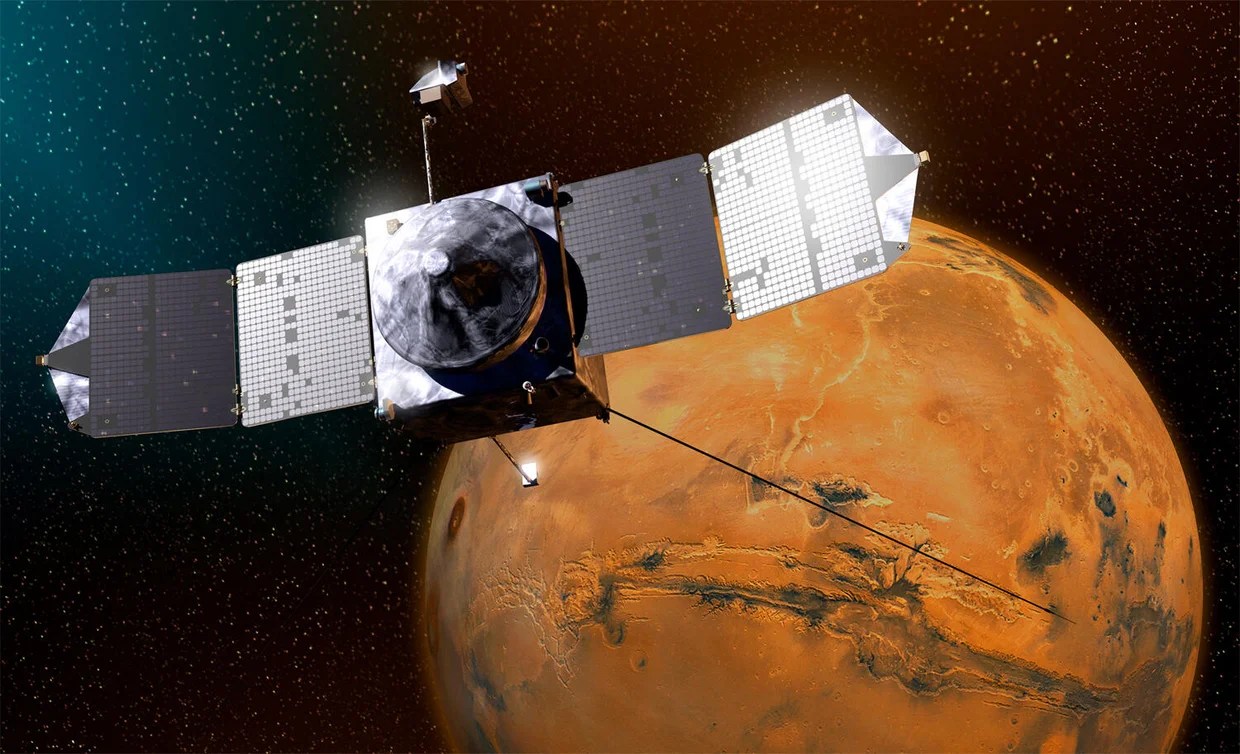
Originally designed to operate for just one year around Mars, MAVEN’s mission was repeatedly extended, enabling the most extensive research into the workings of the Martian atmosphere ever attempted.
Thanks to MAVEN, we know how the Mars atmosphere has been eroded by solar wind over billions of years. Designed to work for a single year, it operated for over eleven years.
Artist’s impression. Probably doesn’t have that many track lights behind it.
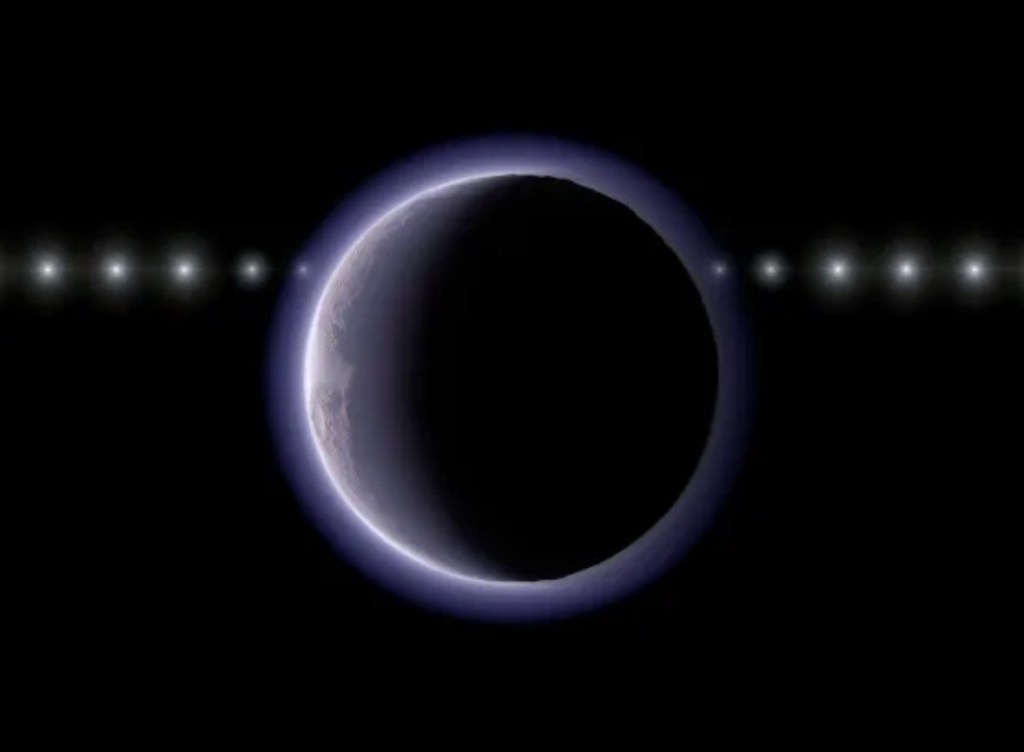
Just 300 miles or so across, this mini Pluto is thought to be the solar system’s smallest object yet with a clearly detected global atmosphere bound by gravity, said lead researcher Ko Arimatsu of the National Astronomical Observatory of Japan.
The planetoid, called “(612533) 2002 XV93” (good luck remembering that one), was discovered and tracked by three separate observatories in Japan in 2024.
So why is it being only announced now?
Because scientists are cautious folk. They still want other observers to document this in other countries, to increase the validity of their finding.
The fact that the planetoid has an atmosphere (ridiculously thin, something like five to ten million times thinner than that of the Earth’s) came as a surprise.
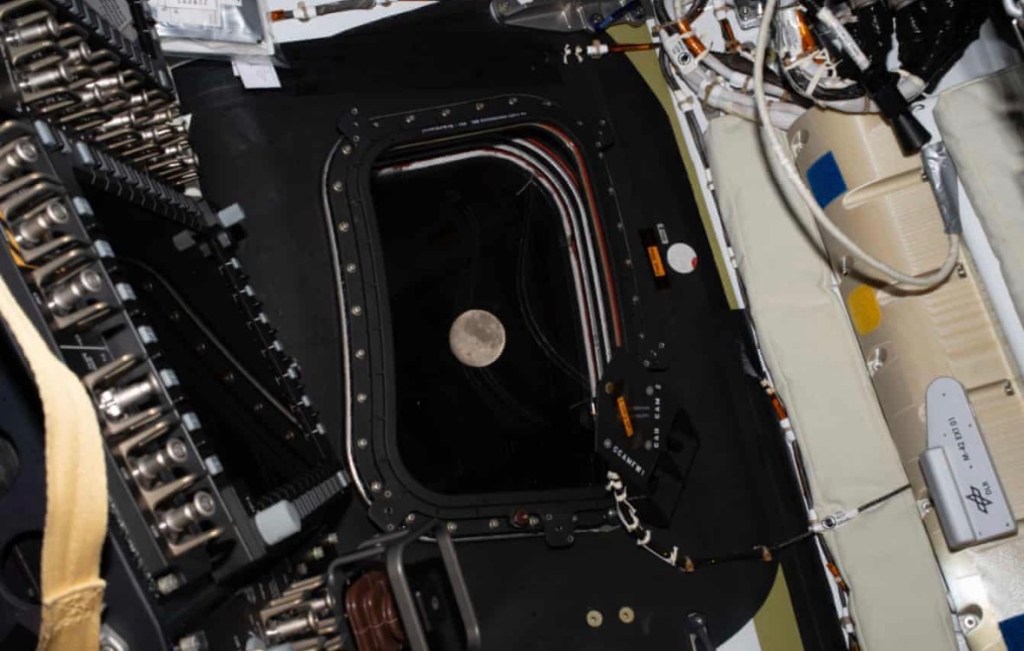
“The moon really is its own unique body in the universe. When we have that perspective and we compare it to our home of the Earth, it just reminds us how much we have in common. Everything we need, the Earth provides, and that, in and of itself, is somewhat of a miracle.”
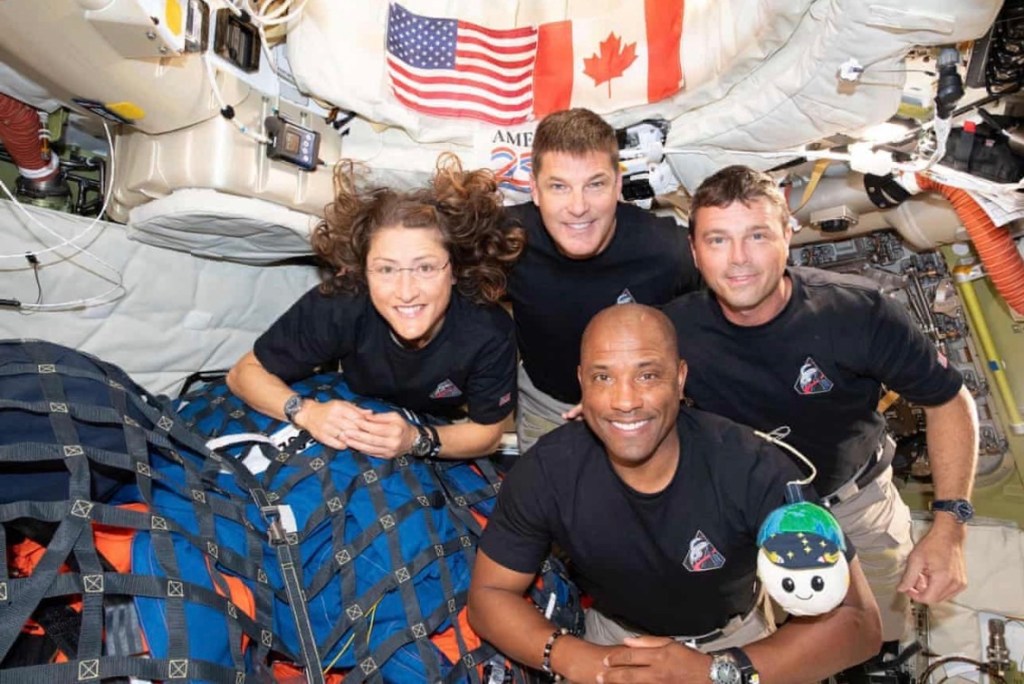
“It is blowing my mind what you can see with the naked eye from the moon right now,” Canadian astronaut Jeremy Hansen radioed ahead of the flyby. “It is just unbelievable.”
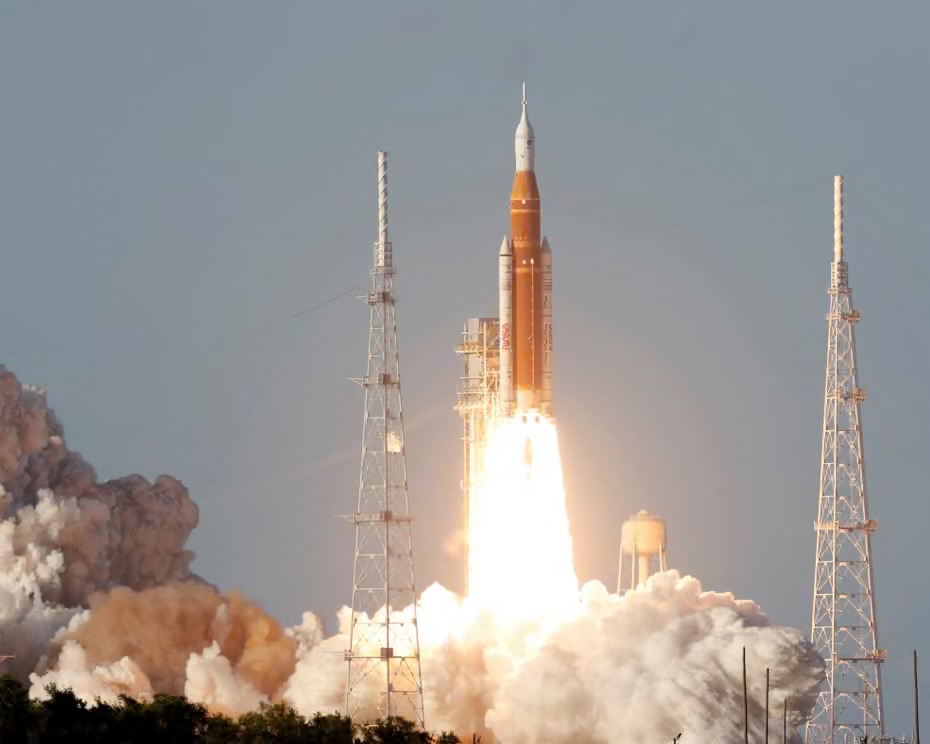
Live up dates of the Artemis II mission to “cislunar space” (it will not actually land on the Moon but will take four astronauts farther away from Earth than anyone else so far).
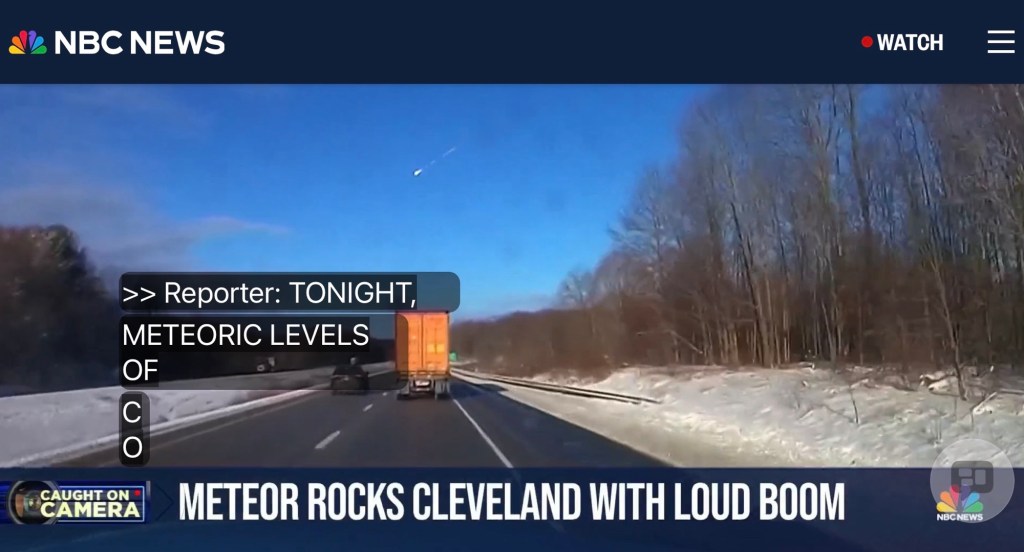
Rocky objects traveling through space are known as meteoroids, but when they enter Earth’s atmosphere and create fireballs, they are called meteors. Any fragments that fall to Earth’s surface are meteorites.