Over time, that water has nearly all been lost. Figuring out how, when and why Venus lost its water helps planetary scientists like me understand what makes a planet habitable — or what can make a habitable planet transform into an uninhabitable world.
The process in which Venus lost most of its water is called “hydrodynamic escape.” When Venus got too hot, the hydrogen in its atmosphere left. (The linked article explains this using a metaphor of having too many blankets on your bed.)
However, Venus is still losing hydrogen, even though there is too little of it for hydrodynamic escape to work. So, logically, there must be another process at work: “HCO⁺ dissociative recombination,” in which individually positively charged atoms of hydrogen, carbon, and oxygen in the atmosphere react with negatively charged electrons. The process was first examined on Mars, and based on a reexamination of results from previous missions (Pioneer Venus 1 and Pioneer Venus 2), the same research group thinks it’s time to try it on Venus…perhaps a first step to seeing whether Venus had life at some point.
A new study shows that massive volcanic eruptions over an extended period of time may be responsible for changing the planet into what it is today. If there was simple life on ancient Venus, volcanism was its doom. The study also shows how powerful volcanic activity has played a role in shaping Earth’s habitability and how Earth only narrowly avoided the same fate as Venus.
Venus is hot enough to melt lead, which is why no spaceship has ever survived to land on the surface.
And, no, there is nothing alive floating around in its toxic atmosphere.
But this is a neat article. Three future missions are planned for Venus (two by NASA – VERITAS and DAVINCI – and one by ESA – EnVision, which sounds more like a song and dance competition than a scientific probe).
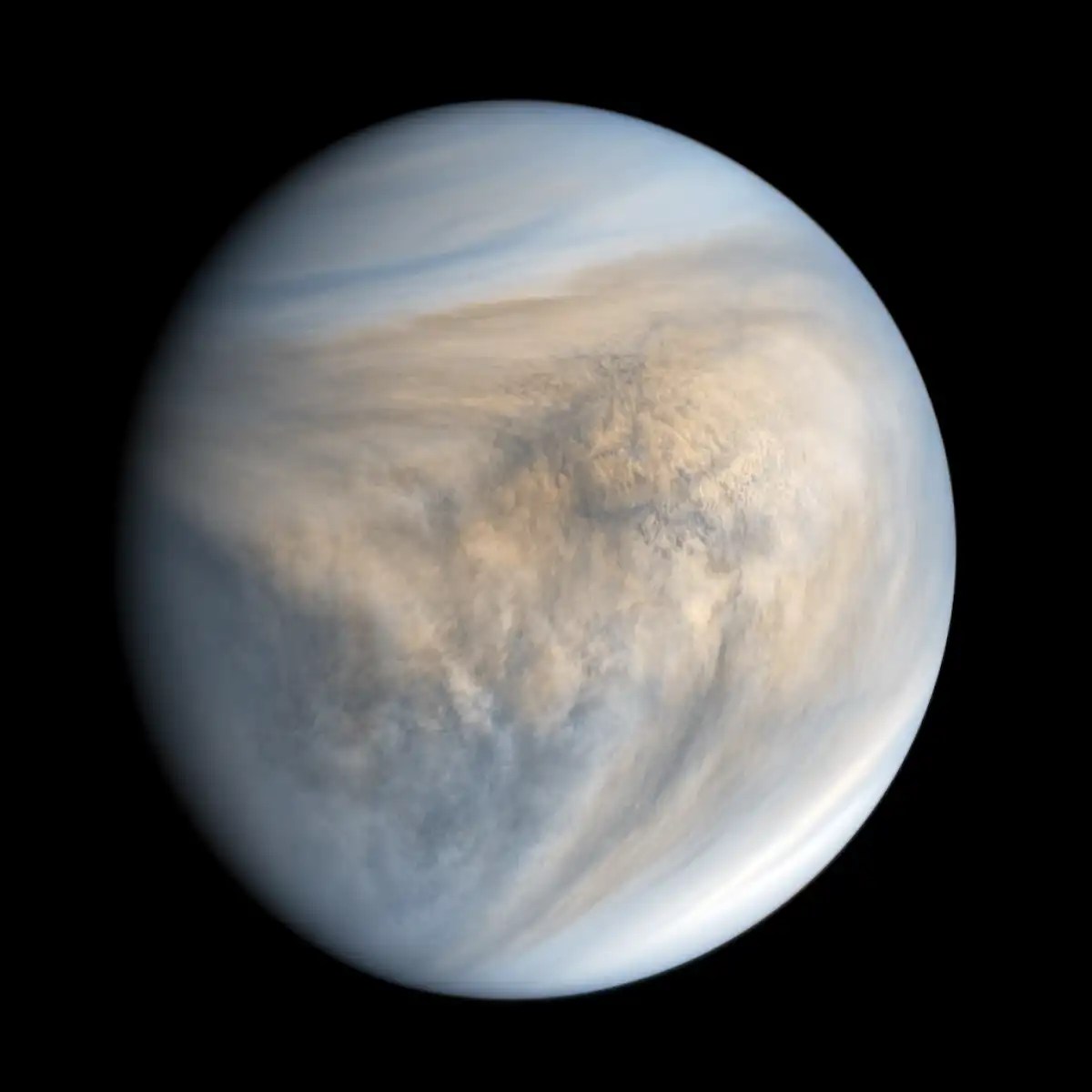
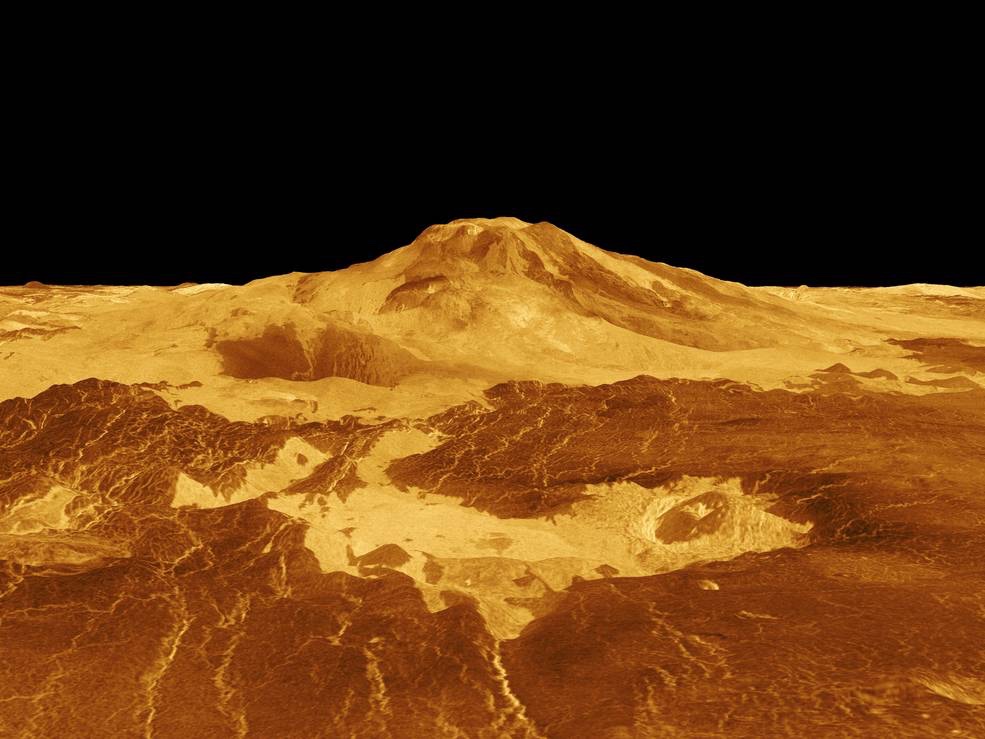
(Note: You won’t be able to see the planets actually looking like these photoshopped images…unless you happen to have a really powerful telescope in your backyard.)
Not sure why I first got this info from a site based in New Jersey. The info about what time of day and in what part of the sky is only relevant to people living in the NJ_NYC area.
Still, it’s an interesting phenomenon that occurs once every few years…
2005. 2016. 2020. And 2022. Not exactly a regular pattern, it seems.
And, no, there is no “spiritual significance” to a planetary alignment. It’s an illusion, an imaginary lining up of the solar system that doesn’t affect you personally. Sorry.
But it’s still fun to watch. Er, if you enjoy getting up before dawn (I don’t).
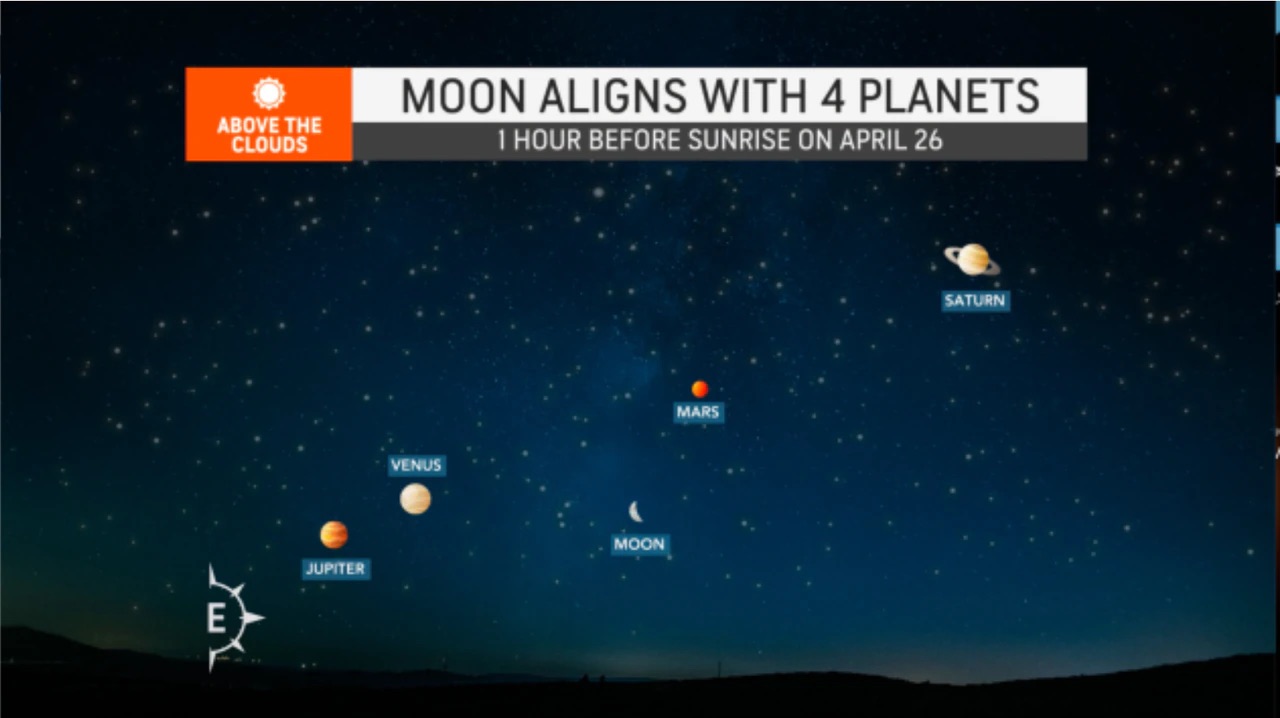
According to nj.com, “The planetary parade of sorts will occur when Jupiter, Venus, Mars and Saturn all appear to be lined up in a row above the horizon during the pre-dawn hours — starting Saturday morning, April 23. The alignment will also be visible during the next few mornings, and April’s crescent moon will soon join the parade, according to experts from LiveScience and AccuWeather.”
Yeah, lots of web sites are covering this. At least the one I linked above doesn’t have automated videos, flashing ad gifs, and other random pop-ups that drain your smartphone battery.


 M Thomas Apple Author Page