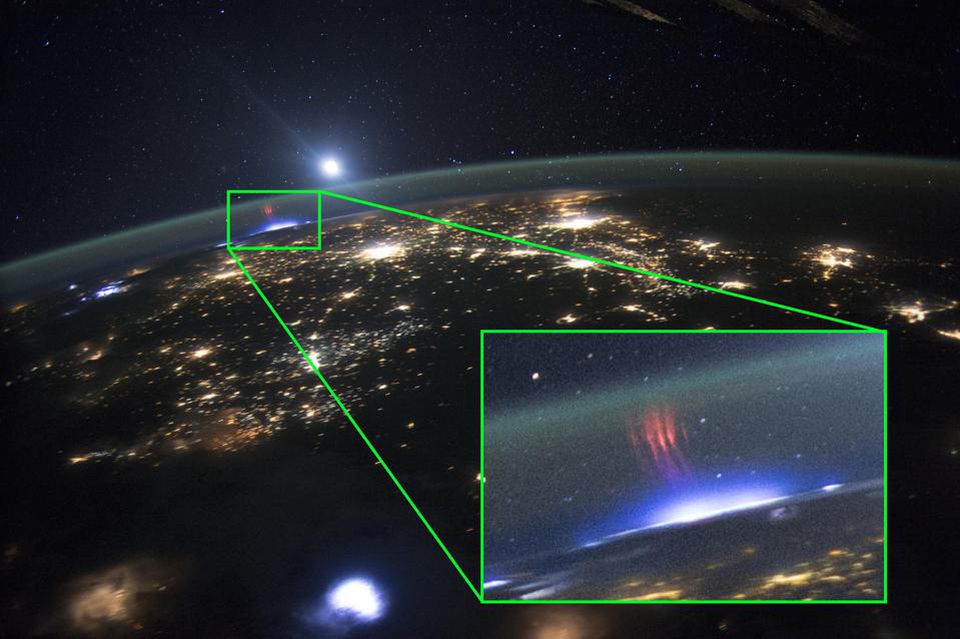
Above the lightning, “red sprites” can be seen (plasma discharges).
Known about since 1886, not photographed until 1989….and now known to occur on Jupiter.
Check out this page for some amazing photos…
“NASA captures blue jets and red sprites above thunderstorms from space” (somebody needs to help Forbes with its grammar…”from space” is a misplaced modifier…)
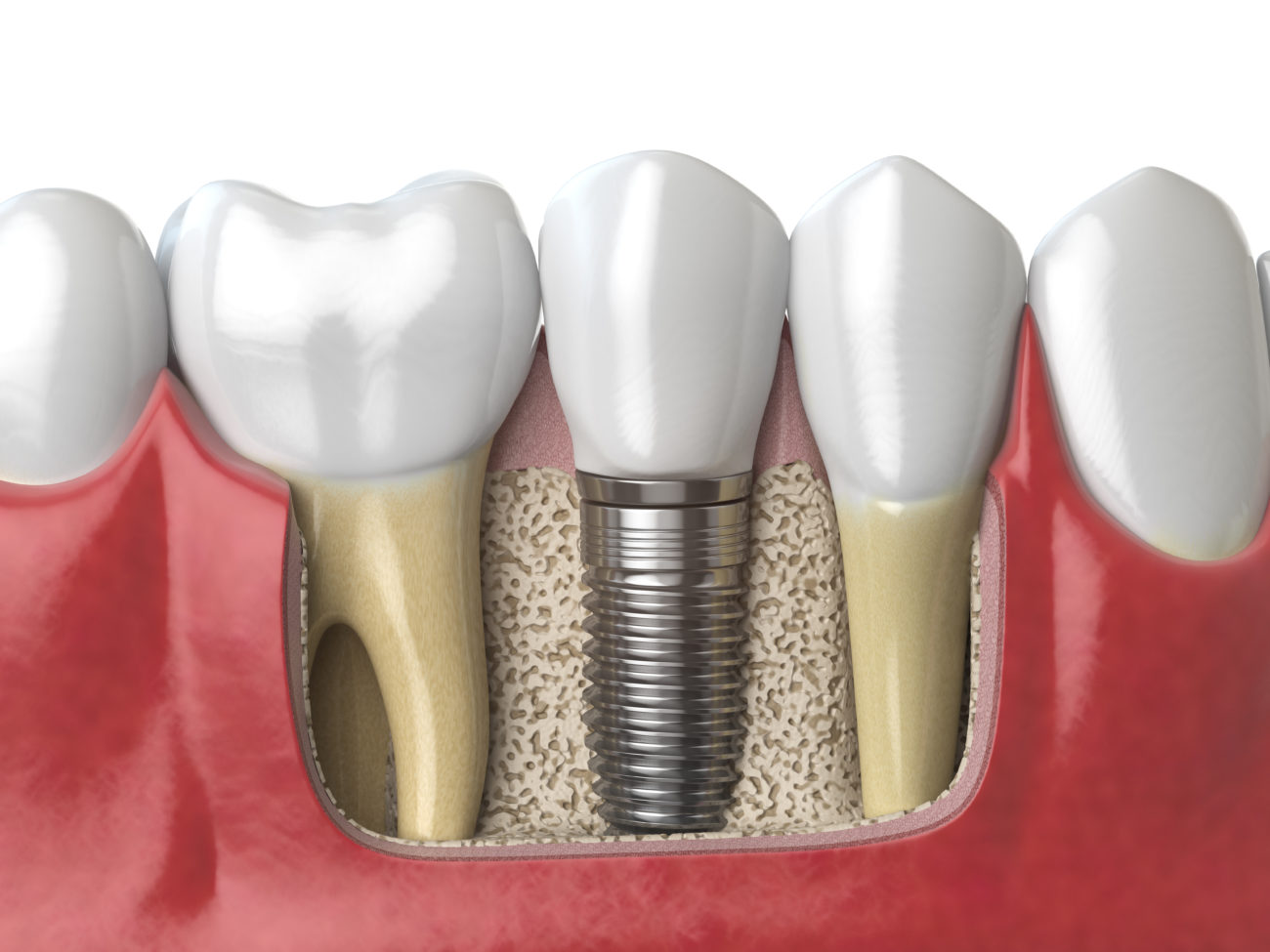
This past Thursday I got a metal spike screwed into my jaw.
And it hurt.
But not as badly as I feared. To be honest, it’s all my fault. Well, all my 20-year-old-self’s fault. Too much soda and not enough brushing and flossing in college.
Xenobots could be used to clean up radioactive waste, collect microplastics in the oceans, carry medicine inside human bodies, or even travel into our arteries to scrape out plaque. The xenobots can survive in aqueous environments without additional nutrients for days or weeks — making them suitable for internal drug delivery.
Leave it to USA Today—the paragon of journalistic integrity and unvarnished truth reporting—to grossly exaggerate “value.”
Imagine if someone dumped several hundred thousand tons of nickel and iron on the market?
It would immediately make nickel and iron worthless. Simple supply and demand. So it’s not monetary value that is important.
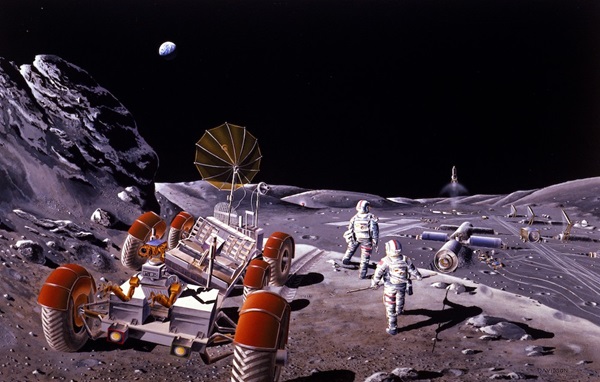
How do we create vehicles and domiciles for a space-faring future while avoiding the exorbitant cost of getting them into space in the first place? It’s the cost and weight of rocket fuel that’s the issue.
Solution: Build everything in space. No need to bring anything back to Earth.
Dropping a shoutout to all my followers, old and new. Thanks for reading!
I’m preparing this week’s installment of Bringer of Light (Chapter 3, Part 2), all the while scouring the web for science and tech news to share.
Anything you want to see shared (or want to share)? Comments on the story so far? Something you want to rant about? (No politics please! Waaay too much of that at home right now. I’d rather keep my head in the stars when possible…)
Bringer of Light: Chapter 3, Part 2 – dropping at 7 p.m. EDT October 31st. No Halloween theme, sorry (that’s a separate post 🎃).
“Beam us down, Mr. O’Brien! No, wait, I didn’t meaaaannnnnnnnn……”
Some would argue that having one’s “molecules scrambled,” as Dr. McCoy would put it, is actually the surest way to die. Sure, after you’ve been taken apart by the transporter, you’re put back together somewhere else, good as new. But is it still you on the other side, or is it a copy? If the latter, does that mean the transporter is a suicide box?
An old article (2017, whose impetus was the imminent release of ST: Discovery) but a good one.
Is the copy of you, you? Or is it a brand new person with the same memories? Would it have ANY memories? Would it have the same consciousness? (Or ANY consciousness?)
Of course, you can always stick to the “David Brin Theory” of teleportation: “Some dude in the future will figure this all out.”
Lazy writers!
(This is why, in my novel, I stick to quantum teleportation of inanimate objects only. That includes quantum communication relays, chunks of asteroids…miniature nuclear bombs…you know, “realistic” things like that.)
“The psychological aspect is a really important one to deal with, because if it’s done right, the missions can be truly amazing,” says Buckey. “But if it goes wrong, it’s the kind of thing that can end a mission.”
What would a person do once Earth is no longer viewable? How long before some serious psychological problems would affect them?
Star Trek: TNG had it right. We definitely need a holodeck (or at least mandatory VR headset time). Hmm. Good thing I already included this in my SF story… (watch this space!)