M Thomas Apple Author Page

Science fiction, actual science, history, and personal ranting about life, the universe, and everything

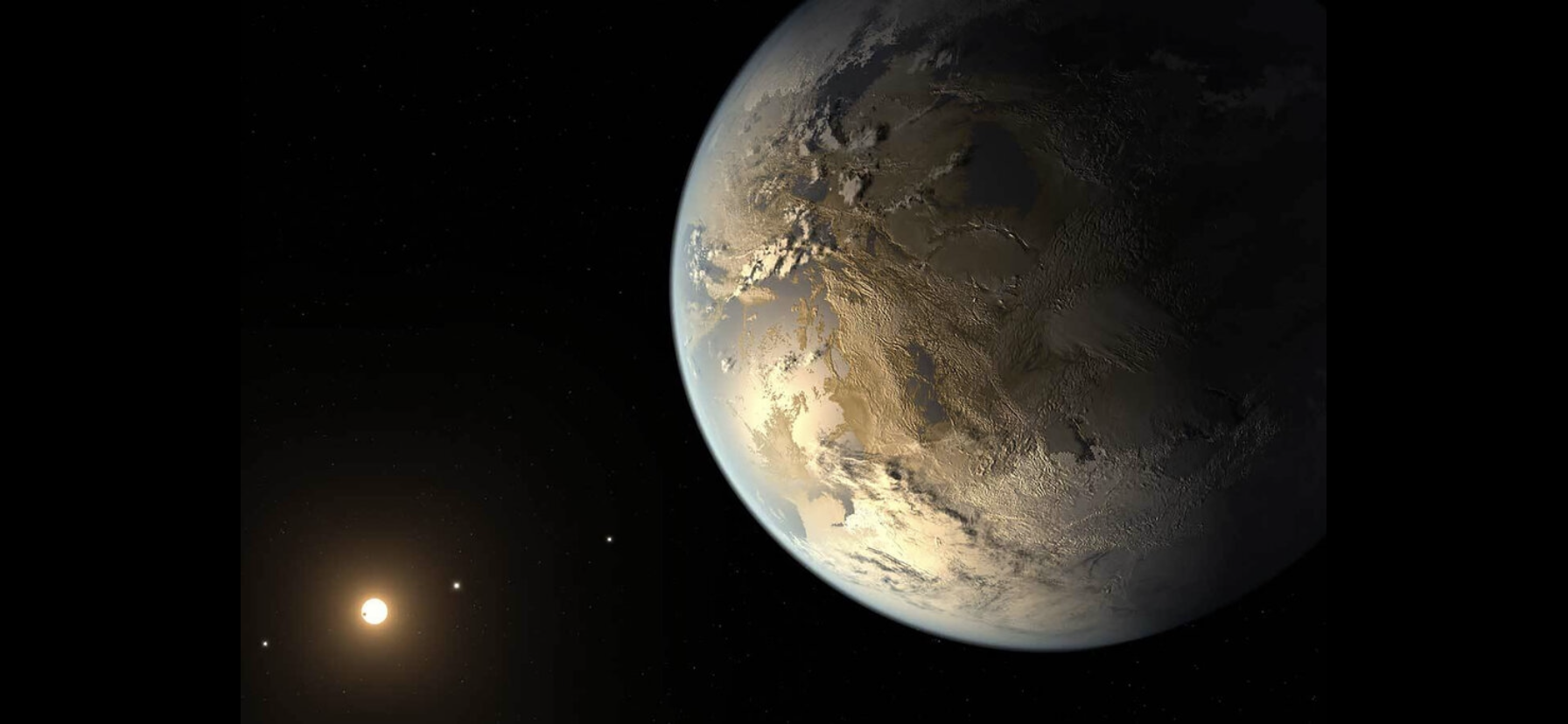
Life on Trappist 1e?

September 12, 2025
MThomas

In two separate papers published Monday in the Astrophysical Journal Letters, astronomers zeroed in on the TRAPPIST-1 system, which consists of seven rocky planets that orbit a single star. Both studies outlined initial results from observations by NASA’s James Webb Space Telescope, suggesting that one planet in particular, known as TRAPPIST-1e, may have a nitrogen-rich atmosphere like Earth’s, though follow-up studies are needed to confirm the discovery.

https://www.nbcnews.com/science/space/trappist1e-atmosphere-extraterrestrial-life-planet-earth-conditions-rcna229839

Trappist 1e is in the “Goldilocks zone” in orbit around its star (i.e., not too cold, not too hot, just right). However, the Webb telescope can’t determine whether its atmosphere has any carbon dioxide, hydrogen, or oxygen, only nitrogen. Yet nitrogen is a clear sign that life is possible, because without nitrogen, DNA and other proteins are not possible. Of course, it could be simply a whole lot of microbes. Or even just ammonia.

Closer to home, the Mars rover Perseverance has found evidence of life in the distant past. Maybe. It found evidence that certain rock features may have happened because of microbes.

May.

That’s how science works, folks. A whole lot of maybes.

(I still think we need more catchy names for the Trappists. I mean, come on.

Yet another “super-Earth” – maybe with a sibling?

February 28, 2024
MThomas

So, astronomers need to know both mass and diameter to determine whether a planet is truly similar enough to ours to host some form of Earth-like life. If the planet has a low mass and a large radius, it is likely like a so-called mini-Neptune with a gassy atmosphere and little rock. If it has a higher mass but a smaller radius, it’s probably a rocky planet like ours.

The possibility that TOI-715 b is rocky “would be exciting because that supports it being more of a habitable planet versus some sort of other world,” says Moran.

https://www.astronomy.com/science/recently-discovered-super-earth-might-be-habitable/

TOI-715 orbits a red dwarf star around 137 light years away, so we won’t be getting there any time soon. But after finding this planet last year, astronomers also are trying to confirm the existence of another smaller, closer to Earth-sized planet in the habitable zone (i.e., in an orbit that permits liquid water necessary for life to evolve).

And the name of the possibly new “sibling” planet?

“TIC 271971130.02”

Uh. We gotta come up with cooler names, folks.

For starters, they orbit a dwarf star.

“Cosmic unicorn”! Two planets in the same orbit?

August 13, 2023
MThomas

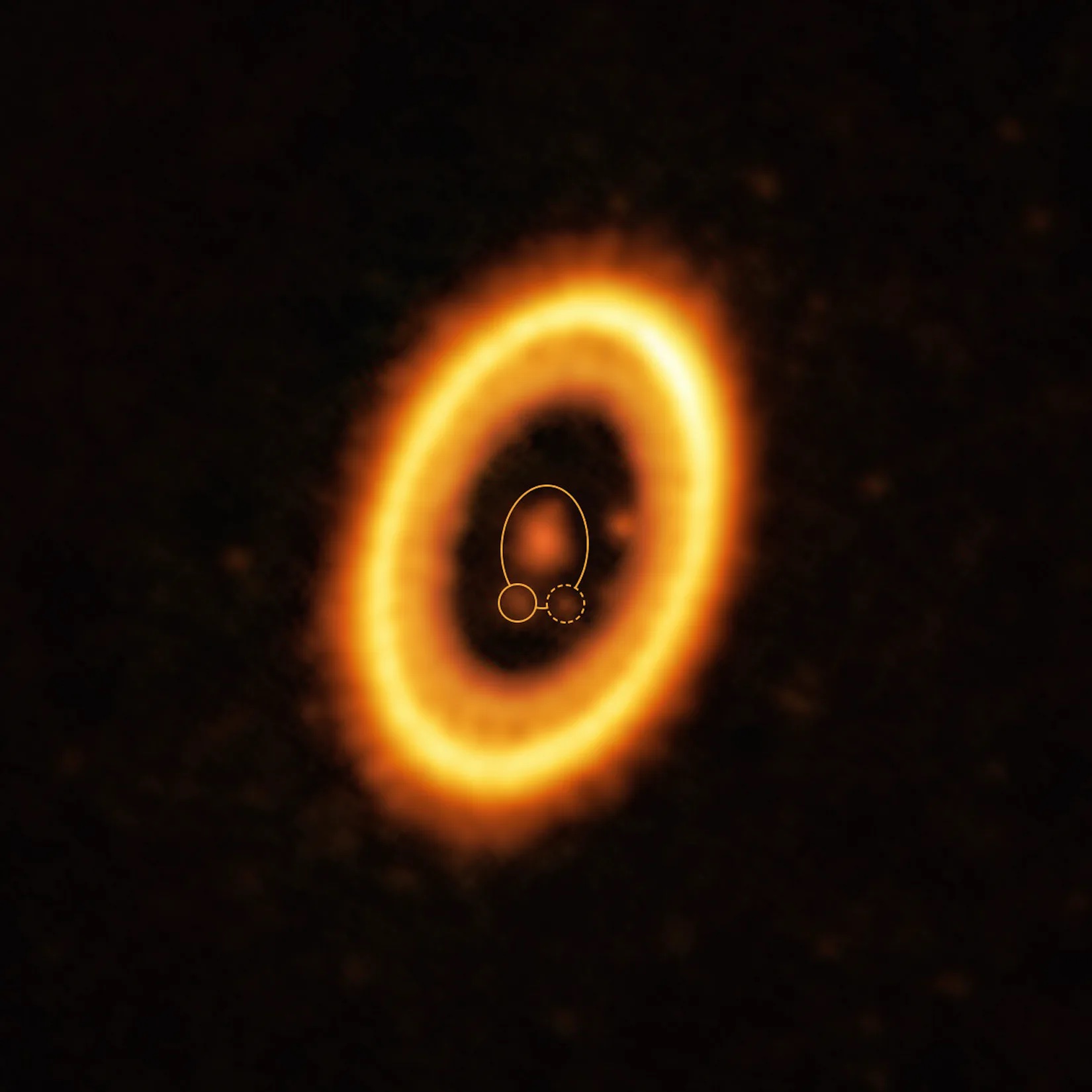
The two planets are in circles that kind of look like, er….let’s just call the whole thing a cosmic donut (the outer “halo” is the protoplanetary disc of gas and dust from which planets eventually coalesce).

We already know that more than one object can share the same orbit; Jupiter has a collection of 120,000 asteroids following its same path around the Sun, for example. Earth has one, too. But although it’s theoretically possible, astronomers have never discovered two whole planets sharing the same orbit around a star before.

https://www.inverse.com/science/astronomers-discover-cosmic-unicorn-two-planets-on-the-same-orbit

Hmm…the language here is a bit misleading. The two objects are technically not both “planets.”

The article comments later on that the object in the dotted line circle is “a cloud of debris about twice the mass of our Moon trailing a bit behind the innermost gas giant” in one of its LaGrange points (where “Trojan” asteroids follow gas giants such as Jupiter and Saturn). So it’s way too early to say that “two” planets formed in the same orbit.

Still, this is the first time that astronomers have spotted two such objects this close to one another in the same orbit. Who knows if both will remain viable (the debris cloud could become partly or mostly absorbed by the gas giant with the rest either being expelled or thrust into separate orbits).

So why is this called a “cosmic unicorn”?

Apparently because although such Trojans “are allowed to exist by theory, but no one has ever detected them.”

Um. OK.

So, like, totally NOT at all like this? Kind of a bummer, really…

Webb finds rocky Earth-sized planet

January 13, 2023
MThomas

The finding demonstrates how the observatory could be used to search for potentially habitable planets in the cosmos and examine the chemical makeup of their atmospheres.

https://www.nbcnews.com/science/space/james-webb-telescope-finds-first-exoplanet-rcna65374

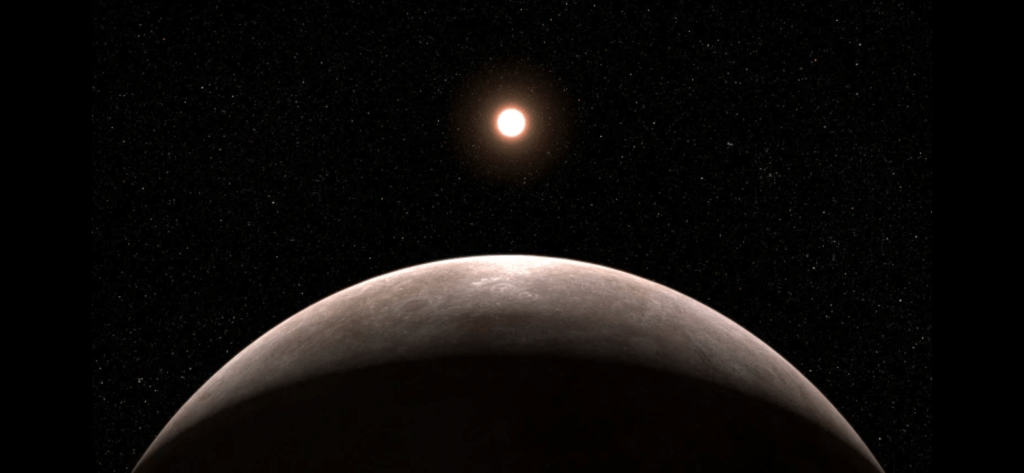
LHS 475b is 41 light years away, orbiting a red dwarf star in the Octans constellation (one of a few “modern” constellations only seen in the deep southern hemisphere).

Webb can even detect the presence of atmospheres, though given LHS475b has an orbit of two days and is a “few hundred degrees warmer than Earth,” it’s unlikely it’ll find much with this exoplanet.

Still, it’s a first. The first of many, I hope.

The 2022 Year of Space Exploration

January 2, 2023
MThomas

Lots and lots and lots of space stories occurred in 2022.

From DART to Landsat, Sagittarius A* black hole to CAPSTONE, the Korean Pathfinder to SpaceX, and to the ISS, Moon, and Mars, here’s a summary of major space exploration projects last year.

Looking forward to 2023 and beyond!

Looking for aliens in all the wrong places?

August 12, 2022
MThomas

Our search for alien life is getting serious. With better telescopes and a growing scientific consensus that we’re probably not alone in the universe, we’re beginning to look farther and wider across the vastness of space for evidence of extraterrestrials.

But it’s possible we’re looking for too few signs in too few places. Having evolved on Earth, surrounded by Earth life, we assume alien life would look and behave like terrestrial life.

https://www.thedailybeast.com/alien-hunters-need-to-start-rethinking-the-definition-of-life?

I agree that we are biased, simply based on the basics of what we understand as (carbon-based) life (i.e., ourselves).

And I agree — in principle — that scientists need to keep an open mind when looking for other life forms on exoplanets.

However, they also need to retain a sense of skepticism.

Continue Reading

How do we find ET? Look for pollution…

February 24, 2022
MThomas

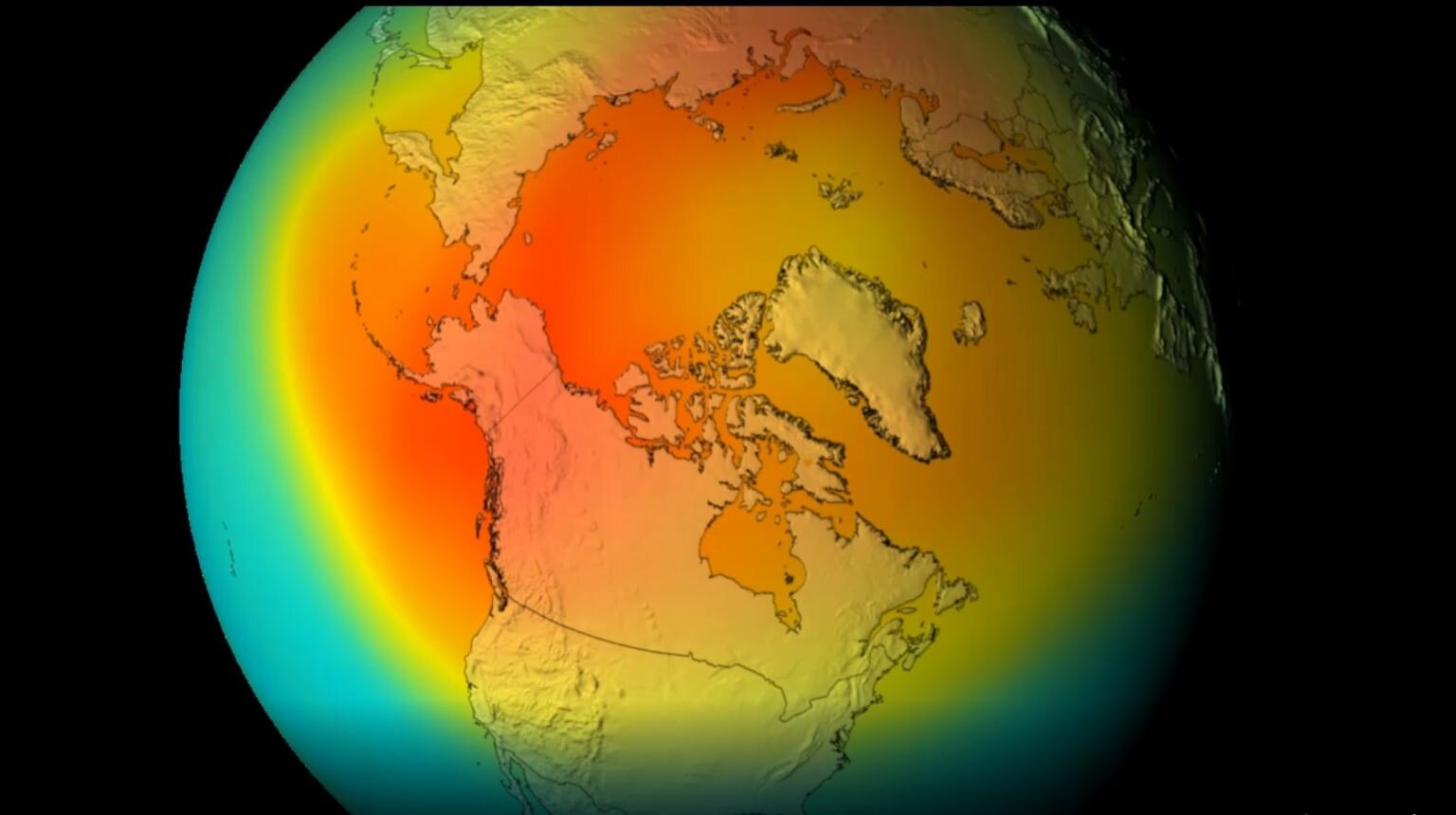
CFCs in the atmosphere above the North Pole.

“We give off waste heat (from industry and homes and so on) and artificial light at night, but perhaps most significantly, we produce chemicals that fill our atmosphere with compounds that wouldn’t otherwise be present. These artificial atmospheric constituents just might be the thing that gives us away to a distant alien species scanning the galaxy with their own powerful telescope.”

https://phys.org/news/2022-02-webb-telescope-civilizations-air-pollution.html

Or, as Futurism puts it: “SCIENTISTS ALREADY PLOTTING HOW James Webb COULD DETECT ALIEN CIVILIZATIONS WHOA.”

Just. Settle down, wouldja. Sheesh.

Scientists have proposed aiming the James Webb space telescope the Trappist system, specifically Trappist-1e.

Really hope this isn’t what they find…

And you thought living on Earth in 2020 was bad…

November 7, 2020
MThomas

On the scorching hot planet, hundreds of light-years away, oceans are made of molten lava, winds reach supersonic speeds and rain is made of rocks. Scientists have referred to the bizarre, hellish exoplanet as one of the most “extreme” ever discovered. 

https://www.cbsnews.com/news/astronomers-discover-hell-planet-k2-141b-rock-rain-lava-oceans/?ftag=CNM-00-10aab6a&linkId=103730808&fbclid=IwAR2W9JqL9gjnrBTJeZ4bMbV4XsnqO_1kScgP0GLq7eYbq__0bDtmqcbH4BM

I think we may have seen this kind of planet before…

Yep, that’s it.

Hey, WordPress, why did you delete my post’s headline?

November 6, 2020
MThomas

According to NASA estimates there are at least 100 billion stars in the Milky Way, of which about 4 billion are sunlike. If only 7 percent of those stars have habitable planets — a seriously conservative estimate — there could be as many as 300 million potentially habitable Earths out there in the whole Milky Way alone.

https://www.nytimes.com/2020/11/05/science/astronomy-exoplanets-kepler.html

It takes a while to collect, sort through, analyze, write up, endure peer review, and publish data from scientific projects.

That’s why finally we’re seeing this, 11 years after Kepler was launched to scour the galaxy for exoplanets.

Now the real challenge will be figuring out how to get there…

It’s time to move on the next factor in the Drake equation for extraterrestrial civilizations: the fraction of these worlds on which life emerges. The search for even a single slime mold on some alien rock would revolutionize biology, and it is a worthy agenda for the next half-century as humans continue the climb out of ourselves and into the universe in the endless quest to end our cosmic loneliness.

Scientists discover Mars-sized rogue planet wandering the galaxy

November 2, 2020
MThomas

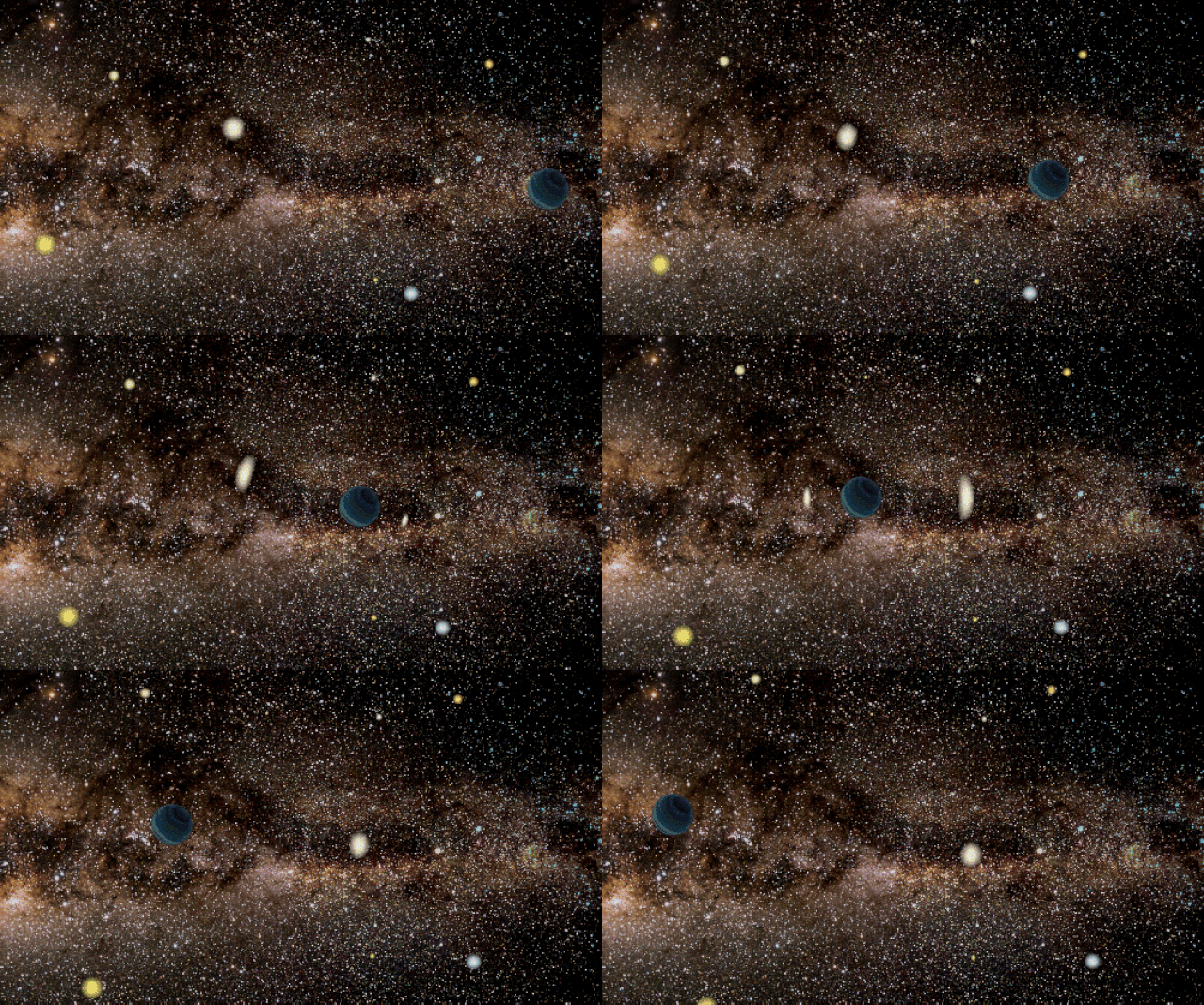
It’s possible our galaxy is filled to the brim with these rogue planets, but this one is particularly unusual for one special reason: it is the smallest found to date — even smaller than Earth — with a mass similar to Mars. 

https://www.cbsnews.com/news/rogue-planet-exoplanet-floating-through-space-discovery-milky-way/

And the video at the top of the page linked above has NOTHING to do with rogue planets.

Sigh.

Blog at WordPress.com.
The Silmaril Chick

Writing Fanfiction in the worlds of Tolkien and Beyond!

Our Awesome Universe

Learning more about our place in the universe...

TechWordly

Best Tech Gadgets Advise

Weird Science Marvel Comics

Marvel Comics Reviews, Previews and News

Universe discoveries

Writing blogs is miracle I am a writer blogger and my site mission is to give information on maximum information to audiences

Robby Robin's Journey

Reflections of an inquiring retiree ...

Fox Reviews Rock

Rock & Metal Reviews That Hit Hard

My little corner of the world

Short stories | Reflections | Poetry

DimmaJo Blog

Read | Reflect | Grow