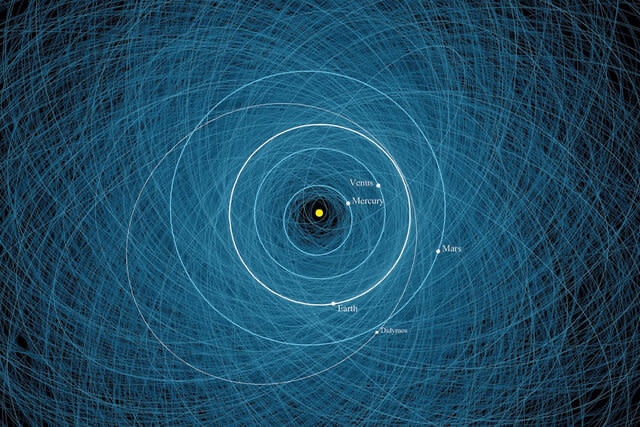
Of all the asteroids they modeled, the one with the largest risk of impact was a kilometer-wide asteroid known as 1994 PC1. Over the next thousand years, the probability that 1994 PC1 will cross within the orbit of the Moon is a paltry 0.00151%, hardly worth worrying about.
Thanks to Glen Hill over at Engaginโ Science (formerly Scientia, which apparently was far too Latin- and science-esque for search engines to handle) for bringing this (not-so Earth-shattering) info to my attention.
Sorry, folks. Hollywood was once again wrong (sigh).
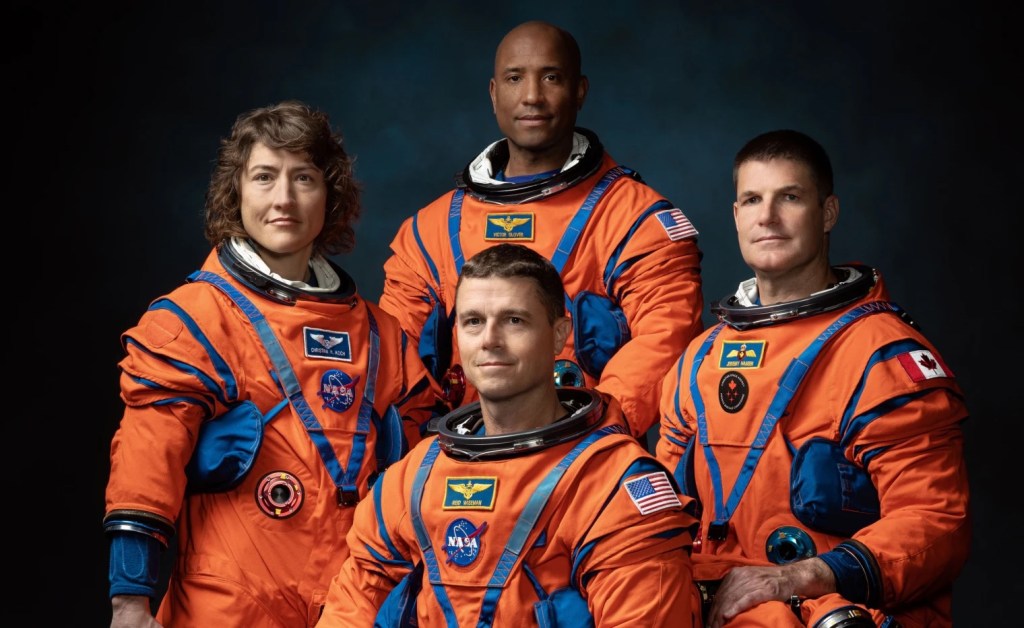
The astronauts will be the first humans to fly in the vicinity of the moon in more than 50 years. They will also be the first to launch aboard NASAโs next-generation megarocket and Orion space capsule. The crew will not land on the moon but will swing around the celestial body, testing the performance of the Orion spacecraft, before returning to Earth.
For the program, the 9- to 12-year-old students designed an experiment in which epinephrine samples were placed into tiny cubes and sent to the edge of space via either a high-altitude balloon or a rocket. Once back onย Earth, researchers from the John L. Holmes Mass Spectrometry Facility at the University of Ottawa tested the samples and found that only 87% contained pure epinephrine, while the other 13% had been “transformed into extremely poisonous benzoic acid derivatives,” according to aย University of Ottawa statement(opens in new tab).
So…uh…why would an astronaut have this thing in space to begin with? NASA should know the full medical history of all its astronauts before even considering sending them into space.
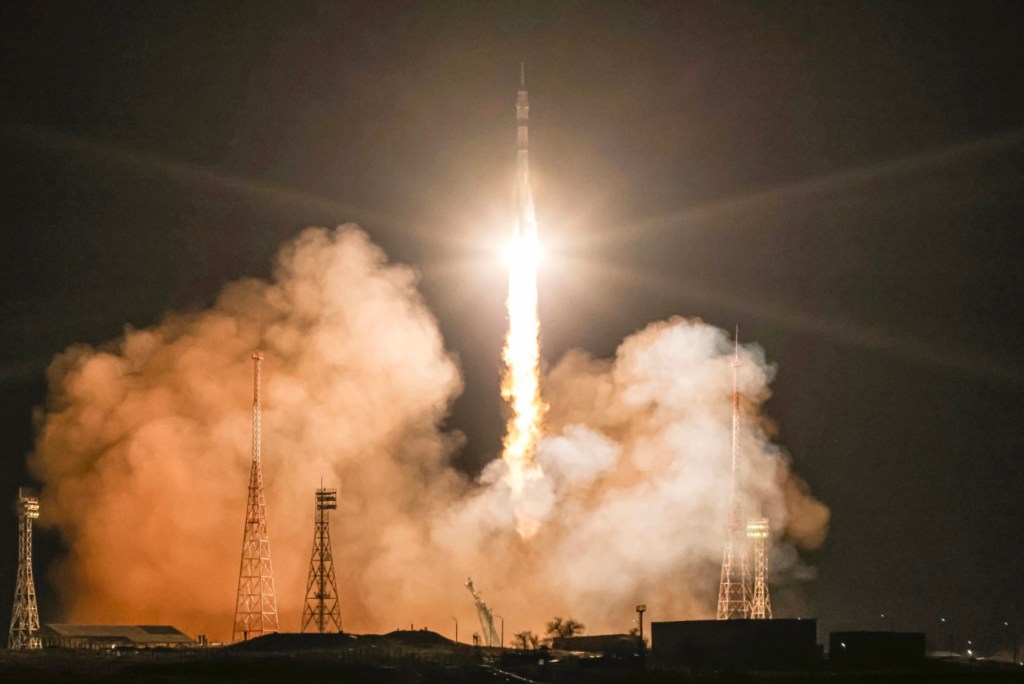
Until the new Soyuz pulls up, emergency plans call for Rubio to switch to a SpaceX crew capsule thatโs docked at the space station. Prokopyev and Petelin remain assigned to their damaged Soyuz in the unlikely need for a fast getaway. Having one less person on board would keep the temperature down to a hopefully manageable level, Russian engineers concluded.
โI was quite surprised by how simple the story hiding behind the curtain of complexity in the data,โ Sneppen continued. โYou have this immensely complex physics, unimaginable dense stars and the birth of a black hole โ and then it all reduces to this beautiful sphere.โ
The neutron stars that crashed into each other are โdense and compact,โ Sneppen said. They only measured around 20 km in diameter โ about 12 miles โ but they are โheavier than the sun,โ he said. โA teaspoon of neutron star matter weighs more than Mount Everest.โ
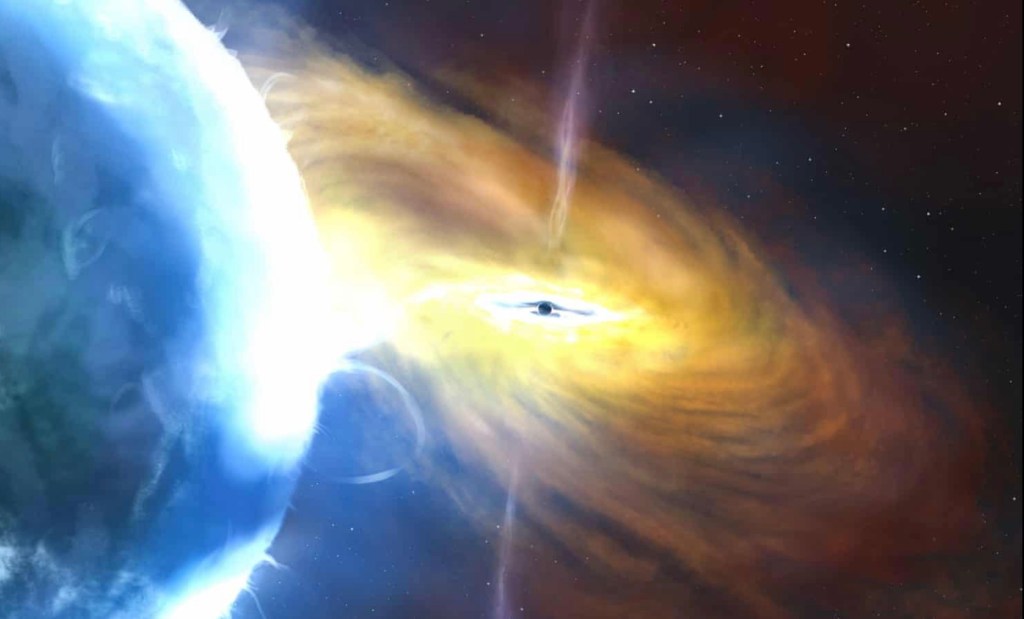
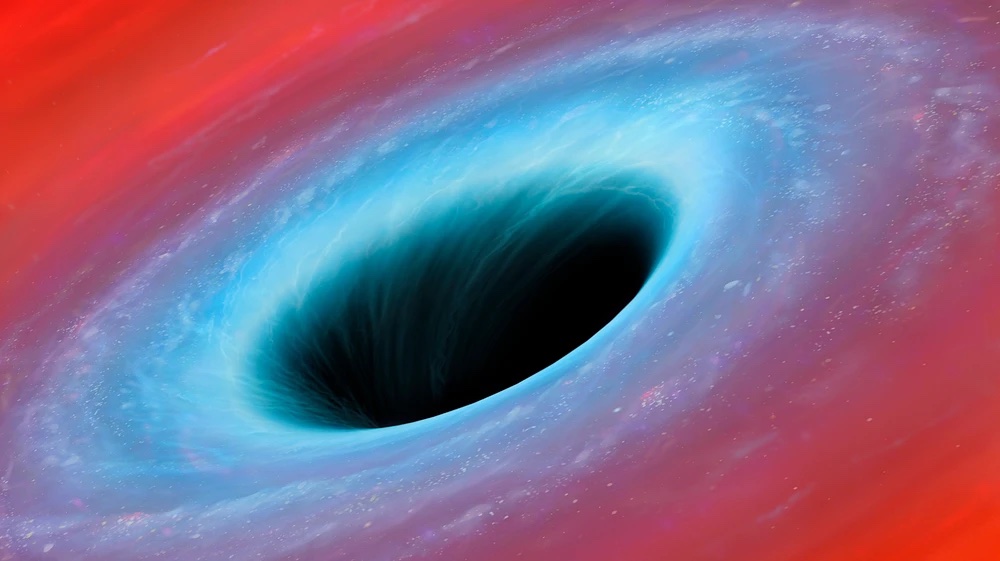
First reported in 2017, a new study in Nature gives more details about a “kilo nova” only detected by using gravitational waves. The collision led to the formation of a black hole.
Fortunately, this sort of cosmic event doesn’t occur too often. But..
…if a kilonova were to occur in the Milky Way โ less than 30,000 light- years away โ it would be the brightest star in the night sky, making it discoverable to the human eye…
Still, it’d be safer for Earth if it never happened…
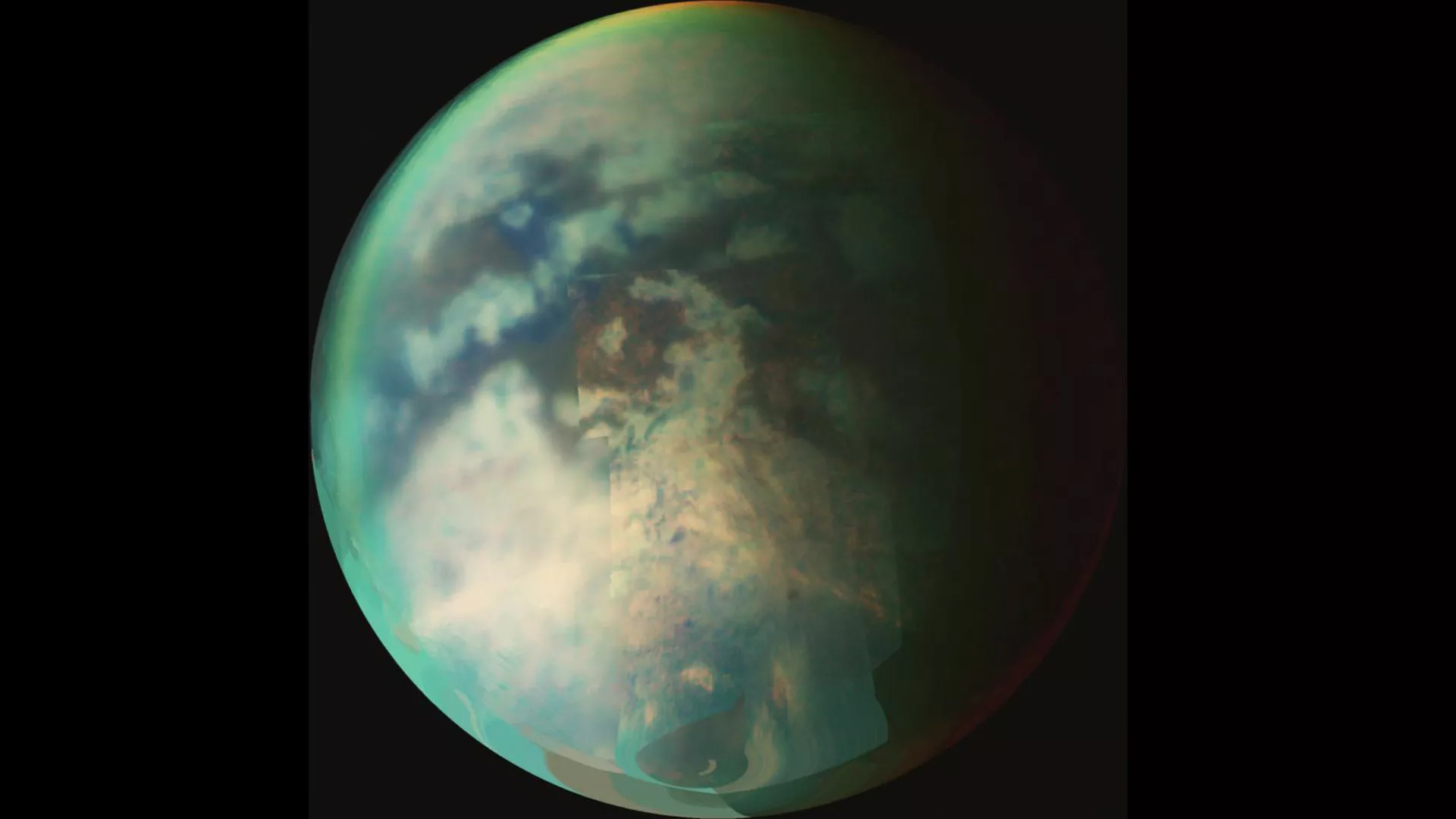
It is this subsurface ocean, or rather its interaction with the ice shell that covers it, that a team of researchers led by the Catholic University of Louvain (UCLouvain) in Belgium hope to better understand. More specifically, they wish to understand how the ocean’s depth and the pressure exerted by the icy shell on the underground water body influence the formation of tidal motions and currents inside of it.ย
When I first heard of “Attack on Titan,” I was disappointed to learn that it didn’t take place actually on Titan. (The title in English is a mistranslation. It should be “Attack of the Titans” or “The Titans Attack” or even “Attacking Titans,” depending.) In any case, it’s a disgusting manga/anime with nothing to do with the icy moon of Saturn. Except for the name. And even that’s a misuse (they should have used “giant” as the storyline is very loosely based on Ymir and the frost giants of Scandinavian myth).
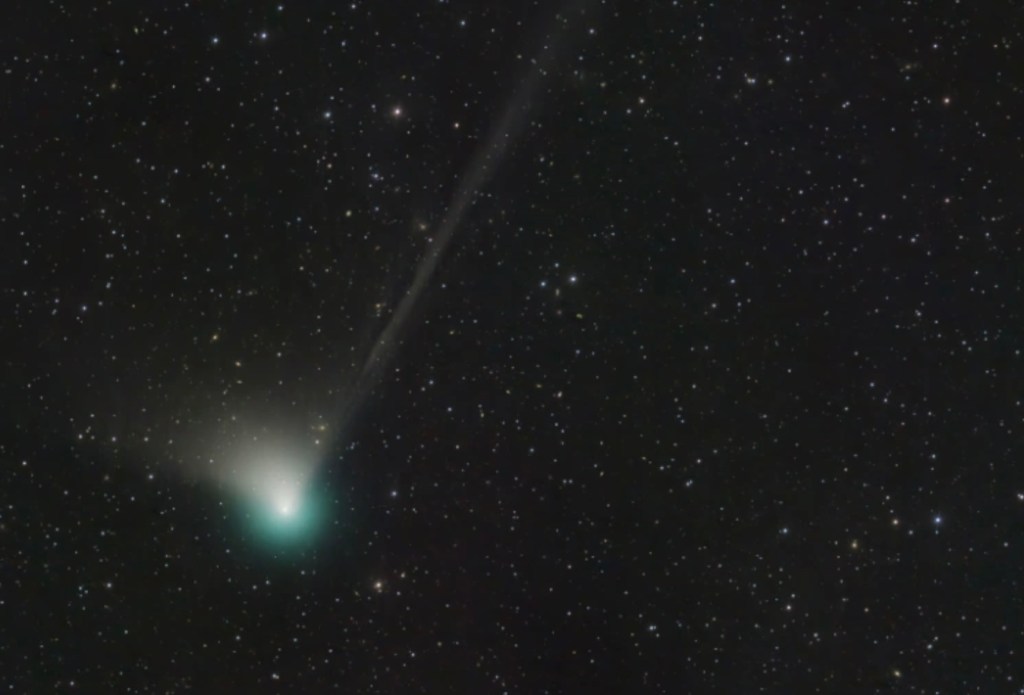
A comet from the outer solar system is set to buzz Earth on Wednesday and skywatchers have a chance to glimpse the celestial object as it journeys through our cosmic neighborhood for the first time in 50,000 years.
If by โWednesdayโ you mean โWednesday in North America. There is no โon Wednesdayโ worldwide, thanks.
Observers in the Northern Hemisphere should look northeast just after the Moon sets and before dawn. You should be able to see it with a good pair of binoculars.
The last time Comet C/2022 E3 (ZTF) made a visit, Homo sapiens still had Neanderthal neighbors, so this is your one and only! โ๏ธ
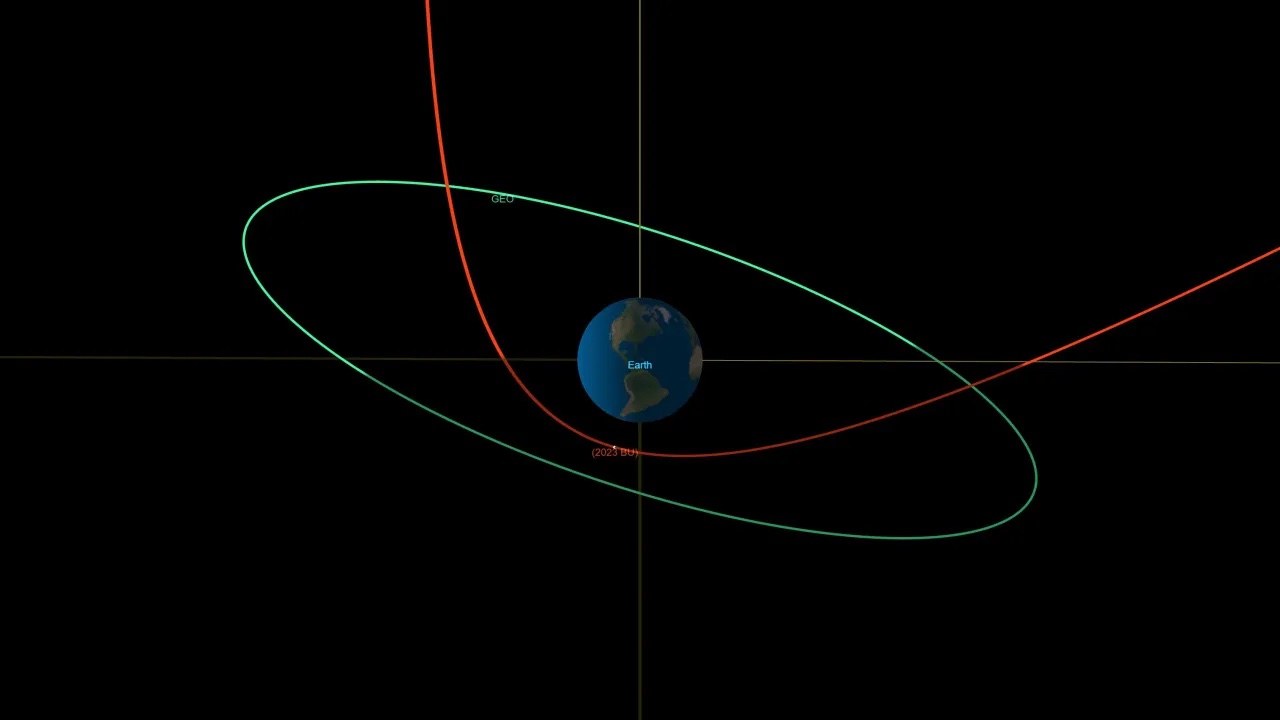
An asteroid is on its way to Earth, but donโt worry โ the end is hereย Notย here. The asteroid, named 2023 BU, is about the size of a van and is expected to miss our planet during Thursdayโs flyby. However, according to a NASA scientist, it will be โone of the closest approaches of a known near-Earth object ever recorded.โ
The finding demonstrates how the observatory could be used to search for potentially habitable planets in the cosmos and examine the chemical makeup of their atmospheres.
LHS 475b is 41 light years away, orbiting a red dwarf star in the Octans constellation (one of a few โmodernโ constellations only seen in the deep southern hemisphere).
Webb can even detect the presence of atmospheres, though given LHS475b has an orbit of two days and is a โfew hundred degrees warmer than Earth,โ itโs unlikely itโll find much with this exoplanet.