…the team’s results suggest that, while the physical processes that drive the structure of the Universe and the structure of the human brain are extremely different, they can result in similar levels of complexity and self-organisation…
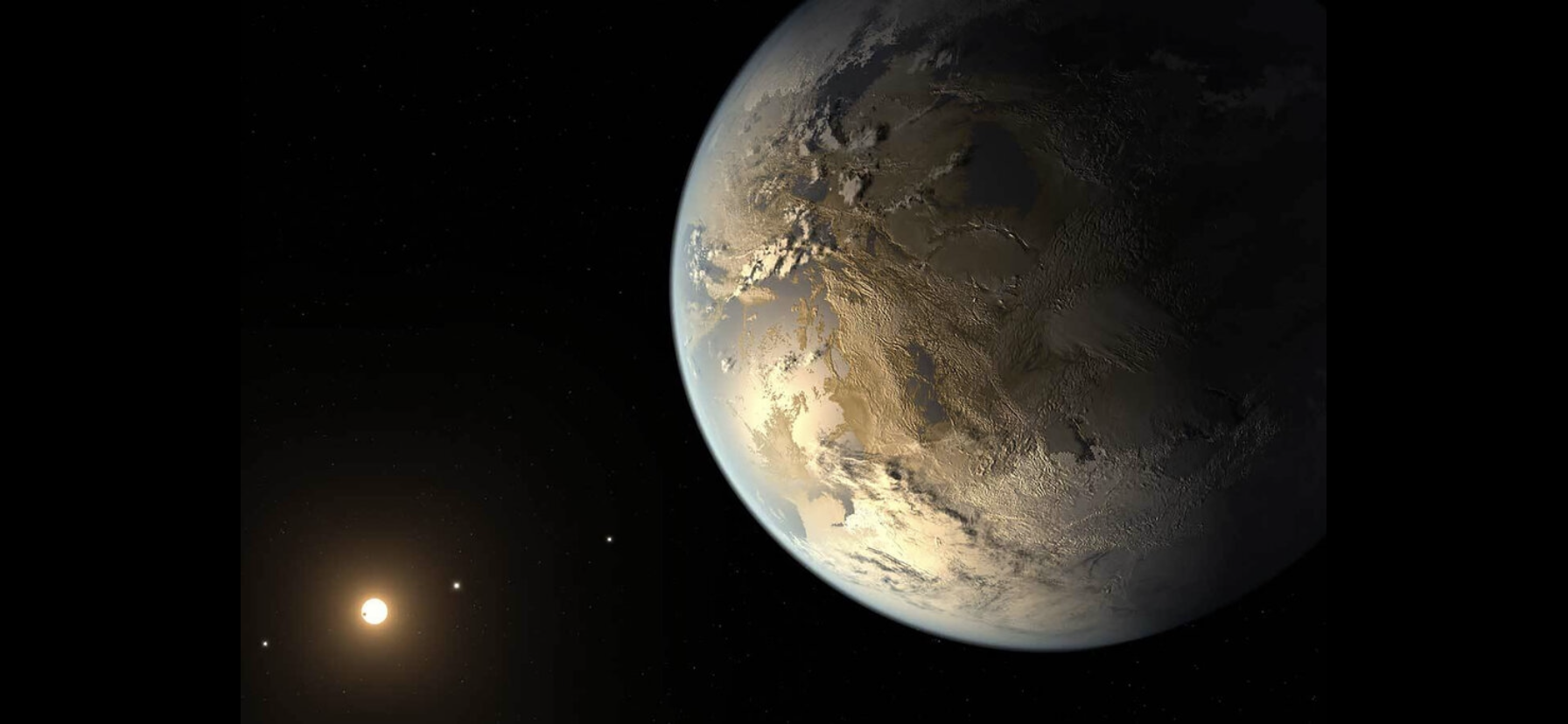
According to NASA estimates there are at least 100 billion stars in the Milky Way, of which about 4 billion are sunlike. If only 7 percent of those stars have habitable planets — a seriously conservative estimate — there could be as many as 300 million potentially habitable Earths out there in the whole Milky Way alone.
It takes a while to collect, sort through, analyze, write up, endure peer review, and publish data from scientific projects.
That’s why finally we’re seeing this, 11 years after Kepler was launched to scour the galaxy for exoplanets.
Now the real challenge will be figuring out how to get there…
It’s time to move on the next factor in the Drake equation for extraterrestrial civilizations: the fraction of these worlds on which life emerges. The search for even a single slime mold on some alien rock would revolutionize biology, and it is a worthy agenda for the next half-century as humans continue the climb out of ourselves and into the universe in the endless quest to end our cosmic loneliness.
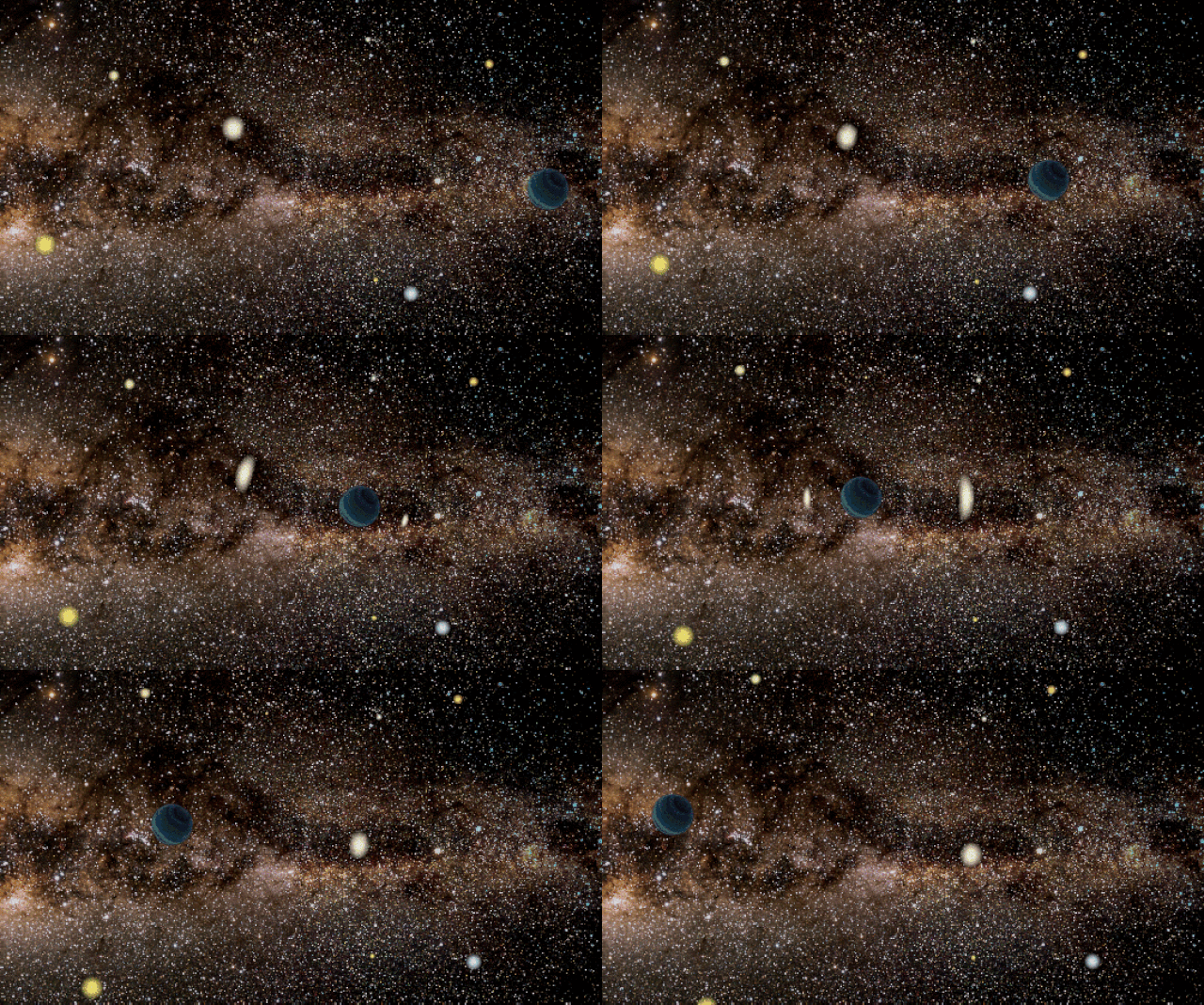
It’s possible our galaxy is filled to the brim with these rogue planets, but this one is particularly unusual for one special reason: it is the smallest found to date — even smaller than Earth — with a mass similar to Mars.
Leave it to USA Today—the paragon of journalistic integrity and unvarnished truth reporting—to grossly exaggerate “value.”
Imagine if someone dumped several hundred thousand tons of nickel and iron on the market?
It would immediately make nickel and iron worthless. Simple supply and demand. So it’s not monetary value that is important.
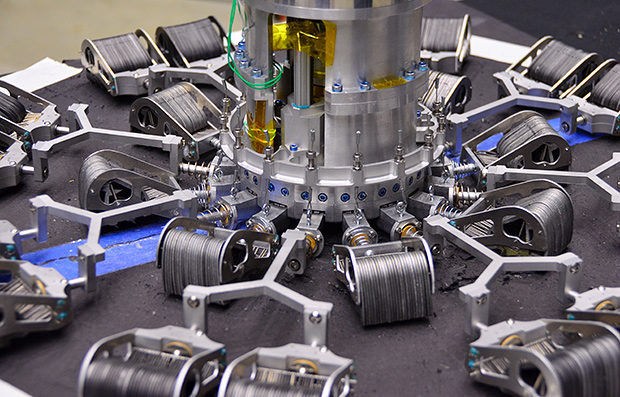
How do we create vehicles and domiciles for a space-faring future while avoiding the exorbitant cost of getting them into space in the first place? It’s the cost and weight of rocket fuel that’s the issue.
Solution: Build everything in space. No need to bring anything back to Earth.
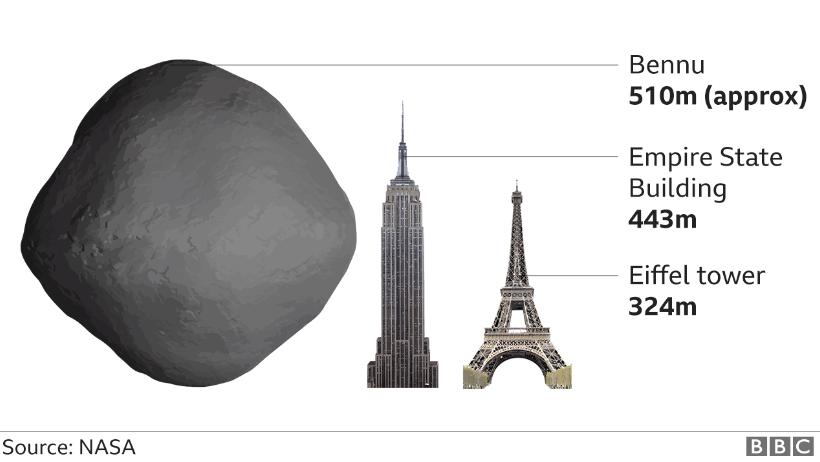
Why are 3D objects always compared to the Empire State Building?
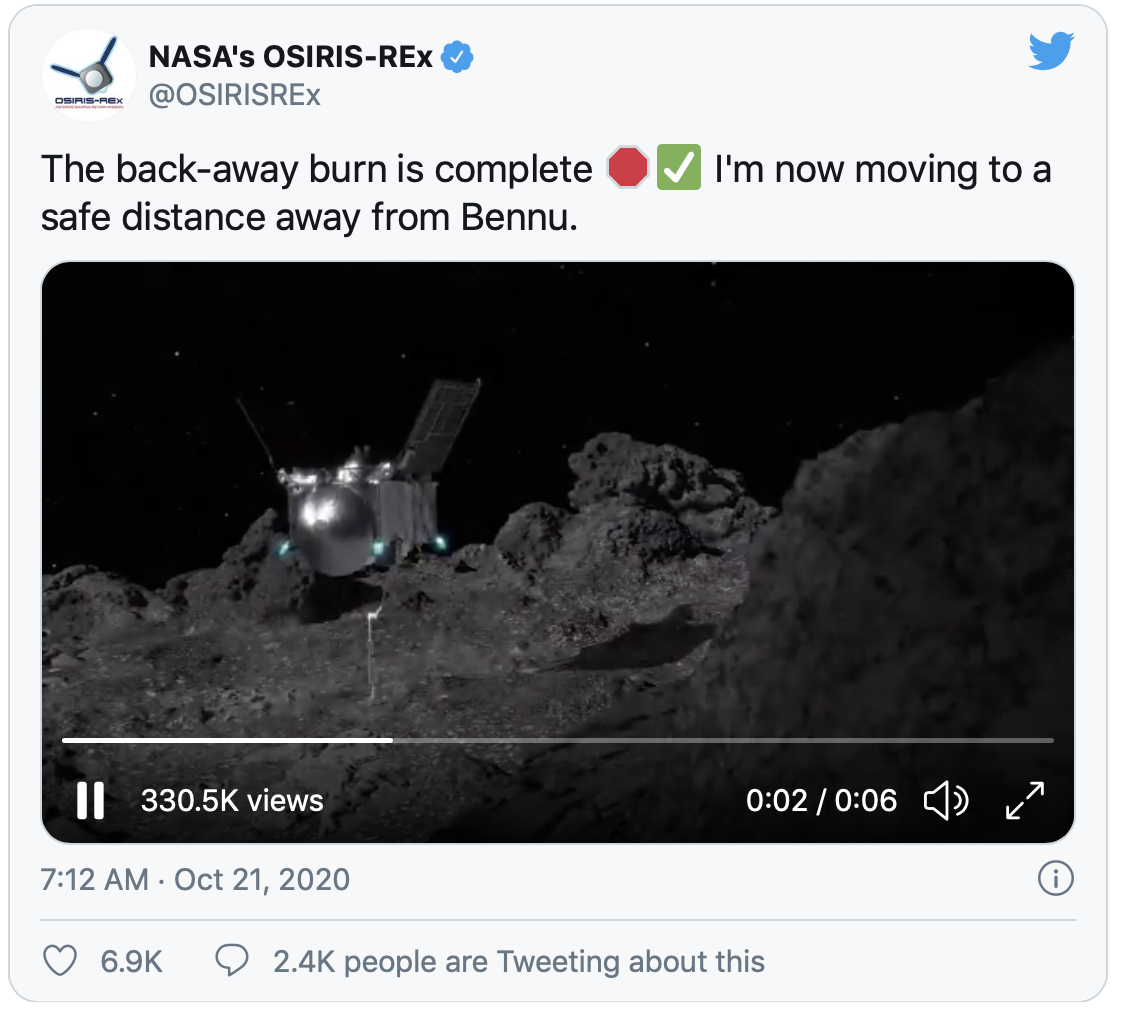
Researchers understand it to be what they call a carbonaceous asteroid, meaning its rocks still retain a lot of the chemistry that was present when the Sun and the planets came into being more than 4.5 billion years ago. Hence the desire to bring some of its material home for analysis in sophisticated Earth laboratories.
If it’s a spinning top, I don’t see how showing it in comparison to the Eiffel Tower will help us understand how big it is…
Then again, usually media compare things like this to a football field (US) or a football pitch (UK). Or they say things like “as long as [insert type of moving vehicle here] end to end.”
Honestly, just say “510 m3” and leave it at that. All we care about is what the probe will do: Vacuum up and bring back at least 60g of materials from the beginning of the solar system.
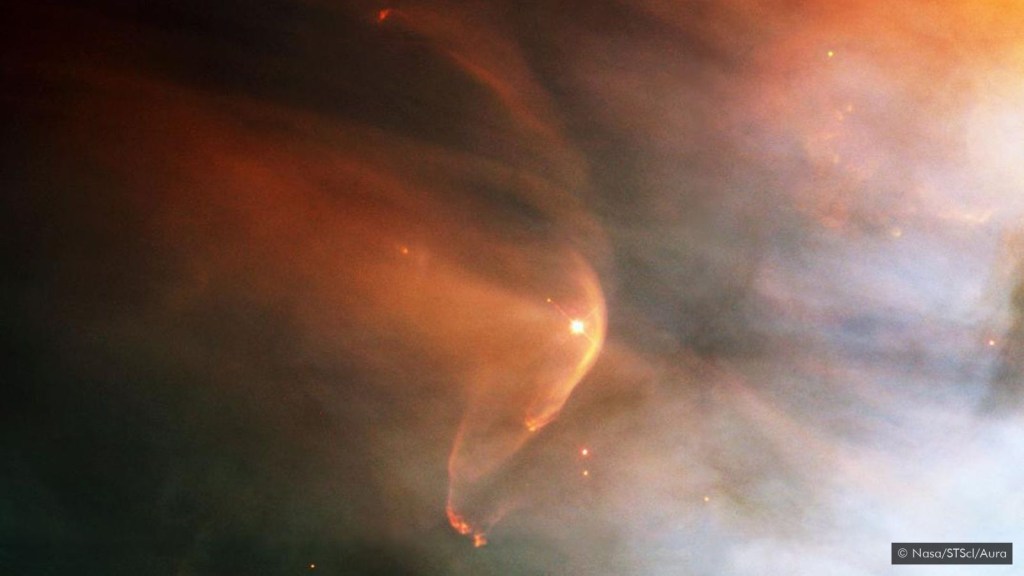
“When you look at different parts of the electromagnetic spectrum, that area of space is very different from the blackness we perceive with our eyes,” says Michele Bannister, an astronomer at the University of Canterbury in Christchurch, New Zealand, who studies the outer reaches of the Solar System. “Magnetic fields are fighting and pushing and tied up with each other. The image you should have is like the plunge pool under Niagara Falls.”