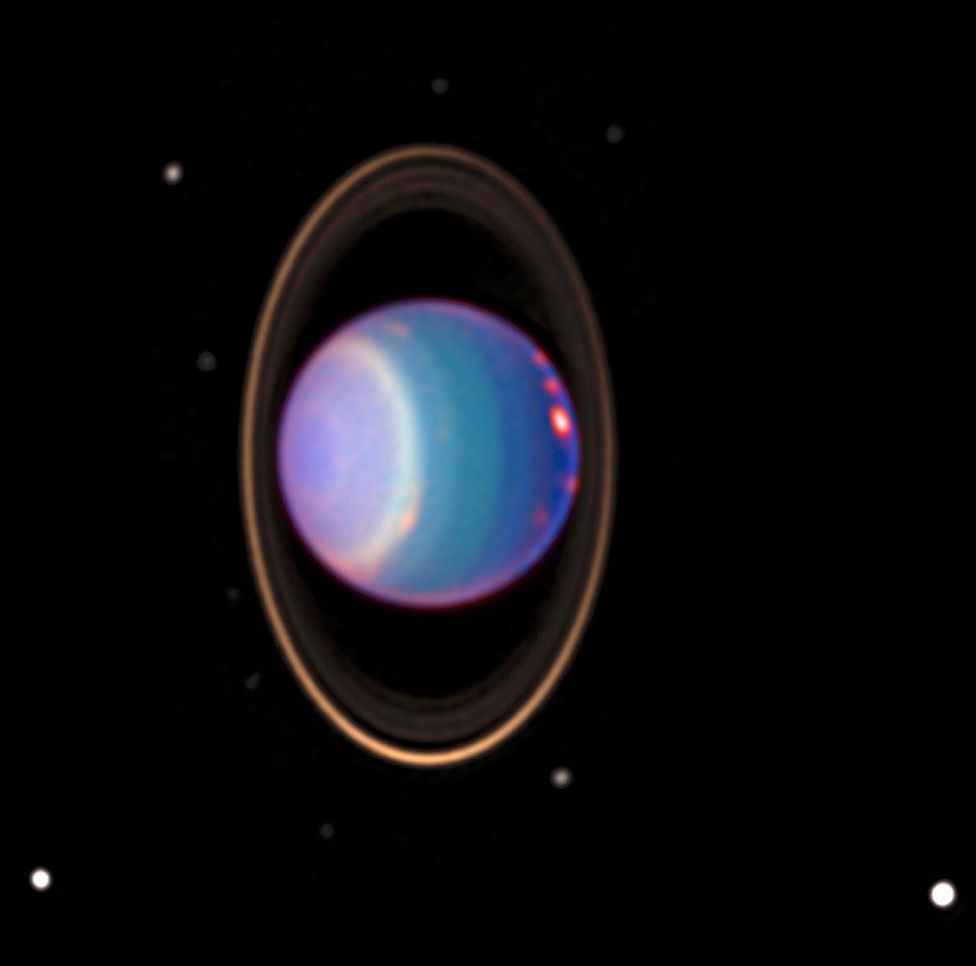
“Researchers think an in-depth study of Uranus can help them better understand the many similarly sized objects now being discovered around other stars.“
Uranus’s strange tilt is probably due to getting smacked by a very large body a long time ago…
Uranus is weird. It has rings. It has 13 moons, some of which may harbor life beneath their icy surfaces.
It has a funny name.
I get it. But learning more about how its formation affects planet formation is just not that important.
“Pure” researchers probably are interested, but frankly, if NASA wastes its time doing this, they will miss the opportunity to settle the Moon and Mars, mine asteroids for valuable resources, and explore other moons like Titan and Europa.
China will get there first.
Pure research is all fine and dandy, but it’s also incredibly expensive — taxpayer dollars should be spent on projects with more tangible benefits.
“Perhaps most intriguing among the documents are the several dozen Defense Intelligence Reference Documents (DIRDs), which discuss the viability of various “advanced technolog[ies].” This collection includes reports on “traversable wormholes, stargates, and negative energy,” “high-frequency gravitational wave communications,” “warp drive, dark energy, and the manipulation of extra dimensions,” and many other topics that will sound familiar to fans of science fiction.”
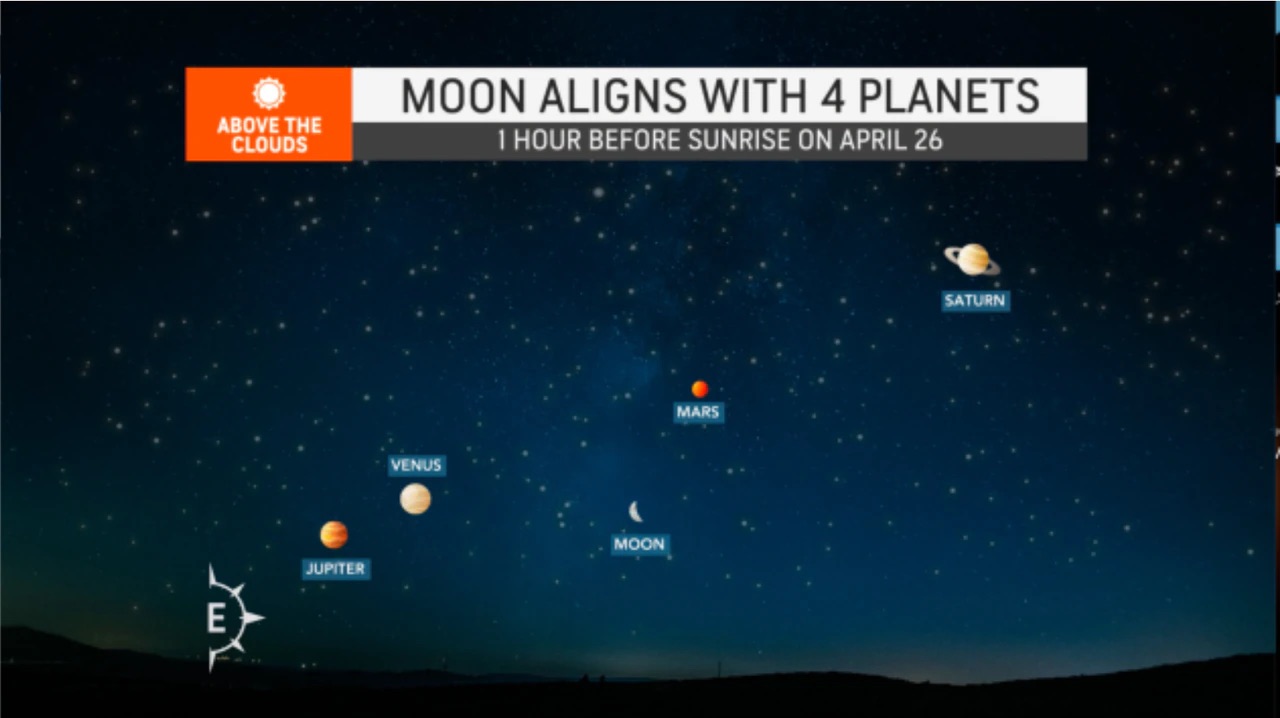
(Note: You won’t be able to see the planets actually looking like these photoshopped images…unless you happen to have a really powerful telescope in your backyard.)
Not sure why I first got this info from a site based in New Jersey. The info about what time of day and in what part of the sky is only relevant to people living in the NJ_NYC area.
Still, it’s an interesting phenomenon that occurs once every few years…
2005. 2016. 2020. And 2022. Not exactly a regular pattern, it seems.
And, no, there is no “spiritual significance” to a planetary alignment. It’s an illusion, an imaginary lining up of the solar system that doesn’t affect you personally. Sorry.
But it’s still fun to watch. Er, if you enjoy getting up before dawn (I don’t).
According to nj.com, “The planetary parade of sorts will occur when Jupiter, Venus, Mars and Saturn all appear to be lined up in a row above the horizon during the pre-dawn hours — starting Saturday morning, April 23. The alignment will also be visible during the next few mornings, and April’s crescent moon will soon join the parade, according to experts from LiveScience and AccuWeather.”
Yeah, lots of web sites are covering this. At least the one I linked above doesn’t have automated videos, flashing ad gifs, and other random pop-ups that drain your smartphone battery.
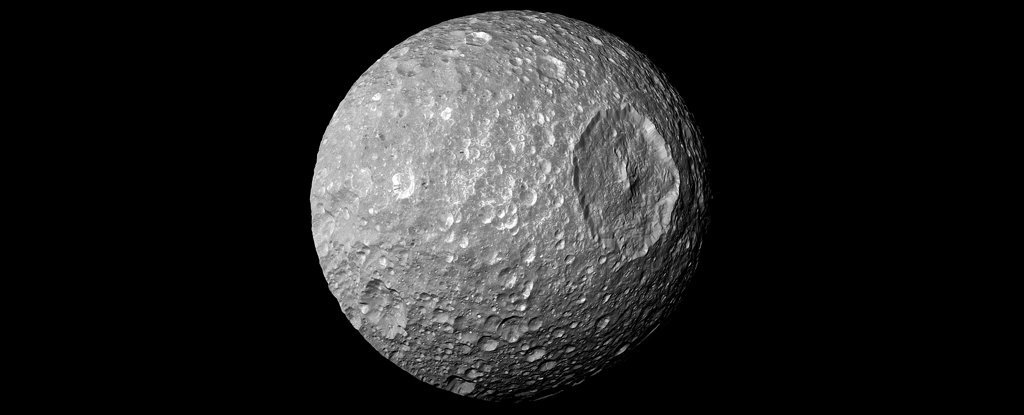
New analysis of one of Saturn’s moons suggests that it may harbor a liquid ocean. No, not the usual suspects – the new culprit is Mimas, the little moon with a big crater, which gives it more than a passing resemblance to the ‘Death Star’ from Star Wars.
Kamo’oalewa is one such piece of lunar rubble that spiraled away from the moon. But rather than landing on Earth or simply tumbling off into the void, it found itself a quasi-satellite in its own right.
Dunno what’s cooler: the name of the Moon fragment or the fact that the grad student at Lunar and Planetary Laboratory at the University of Arizona that discovered the ”moon” is named ”Sharkey.”
Also, the complete and utter lack of visuals is appalling…plus the repetitive politically-oriented automatic videos and random ads irritates me. Honestly, WTF is up with US-based websites these days. Unreadable.
Still, it’s telling that the ”moon” has a Hawaiian name. Much like the navigator in my story…
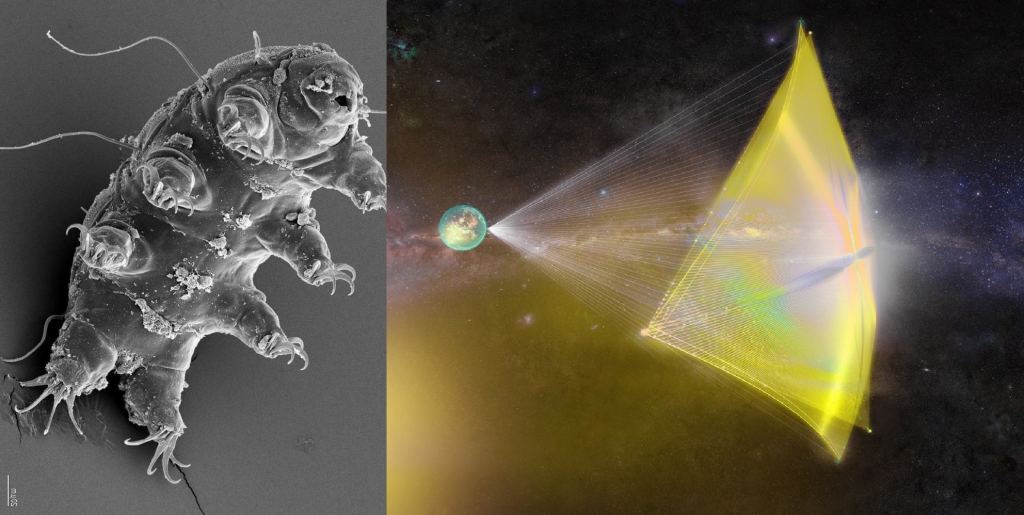
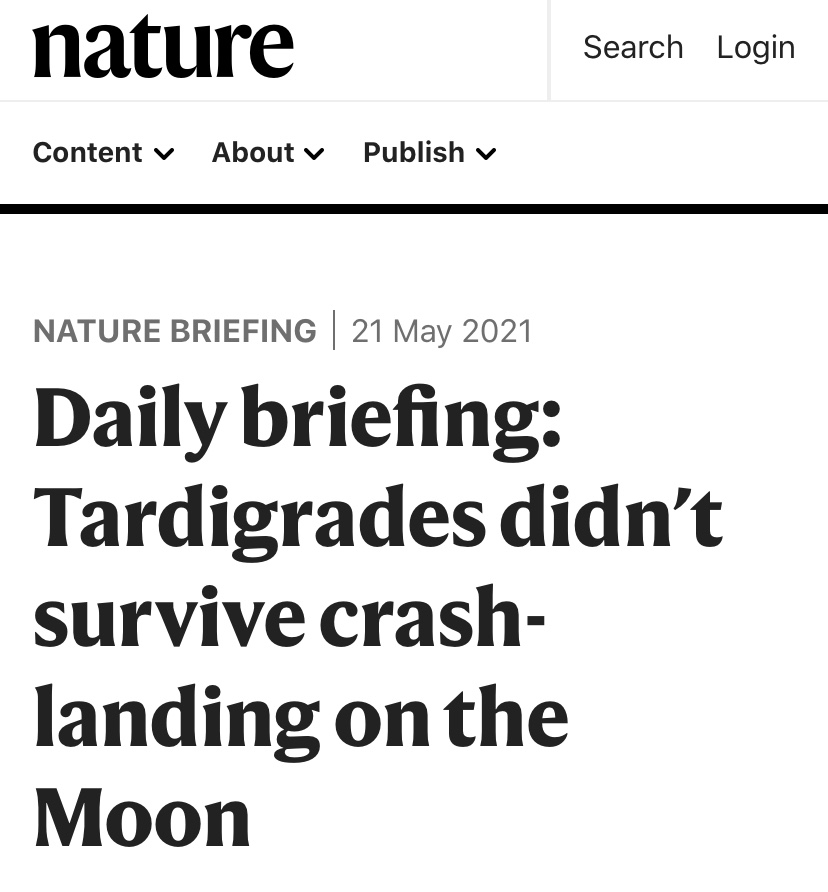
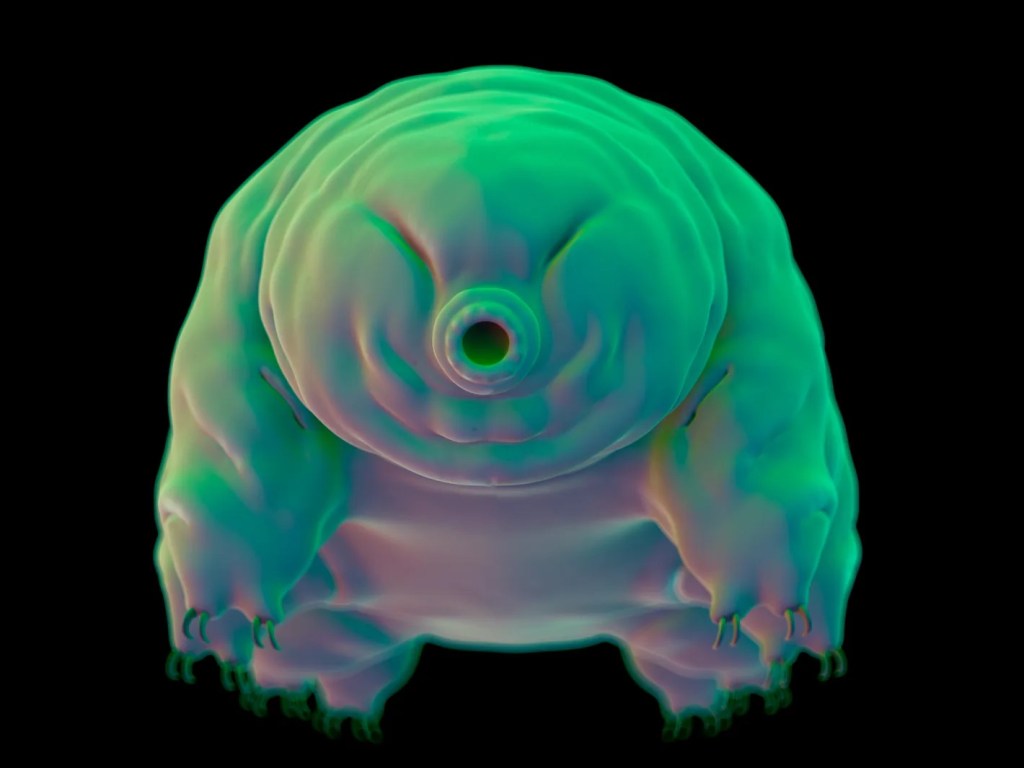
Despite the impact, scientists believe that if anything survived the crash intact, it may well have been the tardigrades. The microscopic creatures were sandwiched between micron-thin sheets of nickel and suspended in epoxy, a resin-like preservative that acts like a jelly — potentially enough to cushion their landing.
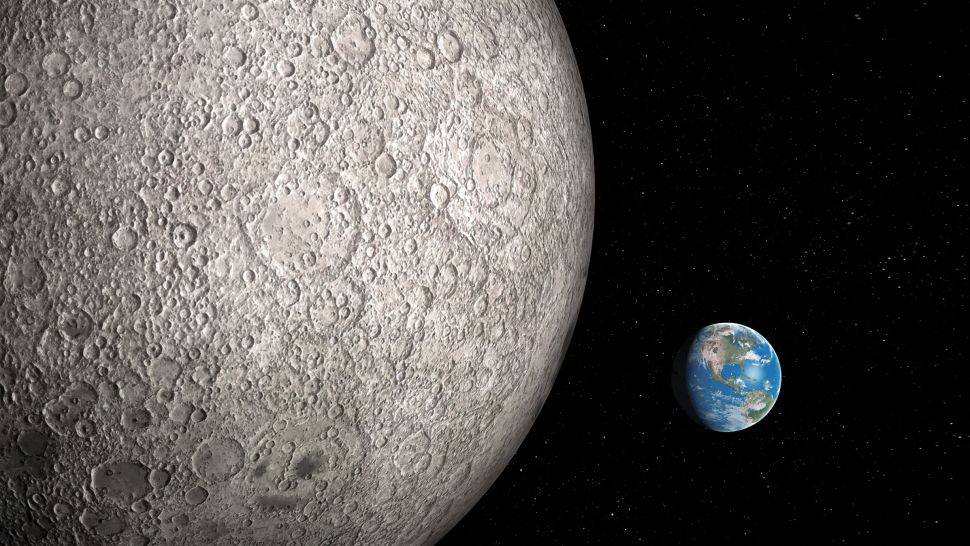
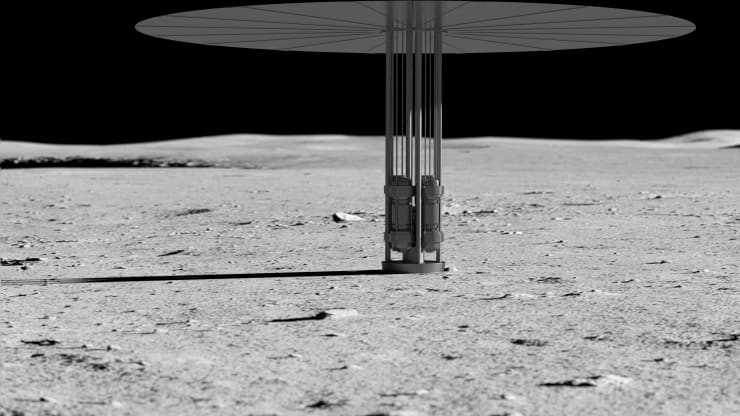
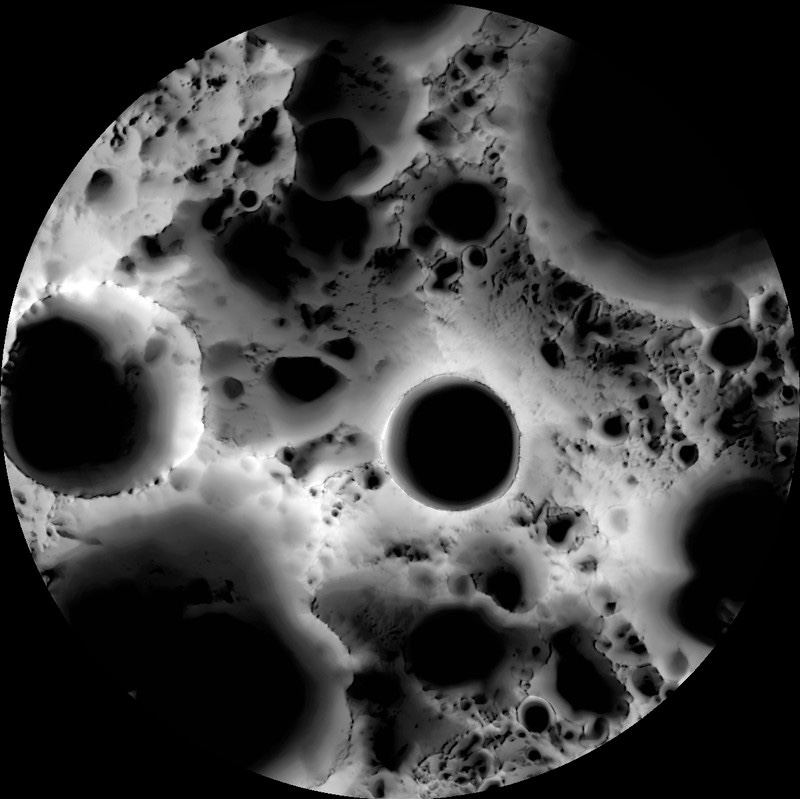
The new research is especially topical given that NASA plans to land humans on the Moon in the 2020s and use lunar resources as part of its Artemis program, prompting thorny discussions about legal and ethical extraction of materials on the Moon.

 M Thomas Apple Author Page