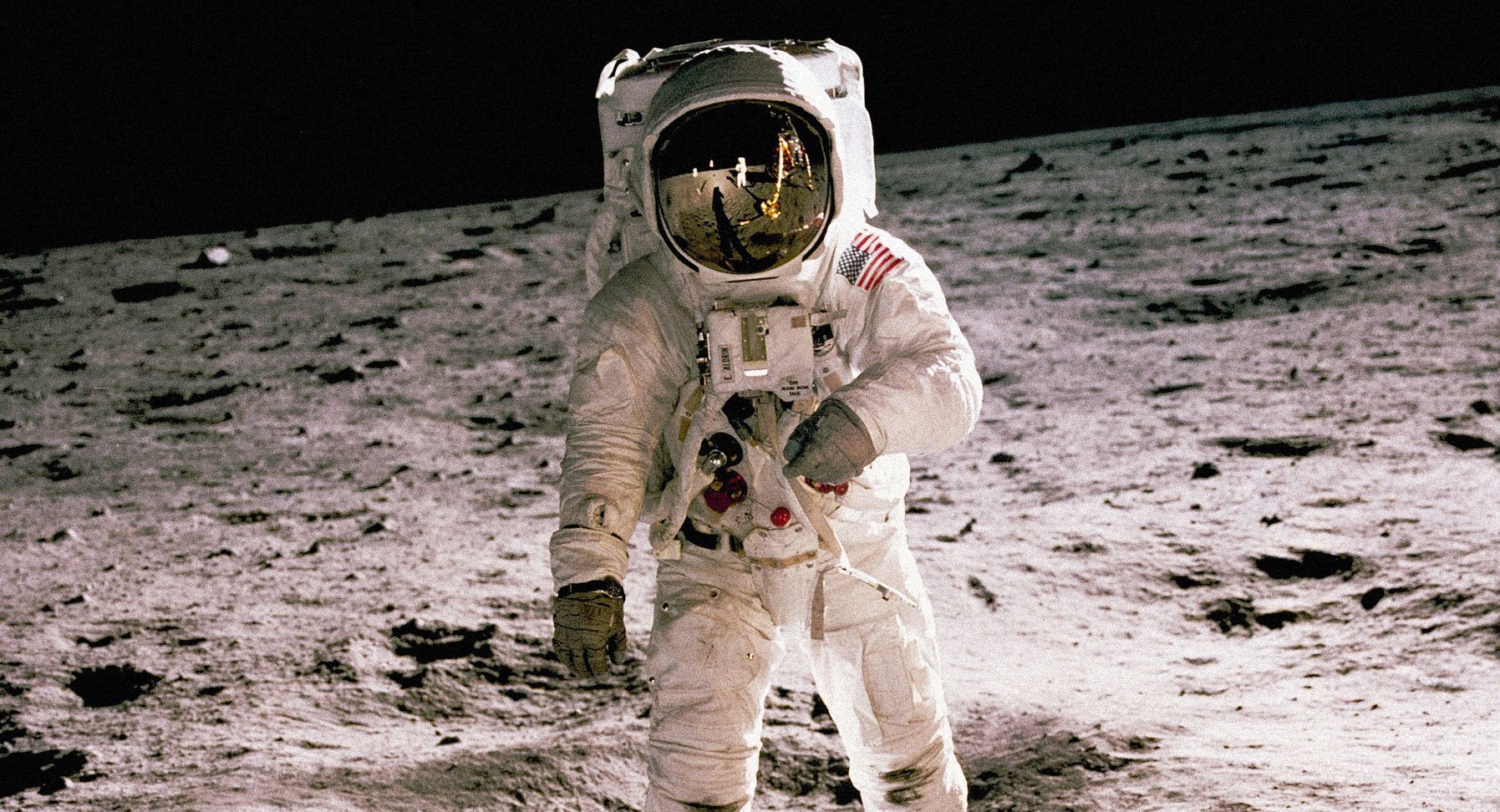
The new research is especially topical given that NASA plans to land humans on the Moon in the 2020s and use lunar resources as part of its Artemis program, prompting thorny discussions about legal and ethical extraction of materials on the Moon.
I get the attraction of people like Steve Jobs and Elon Musk. They have big ideas. They’re enthusiastic, ecstatic, even. They’re great at simplifying difficult concepts and promoting tech to the lay person.
But they’re not creators. They’re “visionaries.”
I.e., salespersons.
Is that a bad thing? Of course not. I was in computer sales once. It was hard. Only the charismatic are good at it. But I didn’t have the knowledge and ability to make the products I was selling, let alone the power to innovate.
Sticking a chip in a person’s brain and sending thousands to the Moon or Mars sound cool. Possible, even.
But science isn’t sales. Someone might die.
Small difference.
We need visionaries, but scientists are more important. Maybe if they talked to each other…
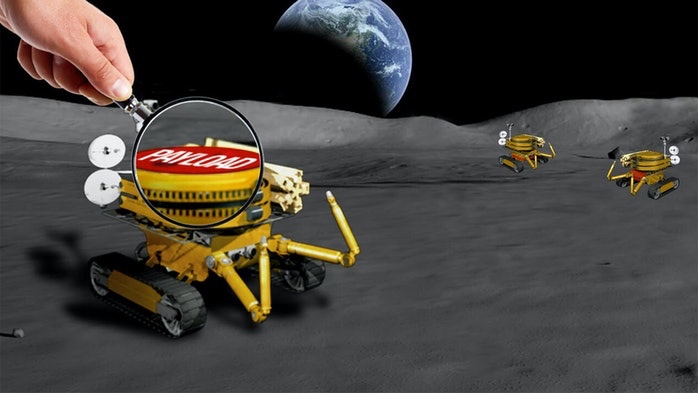
NASA tellsInversethat the payloads will need to measure no more than 100 millimeters by 100 millimeters by 50 millimeters, around the size of a bar of soap. They will also need to weigh no more than 0.4 kilograms (0.88 pounds) and be able to withstand external temperatures between minus 120 degrees Celsius (minus 184 degrees Fahrenheit) and 100 degrees (212 degrees Fahrenheit). These are the maximum limits, but smaller and lighter is preferred.
Yow, that’s wicked tiny. But small price to pay to set up a Lunar Space Base from which humanity can expand into the expanse.
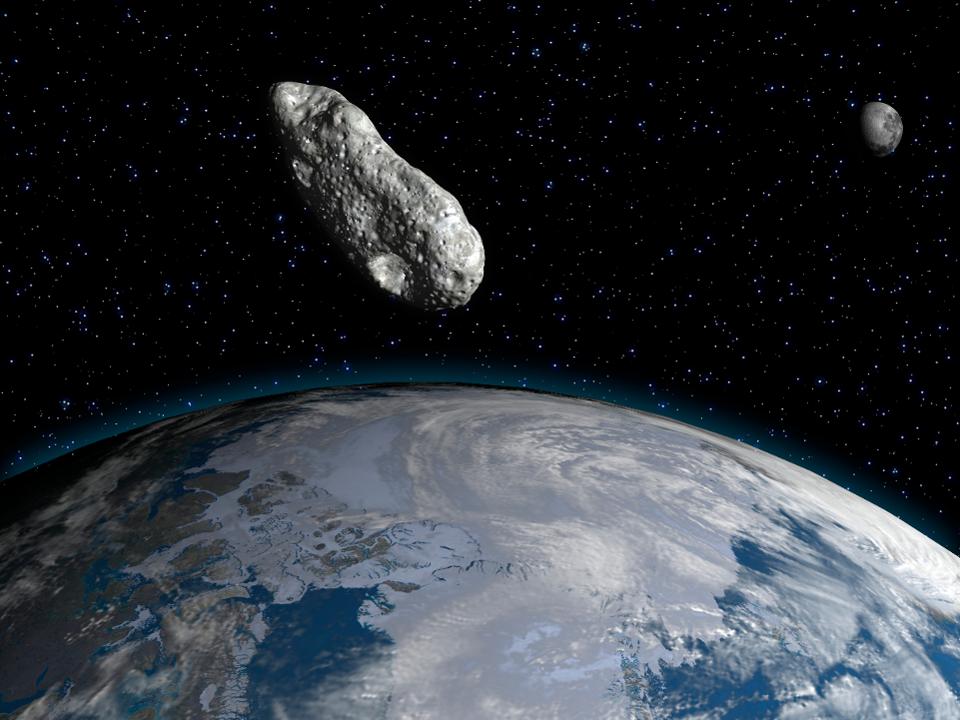
He added that the mini-moon appears to have been orbiting our planet since it was first captured by Earth’s gravity three years ago. Early observations also suggest it is small enough to fit in just about any garage or shed, with an estimated diameter between 2 and 3.5 meters (about 6 – 11 feet).
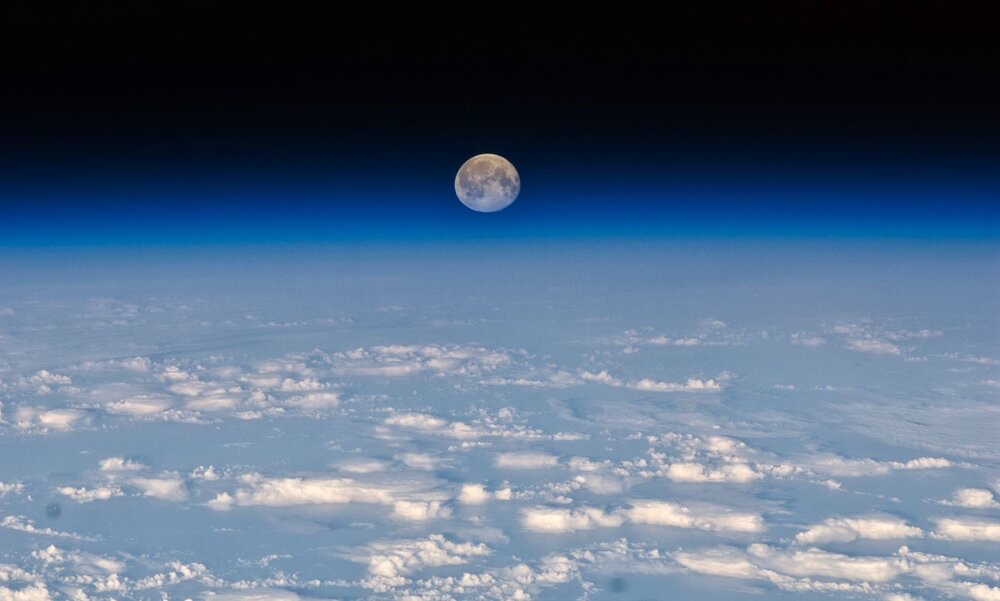
The photo obviously doesn’t match the actual size of this “mini-moon” but you get the idea.
There was another one a few years ago, by the way. It stayed a few months and then got booted out of orbit.
‘As far as audio recordings, we previously had only 48 minutes of off-air audio of the BBC coverage from another source. Now thanks to you we have over eight hours!’
It’s been 50 years since The Eagle landed. There are plenty of existing video and audio recordings from US media sources (like this one on YouTube, clocking in at over 3 hours).
It’s been considerably less time since news recordings of Apollo 11 from *outside* the US were discovered. Just over half a year. Audio only. Bummer. But at least you get a different perspective (always a good thing when it comes to news).
When I was a kid, I devoured books by Jules Verne, in the Classics Illustrated series vocabulary- and grammar-controlled for younger readers.
20,000 Leagues Under the Sea
Voyage to the Center of the Earth
From the Earth to the Moon
Around the World in Eighty Days
Until I was in college, I didn’t even know that he wrote them in French.
Until a few days ago, I didn’t know they were part of a 54-volume set, complete with 4,000 hand-drawn illustrations that are now available online for free.
Future moon settlers might benefit from oxygen extraction from lunar regolith as it can be used to create breathable air as well as a source for fuel. In addition, the newly found extraction method might also be useful for Mars colonization.
Regolith covers the Moon and Mars (and presumably many other potentially habitable rocky bodies).
Of course, the composition of regolith on the Moon differs from that of Mars.
But if the new method can extract sufficient quantities of both oxygen and hydrogen, there should be ample amounts for both human usage and rocket fuel.
(Yawn.) “Dry” science? Sure. But think of the (fictional) possibilities!