M Thomas Apple Author Page

Science fiction, actual science, history, and personal ranting about life, the universe, and everything

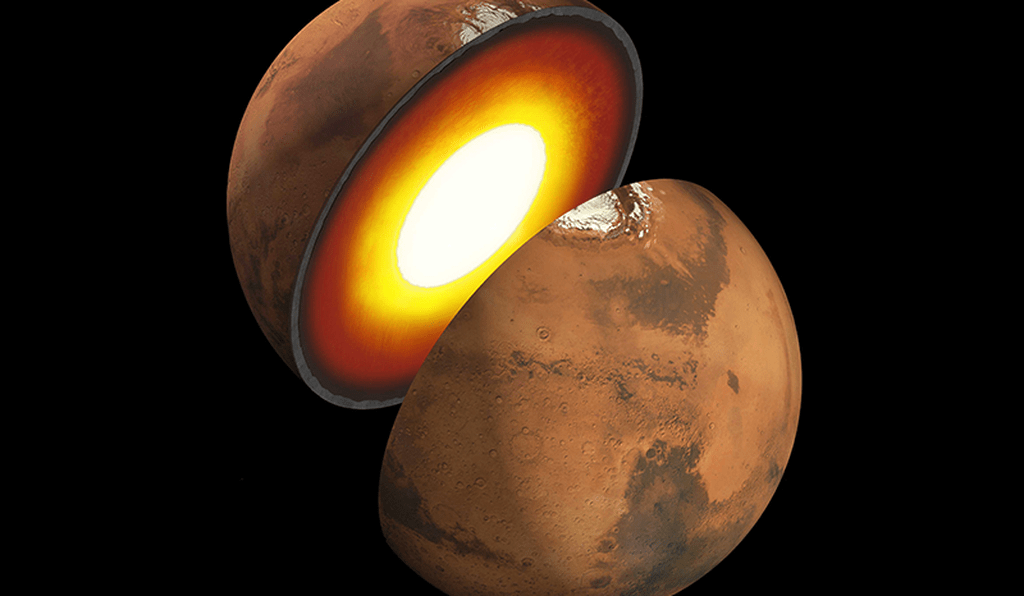
A sneak peek at the inside of the Red Planet

December 18, 2020
MThomas

Despite the lack of large marsquakes, the researchers were able to estimate how thick Mars’ crust is. They predict it has three layers—but possibly two—that are between 12.4 and 23 miles thick, reports Nature. Mars’ crust is considerably thinner than that of Earth, which can be up to 25 miles thick—and that’s surprising, reports Science.

https://www.smithsonianmag.com/smart-news/robotic-explorer-mars-offers-sneak-peek-mars-inner-layers-180976568/

Lots of small “Marsquakes,” but nothing big. Max M4.5.

A techtonically silent world. Might explain the weak magnetic field which allowed solar winds to rip off its atmosphere long ago.

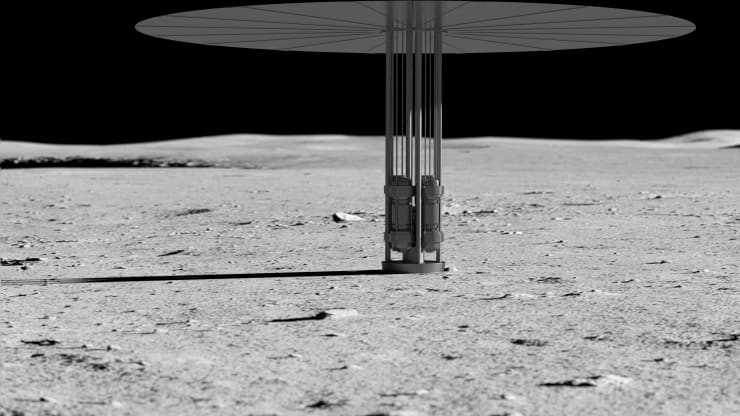
Nuclear power plants in space!

November 30, 2020
MThomas

The proposal is for a fission surface power system, and the goal is to have a flight system, lander and reactor ready to launch by 2026.

https://www.cnbc.com/2020/11/15/why-nasa-wants-to-put-a-nuclear-power-plant-on-the-moon.html

The goal, apparently, is to generate 10 Kw, or about enough to power “five to eight large households.”

Um. That’s not really enough for an actual lunar base. Try again?

Similarities between the human brain and galaxies

November 19, 2020
MThomas

…the team’s results suggest that, while the physical processes that drive the structure of the Universe and the structure of the human brain are extremely different, they can result in similar levels of complexity and self-organisation…

https://www.sciencealert.com/wildly-fun-new-paper-compares-the-human-brain-to-the-structure-of-the-universe?fbclid=IwAR1YjxGSpnNrJbgqRMs6_XNrRjiuloJ792UjzfT3L5NmVEEYxljyVcS4TQ8

As above, so below…

Hey, WordPress, why did you delete my post’s headline?

November 6, 2020
MThomas

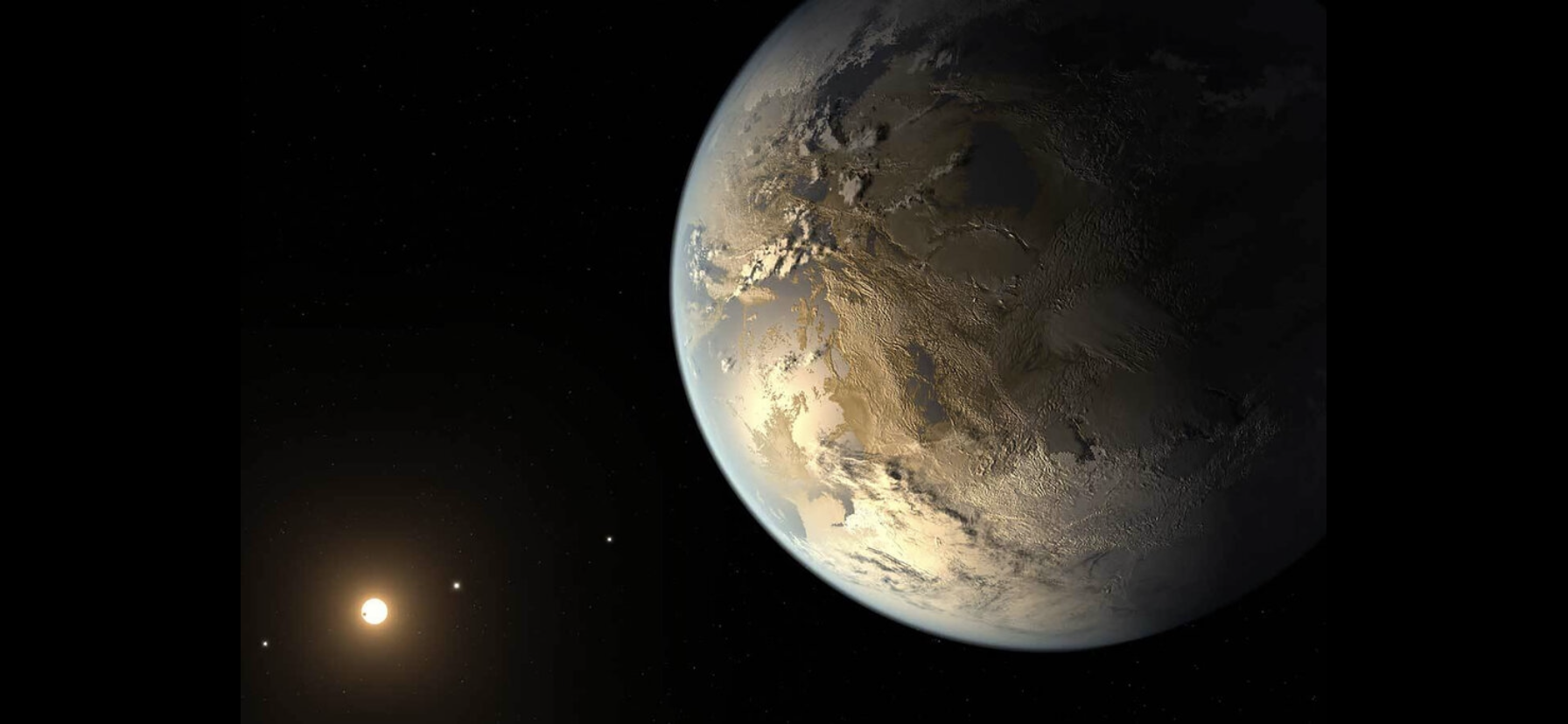
According to NASA estimates there are at least 100 billion stars in the Milky Way, of which about 4 billion are sunlike. If only 7 percent of those stars have habitable planets — a seriously conservative estimate — there could be as many as 300 million potentially habitable Earths out there in the whole Milky Way alone.

https://www.nytimes.com/2020/11/05/science/astronomy-exoplanets-kepler.html

It takes a while to collect, sort through, analyze, write up, endure peer review, and publish data from scientific projects.

That’s why finally we’re seeing this, 11 years after Kepler was launched to scour the galaxy for exoplanets.

Now the real challenge will be figuring out how to get there…

It’s time to move on the next factor in the Drake equation for extraterrestrial civilizations: the fraction of these worlds on which life emerges. The search for even a single slime mold on some alien rock would revolutionize biology, and it is a worthy agenda for the next half-century as humans continue the climb out of ourselves and into the universe in the endless quest to end our cosmic loneliness.

Scientists discover Mars-sized rogue planet wandering the galaxy

November 2, 2020
MThomas

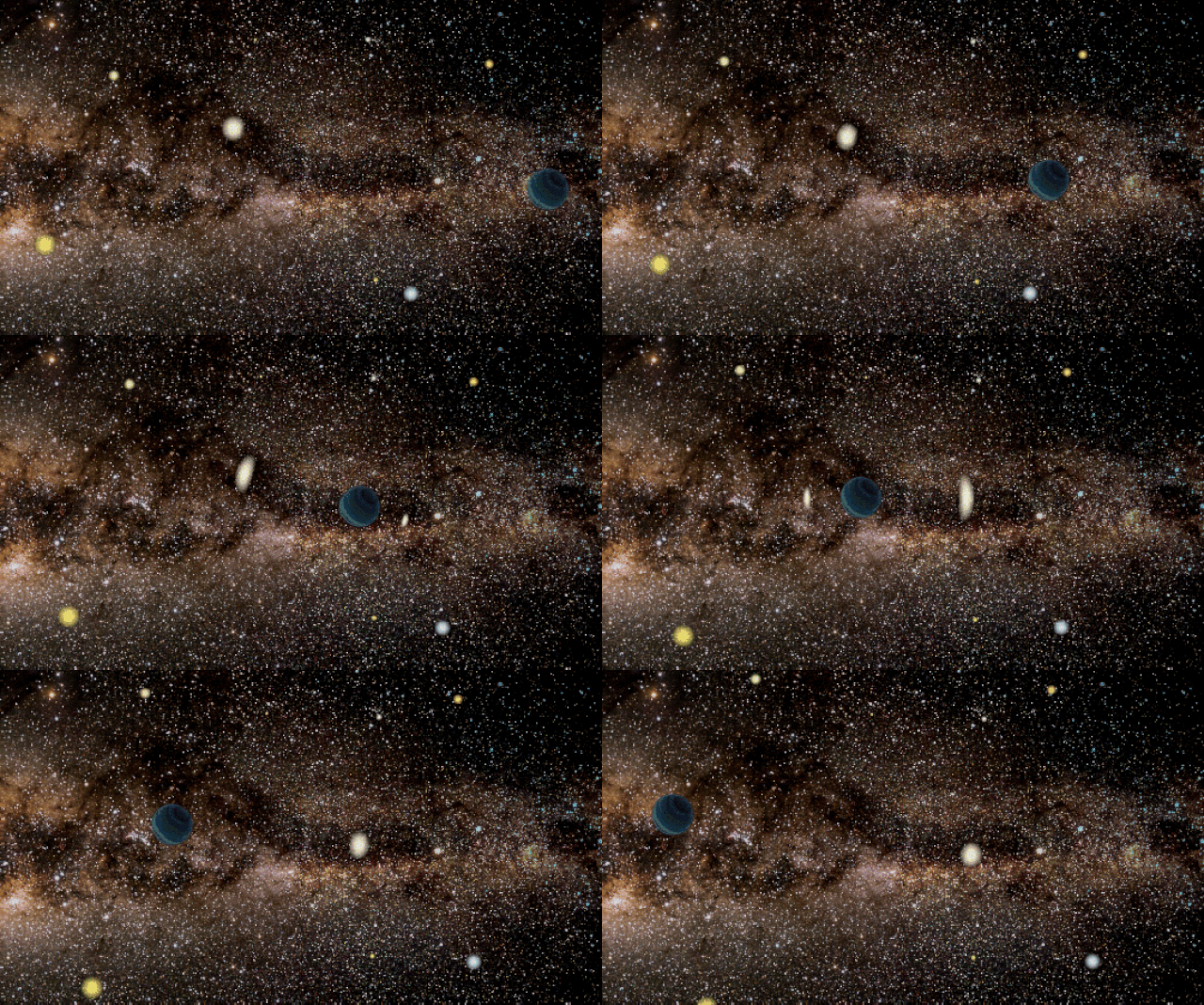
It’s possible our galaxy is filled to the brim with these rogue planets, but this one is particularly unusual for one special reason: it is the smallest found to date — even smaller than Earth — with a mass similar to Mars. 

https://www.cbsnews.com/news/rogue-planet-exoplanet-floating-through-space-discovery-milky-way/

And the video at the top of the page linked above has NOTHING to do with rogue planets.

Sigh.

Psyche! Uh, no, sorry, that’s not really how “value” is determined…

October 30, 2020
MThomas

“Artist’s depiction” = “we don’t really know, actually, but isn’t this cool?”

Even more intriguing, the asteroid’s metal is worth an estimated $10,000 quadrillion (that’s 15 more zeroes), more than the entire economy of Earth.

https://www.usatoday.com/story/news/nation/2020/10/29/metal-asteroid-psyche-nasa-hubble-images/6069223002/

Leave it to USA Today—the paragon of journalistic integrity and unvarnished truth reporting—to grossly exaggerate “value.”

Imagine if someone dumped several hundred thousand tons of nickel and iron on the market?

It would immediately make nickel and iron worthless. Simple supply and demand. So it’s not monetary value that is important.

How do we create vehicles and domiciles for a space-faring future while avoiding the exorbitant cost of getting them into space in the first place? It’s the cost and weight of rocket fuel that’s the issue.

Solution: Build everything in space. No need to bring anything back to Earth.

Not needed now. Maybe someday.

“I can’t believe we pulled this thing off.”

October 21, 2020
MThomas

“The spacecraft did everything it was supposed to do.”

https://www.theguardian.com/science/2020/oct/21/nasa-osiris-rex-spacecraft-lands-on-asteroid-bennu-in-mission-to-collect-dust

Um. OK. That’s some confidence in your own project you got there, dude.

Now all we have to do is wait a couple of weeks to find out if it actually grabbed anything!

Hey, Bennu, gimme a “High-Five”!

October 20, 2020
MThomas

Why are 3D objects always compared to the Empire State Building?

Researchers understand it to be what they call a carbonaceous asteroid, meaning its rocks still retain a lot of the chemistry that was present when the Sun and the planets came into being more than 4.5 billion years ago. Hence the desire to bring some of its material home for analysis in sophisticated Earth laboratories.

https://www.bbc.com/news/science-environment-54592163

If it’s a spinning top, I don’t see how showing it in comparison to the Eiffel Tower will help us understand how big it is…

Then again, usually media compare things like this to a football field (US) or a football pitch (UK). Or they say things like “as long as [insert type of moving vehicle here] end to end.”

Honestly, just say “510 m3” and leave it at that. All we care about is what the probe will do: Vacuum up and bring back at least 60g of materials from the beginning of the solar system.

Now how about THAT, Hayabusa-2?

OK, granted, this is not related to Bennu. And we’re not dragging an asteroid back “in the 2020s” just yet, Spectrum. But it’s still neat. https://spectrum.ieee.org/automaton/robotics/space-robots/heres-how-nasa-will-grab-an-asteroid

“Weird space” beyond the heliosphere

October 3, 2020
MThomas

“When you look at different parts of the electromagnetic spectrum, that area of space is very different from the blackness we perceive with our eyes,” says Michele Bannister, an astronomer at the University of Canterbury in Christchurch, New Zealand, who studies the outer reaches of the Solar System. “Magnetic fields are fighting and pushing and tied up with each other. The image you should have is like the plunge pool under Niagara Falls.”

https://www.bbc.com/future/article/20200908-the-weird-space-that-lies-outside-our-solar-system?ocid=ww.social.link.email

Ever wondered what a lunar eclipse on Mars looks like?

August 29, 2020
MThomas

twitter.com/theplanetaryguy/status/1298728036305719298

Well, now you know. 🤖

Blog at WordPress.com.
The Silmaril Chick

Writing Fanfiction in the worlds of Tolkien and Beyond!

Our Awesome Universe

Learning more about our place in the universe...

TechWordly

Best Tech Gadgets Advise

Weird Science Marvel Comics

Marvel Comics Reviews, Previews and News

Universe discoveries

Writing blogs is miracle I am a writer blogger and my site mission is to give information on maximum information to audiences

Robby Robin's Journey

Reflections of an inquiring retiree ...

Garden Lovers Guide

Bring the Outdoors In, and the Indoors Out

Fox Reviews Rock

Rock & Metal Reviews That Hit Hard

My little corner of the world

Short stories | Reflections | Poetry

Dimmajoblog

Read. Reflect. Grow