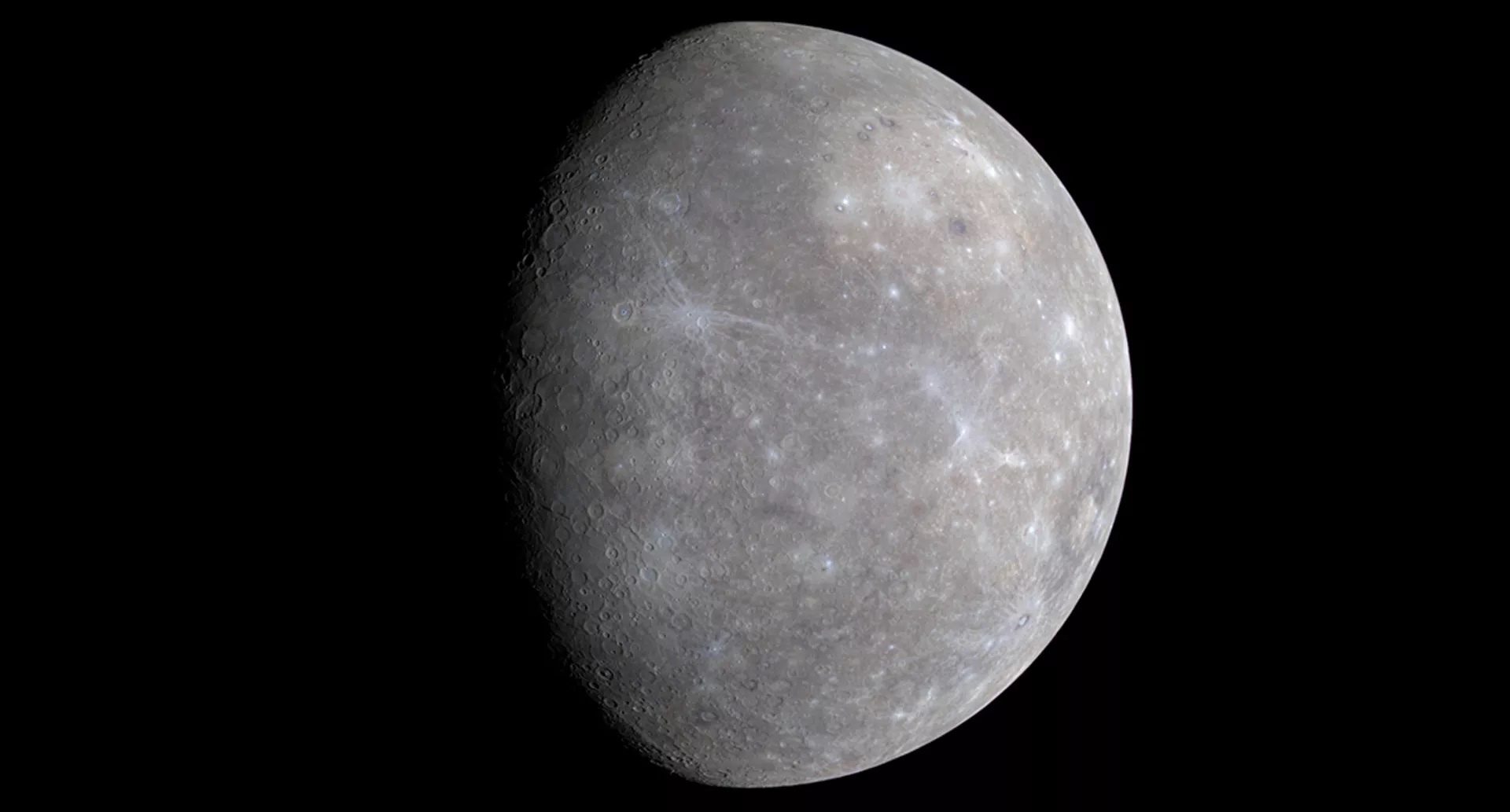
Mercury is a planet that just doesn’t make sense. It’s incredibly small yet hosts a relatively massive core. Mercury is so strange that astronomers have not been able to explain its properties with simulations of the solar system’s formation. But now, researchers have found an important clue, and Mercury’s weirdness appears to be the fault of the giant planets.
Basically, Mercury is nearly as dense as the Earth despite being less than 6% the size. This is due to the gas giants in our solar system yanking material (“planetesimals” and protoplanets) and ejecting it from the solar system, leaving Mercury with very little material left to form itself.
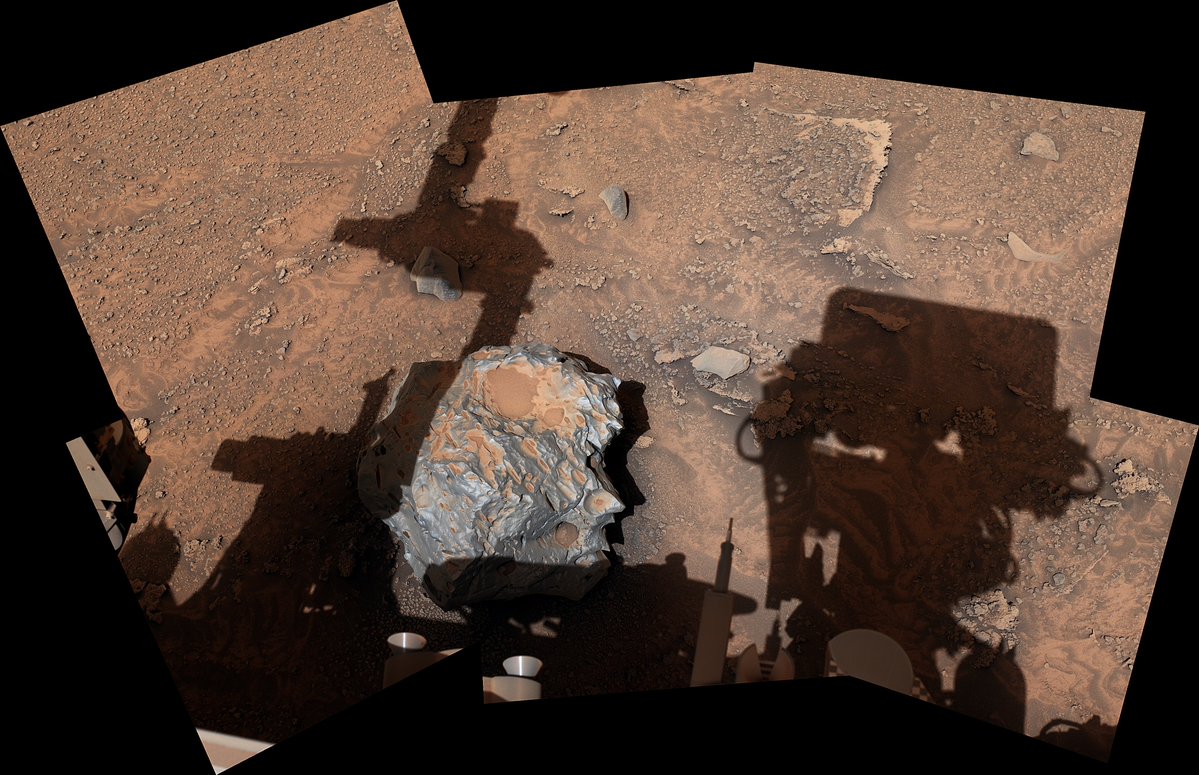
The mysterious object’s lovely silver metallic hue stands out like a sore thumb in the surrounding, rust-colored landscape, a sulfate-bearing region of the Red Planet’s Mount Sharp.
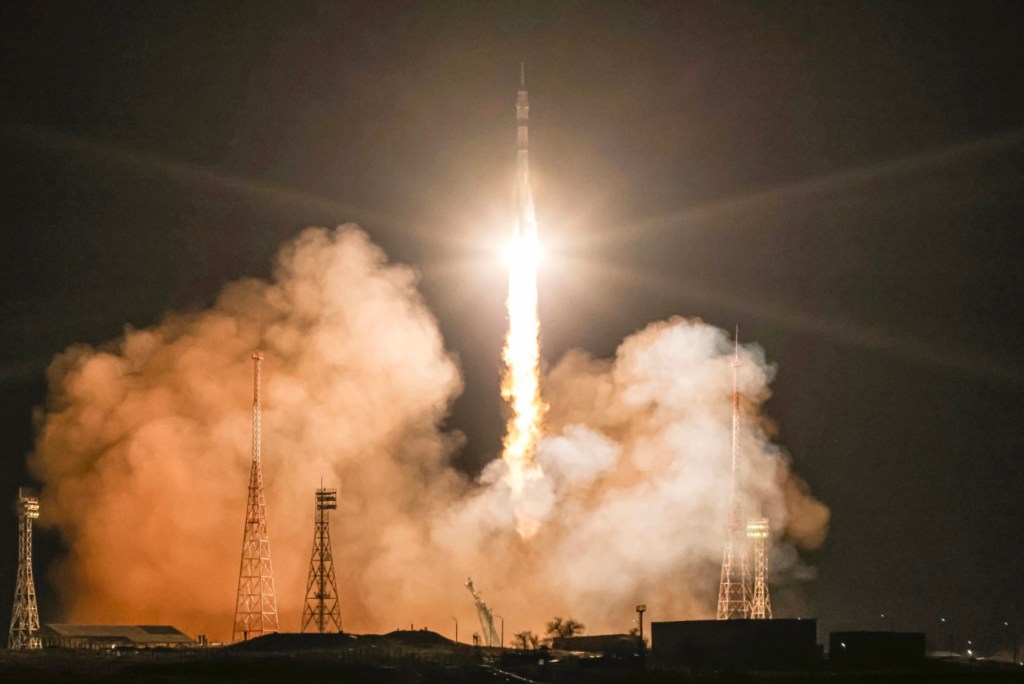
Until the new Soyuz pulls up, emergency plans call for Rubio to switch to a SpaceX crew capsule that’s docked at the space station. Prokopyev and Petelin remain assigned to their damaged Soyuz in the unlikely need for a fast getaway. Having one less person on board would keep the temperature down to a hopefully manageable level, Russian engineers concluded.
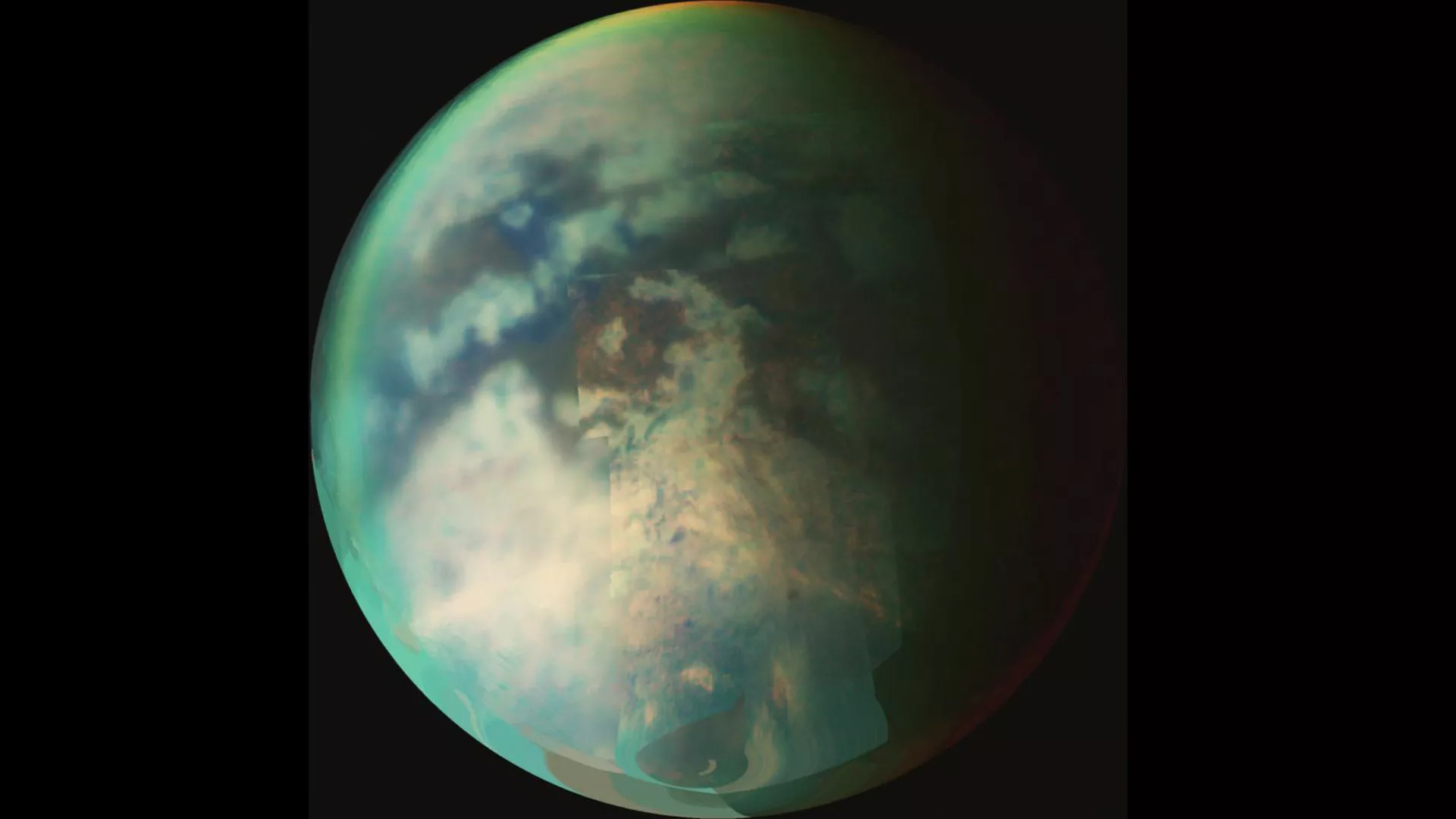
It is this subsurface ocean, or rather its interaction with the ice shell that covers it, that a team of researchers led by the Catholic University of Louvain (UCLouvain) in Belgium hope to better understand. More specifically, they wish to understand how the ocean’s depth and the pressure exerted by the icy shell on the underground water body influence the formation of tidal motions and currents inside of it.
When I first heard of “Attack on Titan,” I was disappointed to learn that it didn’t take place actually on Titan. (The title in English is a mistranslation. It should be “Attack of the Titans” or “The Titans Attack” or even “Attacking Titans,” depending.) In any case, it’s a disgusting manga/anime with nothing to do with the icy moon of Saturn. Except for the name. And even that’s a misuse (they should have used “giant” as the storyline is very loosely based on Ymir and the frost giants of Scandinavian myth).
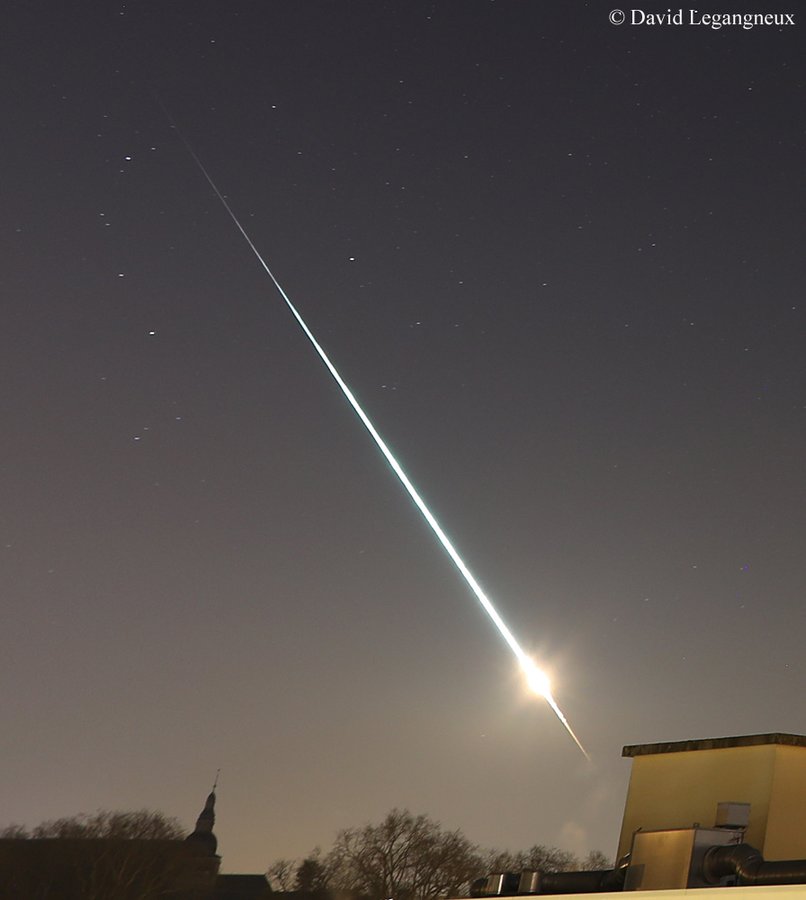
Anyway, “SAR2667” provided some cross-cultural entertainment for people living in England, France, Belgium, and the Netherlands. Lots of photos and videos online.
Interesting note from ESA: they were able to detect it and notify everyone exactly where and when it would disintegrate.
Since there are more than 30,000 of these things that orbit the Sun relatively close to Earth’s orbit, it’s a good thing we’re getting better at detecting them. Maybe we’d better up the ante on deflecting them…
Also, see this one (pay wall, Washington Post) about NASA and DARPA working on one to reach Mars much faster to reduce astronauts’ exposure to radiation.
I still think “durp” every time I see that acronym 😝
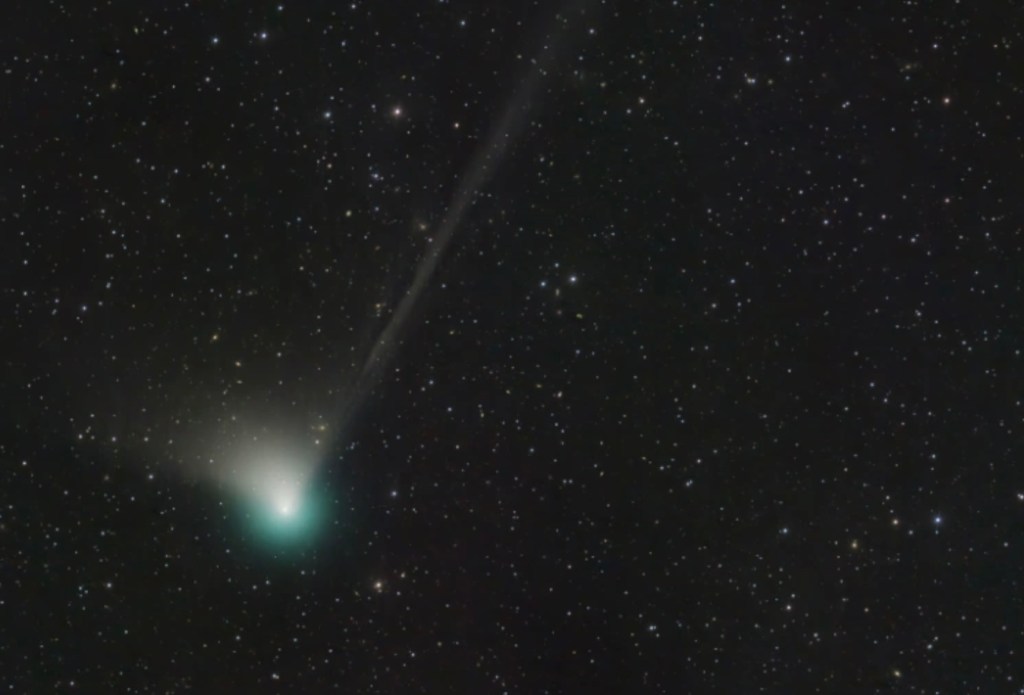
A comet from the outer solar system is set to buzz Earth on Wednesday and skywatchers have a chance to glimpse the celestial object as it journeys through our cosmic neighborhood for the first time in 50,000 years.
If by “Wednesday” you mean “Wednesday in North America. There is no “on Wednesday” worldwide, thanks.
Observers in the Northern Hemisphere should look northeast just after the Moon sets and before dawn. You should be able to see it with a good pair of binoculars.
The last time Comet C/2022 E3 (ZTF) made a visit, Homo sapiens still had Neanderthal neighbors, so this is your one and only! ☄️
An asteroid is on its way to Earth, but don’t worry – the end is here Not here. The asteroid, named 2023 BU, is about the size of a van and is expected to miss our planet during Thursday’s flyby. However, according to a NASA scientist, it will be “one of the closest approaches of a known near-Earth object ever recorded.”
Since the Hayabusa2 returned with the sample from the Ryugu asteroid in December 2020, several important discoveries have been made – most notably analyzes confirming the presence of substances thought to be the building blocks of life on the asteroid, such as liquid water and organics fabrics.
Hayabusa-2 took several years to land on Ryugu (literally “Dragon Palace”), pound out just over 5 grams of asteroid material, and bring it back to Earth (landing in Australia in late 2020).
NASA scientists have confirmed not just frozen water but liquid — inside crystals called pyrrhotites. JAXA scientists (pictured above with Prof Tsuchiyama of Ritsumeikan University, my main employer!) continue to check the density of the samples.
The water is similar to the carbon dioxide-laden water of hot springs. The research teams have already discovered over 20 amino acids, the basic protein building blocks of carbon-based life.
Another theory called “panspermia” proposes that a key mineral (boron) missing on early Earth came in an asteroid from Mars. ☄️ Hmm. Did Mars produce asteroids? Or more like asteroids hit Mars and broke off lots of tiny fragments? That somehow survived the journey to Earth?
Seems a little unlikely. But there is now evidence that at least some proteins came from space rocks.
So, sorry, Ridley. This isn’t how it happened. Cool movie, though.
Though definitions sometimes differ, cislunar space generally refers to the space between Earth and the moon, including the moon’s surface and orbit. Any nation or entity that aims to establish a presence on the moon, or has ambitions to explore deeper into the solar system, has a vested interest in operating in cislunar space, either with communication and navigation satellites or outposts that serve as way stations between Earth and the moon.