Using blobs of skin cells from frog embryos, scientists have grown creatures unlike anything else on Earth, a new study reports. These microscopic “living machines” can swim, sweep up debris and heal themselves after a gash.
“Many people in the field of science are aware of the Alcubierre Drive and believe that warp drives are unphysical because of the need for negative energy,” said Alexey Bobrick, scientist and astrophysicist at Lund University, according to a press release. “This, however, is no longer correct.”
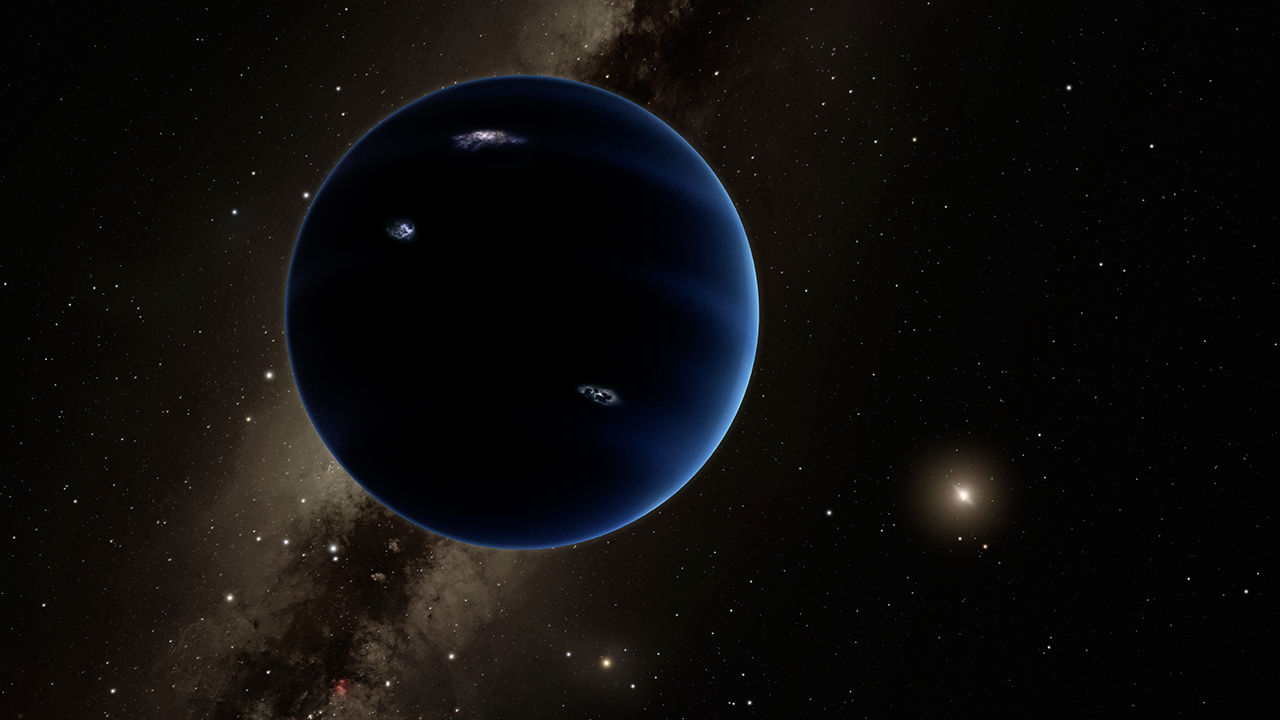
Critics of the Planet Nine claim said the apparent clustering of the discovered TNOs might only be because that’s where telescopes were looking or were most sensitive.
If you are looking to find evidence to prove your theory, it’s much easier to find what you’re looking for.
You should instead try to find evidence to disprove your theory, and then ask at least two more people you don’t know (or even better, generally disagree with) to try to find evidence to support your theory.
“Seek and ye shall find” is a terrible way to support a claim. Have the courage to challenge your beliefs.
Also, it’s Planet X, not 9. Pluto is a planet. So there, Neil deGrasse Tyson. :-p
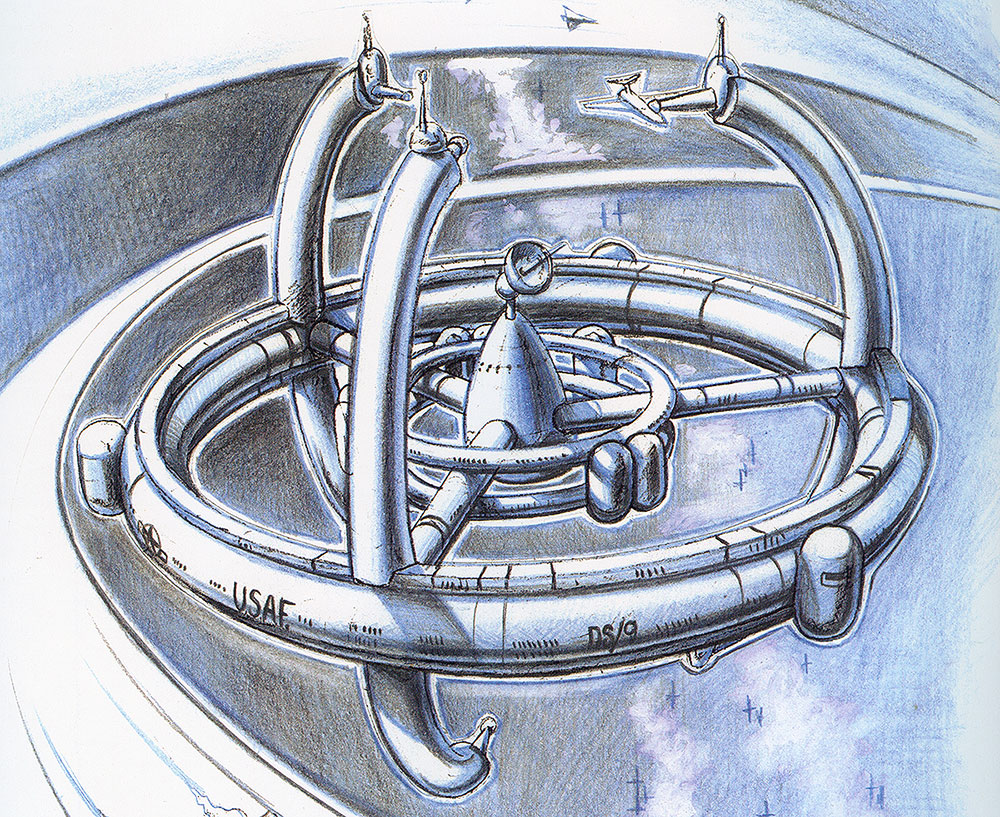
On February 9, 1998, Star Trek Deep Space 9 broadcast one of the most important episodes in the entire history of the franchise.
And what it said about society back in 1953 was just as relevant as for 1998. And perhaps even more important for 2021.
Others have written more eloquently about the plot line, the characterizations, the background, the actors (Avery Brooks directed himself, and his performance should have earned him an Emmy). So I’ll just link to:
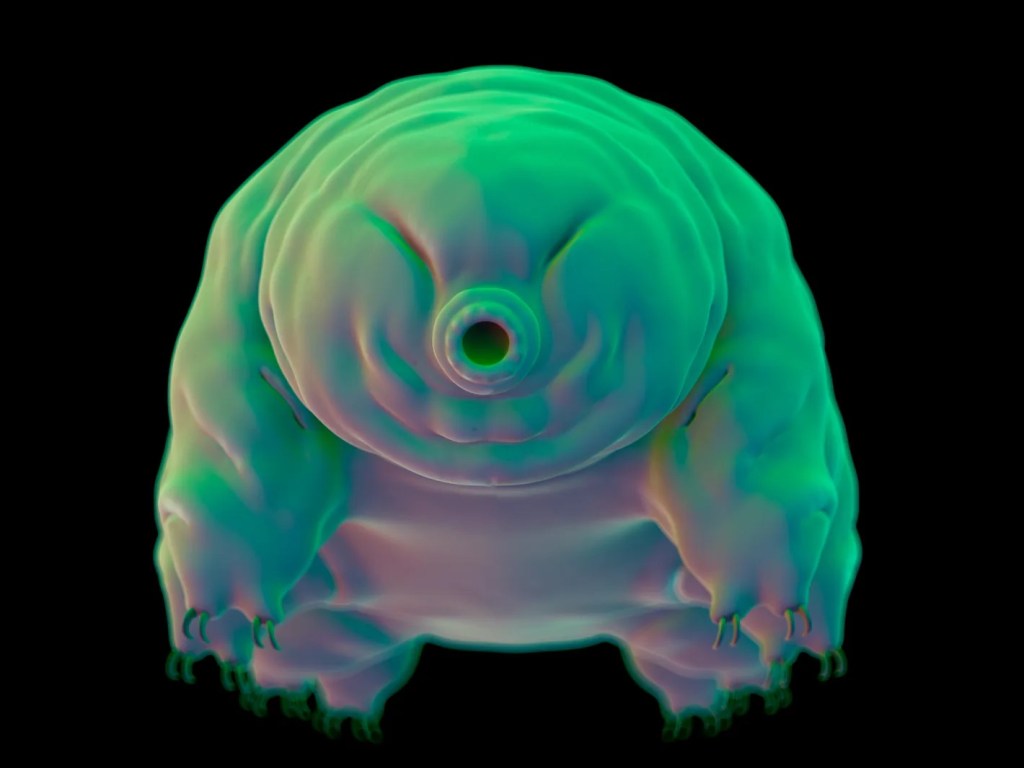
Despite the impact, scientists believe that if anything survived the crash intact, it may well have been the tardigrades. The microscopic creatures were sandwiched between micron-thin sheets of nickel and suspended in epoxy, a resin-like preservative that acts like a jelly — potentially enough to cushion their landing.
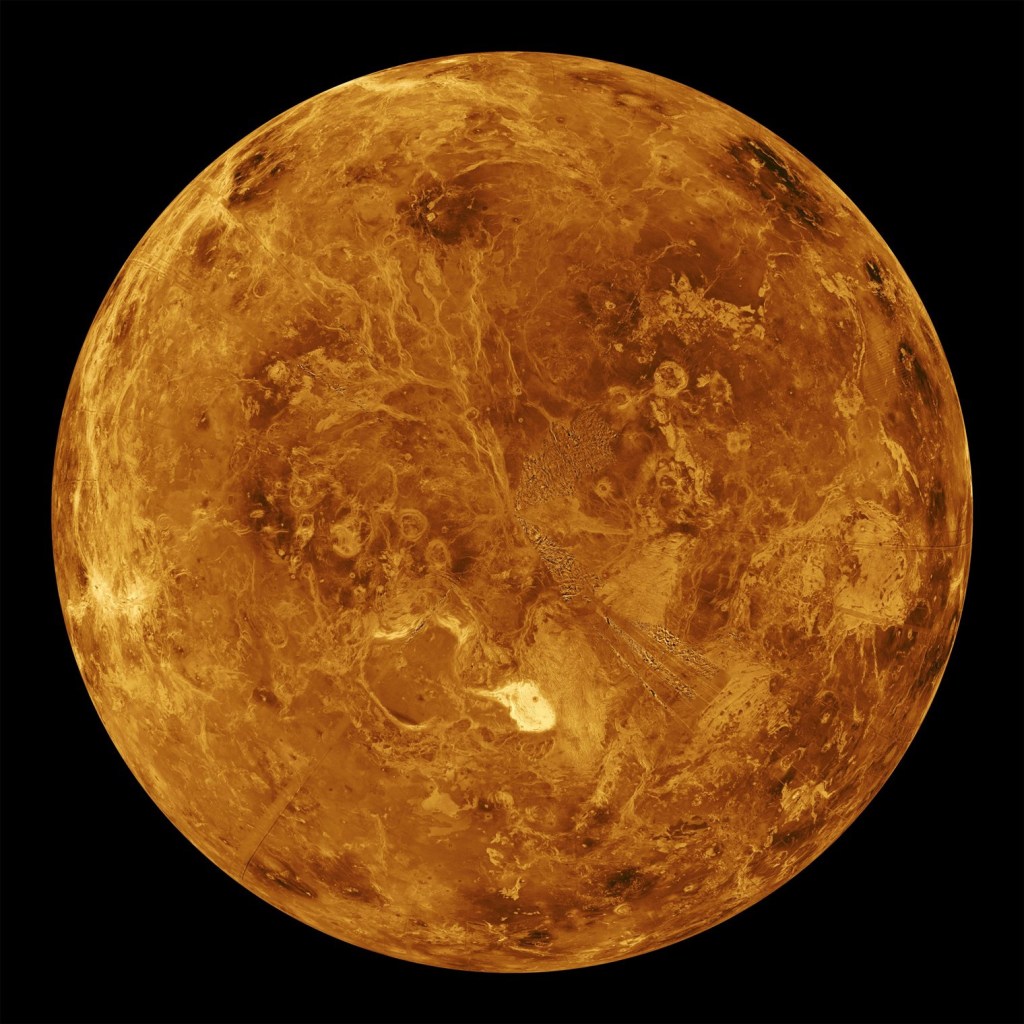
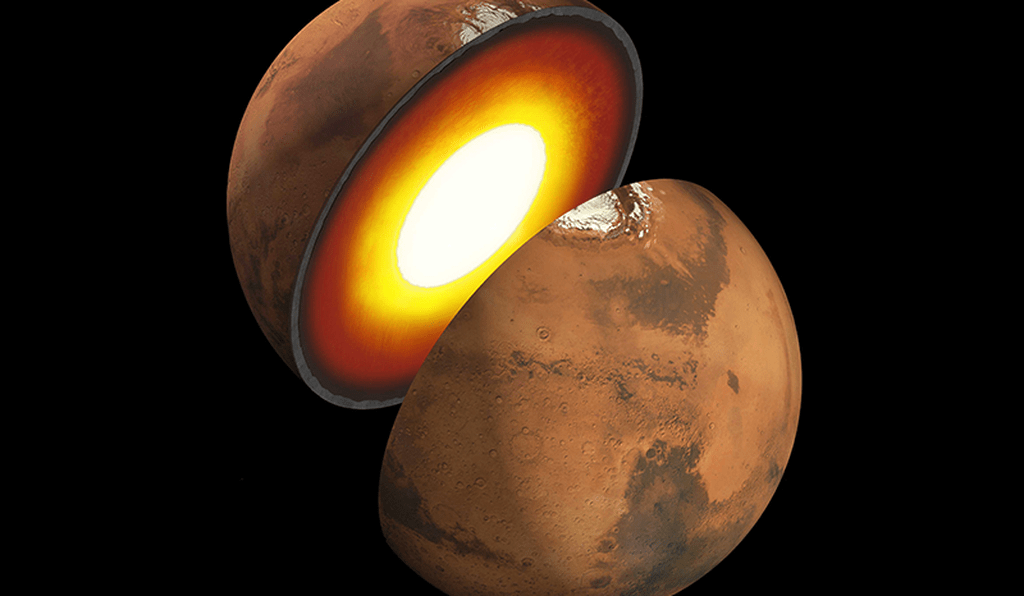
Despite the lack of large marsquakes, the researchers were able to estimate how thick Mars’ crust is. They predict it has three layers—but possibly two—that are between 12.4 and 23 miles thick, reports Nature. Mars’ crust is considerably thinner than that of Earth, which can be up to 25 miles thick—and that’s surprising, reports Science.
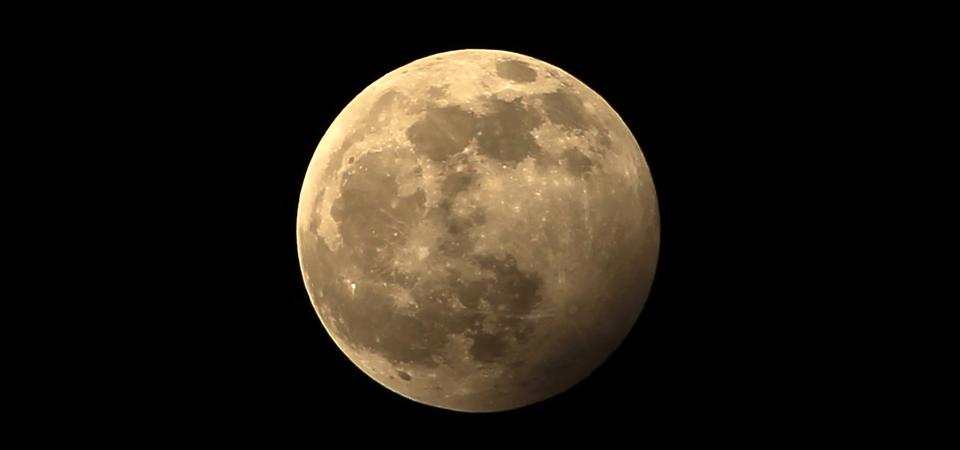
Visible from the Americas, Australia and Asia, the “Beaver Moon” will pass through Earth’s outer shadow (penumbra) at 07:32 Universal Time, causing a slight penumbral lunar eclipse that will see 83% of the Moon visibly darken at 9:42 Universal Time…