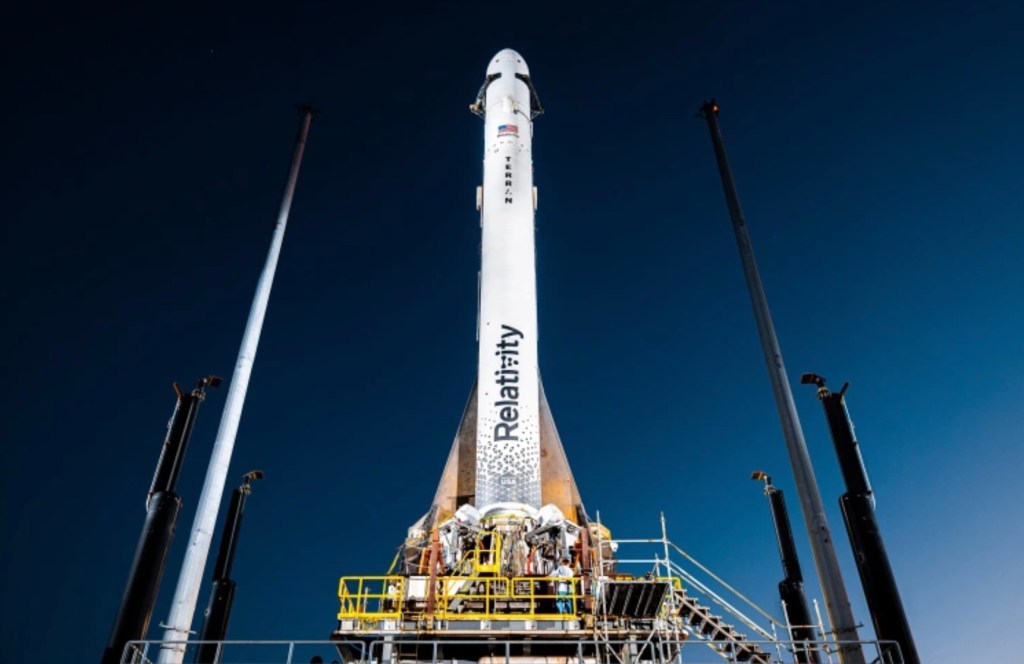
With just over a minute to go before liftoff, a California aerospace startup opted to stand down from launching the world’s first 3D-printed rocket on its inaugural test flight.
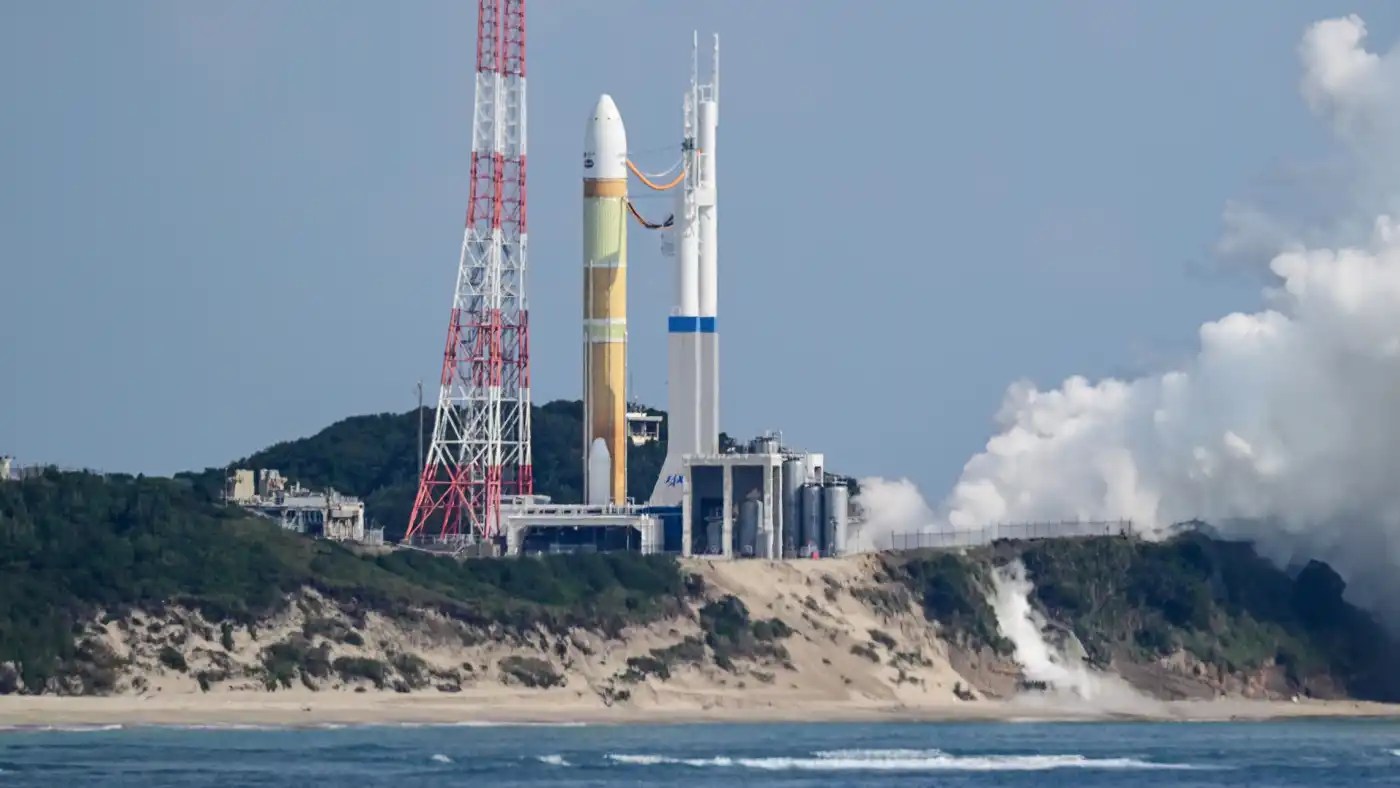
At least unlike the spectacular self-destruction of JAXA’s H3 this past Tuesday (Monday, Japan time), the team testing the California rocket wisely decided that it’s not a bright idea to stick a billion dollar satellite on an untested rocket. Repeatedly.
I’m beginning to feel that using 3D printed parts may not be the way to go with rocket engines…
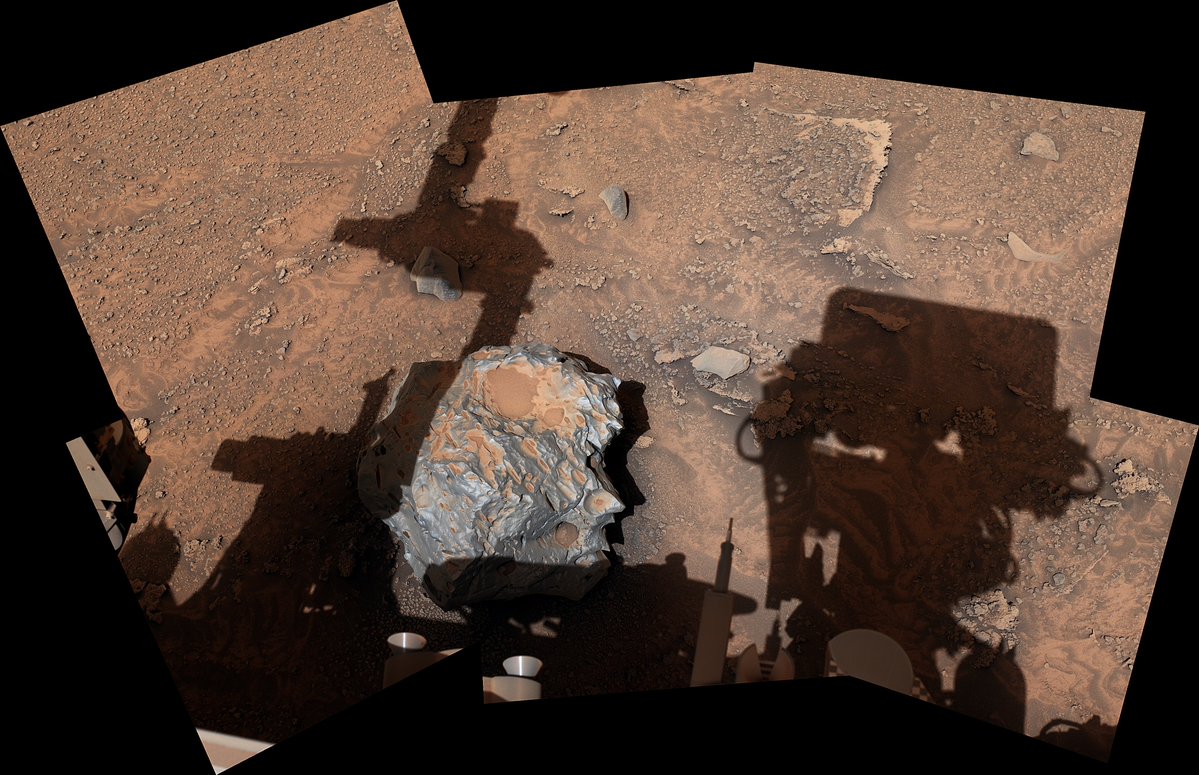
The mysterious object’s lovely silver metallic hue stands out like a sore thumb in the surrounding, rust-colored landscape, a sulfate-bearing region of the Red Planet’s Mount Sharp.
“I’m less frightened by a Sydney that’s playing into my desire to cosplay a sci-fi story than a Bing that has access to reams of my personal data and is coolly trying to manipulate me on behalf of whichever advertiser has paid the parent company the most money.
“Nor is it just advertising worth worrying about. What about when these systems are deployed on behalf of the scams that have always populated the internet? How about on behalf of political campaigns? Foreign governments? “I think we wind up very fast in a world where we just don’t know what to trust anymore,” Gary Marcus, the A.I. researcher and critic, told me. “I think that’s already been a problem for society over the last, let’s say, decade. And I think it’s just going to get worse and worse.”
At liftoff time, smoke was seen rising from the bottom of the rocket, indicating the ignition of the main engine. However, the rocket did not rise from the launchpad.
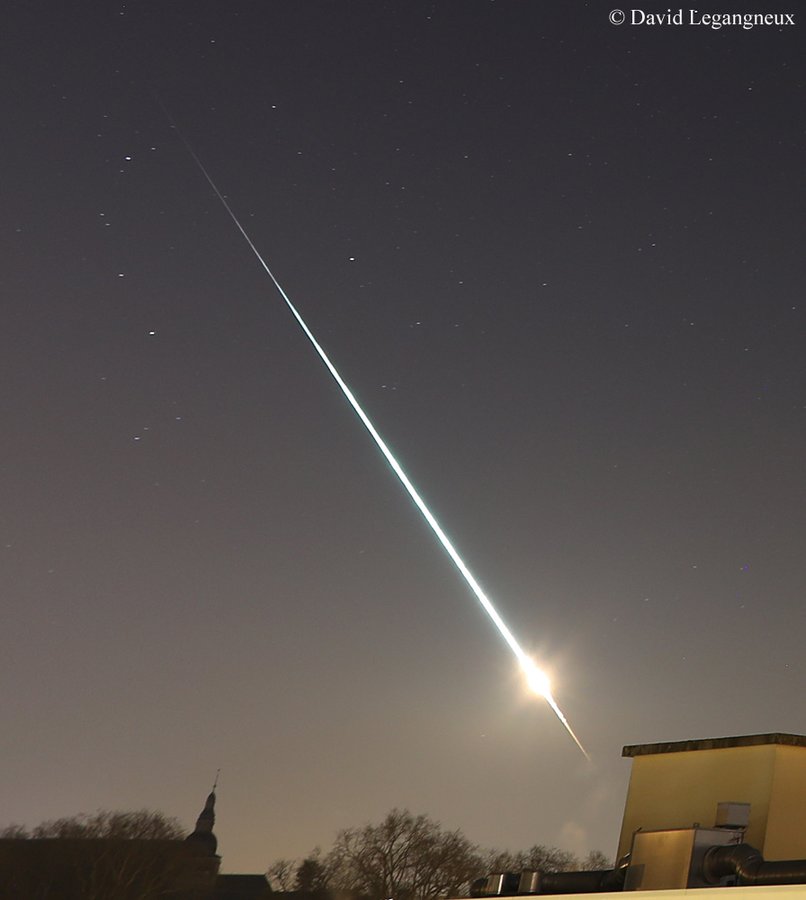
Anyway, “SAR2667” provided some cross-cultural entertainment for people living in England, France, Belgium, and the Netherlands. Lots of photos and videos online.
Interesting note from ESA: they were able to detect it and notify everyone exactly where and when it would disintegrate.
Since there are more than 30,000 of these things that orbit the Sun relatively close to Earth’s orbit, it’s a good thing we’re getting better at detecting them. Maybe we’d better up the ante on deflecting them…
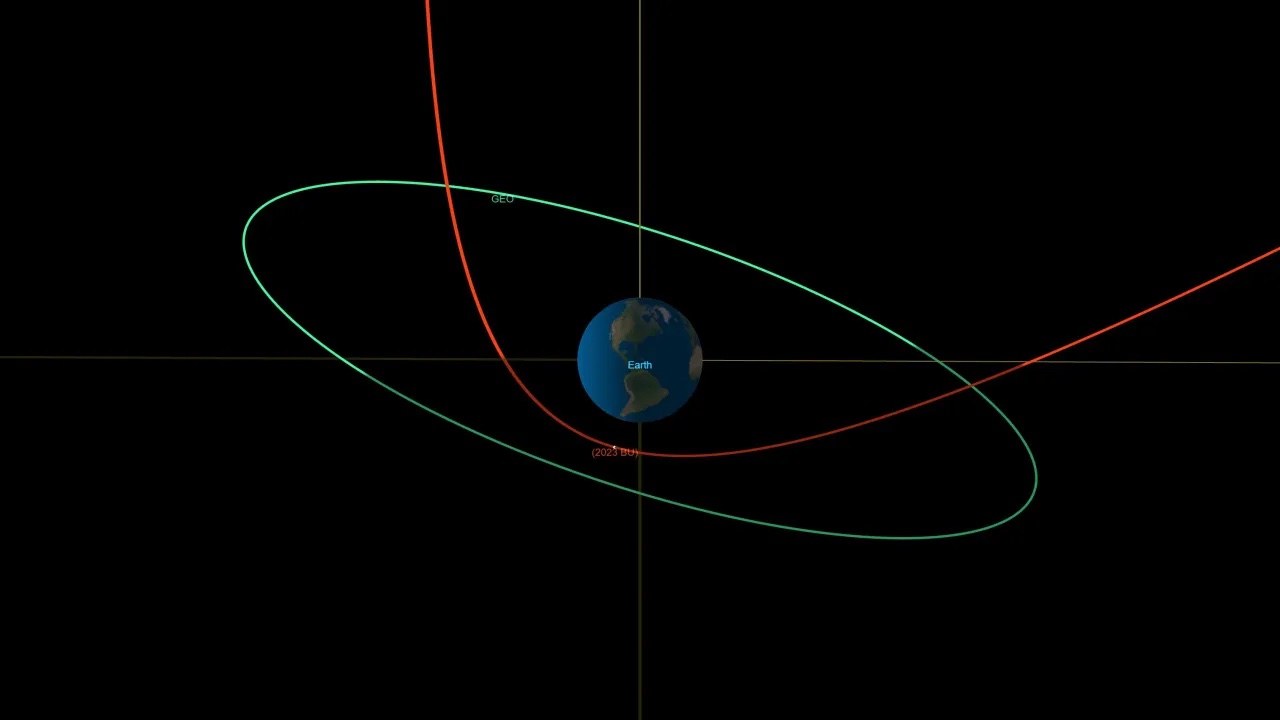
An asteroid is on its way to Earth, but don’t worry – the end is here Not here. The asteroid, named 2023 BU, is about the size of a van and is expected to miss our planet during Thursday’s flyby. However, according to a NASA scientist, it will be “one of the closest approaches of a known near-Earth object ever recorded.”
“Embedding a similar type of computer in a soldier’s brain could suppress their fear and anxiety, allowing them to carry out combat missions more efficiently.”
Sounds like science fiction, but it’s pretty close to reality. BCI (brain computer interface) is being tested in patients who lack muscle control but imagine if this tech gets weaponized (and what hasn’t been, eventually).
But what if BCI were used to suppress emotions in a healthy brain? Or used to implant thoughts? Or worse?
“…if a BCI tampers with how the world seems to a user, they might not be able to distinguish their own thoughts or emotions from altered versions of themselves…”
(same website as above…note that the PC version of WordPress does not do “quotations” correctly any more…)
PKD fans will instantly recognize this.
Androids don’t just dream of electric sheep. 🐑
(Fans of Ghost in the Shell and more importantly its movie sequel Innocence should also recognize the potential hacking danger…imagine if the government could control our emotions, thoughts, and memories…)
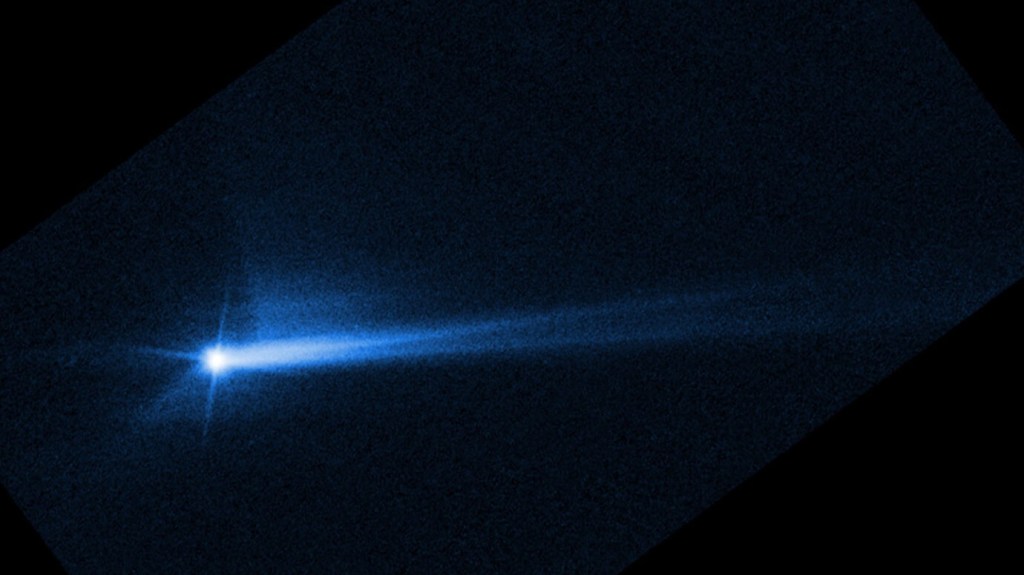
A change of 32 minutes in orbit — but only 4% of the total orbital period. To deflect an asteroid away from Earth, it’d better be done several years in advance. 🌏
Ya know, I’m pretty sure we need to figure out “this whole food-air deal” first (to quote comedian Bill Hicks).
“The US space agency confirmed that there were currently no plans for a field or project office to explore the topic in any detail but that could change as we get closer to putting humans on Mars.“