“Embedding a similar type of computer in a soldier’s brain could suppress their fear and anxiety, allowing them to carry out combat missions more efficiently.”
Sounds like science fiction, but it’s pretty close to reality. BCI (brain computer interface) is being tested in patients who lack muscle control but imagine if this tech gets weaponized (and what hasn’t been, eventually).
But what if BCI were used to suppress emotions in a healthy brain? Or used to implant thoughts? Or worse?
“…if a BCI tampers with how the world seems to a user, they might not be able to distinguish their own thoughts or emotions from altered versions of themselves…”
(same website as above…note that the PC version of WordPress does not do “quotations” correctly any more…)
PKD fans will instantly recognize this.
Androids don’t just dream of electric sheep. 🐑
(Fans of Ghost in the Shell and more importantly its movie sequel Innocence should also recognize the potential hacking danger…imagine if the government could control our emotions, thoughts, and memories…)
A change of 32 minutes in orbit — but only 4% of the total orbital period. To deflect an asteroid away from Earth, it’d better be done several years in advance. 🌏
Ya know, I’m pretty sure we need to figure out “this whole food-air deal” first (to quote comedian Bill Hicks).
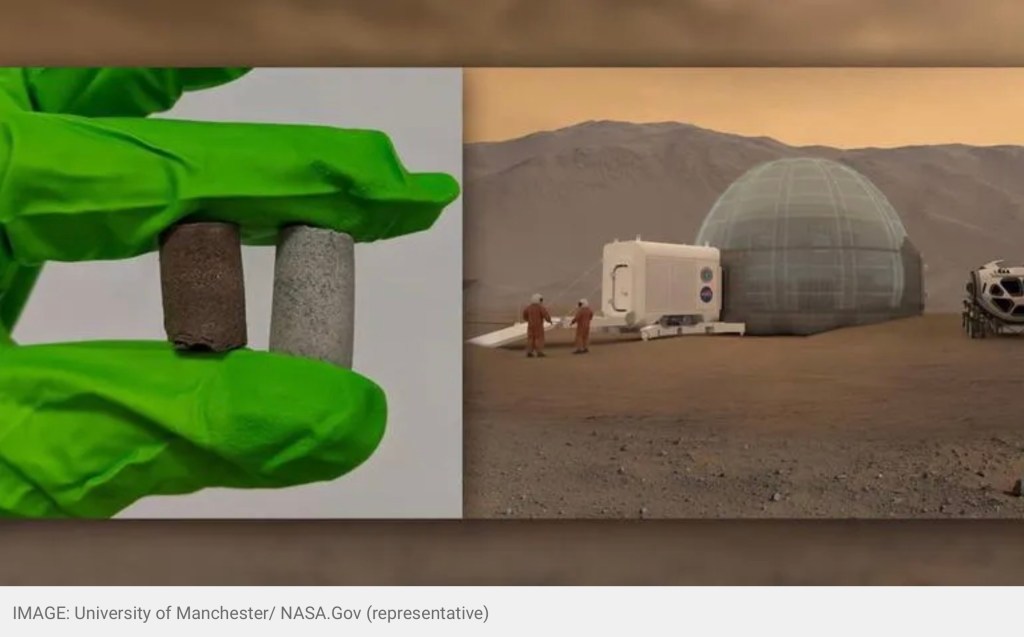
“The US space agency confirmed that there were currently no plans for a field or project office to explore the topic in any detail but that could change as we get closer to putting humans on Mars.“
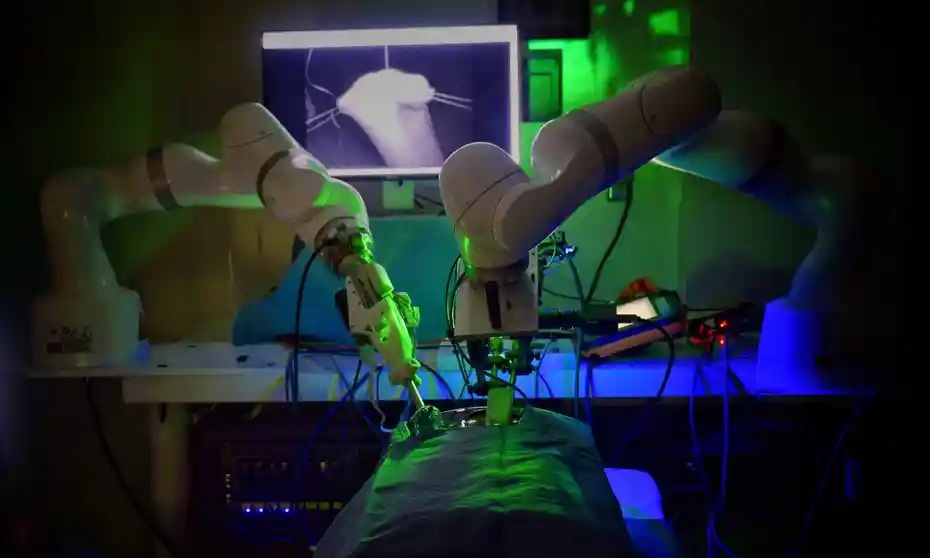
They slice. They dice. They perform complicated microsurgery without the aid of doctors…
US researchers say a robot has successfully performed keyhole surgery on pigs all on its own – without the guiding hand of a human. Furthermore, they add, the robot surgeon produced “significantly better” results than humans.
Over the years, the SAA has been responsible for several spacecraft failures and even dictates when astronauts can and can’t perform spacewalks. As the space around Earth becomes filled with an increasing number of craft, what does the SAA mean for the future of spaceflight?
This post is from back in February 2021, but I just stumbled across it this morning and thought it was an interesting read.
Learn something new every day!
This part caught my eye…
Radiation is a colorless, tasteless, and odorless enemy…
…and I couldn’t help thinking…
Iocaine powder?!?
It’s okay. I’m immune 😂
Anyway, the article linked above is food for thought. Whenever electronic objects pass through the SAA, which is where the loops of the Van Allen Belt dip perilously close to the Earth, the electronics get a massive amount of radiation and go haywire.
Seriously expensive to shield stuff up there — and as more and more satellites (and people) go up, so does the risk.
Also the next one after that. And the one after that.
It’s been a very tiring summer so far.
(For starters, we STILL don’t have enough Pfizer or Moderna vaccines, doses are get wasted left and right as the elderly randomly cancel reservations and the bureaucratic pinheads in charge refuse to give them to others, and several students at my school went out drinking and guess what happened…)
I haven’t even posted any science news lately.
But I promise that I’ll make up for it. Soon.
In the meantime, here’s a neat little article about some wild theories of the universe, starting with the Brane Universe and the Big Splat.
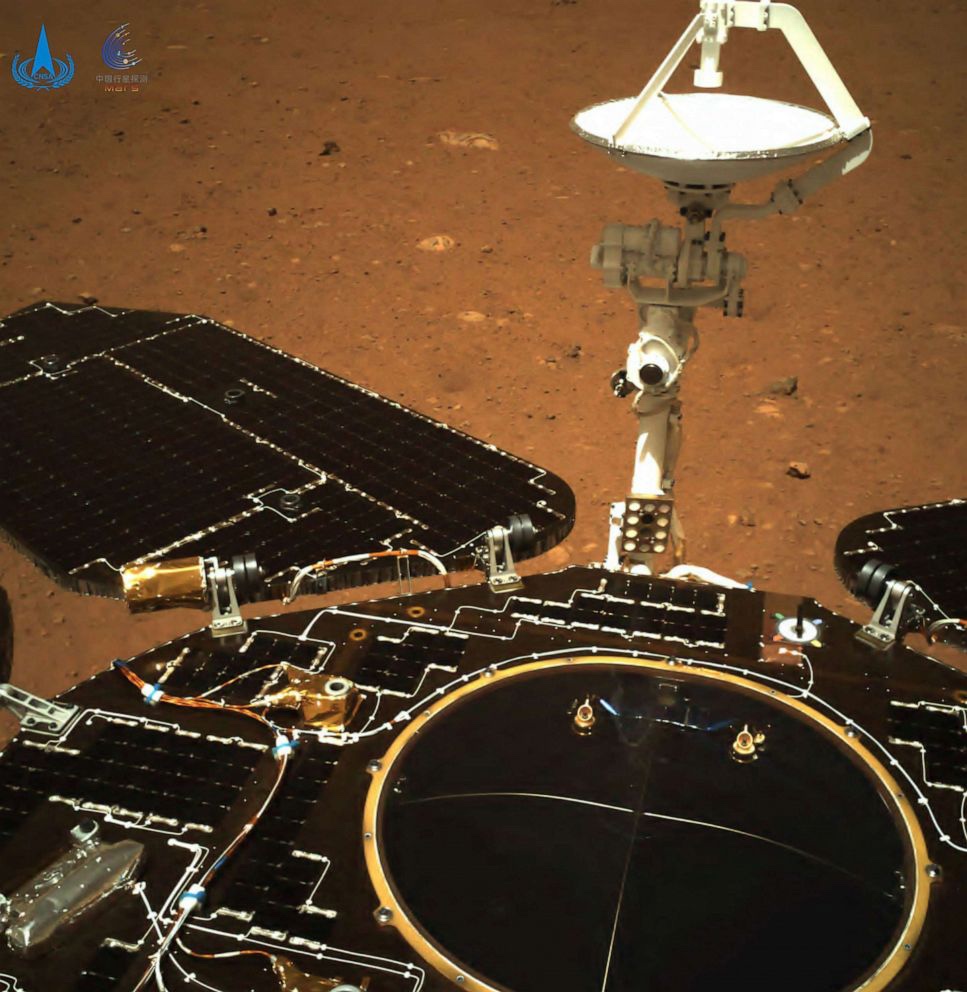
China’s plan calls for setting up a permanently occupied base and a fleet of interplanetary craft. Probably it’s a good idea to first see whether it can meet its goal of landing people on Mars in 2033.
Of course, China is “willing to join hands with our counterparts and partners all over the world,” but it’s unlikely NASA, JAXA, ESA, and the UAE and other countries not named Russia will “cooperate.”
The next space race is here. Just wait until multinats actually decide asteroid mining is worth the risk and expense.
It’s becoming increasingly common to see social media posts claiming that the mRNA COVID-19 vaccines, which include those made by Pfizer and Moderna, could alter a person’s DNA. Some posts even suggest that nano-machines are being injected into the body.
Yeah, I’ve seen some of these posts. Talked to a neighbor who was convinced Bill Gates was trying to inject us all with a chip to control our minds.
Is there any truth to these rumours? Could an mRNA vaccine be modifying your DNA?
No.
(Read the linked Cosmos article for more details!)
Actually, all you need to do is use logic and reasoning, apply some critical thinking, and demand lots of science-based evidence.
It’s called the Baloney Detection Kit and was introduced in a Cornell University undergraduate course about critical thinking and the scientific method by astrophysicist Carl Sagan.
The link above to the kit also outlines some of the most important logical fallacies to avoid, with number 8 and 9 being the most difficult to explain and convince people about (because they involve education about basic statistics).
So will this convince anti-vaxxers who make outlandish claims online?