This family of comets originated from a large parent comet that broke up into smaller fragments well over a thousand years ago. The sungrazers continue to orbit around the sun today.
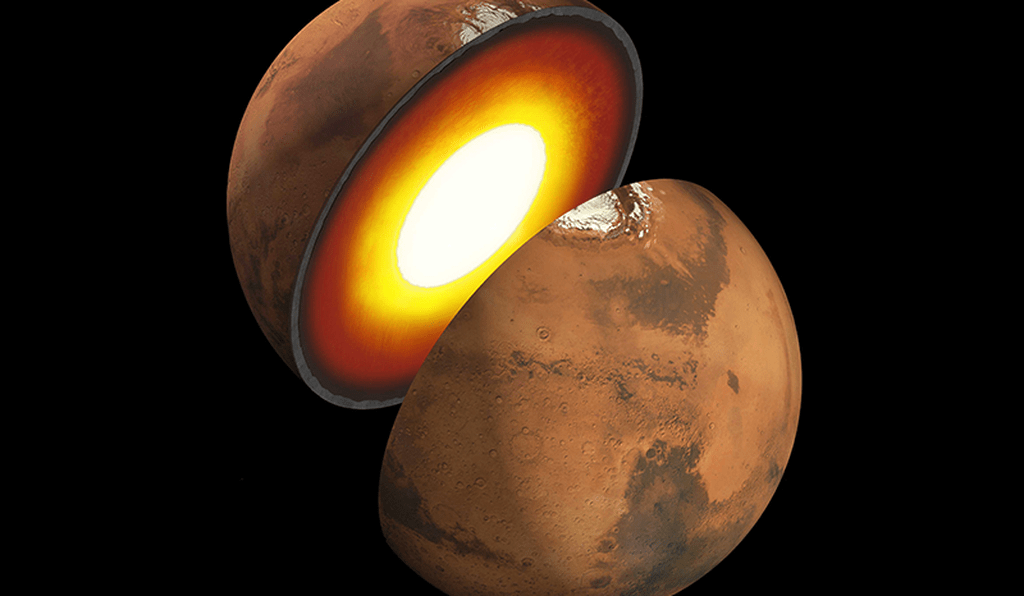
Despite the lack of large marsquakes, the researchers were able to estimate how thick Mars’ crust is. They predict it has three layers—but possibly two—that are between 12.4 and 23 miles thick, reports Nature. Mars’ crust is considerably thinner than that of Earth, which can be up to 25 miles thick—and that’s surprising, reports Science.
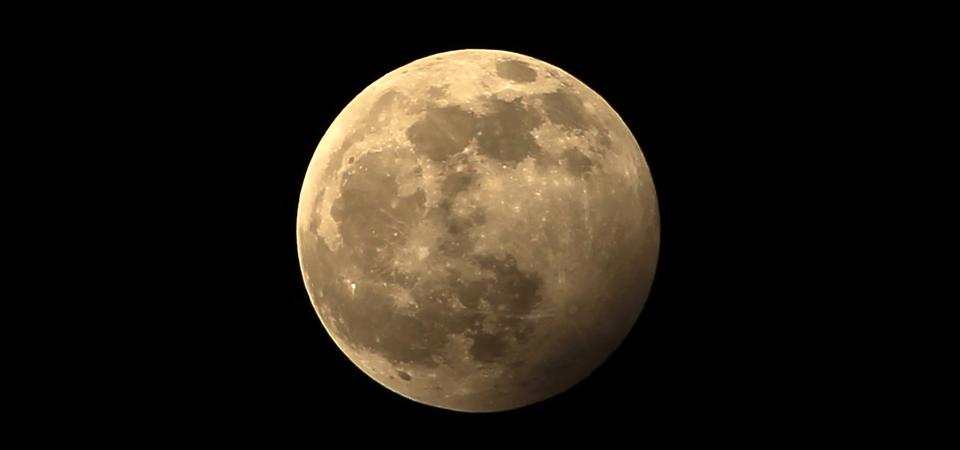
Visible from the Americas, Australia and Asia, the “Beaver Moon” will pass through Earth’s outer shadow (penumbra) at 07:32 Universal Time, causing a slight penumbral lunar eclipse that will see 83% of the Moon visibly darken at 9:42 Universal Time…
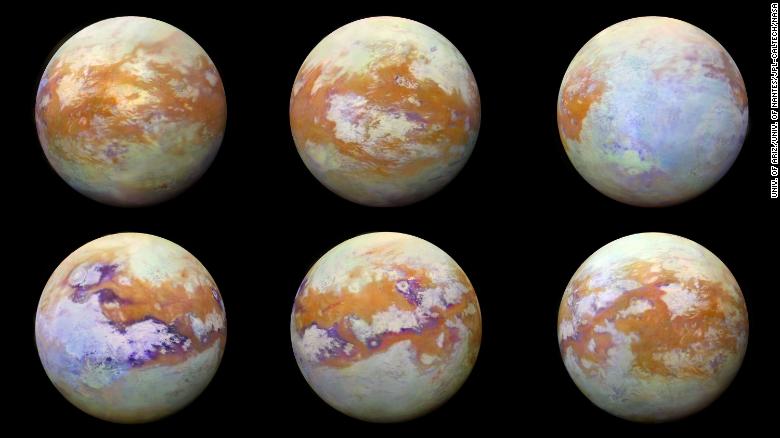
Cyclopropenylidene is the second cyclic or closed-loop molecule detected at Titan; the first was benzene in 2003. Benzene is an organic chemical compound composed of carbon and hydrogen atoms…Cyclic molecules are crucial because they form the backbone rings for the nucleobases of DNA, according to NASA.
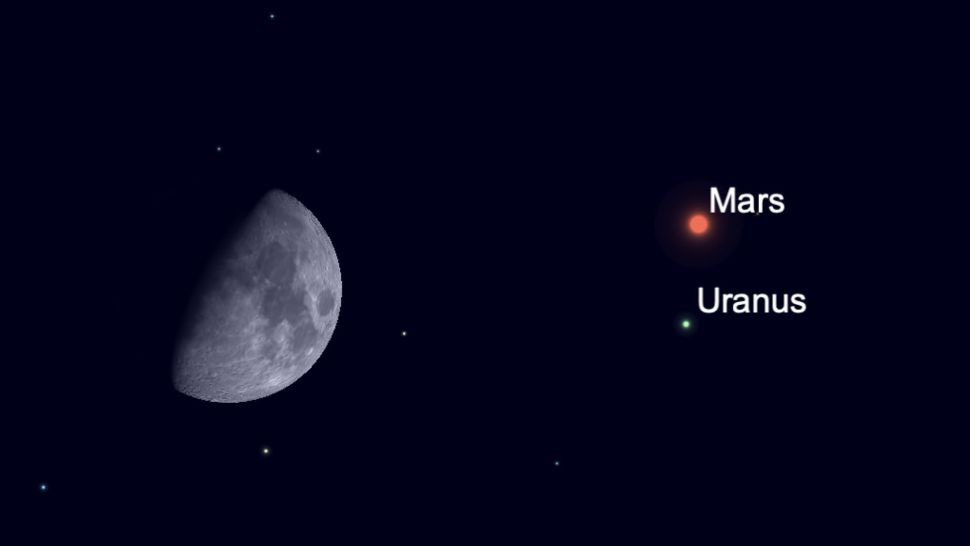
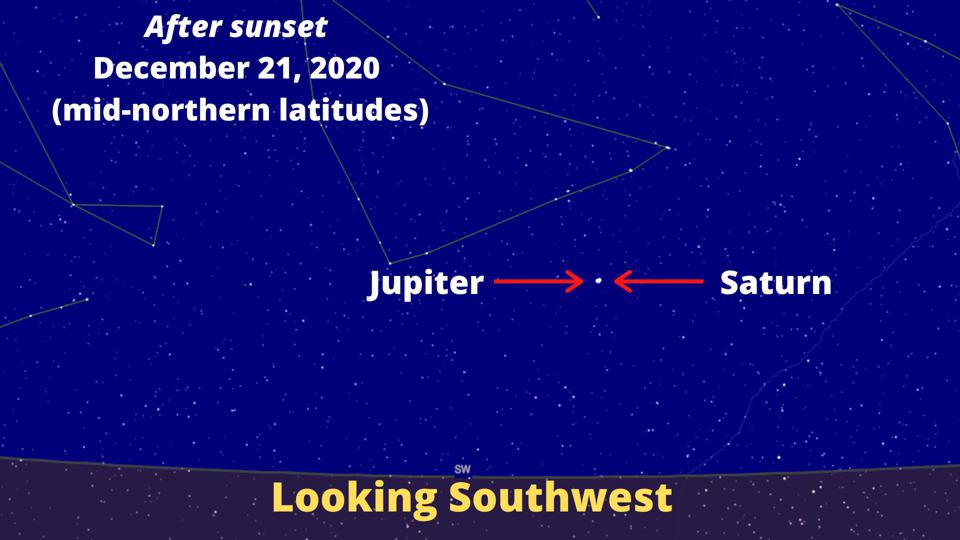
Mars to the East, Jupiter to the South…hey, is that a Saturn?
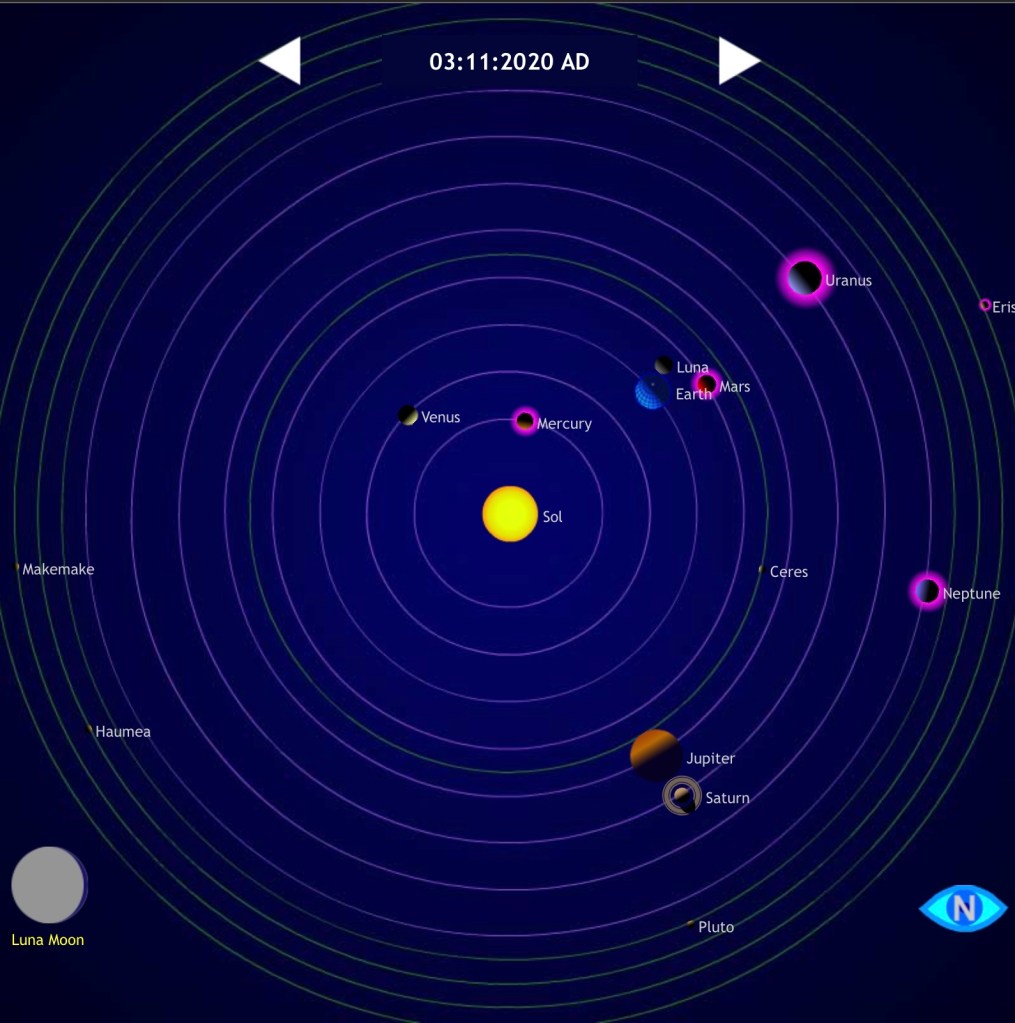
Also, go over to https://www.theplanetstoday.com to see how Jupiter and Saturn are both currently in a heliocentric conjunction (i.e., lined up with the Sun) on November 2nd.
Leave it to USA Today—the paragon of journalistic integrity and unvarnished truth reporting—to grossly exaggerate “value.”
Imagine if someone dumped several hundred thousand tons of nickel and iron on the market?
It would immediately make nickel and iron worthless. Simple supply and demand. So it’s not monetary value that is important.
How do we create vehicles and domiciles for a space-faring future while avoiding the exorbitant cost of getting them into space in the first place? It’s the cost and weight of rocket fuel that’s the issue.
Solution: Build everything in space. No need to bring anything back to Earth.
The new research is especially topical given that NASA plans to land humans on the Moon in the 2020s and use lunar resources as part of its Artemis program, prompting thorny discussions about legal and ethical extraction of materials on the Moon.
Why are 3D objects always compared to the Empire State Building?
Researchers understand it to be what they call a carbonaceous asteroid, meaning its rocks still retain a lot of the chemistry that was present when the Sun and the planets came into being more than 4.5 billion years ago. Hence the desire to bring some of its material home for analysis in sophisticated Earth laboratories.
If it’s a spinning top, I don’t see how showing it in comparison to the Eiffel Tower will help us understand how big it is…
Then again, usually media compare things like this to a football field (US) or a football pitch (UK). Or they say things like “as long as [insert type of moving vehicle here] end to end.”
Honestly, just say “510 m3” and leave it at that. All we care about is what the probe will do: Vacuum up and bring back at least 60g of materials from the beginning of the solar system.