Manhattanhenge, a portmanteau of “Manhattan” and “Stonehenge,” is a twice-a-year solar event when the sunset lines up directly with the city’s grid, casting golden rays down city streets. Several of the stones in Stonehenge, the prehistoric monument in Wiltshire, England, experience perfect alignment with the sun during the summer and winter solstices, which is why the event takes its name from the rock formation.
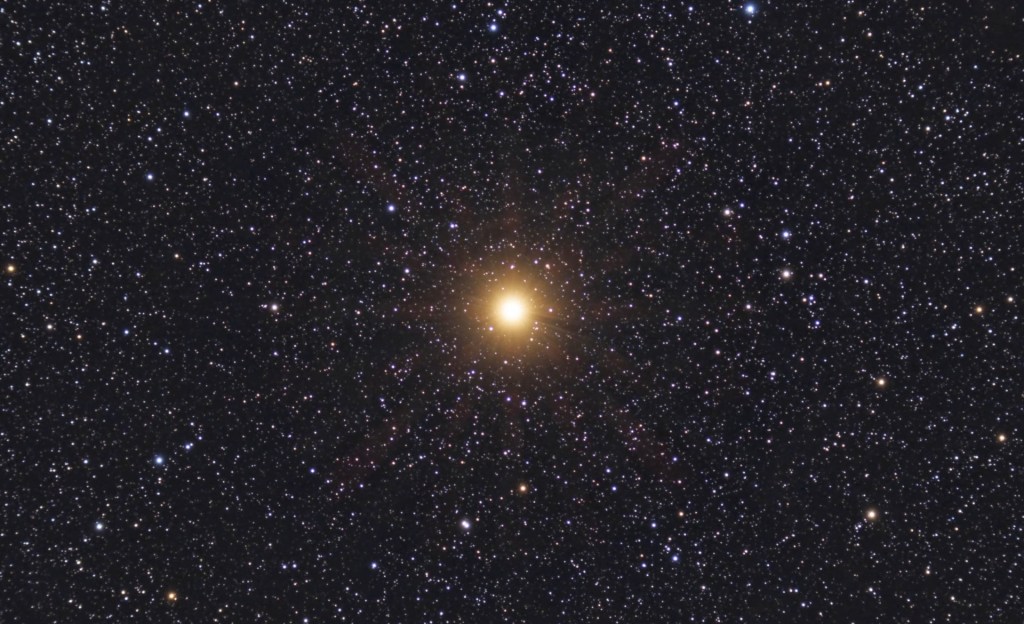
Betelgeuse, the closest red giant to Earth, has long been understood to move between brighter and dimmer in 400-day cycles. But from late 2019 to early 2020, it underwent what astrophysicists called “the great dimming”, as a dust cloud obscured our view of the star.
Now, it is glowing at 150% of its normal brightness, and is cycling between brighter and dimmer at 200-day intervals – twice as fast as usual…It is currently the seventh brightest star in the night sky – up three places from its usual tenth brightest.
Betelgeuse is the closet red giant Star to our solar system, one of the shoulders of the Greek constellation of Orion.
The cultural information in the linked article was actually more interesting than the phenomenon observed. For instance, the fact that an Aboriginal people in Australia saw it long before the Greeks did was something I didn’t know.
And that the Greek name comes originally from the Arabic “bat al-jawzāʾ” meaning “giant’s shoulder.”
And all three cultures saw the star as connected with fire held by a giant hunter of some sort.
And so have ancient Babylonians, Egyptians, and probably everyone else, too. We just can’t help personifying even the stars.
The kicker?
When it does eventually explode, it could – over the course of a week – grow so bright that it will be visible during daylight, and cast shadows at night.
Now that’s something I’d like to be around to see. Hmm. If only I could manage to live for another 10- to 100,000 years…
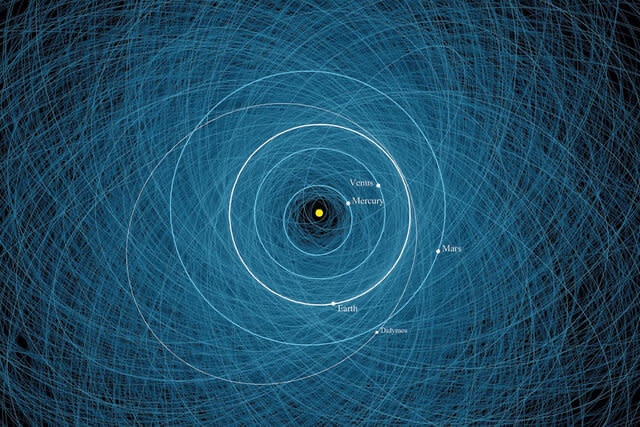
Of all the asteroids they modeled, the one with the largest risk of impact was a kilometer-wide asteroid known as 1994 PC1. Over the next thousand years, the probability that 1994 PC1 will cross within the orbit of the Moon is a paltry 0.00151%, hardly worth worrying about.
Thanks to Glen Hill over at Engagin’ Science (formerly Scientia, which apparently was far too Latin- and science-esque for search engines to handle) for bringing this (not-so Earth-shattering) info to my attention.
Sorry, folks. Hollywood was once again wrong (sigh).
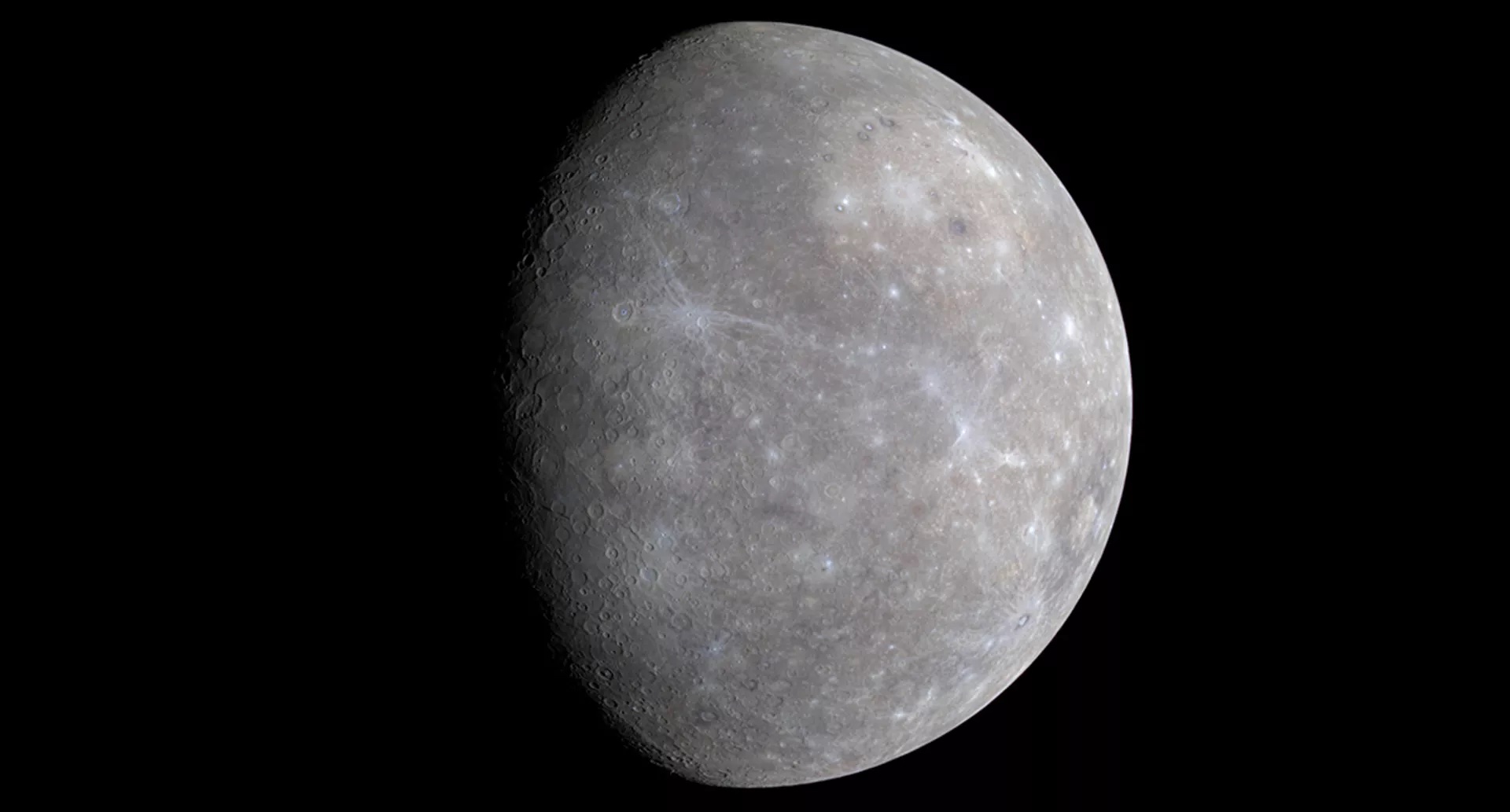
Mercury is a planet that just doesn’t make sense. It’s incredibly small yet hosts a relatively massive core. Mercury is so strange that astronomers have not been able to explain its properties with simulations of the solar system’s formation. But now, researchers have found an important clue, and Mercury’s weirdness appears to be the fault of the giant planets.
Basically, Mercury is nearly as dense as the Earth despite being less than 6% the size. This is due to the gas giants in our solar system yanking material (“planetesimals” and protoplanets) and ejecting it from the solar system, leaving Mercury with very little material left to form itself.
“I was quite surprised by how simple the story hiding behind the curtain of complexity in the data,” Sneppen continued. “You have this immensely complex physics, unimaginable dense stars and the birth of a black hole — and then it all reduces to this beautiful sphere.”
The neutron stars that crashed into each other are “dense and compact,” Sneppen said. They only measured around 20 km in diameter — about 12 miles — but they are “heavier than the sun,” he said. “A teaspoon of neutron star matter weighs more than Mount Everest.”
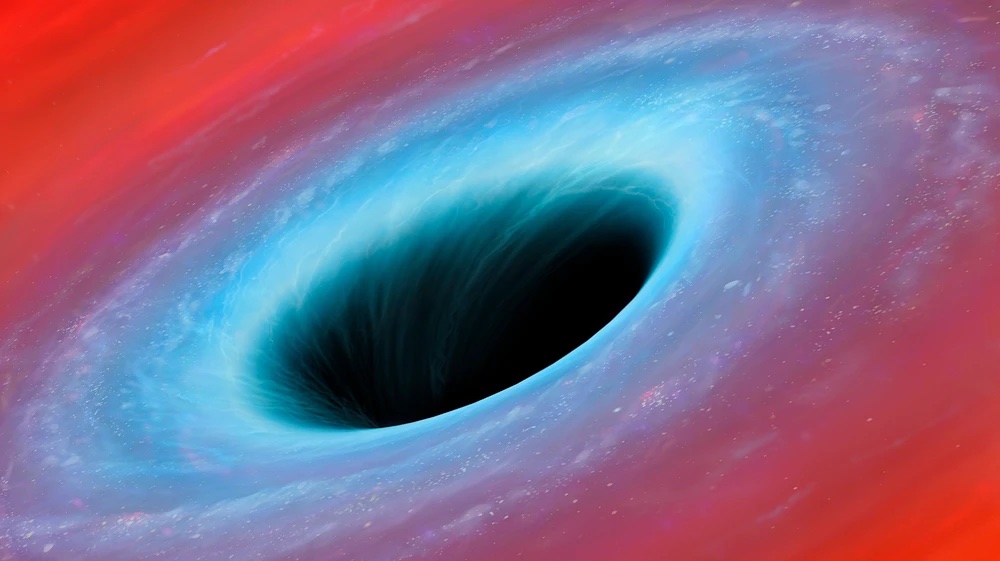
First reported in 2017, a new study in Nature gives more details about a “kilo nova” only detected by using gravitational waves. The collision led to the formation of a black hole.
Fortunately, this sort of cosmic event doesn’t occur too often. But..
…if a kilonova were to occur in the Milky Way — less than 30,000 light- years away — it would be the brightest star in the night sky, making it discoverable to the human eye…
Still, it’d be safer for Earth if it never happened…
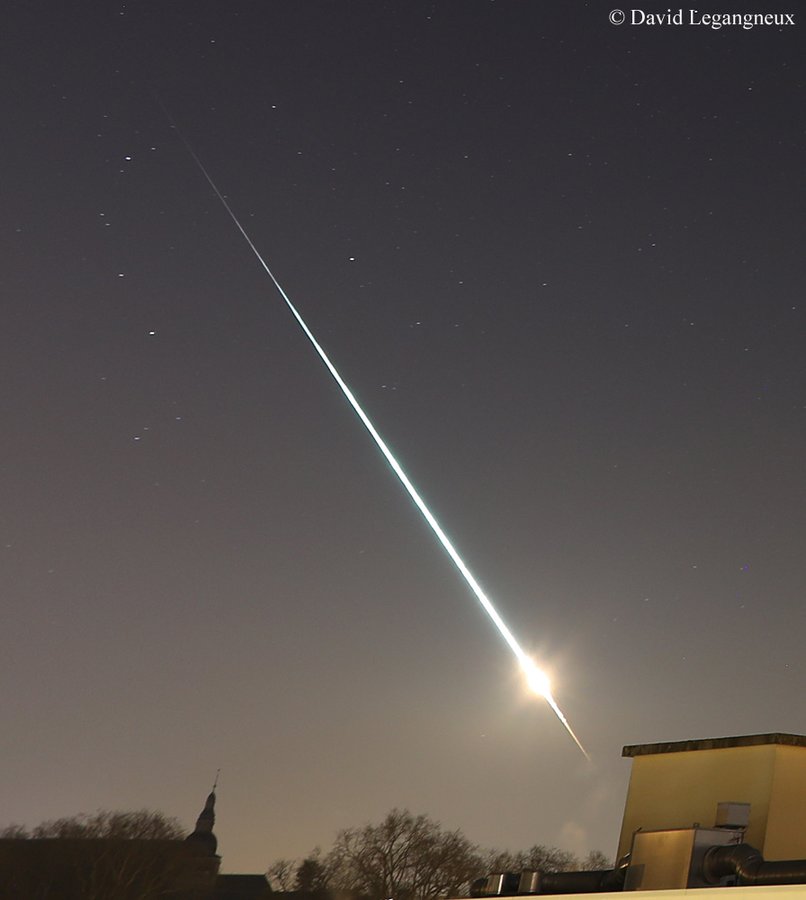
Anyway, “SAR2667” provided some cross-cultural entertainment for people living in England, France, Belgium, and the Netherlands. Lots of photos and videos online.
Interesting note from ESA: they were able to detect it and notify everyone exactly where and when it would disintegrate.
Since there are more than 30,000 of these things that orbit the Sun relatively close to Earth’s orbit, it’s a good thing we’re getting better at detecting them. Maybe we’d better up the ante on deflecting them…
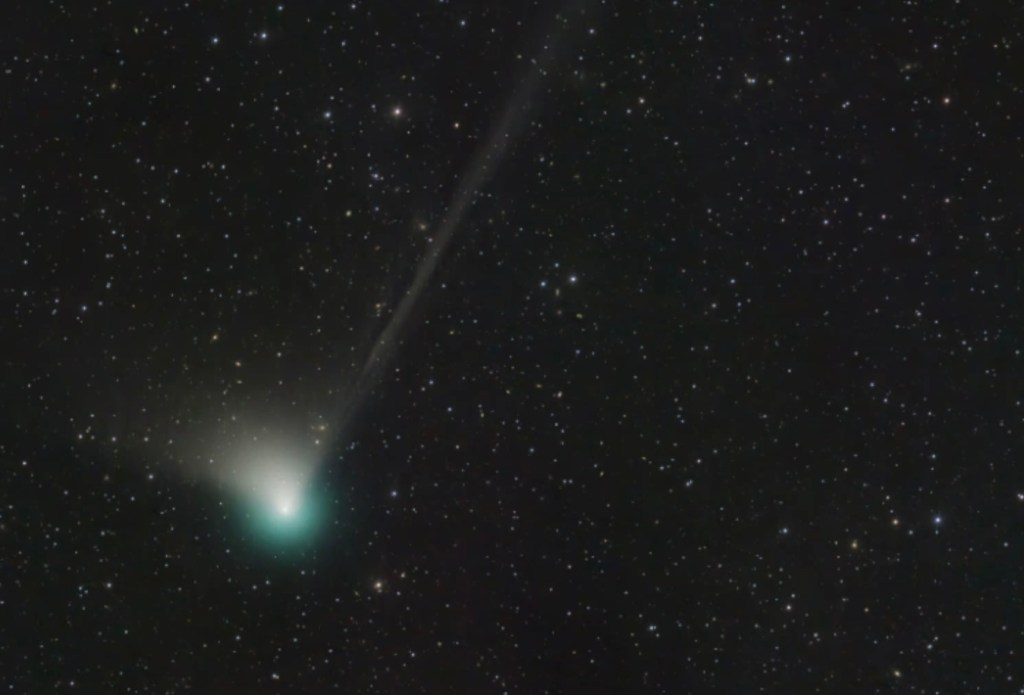
A comet from the outer solar system is set to buzz Earth on Wednesday and skywatchers have a chance to glimpse the celestial object as it journeys through our cosmic neighborhood for the first time in 50,000 years.
If by “Wednesday” you mean “Wednesday in North America. There is no “on Wednesday” worldwide, thanks.
Observers in the Northern Hemisphere should look northeast just after the Moon sets and before dawn. You should be able to see it with a good pair of binoculars.
The last time Comet C/2022 E3 (ZTF) made a visit, Homo sapiens still had Neanderthal neighbors, so this is your one and only! ☄️
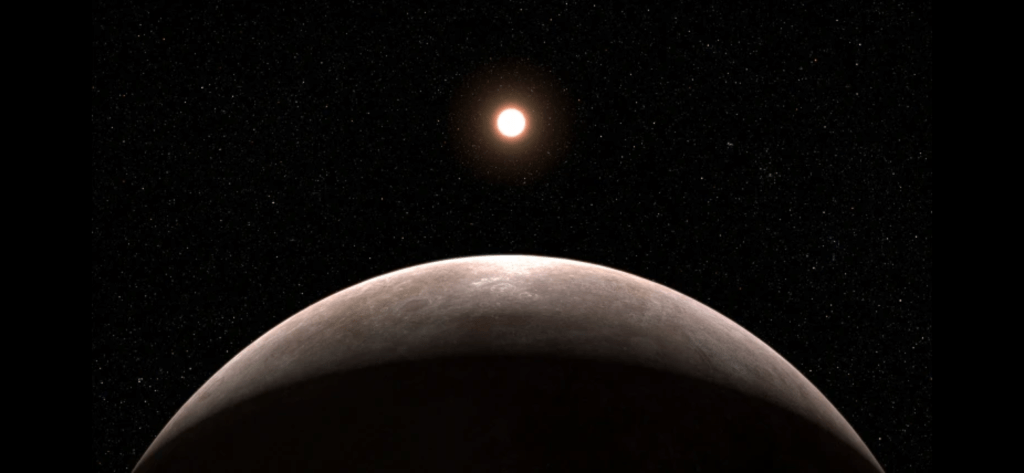
The finding demonstrates how the observatory could be used to search for potentially habitable planets in the cosmos and examine the chemical makeup of their atmospheres.
LHS 475b is 41 light years away, orbiting a red dwarf star in the Octans constellation (one of a few “modern” constellations only seen in the deep southern hemisphere).
Webb can even detect the presence of atmospheres, though given LHS475b has an orbit of two days and is a “few hundred degrees warmer than Earth,” it’s unlikely it’ll find much with this exoplanet.
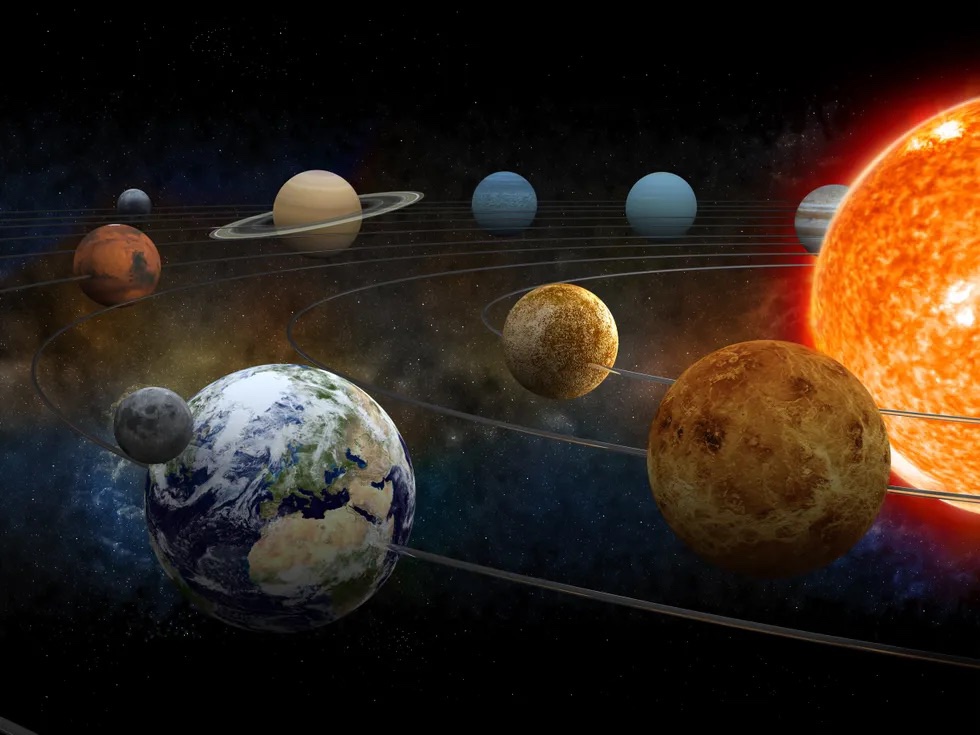
Note: not to scale (duh). Thanks, Getty. Uh, is this really the best way to show the solar system? (There…are…NINE..planets!)
Think of pizza dough flattening into an enlarging disk as it’s tossed. Because the cloud had an initial rotation, this same direction of spin has persisted…
So basically the answer is simply that that’s the way they all started out.
Some moons, however, do have retrograde orbits. I.e., they orbit in the opposite direction around their respective planets. Some small asteroids and comets also have retrograde orbits due to their small mass being easily affected by larger cosmic objects.