M Thomas Apple Author Page

Science fiction, actual science, history, and personal ranting about life, the universe, and everything

First-look at the Dust of Bennu

October 12, 2023
MThomas

Carbon accounted for almost five percent of the sample’s total weight, and was present in both organic and mineral form, while the water was locked inside the crystal structure of clay minerals, he said.

Scientists believe the reason Earth has oceans, lakes and rivers is because it was hit with water-carrying asteroids 4 to 4.5 billion years ago, making it a habitable planet.

https://www.sciencealert.com/first-look-at-pristine-asteroid-dust-reveals-abundance-of-water-and-carbon

We have ample evidence now that all water on Earth was brought during the “Late Heavy Bombardment” period (4~4.5 billion years ago). Imagine how many rocks it took to get enough water (estimates anywhere between 20 and 200 million years of asteroid after asteroid slamming into the Earth).

And the only reason life exists on Earth is that there is enough iron and nickel in the Earth’s core to generate a magnetic field to prevent solar radiation from ripping off the atmosphere. Which is likely what happened to Mars.

(Alright, alright, technically electrical currents running through the liquid iron outer core as well as in the crust and ionosphere also contribute to the magnetic field. Go check out this horribly complicated explanation if you like.)

Note that this is the third time to get asteroid dust to examine. JAXA has managed to do this twice now. But Hayabusa-2 only got about 5 grams. The OSIRIS-REx project got about 250 grams (1/2 lb). Lots more = lots more to save for future researchers who will have developed even more sophisticated analysis methods.

Now lets get some PEOPLE on those things and start mining and living in space, already!
Confirmed: We’re all here thanks to asteroids

January 26, 2023
MThomas

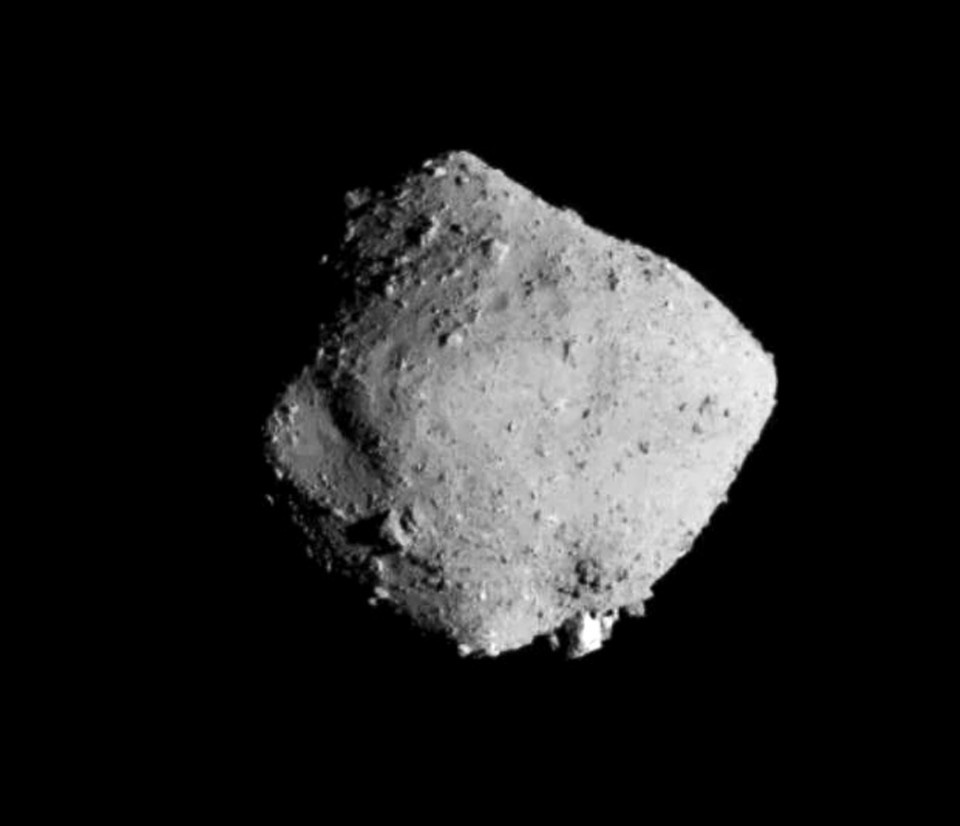
Since the Hayabusa2 returned with the sample from the Ryugu asteroid in December 2020, several important discoveries have been made – most notably analyzes confirming the presence of substances thought to be the building blocks of life on the asteroid, such as liquid water and organics fabrics.

https://newsbeezer.com/germanyeng/ryugu-asteroid-helps-unravel-the-origin-of-life-on-earth/

Hayabusa-2 took several years to land on Ryugu (literally “Dragon Palace”), pound out just over 5 grams of asteroid material, and bring it back to Earth (landing in Australia in late 2020).

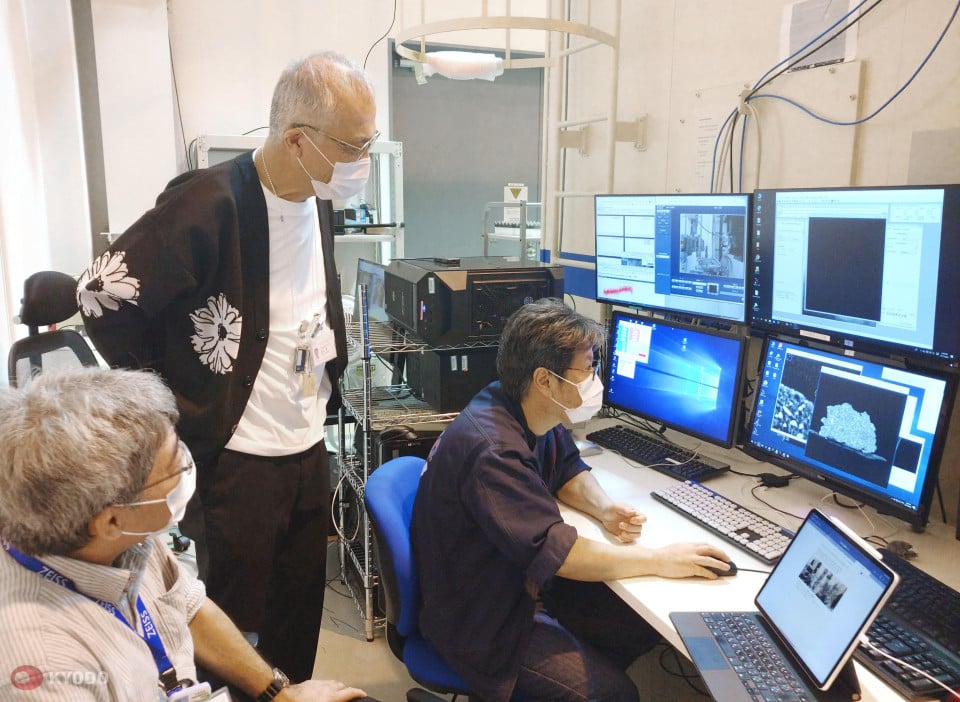
NASA scientists have confirmed not just frozen water but liquid — inside crystals called pyrrhotites. JAXA scientists (pictured above with Prof Tsuchiyama of Ritsumeikan University, my main employer!) continue to check the density of the samples.

The water is similar to the carbon dioxide-laden water of hot springs. The research teams have already discovered over 20 amino acids, the basic protein building blocks of carbon-based life.

Another theory called “panspermia” proposes that a key mineral (boron) missing on early Earth came in an asteroid from Mars. ☄️ Hmm. Did Mars produce asteroids? Or more like asteroids hit Mars and broke off lots of tiny fragments? That somehow survived the journey to Earth?

Seems a little unlikely. But there is now evidence that at least some proteins came from space rocks.

So, sorry, Ridley. This isn’t how it happened. Cool movie, though.

Amino acids found in material brought back by Hayabusa-2

June 6, 2022
MThomas

More than 20 types of amino acids have been detected in samples Japan’s Hayabusa2 space probe brought to Earth from an asteroid in late 2020, a government official said Monday, showing for the first time the organic compounds exist on asteroids in space.

https://english.kyodonews.net/news/2022/06/9a7dbced6c3a-amino-acids-found-in-asteroid-samples-collected-by-hayabusa2-probe.html

This lends support to the hypothesis that life on Earth was brought to it during the Late Heavy Bombardment period – in which meteors brought not just water but the building blocks of life…

Now imagine if someone were to find an asteroid with addition proteins NOT found on Earth… (i.e., my novel’s scientific premise…)

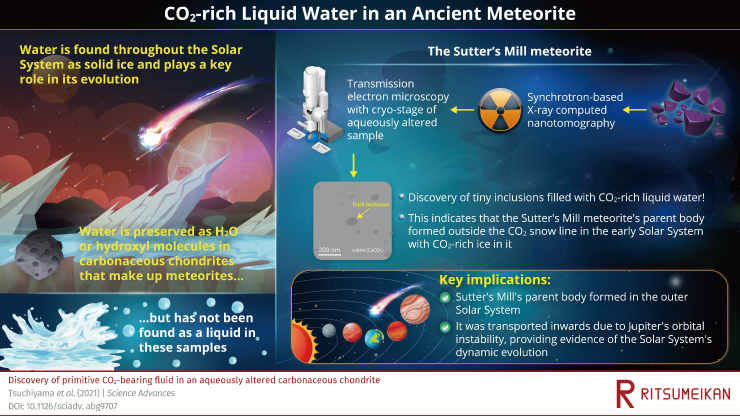
Scientists detect small pockets of carbon dioxide-rich liquid water in a meteorite dating from the early solar system

April 25, 2021
MThomas

“This assumption is consistent with recent theoretical studies of the solar system’s evolution that suggest that asteroids rich in small, volatile molecules like water and carbon dioxide formed beyond Jupiter’s orbit before being transported to areas closer to the sun.”

http://en.ritsumei.ac.jp/news/detail/?id=585

Just announced by my workplace!

And no, I don’t teach in that department.

However, it does show the need for STEM students and researchers in Japan to improve their English. For every study like this published in English there are many more only published in Japanese. Lots of interesting research going on in Japan that people *outside* Japan need to know about!

From dust to dust — asteroid, that is

January 16, 2019
MThomas

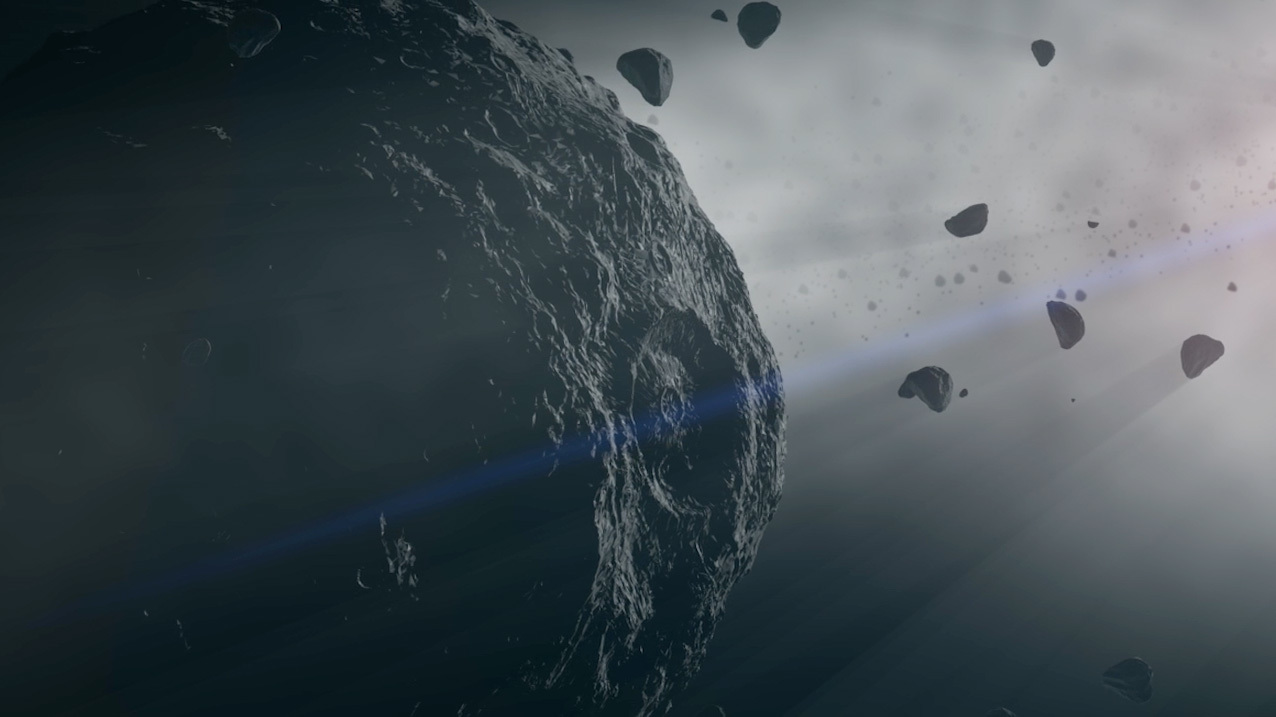
517_bennubeautyshot_main

What came before the planets? What are the origins of life? And how much of a threat do asteroids pose to life on Earth today?

There’s plenty of evidence to suggest that asteroids have (or used to have) hydrocarbons. If they have amino acids and nucleic acids…

Hmm. Sounds like a science fiction story based on science…

https://www.sciencenews.org/article/asteroid-sample-missions-hayabusa2-ryugu-osiris-rex-bennu?tgt=nr

Blog at WordPress.com.
The Silmaril Chick

Writing Fanfiction in the worlds of Tolkien and Beyond!

Our Awesome Universe

Learning more about our place in the universe...

TechWordly

Best Tech Gadgets Advise

Weird Science Marvel Comics

Marvel Comics Reviews, Previews and News

Universe discoveries

Writing blogs is miracle I am a writer blogger and my site mission is to give information on maximum information to audiences

Robby Robin's Journey

Reflections of an inquiring retiree ...

Fox Reviews Rock

Rock & Metal Reviews That Hit Hard

My little corner of the world

Short stories | Reflections | Poetry

DimmaJo Blog

Read | Reflect | Grow