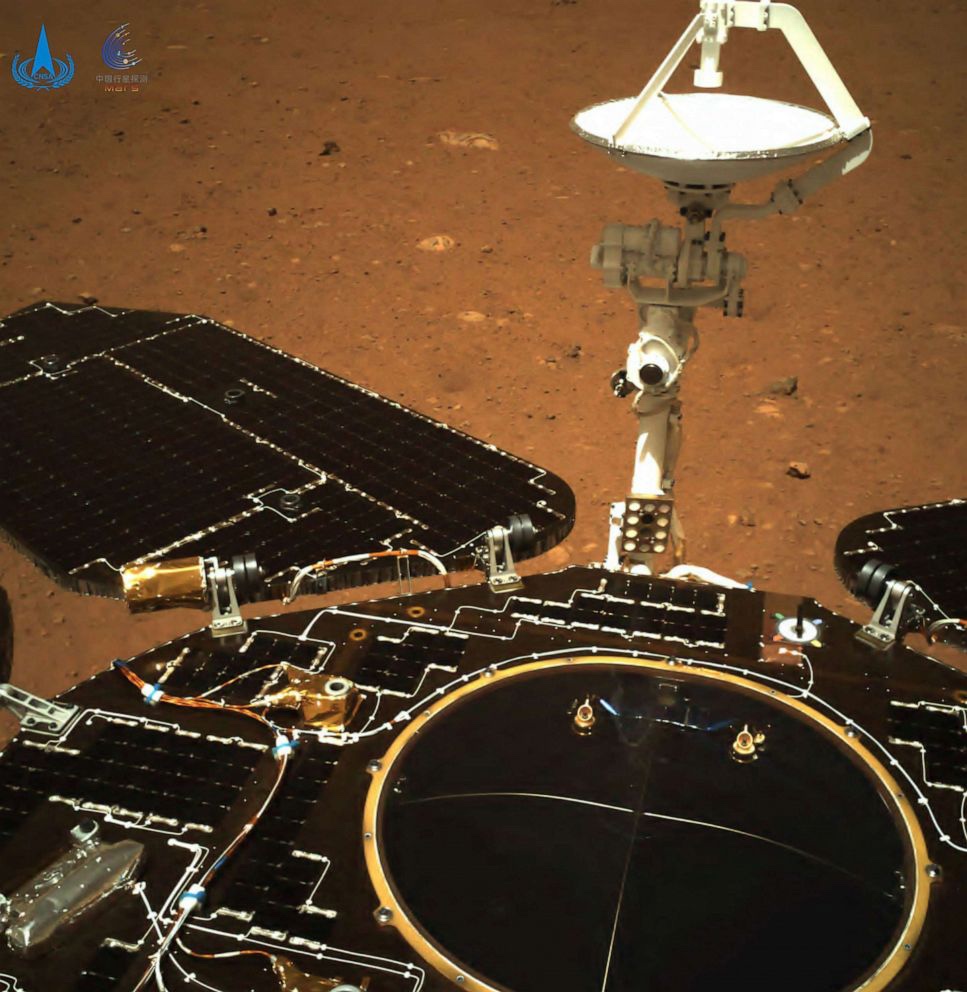
China’s plan calls for setting up a permanently occupied base and a fleet of interplanetary craft. Probably it’s a good idea to first see whether it can meet its goal of landing people on Mars in 2033.
Of course, China is “willing to join hands with our counterparts and partners all over the world,” but it’s unlikely NASA, JAXA, ESA, and the UAE and other countries not named Russia will “cooperate.”
The next space race is here. Just wait until multinats actually decide asteroid mining is worth the risk and expense.
It’s becoming increasingly common to see social media posts claiming that the mRNA COVID-19 vaccines, which include those made by Pfizer and Moderna, could alter a person’s DNA. Some posts even suggest that nano-machines are being injected into the body.
Yeah, I’ve seen some of these posts. Talked to a neighbor who was convinced Bill Gates was trying to inject us all with a chip to control our minds.
Is there any truth to these rumours? Could an mRNA vaccine be modifying your DNA?
No.
(Read the linked Cosmos article for more details!)
Actually, all you need to do is use logic and reasoning, apply some critical thinking, and demand lots of science-based evidence.
It’s called the Baloney Detection Kit and was introduced in a Cornell University undergraduate course about critical thinking and the scientific method by astrophysicist Carl Sagan.
The link above to the kit also outlines some of the most important logical fallacies to avoid, with number 8 and 9 being the most difficult to explain and convince people about (because they involve education about basic statistics).
So will this convince anti-vaxxers who make outlandish claims online?
The inclusion of an ion propulsion system in a long-running, Earth-orbiting space station will give researchers a chance to test out the tech while astronauts are still close to home — and if it works as hoped, it could one day ferry explorers to Mars and even more distant destinations.
Diving into the topic doesn’t reveal that the world quietly experienced the opening salvos of the Terminator timeline in 2020. But it does point to a more prosaic and perhaps much more depressing truth: that no one can agree on what a killer robot is, and if we wait for this to happen, their presence in war will have long been normalized. It’s cheery stuff, isn’t it? It’ll take your mind off the global pandemic at least.
Actually, the truly scary “killer robots” would be much less like Terminator and more like the self-replicating ones in PDK’s “Second Variety” (or Screamers for those who haven’t read the original short…my recommendation? forget the B movie, read the story).
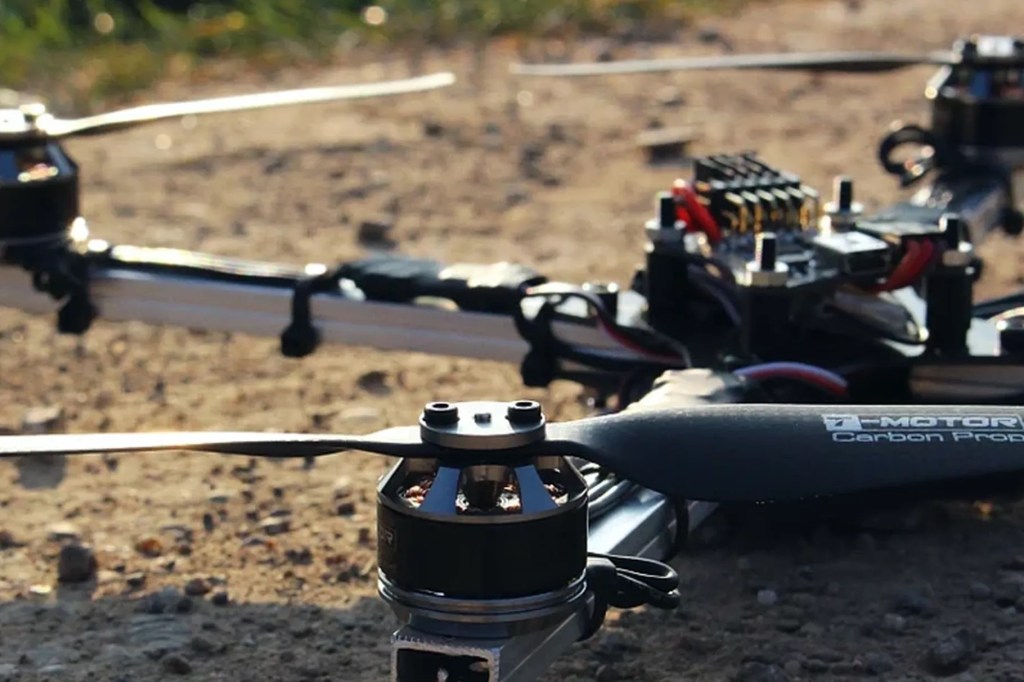
But there are already plenty of “semi-automated” machines that kill. It’s relatively easy to program a device to wait until someone approaches, and then shoot/radiate/explode. Strictly speaking, even basic landmines fit this definition.
What would help is the media stopping sensationalistic yellow journalism that throws around fear-mongering hyped-up headlines to sell copy.
Yeah, right. Like that’ll happen any time soon.
Machines killing without a human operator? Already here.
Machines seeking out and killing humans without pre-programmed responses and of their own accord?
We’re a long way away from that.
For now.
Maybe we just need to take away their control stones…







 M Thomas Apple Author Page