To explore new ways to control this fundamental force of nature, scientists from the City College of New York (CCNY) trapped light inside a magnetic metamaterial and made the material itself 10 times more magnetic in the process.
Next up, magnetic lasers and lots and lots of more magnetic memory savings.
(Note that Popular Mechanics links the phrase “magneto-optical technologies” to an article claiming that the US has somehow managed to reverse-engineer alien technology from crashed UFOs…Um…OK…)
Or, how I learned to stop worrying and love the bomb…
“During the adaptation, Stanley ran into a wall: it was impossible to make a successful film about the end of mankind since nobody, himself included, would want to see it. The answer was satire…”
Dr. Strangelove itself was an adaptation of a novel. So I wonder how adapting an adaptation to the stage will work.
How many new lines will they allow? Peter Sellers basically ad libbed everything and Kubrick rewrote the script to match the ad libs.
Probably including this one:
(Btw I hadn’t realized the film won a Hugo Award…along with many other awards…which goes to show how little we actually need Hollywood studios to get great stories in the end…)
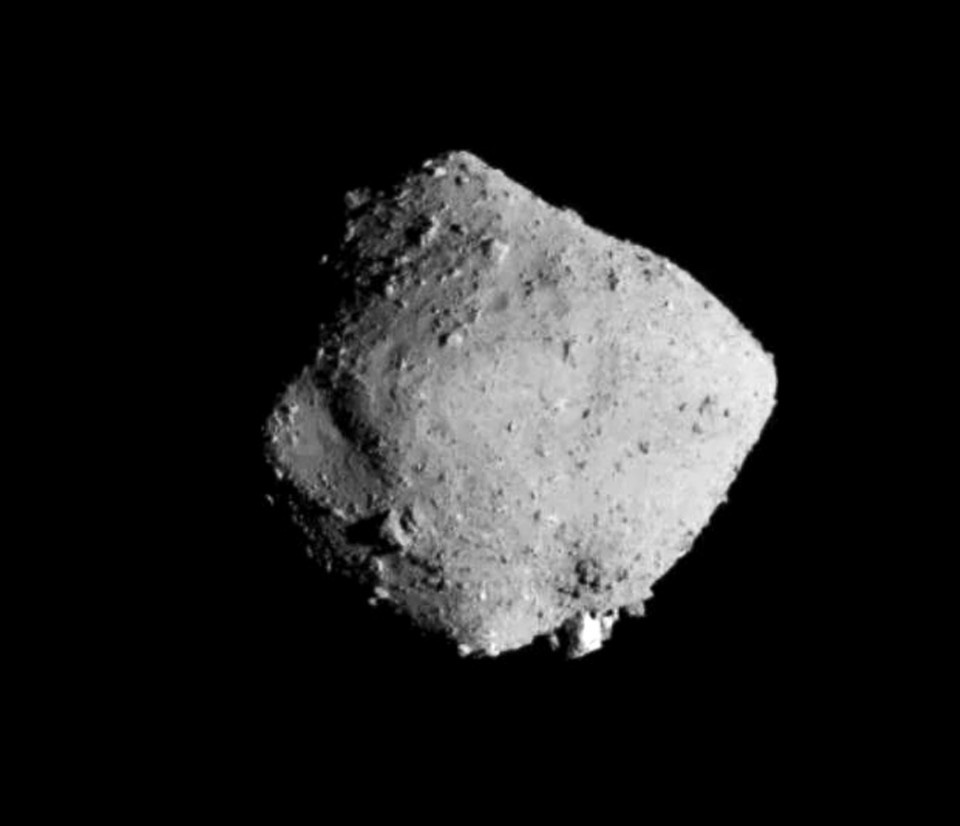
Since the Hayabusa2 returned with the sample from the Ryugu asteroid in December 2020, several important discoveries have been made – most notably analyzes confirming the presence of substances thought to be the building blocks of life on the asteroid, such as liquid water and organics fabrics.
Hayabusa-2 took several years to land on Ryugu (literally “Dragon Palace”), pound out just over 5 grams of asteroid material, and bring it back to Earth (landing in Australia in late 2020).
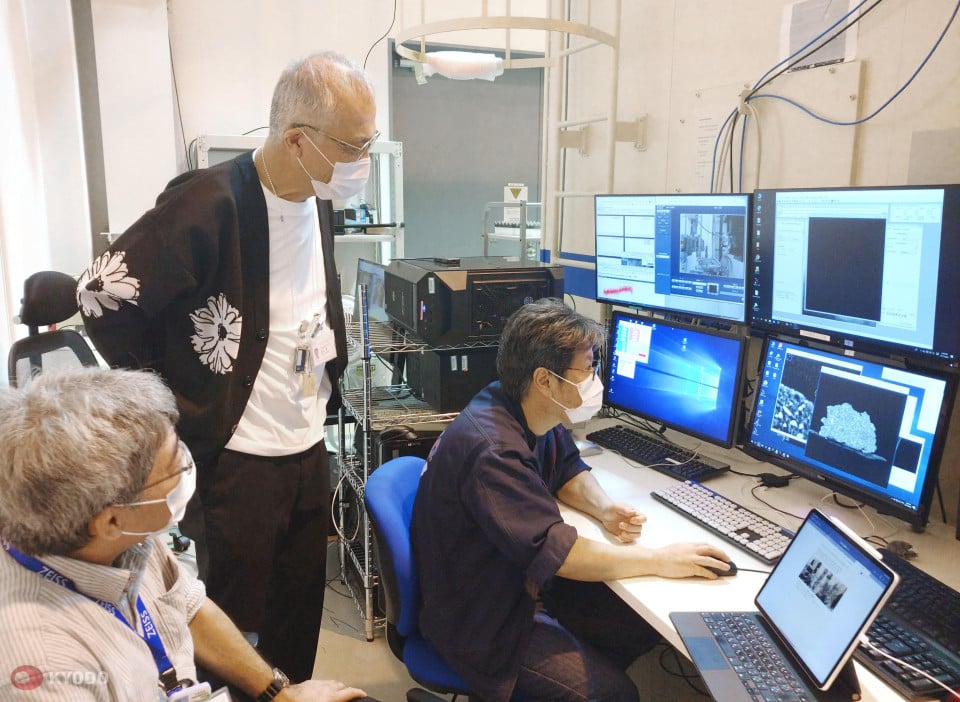
NASA scientists have confirmed not just frozen water but liquid — inside crystals called pyrrhotites. JAXA scientists (pictured above with Prof Tsuchiyama of Ritsumeikan University, my main employer!) continue to check the density of the samples.
The water is similar to the carbon dioxide-laden water of hot springs. The research teams have already discovered over 20 amino acids, the basic protein building blocks of carbon-based life.
Another theory called “panspermia” proposes that a key mineral (boron) missing on early Earth came in an asteroid from Mars. ☄️ Hmm. Did Mars produce asteroids? Or more like asteroids hit Mars and broke off lots of tiny fragments? That somehow survived the journey to Earth?
Seems a little unlikely. But there is now evidence that at least some proteins came from space rocks.
So, sorry, Ridley. This isn’t how it happened. Cool movie, though.
The finding demonstrates how the observatory could be used to search for potentially habitable planets in the cosmos and examine the chemical makeup of their atmospheres.
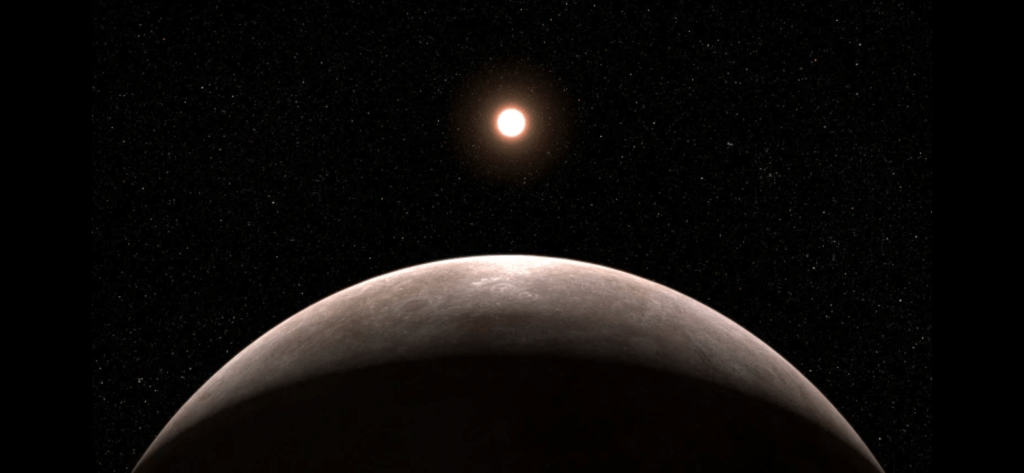
LHS 475b is 41 light years away, orbiting a red dwarf star in the Octans constellation (one of a few “modern” constellations only seen in the deep southern hemisphere).
Webb can even detect the presence of atmospheres, though given LHS475b has an orbit of two days and is a “few hundred degrees warmer than Earth,” it’s unlikely it’ll find much with this exoplanet.
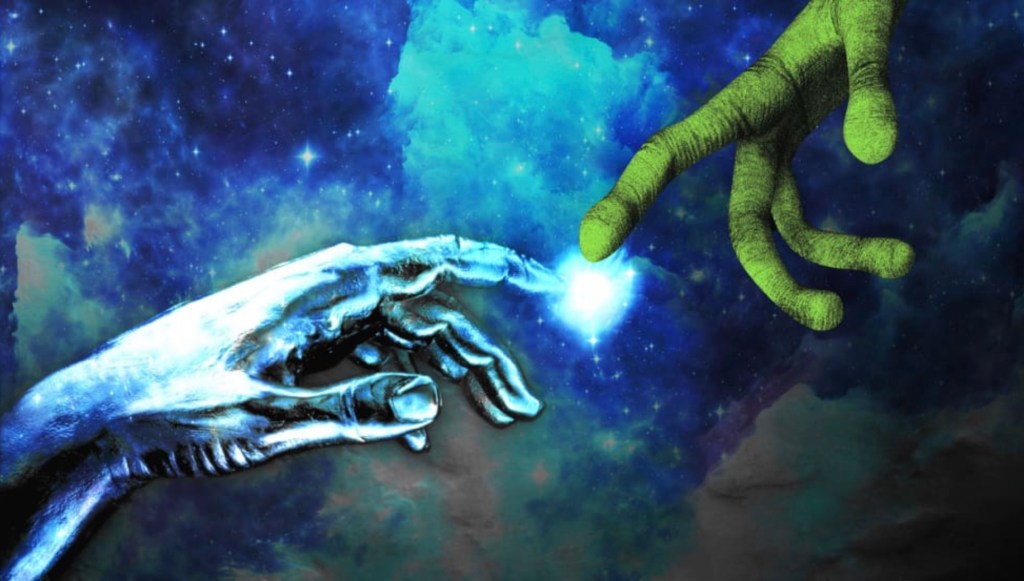
Our search for alien life is getting serious. With better telescopes and a growing scientific consensus that we’re probably not alone in the universe, we’re beginning to look farther and wider across the vastness of space for evidence of extraterrestrials.
But it’s possible we’re looking for too few signs in too few places. Having evolved on Earth, surrounded by Earth life, we assume alien life would look and behave like terrestrial life.
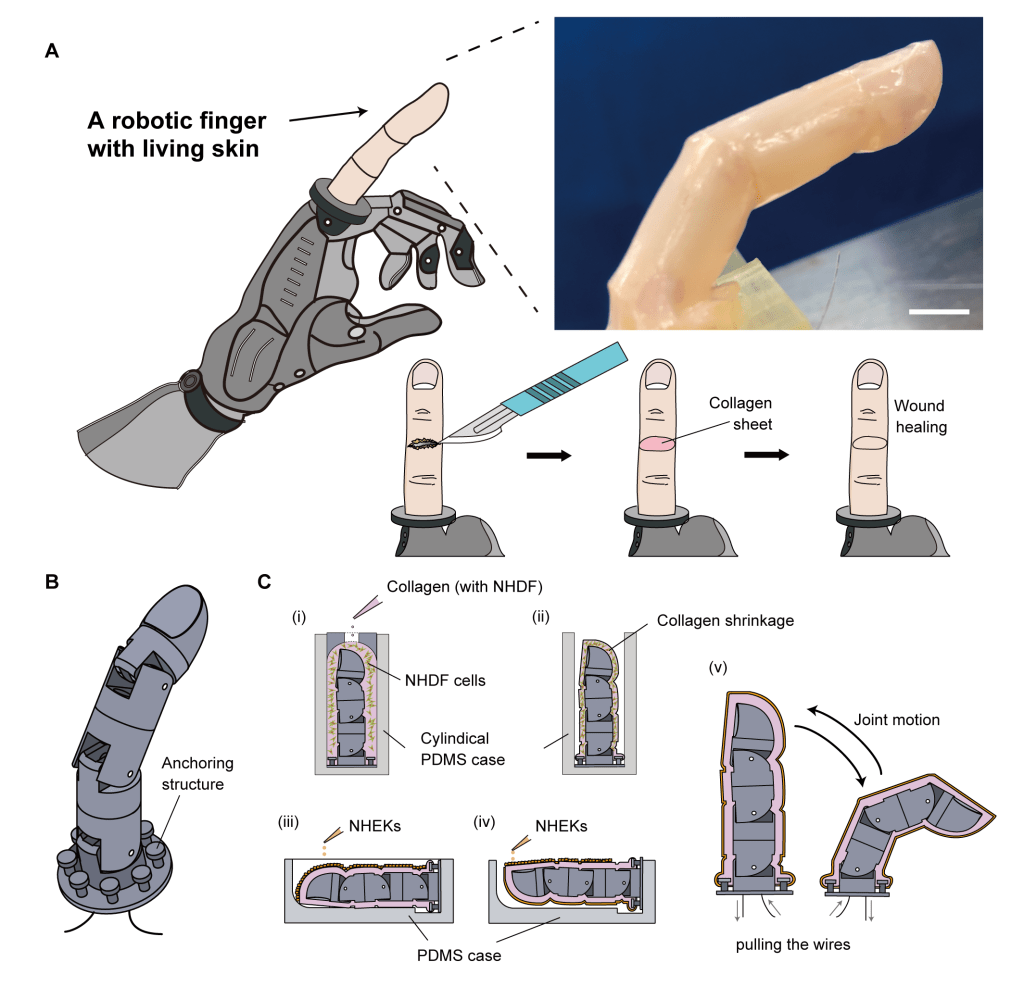
Skin is also just the first step in combining organic matter with machines, and opens the door for incorporating nerves and sensory organs such as olfactory receptors which can detect scents.
The original report was published online by the U of Tokyo before it was covered last week by several online sources, including WebMD, the Independent,France 24, and ABC7, but the Sora News is the only one to post Japanese reader comments about, well, what fingers can do. Ahem.
The final quote of the researchers was posted on WebMD as:
“We believe this is a great step toward a new biohybrid robot with the superior functions of living organisms.”
More than 20 types of amino acids have been detected in samples Japan’s Hayabusa2 space probe brought to Earth from an asteroid in late 2020, a government official said Monday, showing for the first time the organic compounds exist on asteroids in space.
This lends support to the hypothesis that life on Earth was brought to it during the Late Heavy Bombardment period – in which meteors brought not just water but the building blocks of life…
Now imagine if someone were to find an asteroid with addition proteins NOT found on Earth… (i.e., my novel’s scientific premise…)








 M Thomas Apple Author Page