A Japanese telescope positioned on top of Mauna Kea, a dormant volcano on the Big Island of Hawaii, captured video of an eerie flying spiral in the night sky on Jan. 18.
In the video, a small bright spot appears and slowly gets brighter and starts to dissipate into a spiral before getting small again and disappearing.
In fact, it was the remains of a discarded Falcon 9 booster from the launch of a SpaceX satellite. And it isn’t the first time this has happened. Japanese TV talked about this, too (since it was a Japanese astronomy, at the Subaru Telescope, that first recorded it).
So, an Identified Flying Object!
Yay, more metallic junk.
(Thanks to Glen Hill for bringing this article to my attention.)
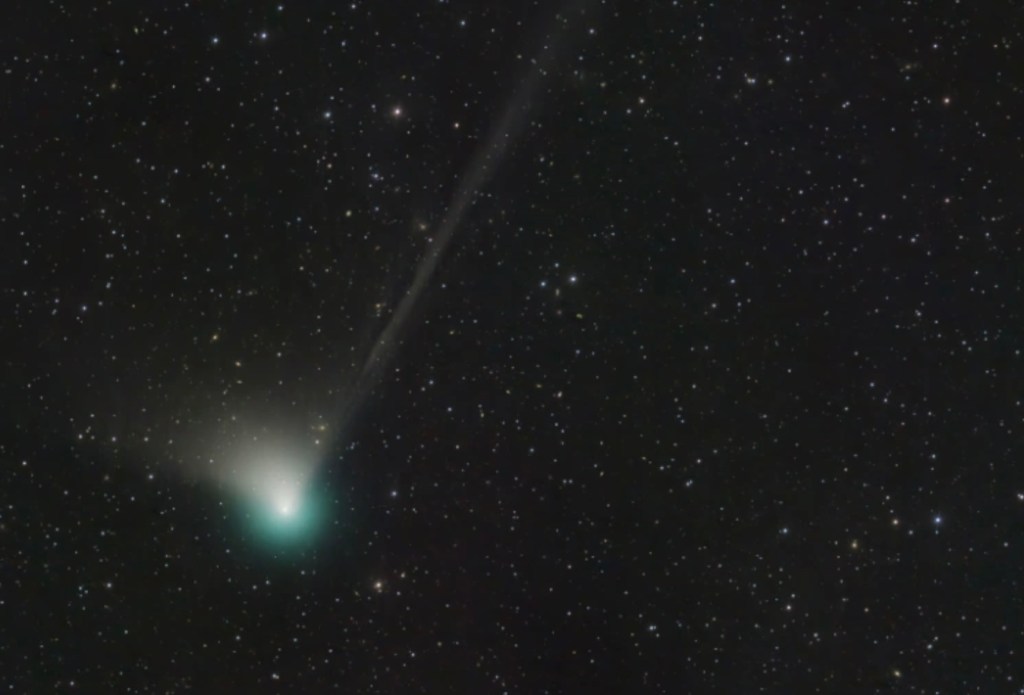
A comet from the outer solar system is set to buzz Earth on Wednesday and skywatchers have a chance to glimpse the celestial object as it journeys through our cosmic neighborhood for the first time in 50,000 years.
If by “Wednesday” you mean “Wednesday in North America. There is no “on Wednesday” worldwide, thanks.
Observers in the Northern Hemisphere should look northeast just after the Moon sets and before dawn. You should be able to see it with a good pair of binoculars.
The last time Comet C/2022 E3 (ZTF) made a visit, Homo sapiens still had Neanderthal neighbors, so this is your one and only! ☄️
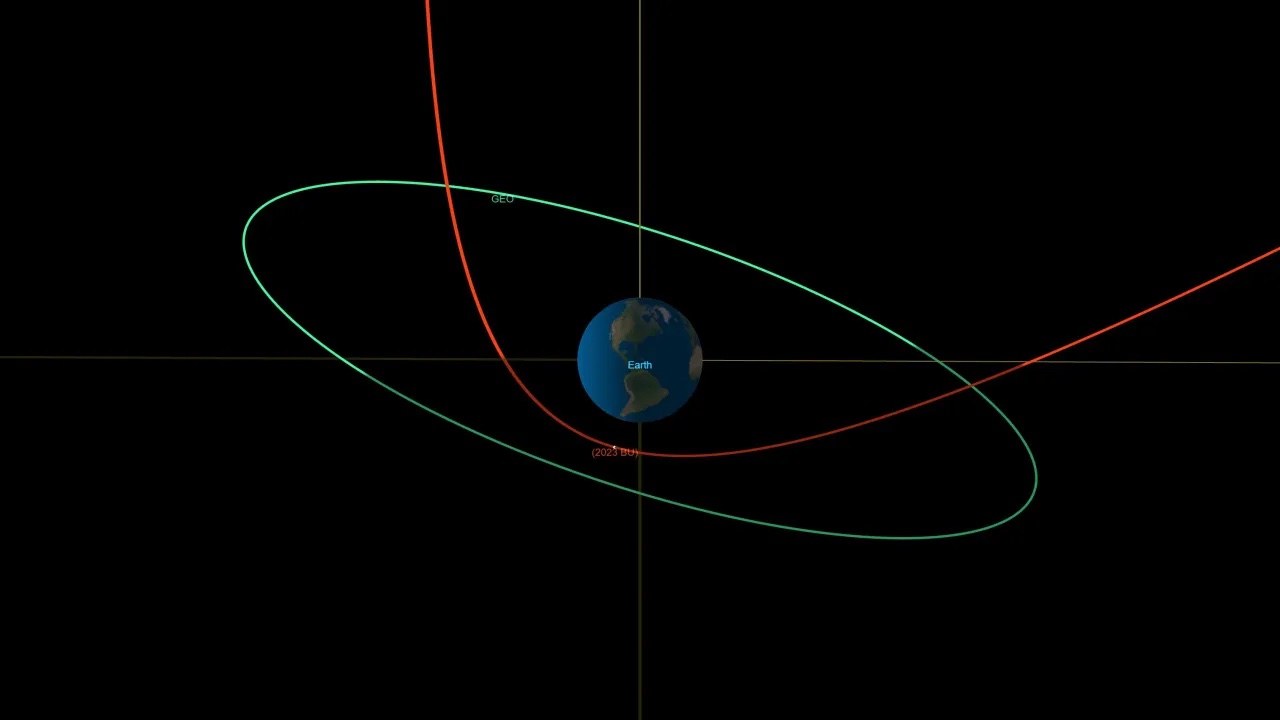
An asteroid is on its way to Earth, but don’t worry – the end is here Not here. The asteroid, named 2023 BU, is about the size of a van and is expected to miss our planet during Thursday’s flyby. However, according to a NASA scientist, it will be “one of the closest approaches of a known near-Earth object ever recorded.”
Since the Hayabusa2 returned with the sample from the Ryugu asteroid in December 2020, several important discoveries have been made – most notably analyzes confirming the presence of substances thought to be the building blocks of life on the asteroid, such as liquid water and organics fabrics.
Hayabusa-2 took several years to land on Ryugu (literally “Dragon Palace”), pound out just over 5 grams of asteroid material, and bring it back to Earth (landing in Australia in late 2020).
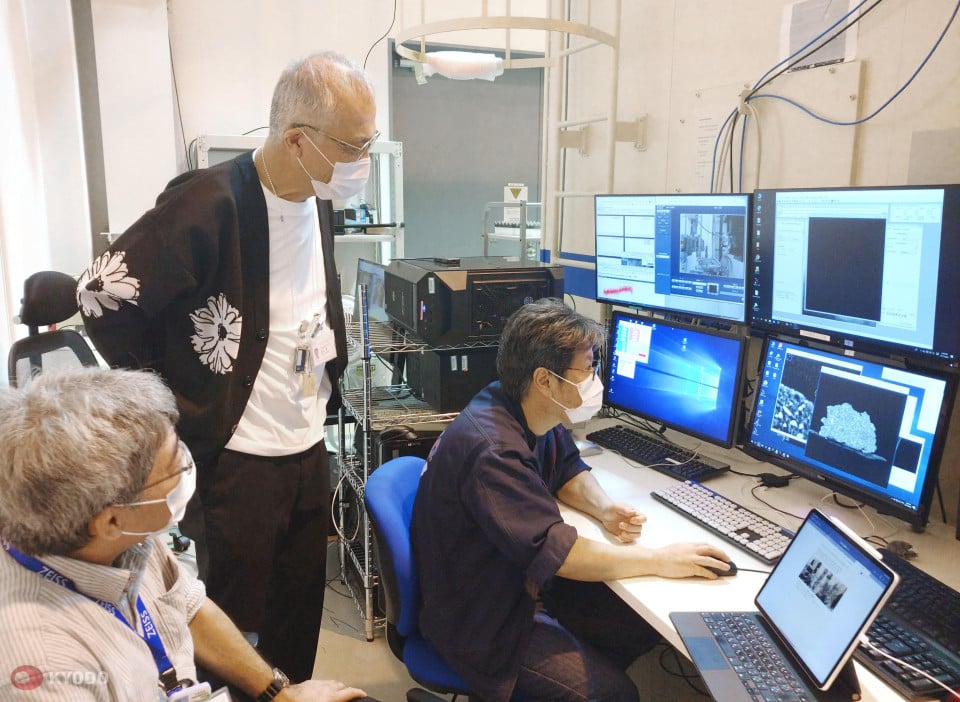
NASA scientists have confirmed not just frozen water but liquid — inside crystals called pyrrhotites. JAXA scientists (pictured above with Prof Tsuchiyama of Ritsumeikan University, my main employer!) continue to check the density of the samples.
The water is similar to the carbon dioxide-laden water of hot springs. The research teams have already discovered over 20 amino acids, the basic protein building blocks of carbon-based life.
Another theory called “panspermia” proposes that a key mineral (boron) missing on early Earth came in an asteroid from Mars. ☄️ Hmm. Did Mars produce asteroids? Or more like asteroids hit Mars and broke off lots of tiny fragments? That somehow survived the journey to Earth?
Seems a little unlikely. But there is now evidence that at least some proteins came from space rocks.
So, sorry, Ridley. This isn’t how it happened. Cool movie, though.
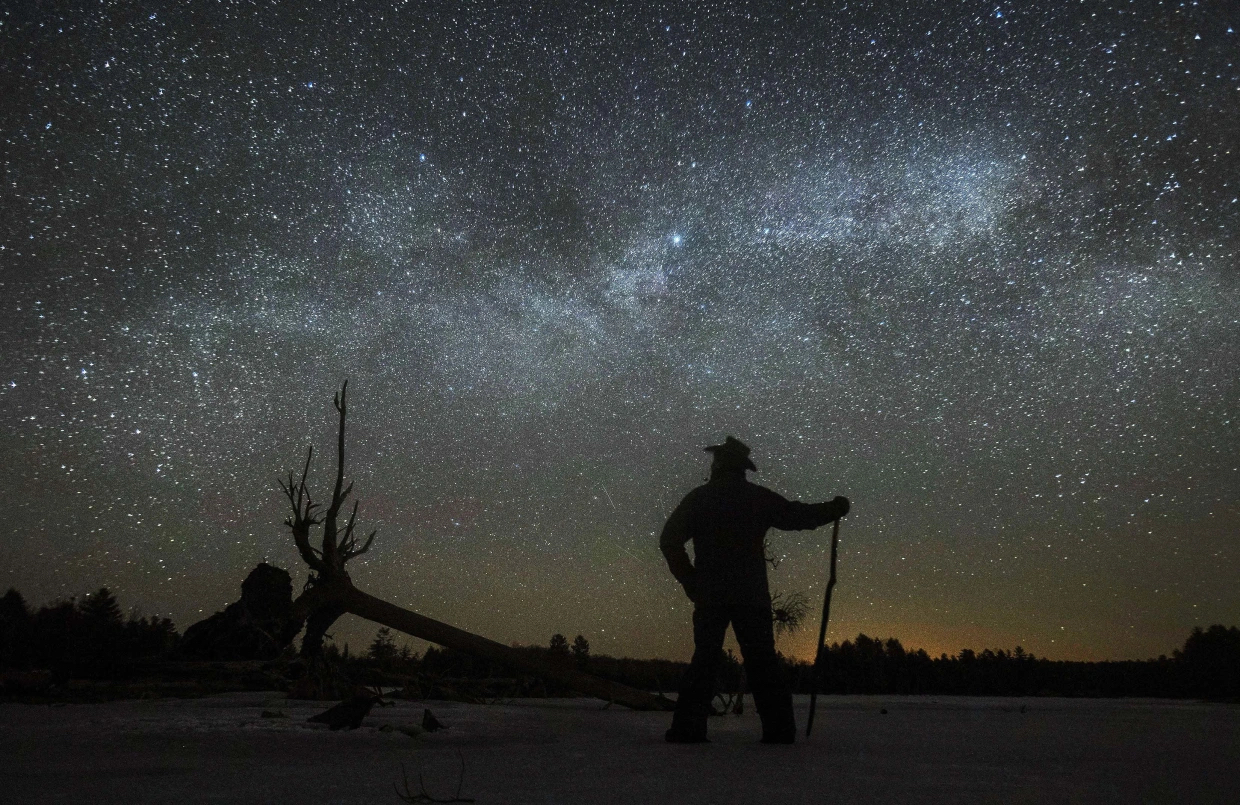
A new study that analyzes data from more than 50,000 amateur stargazers finds that artificial lighting is making the night sky about 10% brighter each year.
Each spring in my Current Events and Global Issues class, I have students read about environmental issues.
Pollution is obviously related. But they almost never guess the “seven types of pollution” (yes, I know some people country eight, or ten, or even twelve…it all depends on how you categorize them).
Maybe it’s because most of my students (to the order of 90%) come from medium and large cities. To me, having grown up in a mostly rural area (in elementary school, my town had about 400 residents and in junior and senior high I lived in a “queen village” that had — gasp — an incredible 4,000 residents) — well, being surrounded by darkness was no big deal.
We could see stars from our backyard. Lots of stars. We learned all the major constellations (of the Northern Hemisphere, anyway, since that’s what we could see).
And more importantly we could see lightning bugs (or “fireflies” or “glowworms” or “candle bugs” etc). Decreasing water quality is thought to contribute to their declining numbers, but it’s far more likely that our insistence on lighting up the skies all the time are preventing them from finding a mate (hence the reason they “flicker” at night).
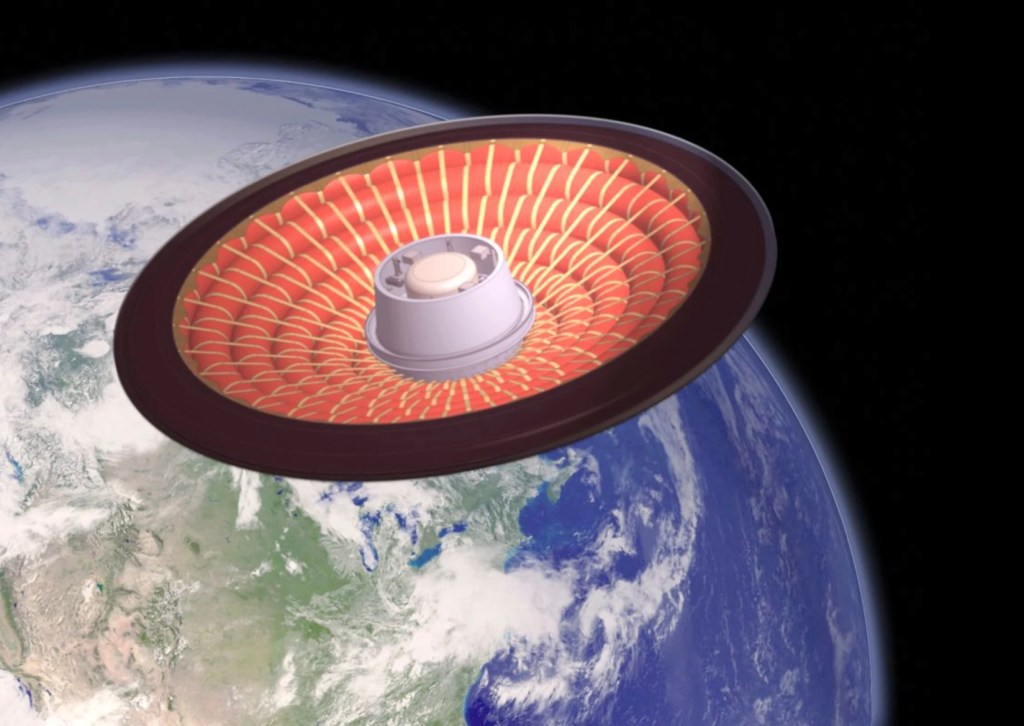
Though definitions sometimes differ, cislunar space generally refers to the space between Earth and the moon, including the moon’s surface and orbit. Any nation or entity that aims to establish a presence on the moon, or has ambitions to explore deeper into the solar system, has a vested interest in operating in cislunar space, either with communication and navigation satellites or outposts that serve as way stations between Earth and the moon.
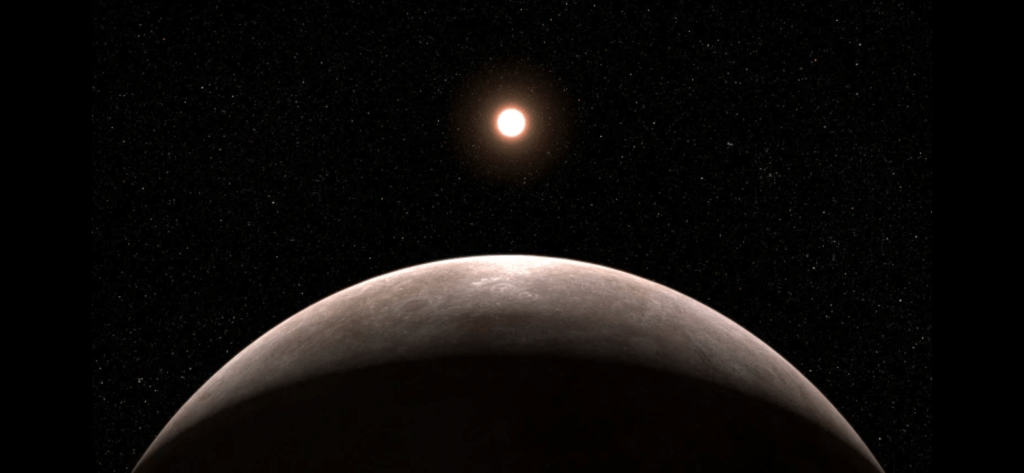
The finding demonstrates how the observatory could be used to search for potentially habitable planets in the cosmos and examine the chemical makeup of their atmospheres.
LHS 475b is 41 light years away, orbiting a red dwarf star in the Octans constellation (one of a few “modern” constellations only seen in the deep southern hemisphere).
Webb can even detect the presence of atmospheres, though given LHS475b has an orbit of two days and is a “few hundred degrees warmer than Earth,” it’s unlikely it’ll find much with this exoplanet.
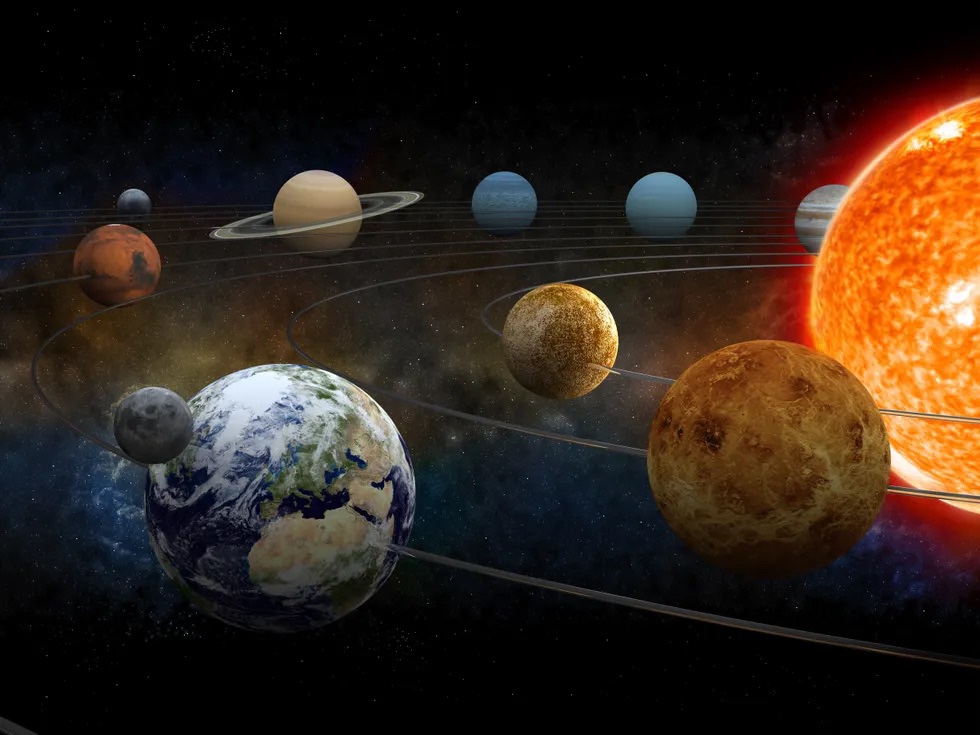
Note: not to scale (duh). Thanks, Getty. Uh, is this really the best way to show the solar system? (There…are…NINE..planets!)
Think of pizza dough flattening into an enlarging disk as it’s tossed. Because the cloud had an initial rotation, this same direction of spin has persisted…
So basically the answer is simply that that’s the way they all started out.
Some moons, however, do have retrograde orbits. I.e., they orbit in the opposite direction around their respective planets. Some small asteroids and comets also have retrograde orbits due to their small mass being easily affected by larger cosmic objects.
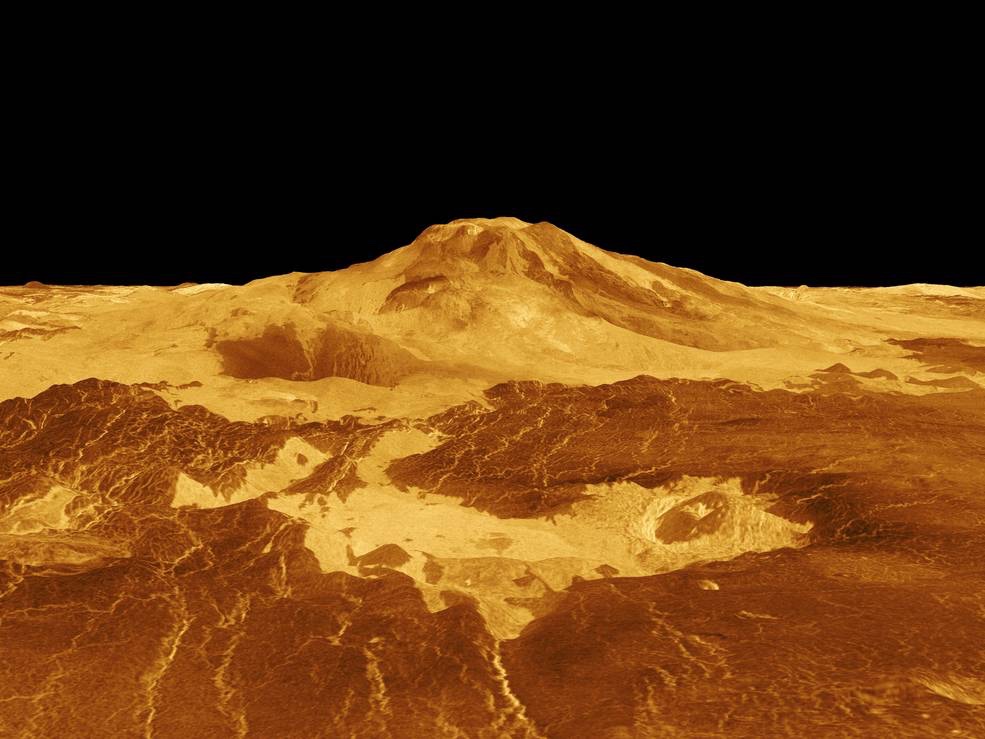
A new study shows that massive volcanic eruptions over an extended period of time may be responsible for changing the planet into what it is today. If there was simple life on ancient Venus, volcanism was its doom. The study also shows how powerful volcanic activity has played a role in shaping Earth’s habitability and how Earth only narrowly avoided the same fate as Venus.
Venus is hot enough to melt lead, which is why no spaceship has ever survived to land on the surface.
And, no, there is nothing alive floating around in its toxic atmosphere.
But this is a neat article. Three future missions are planned for Venus (two by NASA – VERITAS and DAVINCI – and one by ESA – EnVision, which sounds more like a song and dance competition than a scientific probe).