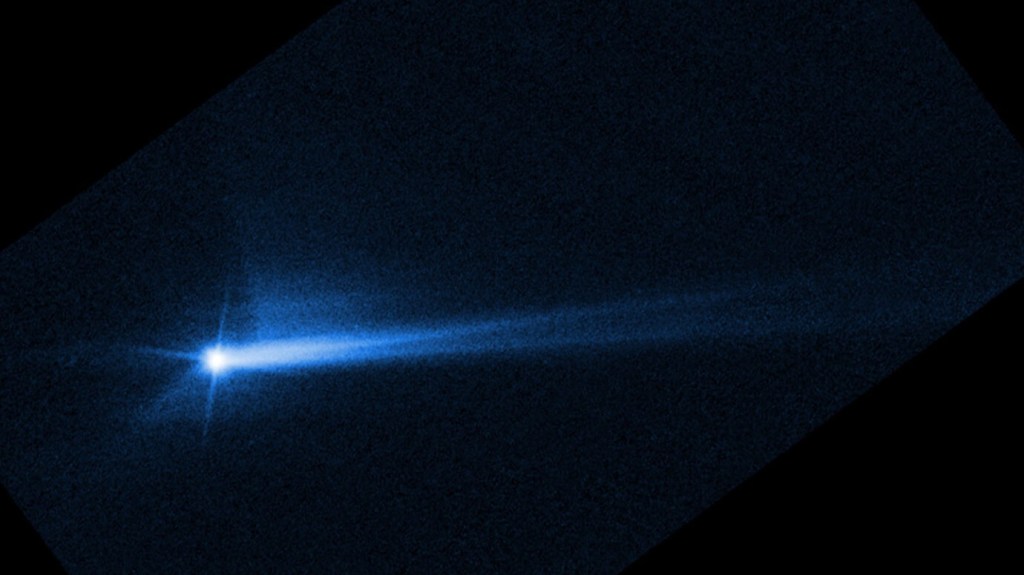
A change of 32 minutes in orbit — but only 4% of the total orbital period. To deflect an asteroid away from Earth, it’d better be done several years in advance. 🌏
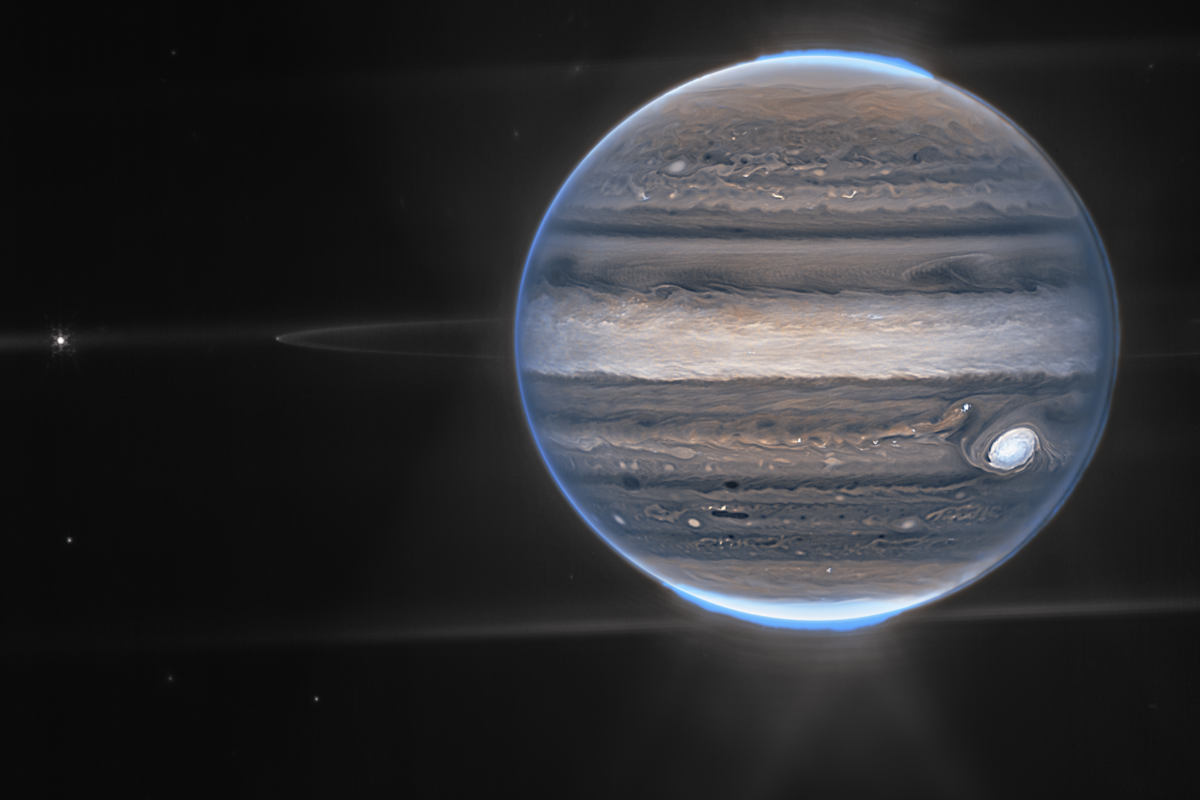
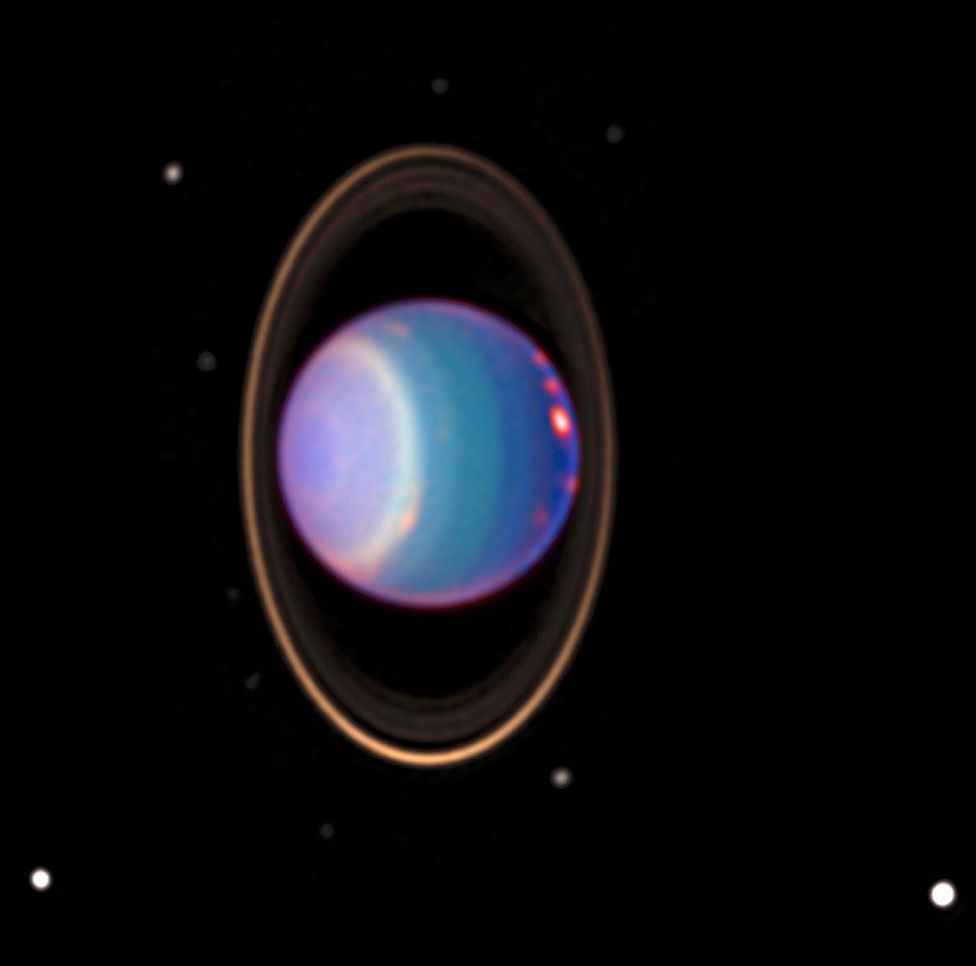
Courtesy NASA. Note that the blue, white, green, yellow, and orange colors are artificial, only added to make features revealed by infrared stand out for human eyes. You can see the planet’s rings, aurora, and two “tiny” moons (at left; they’re not really that tiny!).
“We’ve never seen Jupiter like this. It’s all quite incredible,” said planetary astronomer Imke de Pater, of the University of California, Berkeley, who helped lead the observations.
“We hadn’t really expected it to be this good, to be honest,” she added in a statement.
The above is supposed to be in “quote” format, but WP really messed up this feature when they switched to so-called “block” mode (which I can’t stand).
Anyway, the image is fairly spectacular, from the new James Webb Space Telescope which is positioned 1 million miles away from Earth (i.e., in the second LaGrange point, or L2).
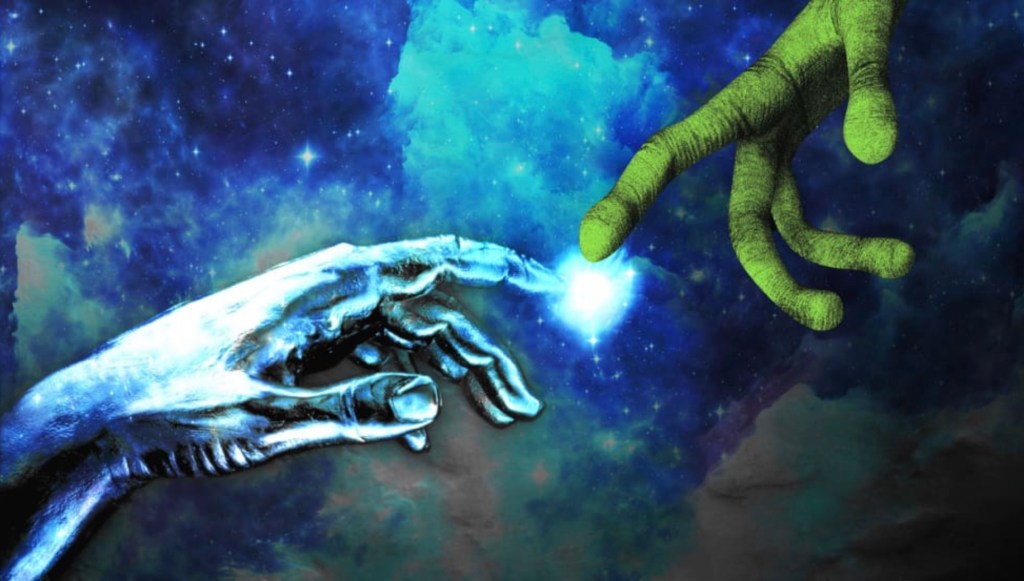
Our search for alien life is getting serious. With better telescopes and a growing scientific consensus that we’re probably not alone in the universe, we’re beginning to look farther and wider across the vastness of space for evidence of extraterrestrials.
But it’s possible we’re looking for too few signs in too few places. Having evolved on Earth, surrounded by Earth life, we assume alien life would look and behave like terrestrial life.
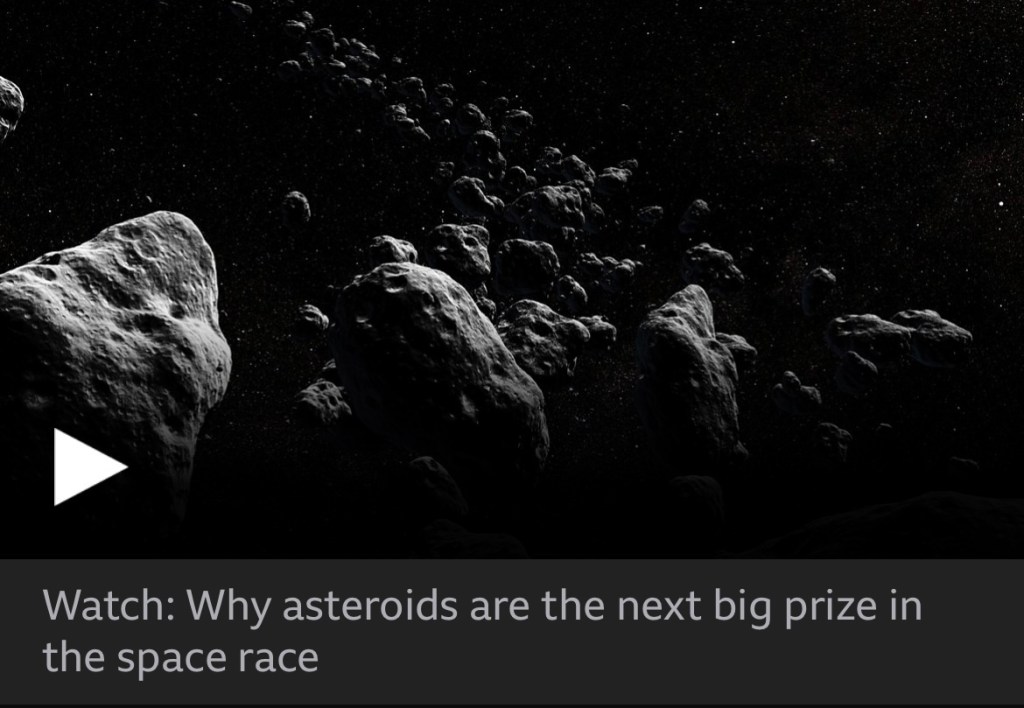
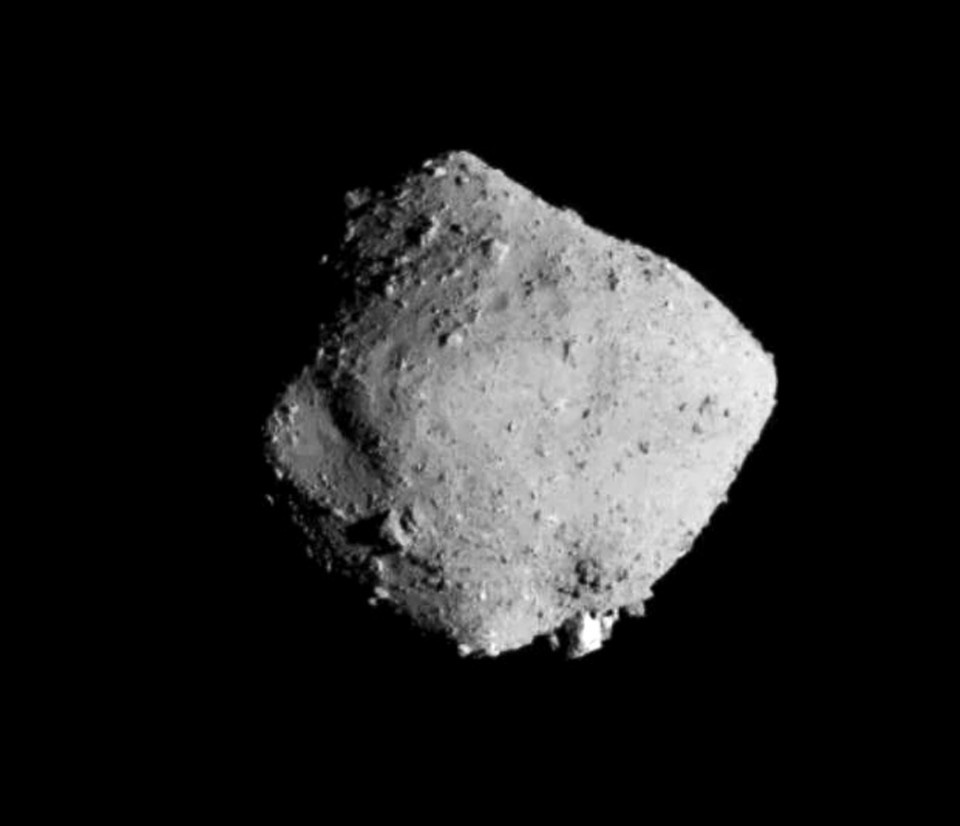
More than 20 types of amino acids have been detected in samples Japan’s Hayabusa2 space probe brought to Earth from an asteroid in late 2020, a government official said Monday, showing for the first time the organic compounds exist on asteroids in space.
This lends support to the hypothesis that life on Earth was brought to it during the Late Heavy Bombardment period – in which meteors brought not just water but the building blocks of life…
Now imagine if someone were to find an asteroid with addition proteins NOT found on Earth… (i.e., my novel’s scientific premise…)
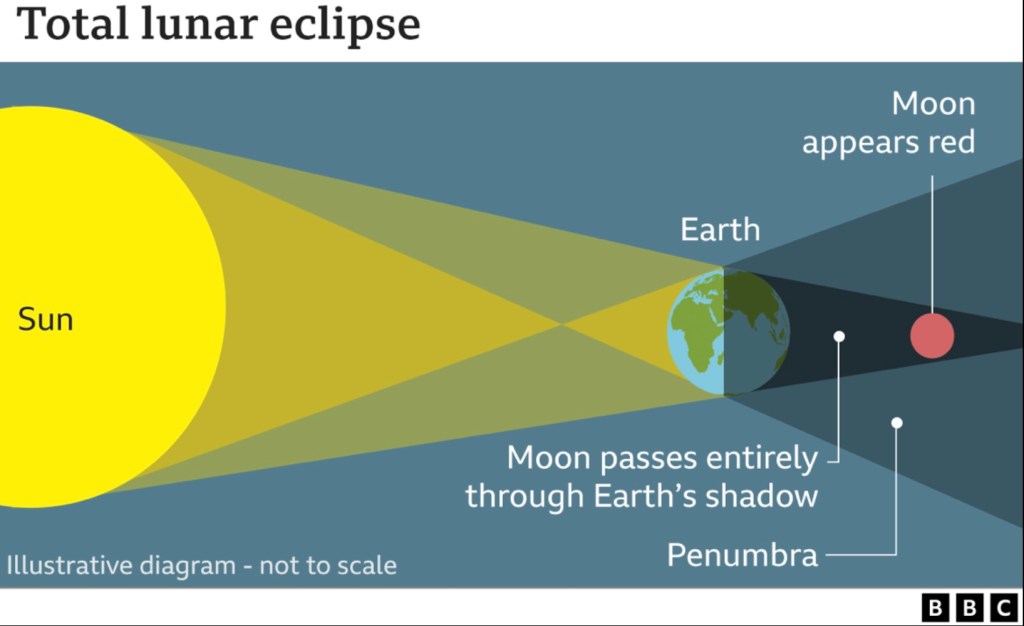
I love the “illustrative diagram” note for people who might complain this is not scientifically accurate due to scale.
…if you are lucky enough to live Western Europe, parts of northwestern Africa, and some of the Americans…
As for why the Moon appears red…
“You’ll actually be seeing every sunrise and every sunset occurring around the Earth at once. All of that light will be projected on to the Moon.” (Dr Gregory Brown, Royal Observatory
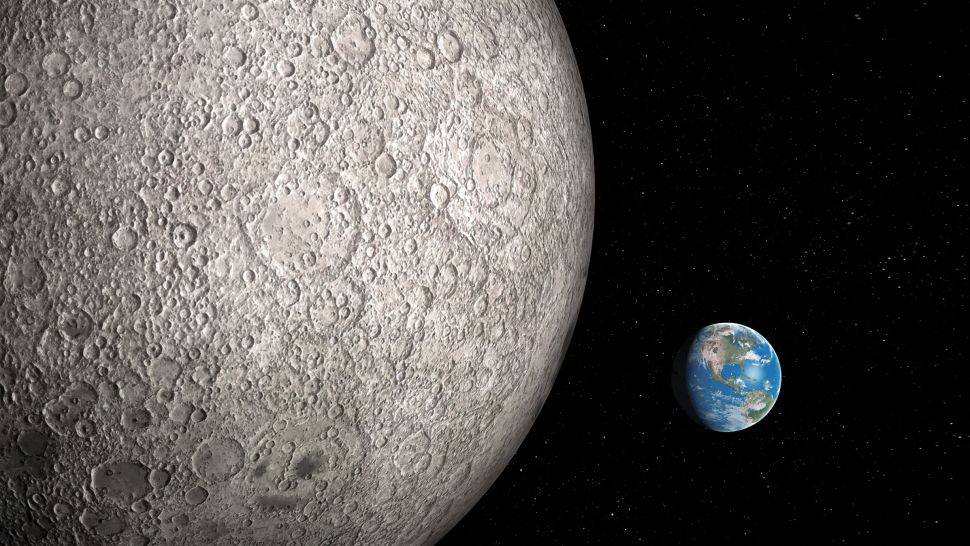
And if you happened to be standing on the Moon at the time, you’d see a blood ring encircling the Earth in front of you (ah, assuming you were not on the other side of the Moon).
Come on. Somebody has got to figure out how to get a picture of that.
“Researchers think an in-depth study of Uranus can help them better understand the many similarly sized objects now being discovered around other stars.“
Uranus’s strange tilt is probably due to getting smacked by a very large body a long time ago…
Uranus is weird. It has rings. It has 13 moons, some of which may harbor life beneath their icy surfaces.
It has a funny name.
I get it. But learning more about how its formation affects planet formation is just not that important.
“Pure” researchers probably are interested, but frankly, if NASA wastes its time doing this, they will miss the opportunity to settle the Moon and Mars, mine asteroids for valuable resources, and explore other moons like Titan and Europa.
China will get there first.
Pure research is all fine and dandy, but it’s also incredibly expensive — taxpayer dollars should be spent on projects with more tangible benefits.
“Perhaps most intriguing among the documents are the several dozen Defense Intelligence Reference Documents (DIRDs), which discuss the viability of various “advanced technolog[ies].” This collection includes reports on “traversable wormholes, stargates, and negative energy,” “high-frequency gravitational wave communications,” “warp drive, dark energy, and the manipulation of extra dimensions,” and many other topics that will sound familiar to fans of science fiction.”