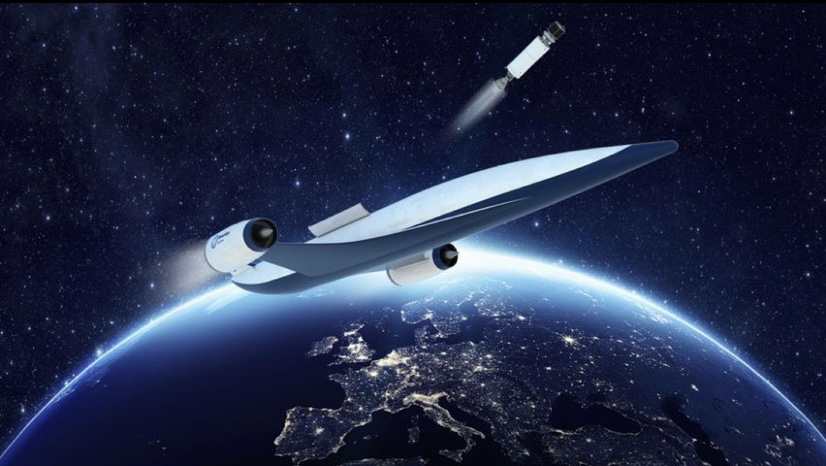
NASA ended the US’s interest in spaceplanes when it scrapped the shuttle fleet a decade ago.
But other space agencies and private companies in other countries are very much in the game. ESA, India, even the UK.
And, of course…
Whichever future the spaceplane does have, it will involve China. “We know very little about the launch [of China’s experimental spaceplane],” says Deville. “But it shows that China is serious about developing its spaceplane concepts.”
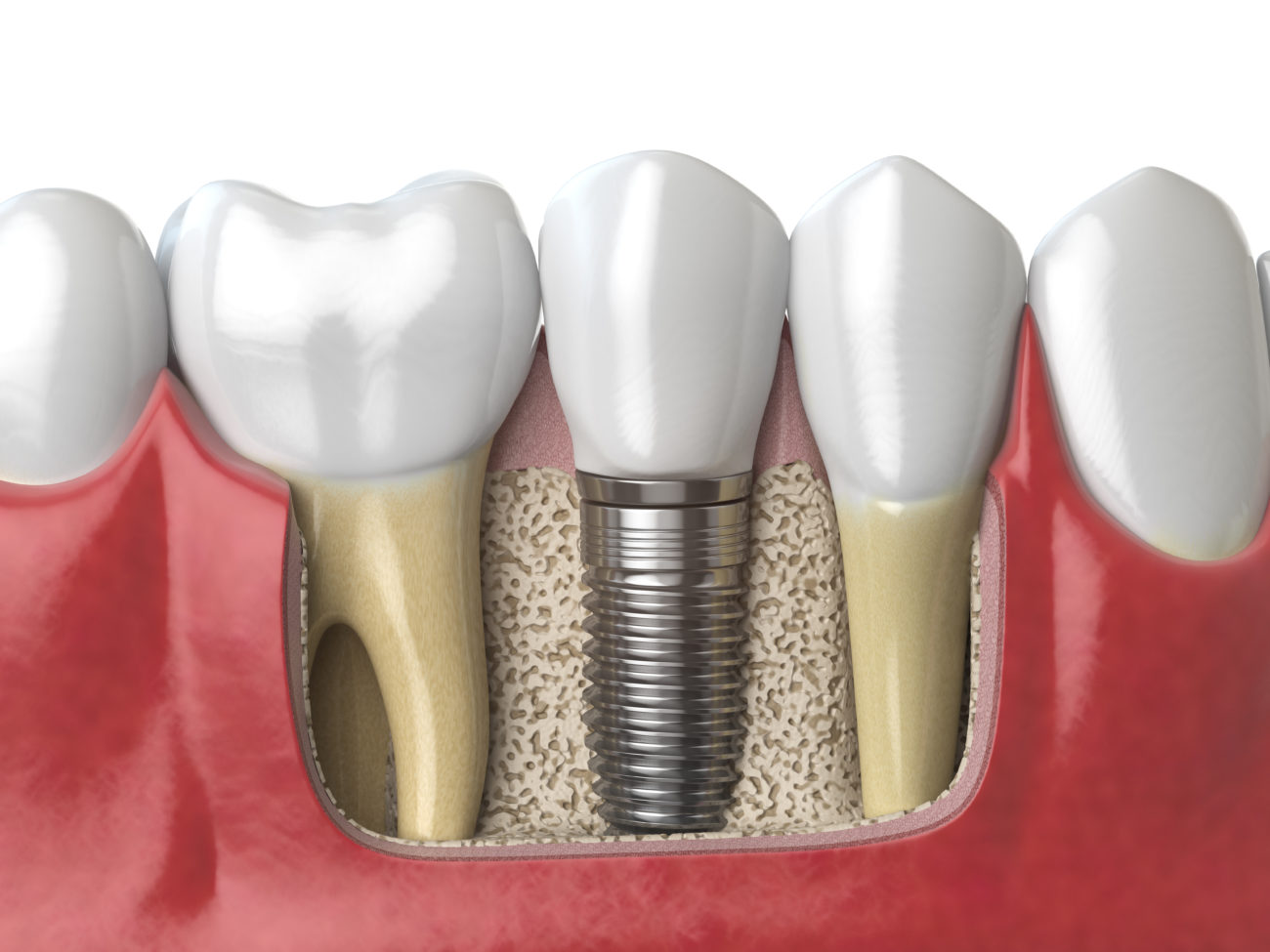
This past Thursday I got a metal spike screwed into my jaw.
And it hurt.
But not as badly as I feared. To be honest, it’s all my fault. Well, all my 20-year-old-self’s fault. Too much soda and not enough brushing and flossing in college.
It’s a small step. It applies only to companies that are working with NASA; it pertains only to U.S. lunar landing sites; it implements outdated and untested recommendations to protect historic lunar sites implemented by NASA in 2011. However, it offers significant breakthroughs. It is the first legislation from any nation to recognize an off-Earth site as having “outstanding universal value” to humanity, language taken from the unanimously ratified World Heritage Convention.
The author believes this shows that “nonpartisan” desire to journey to space and preserve human heritage.
Hmm.
Well, I do agree with the assessment that it’s only a matter of time before the Moon is occupied by multiple political entities (China, India, Russia, the US, ESA…) and probably even a few private enterprises as well. Will the private company-sponsored missions agree to abide by a US law?
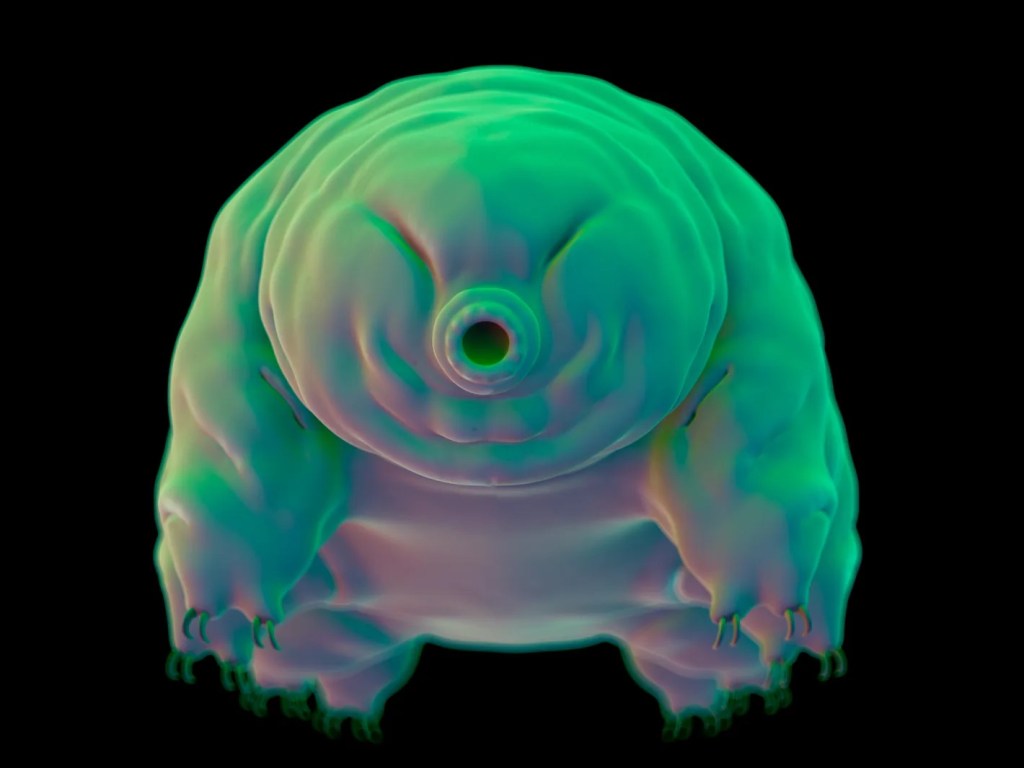
Despite the impact, scientists believe that if anything survived the crash intact, it may well have been the tardigrades. The microscopic creatures were sandwiched between micron-thin sheets of nickel and suspended in epoxy, a resin-like preservative that acts like a jelly — potentially enough to cushion their landing.
This family of comets originated from a large parent comet that broke up into smaller fragments well over a thousand years ago. The sungrazers continue to orbit around the sun today.
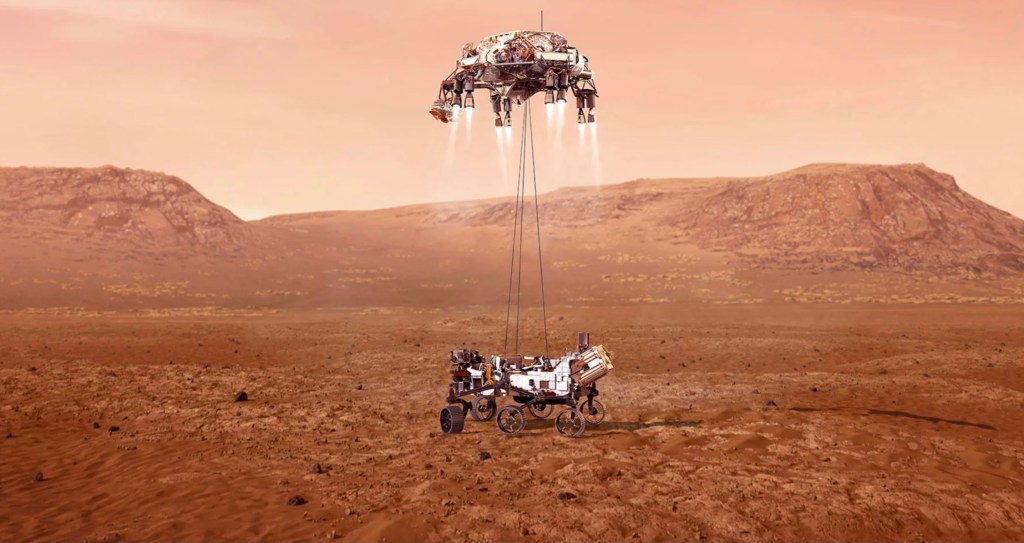
Despite the lack of large marsquakes, the researchers were able to estimate how thick Mars’ crust is. They predict it has three layers—but possibly two—that are between 12.4 and 23 miles thick, reports Nature. Mars’ crust is considerably thinner than that of Earth, which can be up to 25 miles thick—and that’s surprising, reports Science.