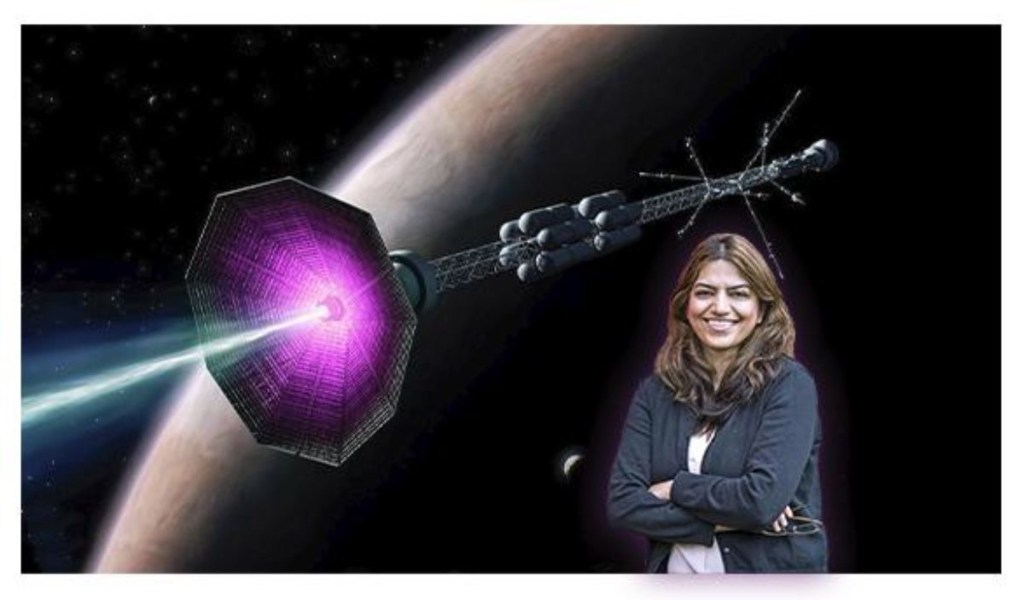
A crewed mission to Mars may be more practical thanks to a new rocket concept developed by Fatima Ebrahimi, a physicist at the US Department of Energy’s (DOE) Princeton Plasma Physics Laboratory (PPPL), that uses magnetic fields to generate thrust.
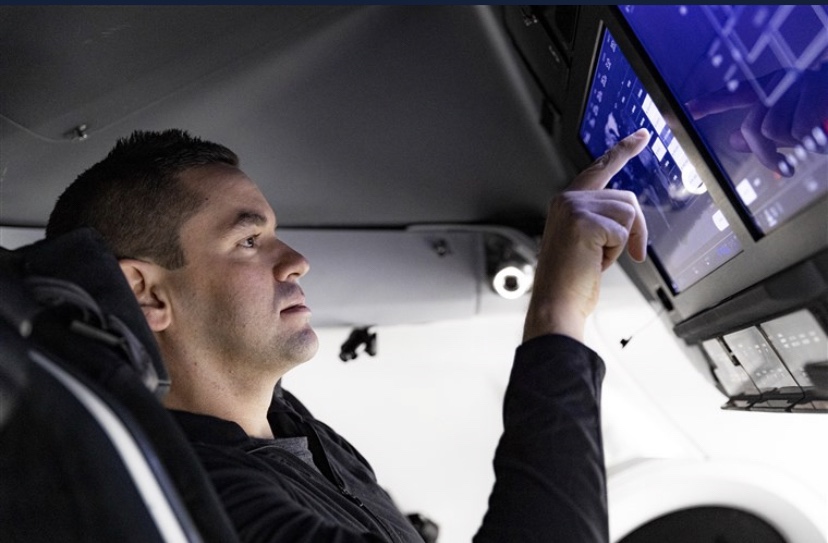
The CEO of an online payment company is the perfect leader for an emergency in outer space.
OK, hands up who thinks this is a really super dumb and risky idea but isn’t terribly surprised by the super dumb and risky things Musk continually blurts out? 🤷♂️
It’s hard to believe that it’s been 35 years since the disaster that claimed the lives of all seven Space Shuttle Challenger crew members.
I remember it well. Being sent home early without being told. Watching the TV news at home in silent shock with my parents and younger siblings, tears streaming down our faces.
President Reagan’s speech at Congress, made in the place of the traditional State of the Union address, ended with “they slipped the surly bonds of Earth…and touched the face of God.” Probably the finest and most decent thing he ever did (even my parents, who voted for Jimmy Carter and Walter Mondale and intensely disliked Reagan and everything he stood for, couldn’t help but be moved by his words that day).
Thoughtless jokes circulated our school the next week or two. (“What’s the last thing Christa MacAuliffe said to her husband? “You feed the dog; I’ll feed the fish.”)
There was a morbid fascination with the way in which the Challenger crew met their fate. My friends came up with all sorts of gruesome stories they claimed to have “heard,” mostly about body parts washing up on beaches around the Caribbean.
The fact is, we were traumatized. Kids do all sorts of insane things to hide their fears, insecurity, and general inability to answer the question what am I supposed to feel/do/say about this?
Challenger marked a turning point in the US space program. It set NASA back in many ways but also provided great insight into what needed to be fixed, what needed to be done to push forward our knowledge of space and the great beyond.
There is/was no going back. Humanity is a space-faring race and must continue to strive to reach beyond its grasp…”Or what’s a heaven for?”
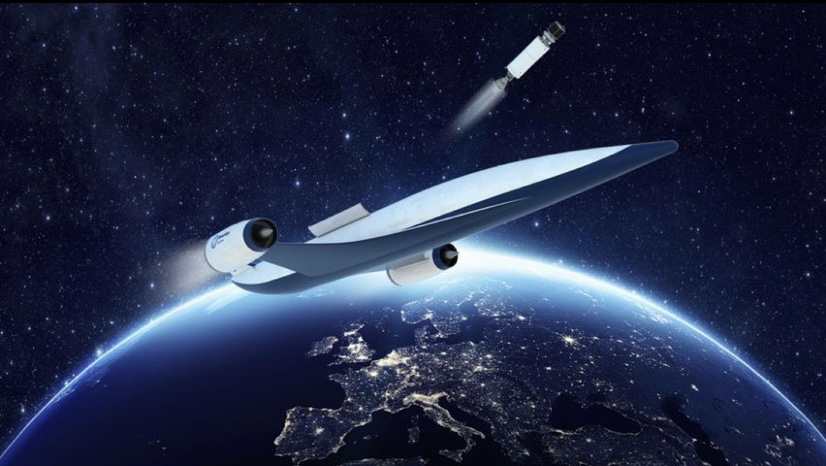
NASA ended the US’s interest in spaceplanes when it scrapped the shuttle fleet a decade ago.
But other space agencies and private companies in other countries are very much in the game. ESA, India, even the UK.
And, of course…
Whichever future the spaceplane does have, it will involve China. “We know very little about the launch [of China’s experimental spaceplane],” says Deville. “But it shows that China is serious about developing its spaceplane concepts.”
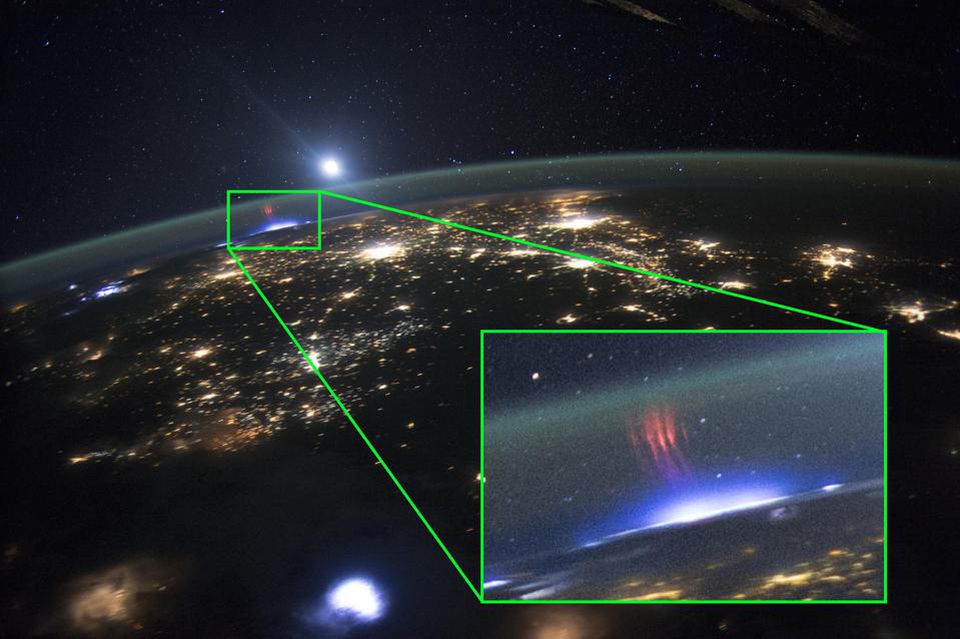
Above the lightning, “red sprites” can be seen (plasma discharges).
Known about since 1886, not photographed until 1989….and now known to occur on Jupiter.
Check out this page for some amazing photos…
“NASA captures blue jets and red sprites above thunderstorms from space” (somebody needs to help Forbes with its grammar…”from space” is a misplaced modifier…)
This past Thursday I got a metal spike screwed into my jaw.
And it hurt.
But not as badly as I feared. To be honest, it’s all my fault. Well, all my 20-year-old-self’s fault. Too much soda and not enough brushing and flossing in college.
It’s a small step. It applies only to companies that are working with NASA; it pertains only to U.S. lunar landing sites; it implements outdated and untested recommendations to protect historic lunar sites implemented by NASA in 2011. However, it offers significant breakthroughs. It is the first legislation from any nation to recognize an off-Earth site as having “outstanding universal value” to humanity, language taken from the unanimously ratified World Heritage Convention.
The author believes this shows that “nonpartisan” desire to journey to space and preserve human heritage.
Hmm.
Well, I do agree with the assessment that it’s only a matter of time before the Moon is occupied by multiple political entities (China, India, Russia, the US, ESA…) and probably even a few private enterprises as well. Will the private company-sponsored missions agree to abide by a US law?