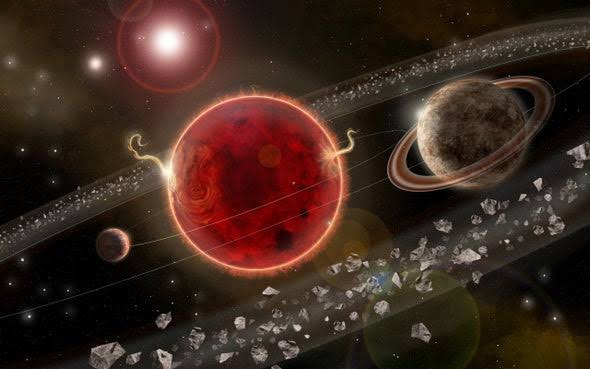
“Proxima is our closest neighbor in an immense universe. How could we not be charmed by it?”
Well, the planet may or may not exist (the confirmation data won’t be publicly available for another couple years).
And it is most likely not inhabitable — despite being dubbed a “Super-Earth” (which really only refers to size and not whether it’s “Earth-like” or not).
“We tried different tools to prove ourselves wrong, but we failed. However, we have to keep the doors open to all possible doubt and skepticism.”
Yes, the astronomers tried to prove their own discovery was a mistake. That’s how it works, folks. Challenge your assumptions, not jump to conclusions. Continue Reading
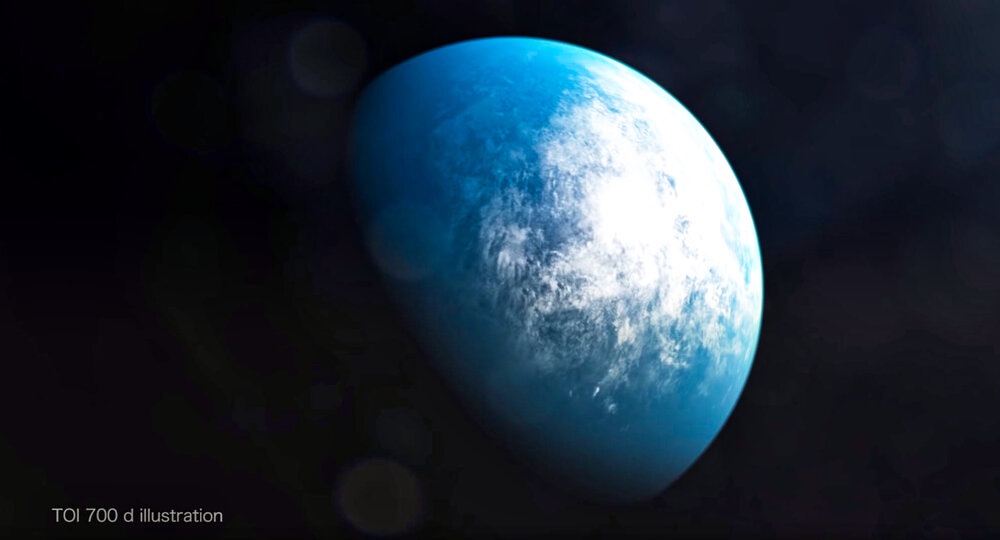
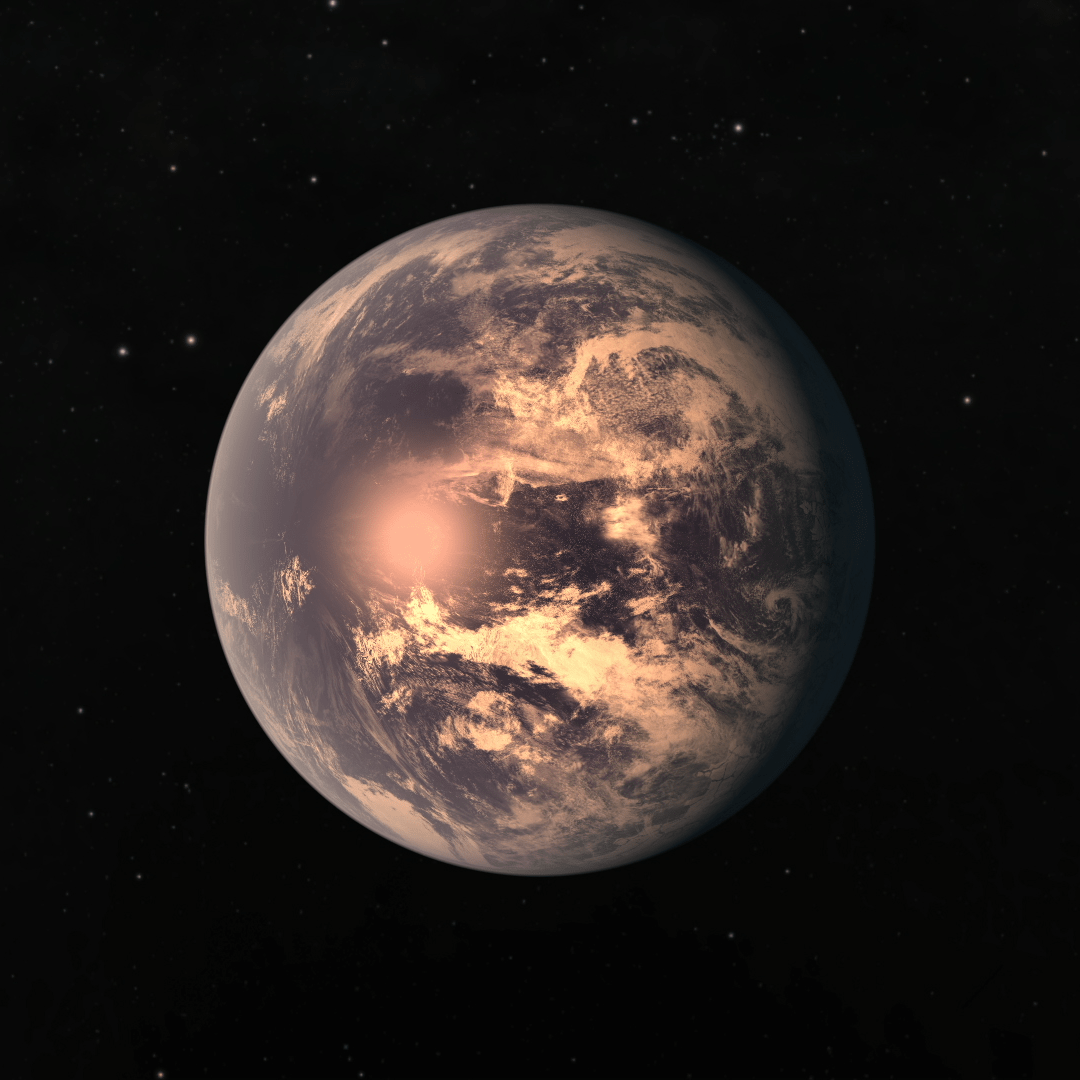
The newly discovered exoplanet, called TOI 700 d, is located about 100 light-years away from us and is roughly 20% larger than Earth.
Okay, not exactly close, but looking good…
A year on TOI 700 d takes 37 days.
Um. Wait. What?
One thing astronomers have discovered though is that TOI 700 d is tidally locked to its star, which means that one half bathes in eternal sunlight, and the other half always exists in darkness.
Oy.
And even better…
One of the burning questions is whether the planet has an atmosphere or not.
If you find a big rock in your backyard, and you can’tbreak it open with normal tools, guess what?
The researchers argue that the Maryborough meteorite is much rarer than gold. It’s one of only 17 meteorites ever recorded in the Australian state of Victoria, and it’s the second largest chondritic mass, after a huge 55-kilogram specimen identified in 2003.
This next bit is more interesting to me:
“Other rare meteorites contain organic molecules such as amino acids; the building blocks of life.”
Do they have atmospheres and how thick are they? What kind of clouds? Do they possess oceans on their surface? Do they have rings and moons? Cheops ought to be able to address such questions just from looking for these tiny dips in light during a transit.
ESA finally does something! Wow. Go Europe!
I love how BBC says “The Americans” when referring to NASA, as if a) American is an ethnic group and b) all NASA scientists are American.
But anyway…
Prof Didier Queloz, who won this year’s Physics Nobel for discovering the first planet orbiting a Sun-like star in 1995, was on hand to watch the launch.
After completing its first year of observations in the southern sky, NASA’s Transiting Exoplanet Survey Satellite has spotted some intriguing new exoplanets only 31 light-years away from Earth.
Um. “Only” 31 light years.
One planet is 22% larger than Earth, has a surface average of around 490ºF, and a year of just under 4 days.
Another is more than 6 times the size of Earth, is a balmy -64ºF, and a year of about 56 days.
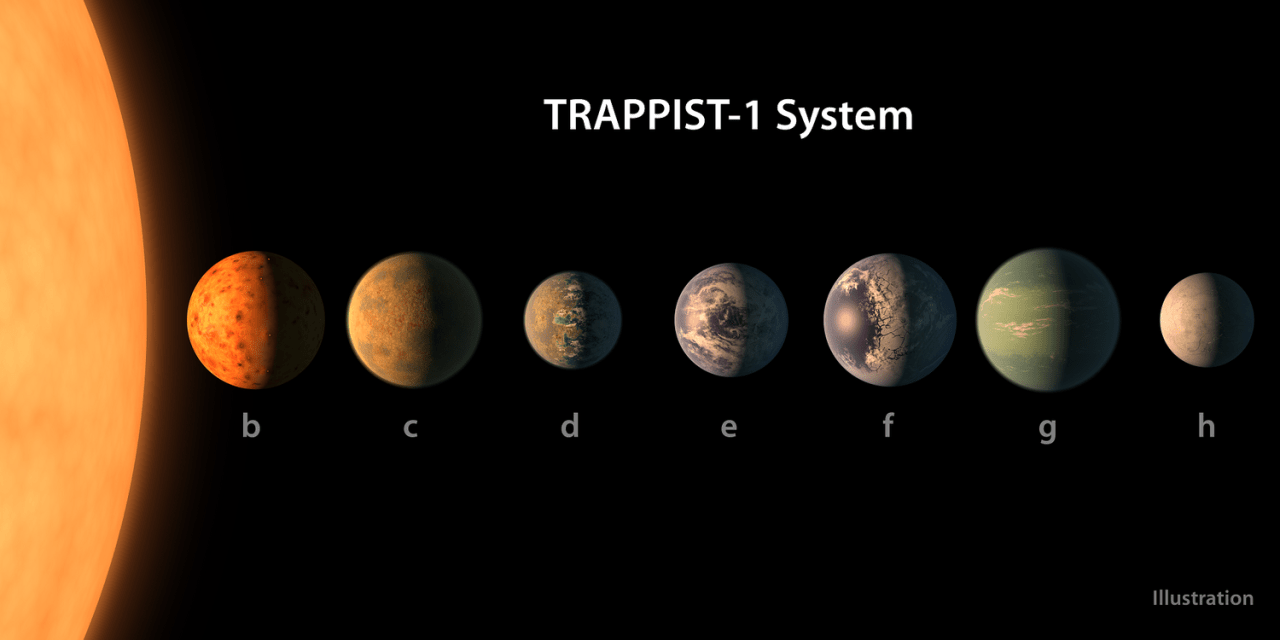
In February of 2017, a team of European astronomers announced the discovery
of a seven-planet system orbiting the nearby star TRAPPIST-1. Aside from
the fact that all seven planets were rocky, there was the added bonus of
three of them orbiting within TRAPPIST-1’s habitable zone. Since that time,
multiple studies have been conducted to determine whether or not any of
these planets could be habitable.
What’s up with the boring names?
I propose we call them Liesl, Friedrich, Louisa, Kurt, Brigitta, Marta, and Gretl. The most habitable is Kurt, because he’s so magnetic.
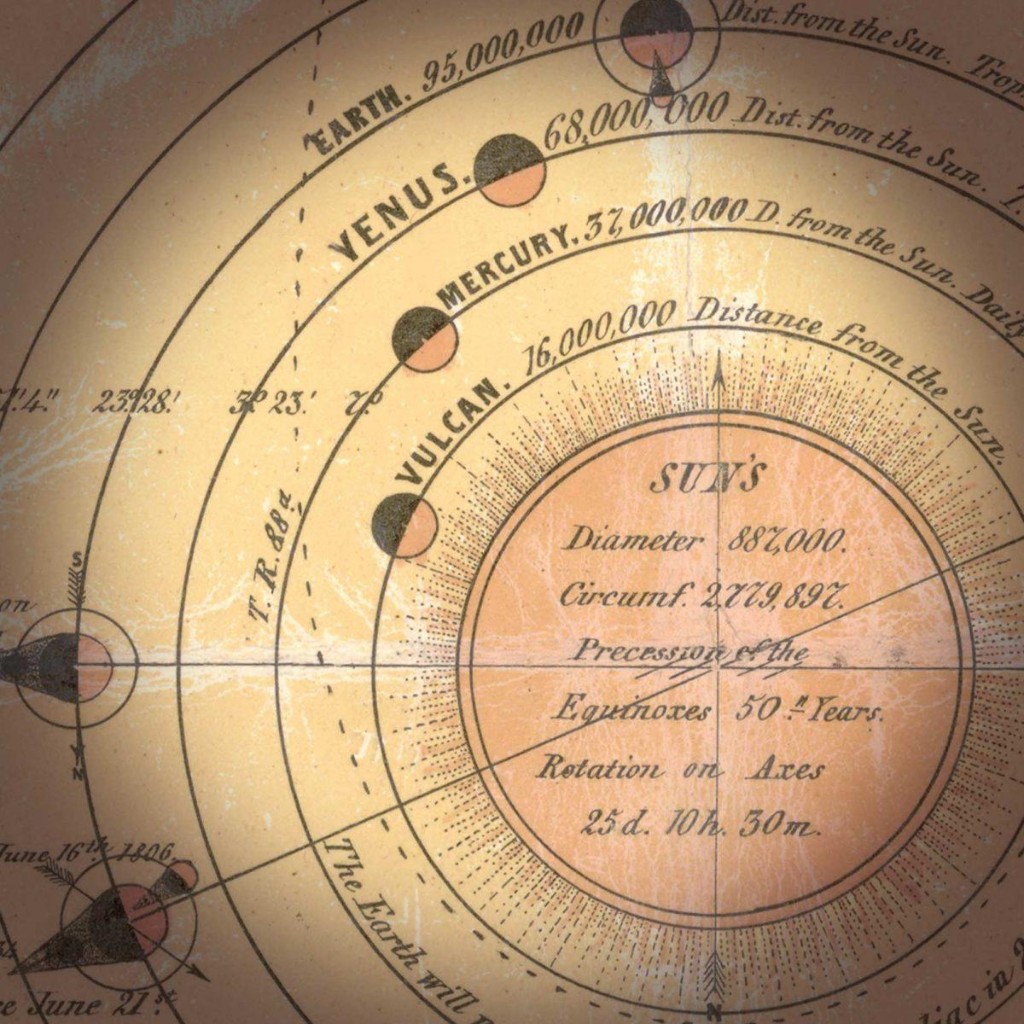
As a kid I remember reading about “Vulcan,” which people used to think existed between Mercury and the Sun but always orbited on the opposite side.
Completely fictional, of course.
But…
Vulcan made a comeback as the fictional home of Spock in Star Trek. It was said by Star Trek creator Gene Roddenberry to be orbiting around 40 Eridani (also called HD 26965), a triple star system in the constellation of Eridanus “the river” in the southern hemisphere just 16 light years distant. In September 2018, astronomers at the University of Florida in Gainesville found a “super-Earth” exoplanet orbiting exactly where Vulcan was said to be.
In their presentation, the researchers jokingly compared the planet to Hoth – the icy planet made famous in one of the “Star Wars” movies, when Luke Skywalker’s steed (a fictional lizard species called a Tauntaun) dies and he must stay warm by burrowing into its intestines.
Yay, science. And only six light years away!
Which, since Alpha Centauri at four light years away only takes 137,000 years to get to, would only take…er…just a few ten thousand more years…Hmm…







 M Thomas Apple Author Page