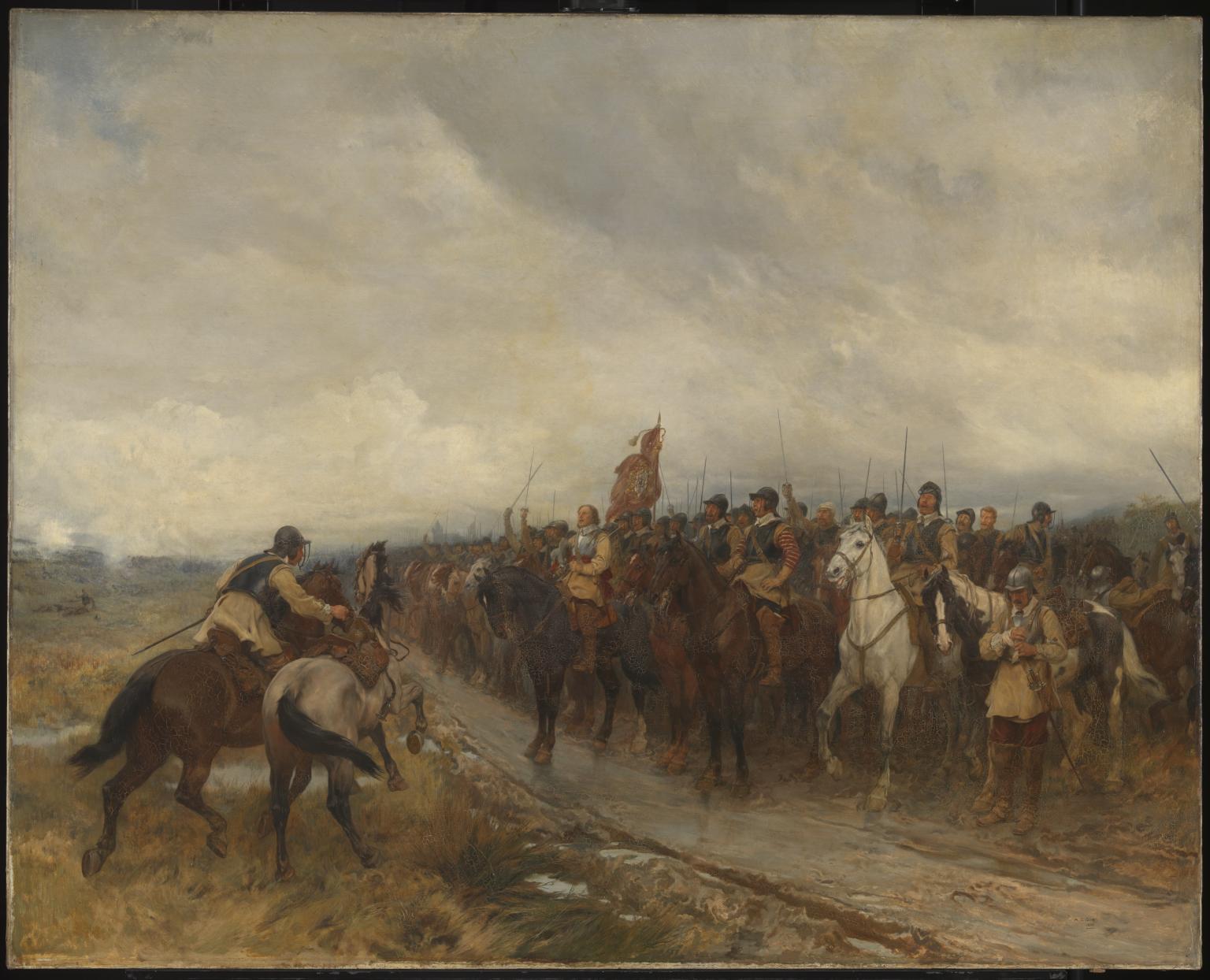
Cromwell at Dunbar 1886 Andrew Carrick Gow 1848-1920 Presented by the Trustees of the Chantrey Bequest 1886 http://www.tate.org.uk/art/work/N01588 (c/o Wikimedia Commons)
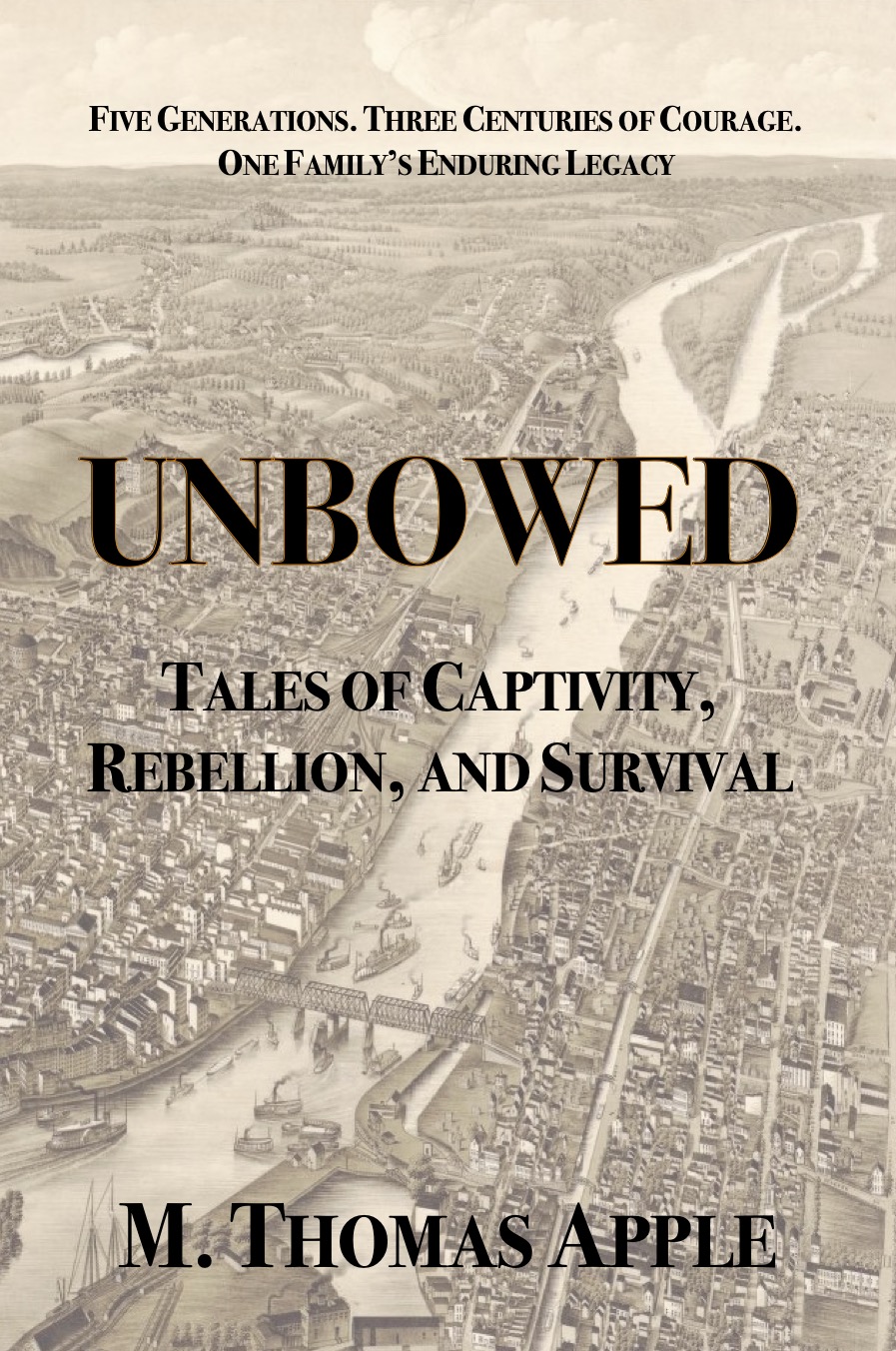
This is the first of a series of posts introducing the five-part historical fiction novel Unbowed, which will be published in November 2026. All five parts are based on true events and real people – my ancestors.
Most students of American history are familiar with the standard narrative of New England’s early settlers: the Mayflower, the Puritans, and the quest for religious freedom. But there is a darker, hidden foundation stone buried beneath the soil of early Massachusetts. It is a story born of cold rain, political betrayal, and a brutal military disaster that history has largely allowed to slip through its cracks.
It began on the stormy morning of September 3, 1650, in a muddy marshland just outside the Scottish town of Dunbar…
If you open an early American historical ledger, you will witness a quiet, bureaucratic violence.
On the yellowed pages of parish registers, military rolls, and census tracts, the names of ordinary people undergo a strange, unsettling metamorphosis. A proud Scottish surname is flattened by an English soldier’s hurried quill. A French-Canadian patronym is chopped and mangled to fit the tongue of an Anglo-American land agent. A German-Dutch identity is phoneticized into oblivion by colonial tax collectors.
If you look into your own family history and encounter a sudden, bizarre shift in the spelling of an ancestor’s name, you aren’t looking at a simple clerical mistake.
Spanning nearly three centuries of displacement, warfare, and resilience, Unbowed tracks a grand historical mosaic across five distinct cultural lines. It features ordinary people caught in the violent machinery of changing empires:
Part I: A captive Scottish soldier from the English Civil War surviving a harrowing winter crossing as an indentured asset to a rigid Puritan iron works, his family is later tested by the paranoia of the Salem Witch Trials.
Part II: A family fractured by a sudden, brutal wilderness raid in Saratoga, navigating French captivity and cultural adoption inside Mohawk longhouses.
Part III: A Palatine German community torn right down the middle by the fierce, neighbor-versus-neighbor civil conflicts of the Revolutionary War.
Part IV: A bilingual French-Canadian veteran fights for his place on a shifting border, navigating the psychological scars of Civil War combat in la survivance of Cohoes and Troy.
Part V: An immigrant Irish drayman and his literate son fighting to protect their family from a deadly, volatile ballot-box riot in a gritty, industrializing America.
At its core, this volume is about the universal war over identity. In an expanding nation, institutional erasure didn’t always arrive with a bayonet—often, it arrived with an inkwell.
Consider the real historical journey of the German name Bohnenstiehl, filtered through a Dutch-speaking Albany minister before being reformed by English officials into Bonesteel. Or an Anglo-Irish Bushell, phoneticized into Barsell or Bouschel simply because local clerks had never heard it before.
Our ancestors did not survive by remaining rigid. They allowed their names to be rewritten so that their bloodlines could continue to write themselves. They traded the spelling of their past to purchase their future.
Whether your own roots trace back to the colonial frontier or you simply love a sweeping, high-stakes historical epic, Unbowed is a tribute to the unbroken chain of ordinary people who refused to bend.
Over the next few weeks, I’ll be sharing exclusive behind-the-scenes glimpses into the real archival discoveries that inspired these stories right here on the blog.
Thank you for reading, exploring, and reclaiming these voices with me.
“Three things are needed for beauty: wholeness, harmony, radiance.” (as translated by “Stephen,” i.e., James Joyce.)
Or more simply integrity, consonance, clarity.
Note that the original is a bit longer, in St. Thomas Aquinas’ Summa Theologica:
Ad pulchritudinem tria requiruntur: Primo quidem integritas sive perfectio: quae enim diminuta sunt, hoc ipso turpia sunt. Et debita proportio sive consonantia. Et iterum claritas.
Today I talked to virtually no one for the first time in quite a while. It’s almost like meditation. Reminds me of what L said when we were out drinking Friday night (as usual). She and G were talking about scuba diving, about how being underwater hearing only your own breath and hardly being able to see anything unless it’s right in front of you gives you a feeling of being alone in the universe, a feeling of vulnerability and isolation, of insignificance. I commented, “That’s just like meditation.” No reaction.
I don’t need to go scuba diving in the Philippines to experience such a feeling.
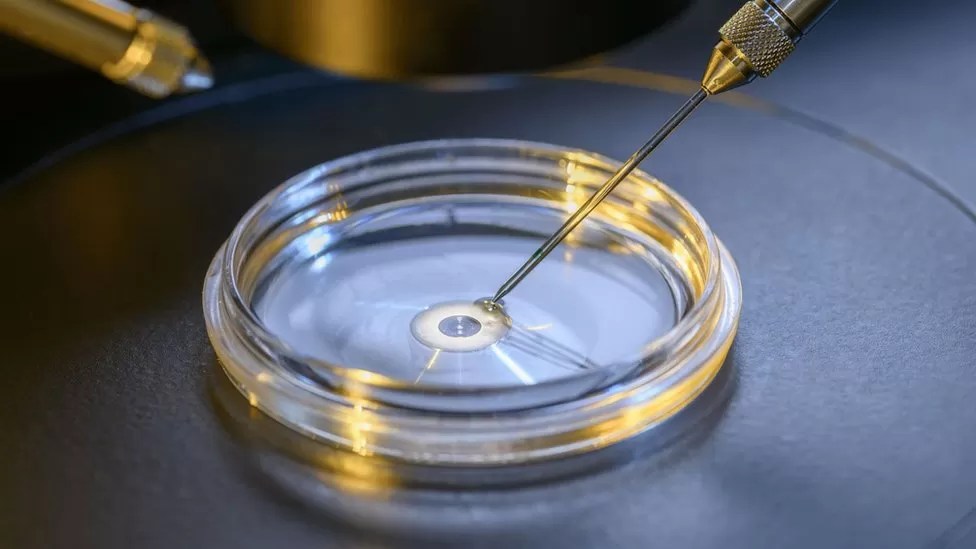
This is the first time that has been achieved using human material. Although, they are not truly “synthetic”, as the starting material was cells cultured from a traditional embryo in the laboratory.
Great, but…
She has already developed synthetic mouse embryos with evidence of a developing brain and beating heart.
Come on, BBC. I think you can see where this is going…
Meanwhile, scientists in China have implanted synthetic monkey embryos into female monkeys – although, all the pregnancies failed.
Yep. Straight to the monkey house.
Seriously, did scientists actually think this was not going to cause a whole lot of people to get upset all over again?
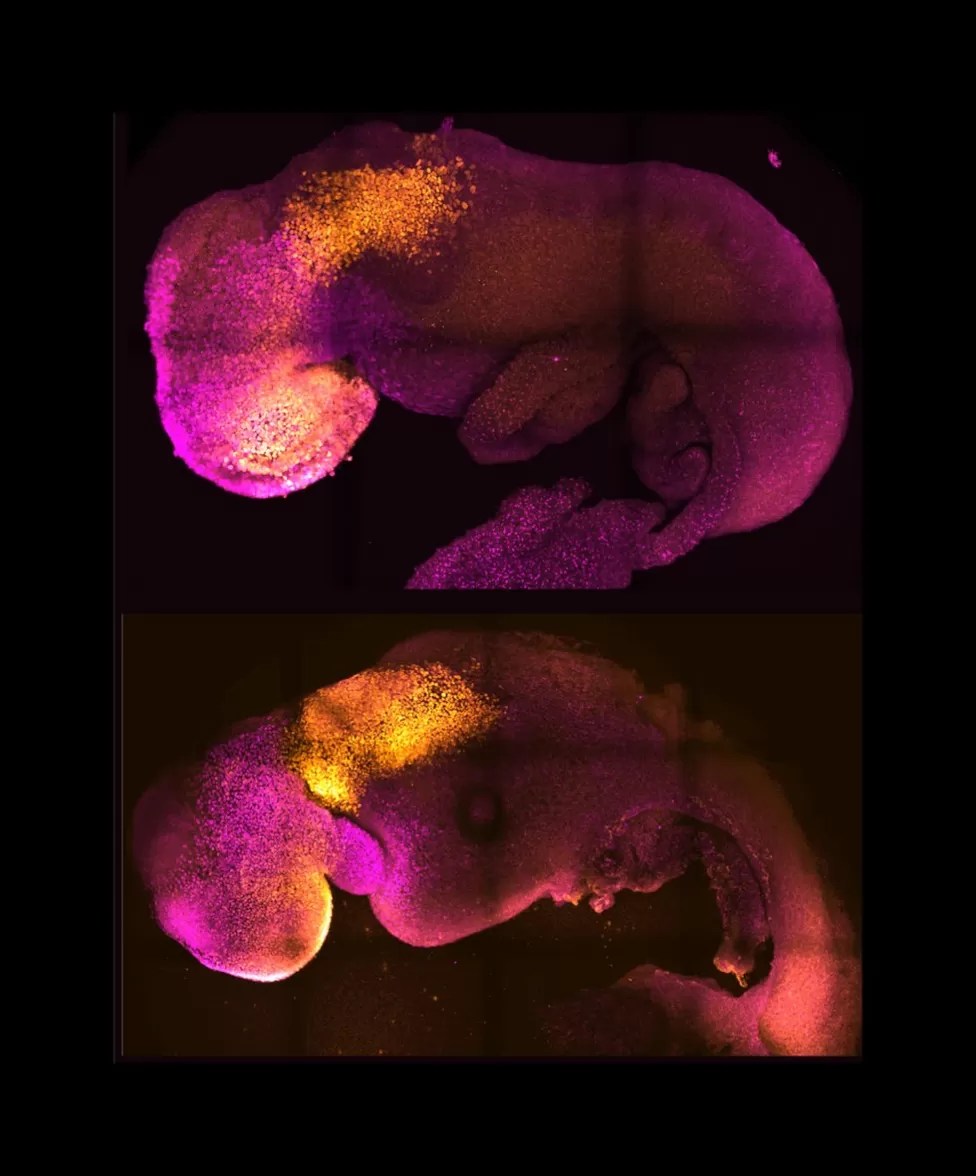
Natural embryo (top), synthetic embryo (bottom). They look pretty similar…
This may indeed be a good way to study infertility causes and how embryos develop, but even the possibility of creating an embryo from a stem cell should have set off warning bells. 14-day limit or not, somebody’s going to get really tempted to do something else with them…
I’m thinking up all sorts of SciFi stories from this…
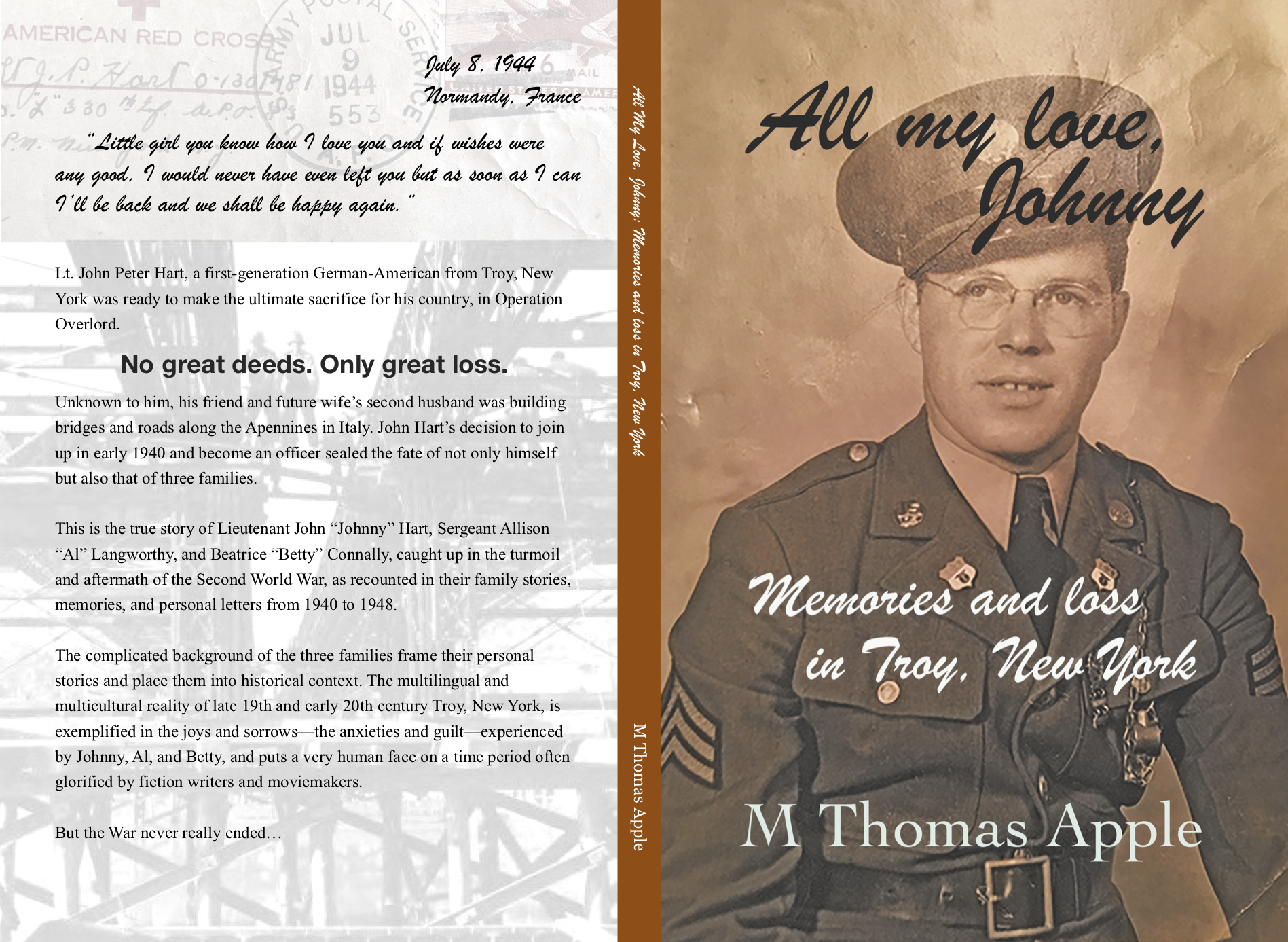
“Over sixteen million Americans served during World War II and this story offers in rich detail the story of two men in uniform and a woman they both cared about. A story of love and tragedy that is more representative of the experiences of many that served than the ones often told of generals and politicians. A story that needs to be told and remembered.”
— Dr. Rick Derrah, Professor of Social Studies, Kindai University, Osaka; former US Army E-4 Specialist
“Not only is this a touching and interesting family story, it is a great snap shot of the war and its effects, as well as Trojans and Troy history connection.”
— Don Rittner, historian, former Albany City Archaeologist and founder of the Pine Bush Historic Preservation Project
“Proxima is our closest neighbor in an immense universe. How could we not be charmed by it?”
Well, the planet may or may not exist (the confirmation data won’t be publicly available for another couple years).
And it is most likely not inhabitable — despite being dubbed a “Super-Earth” (which really only refers to size and not whether it’s “Earth-like” or not).
“We tried different tools to prove ourselves wrong, but we failed. However, we have to keep the doors open to all possible doubt and skepticism.”
Yes, the astronomers tried to prove their own discovery was a mistake. That’s how it works, folks. Challenge your assumptions, not jump to conclusions. Continue Reading