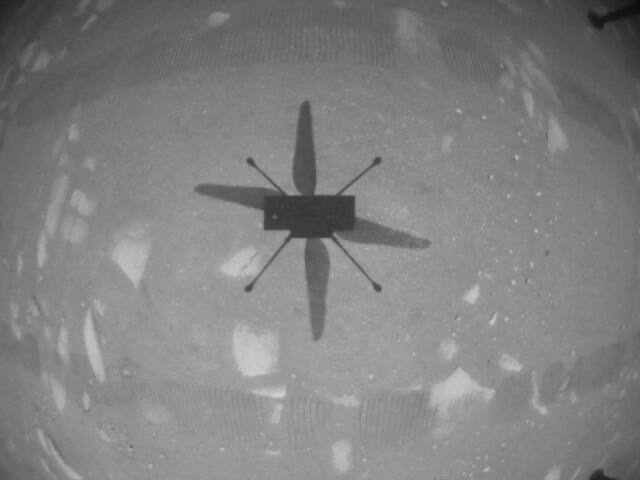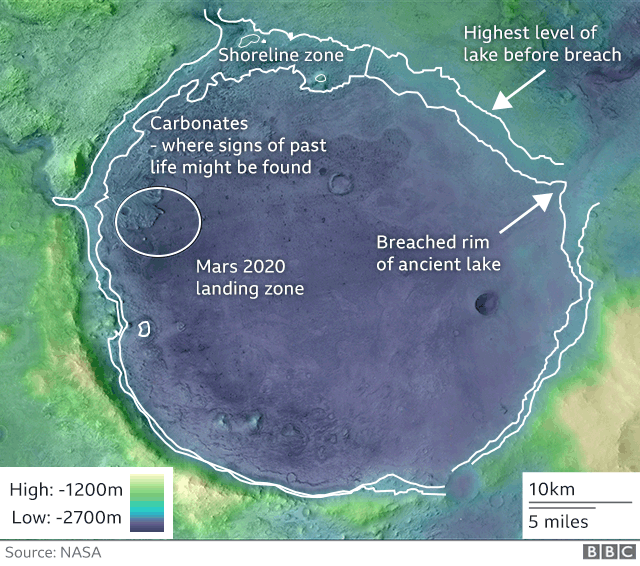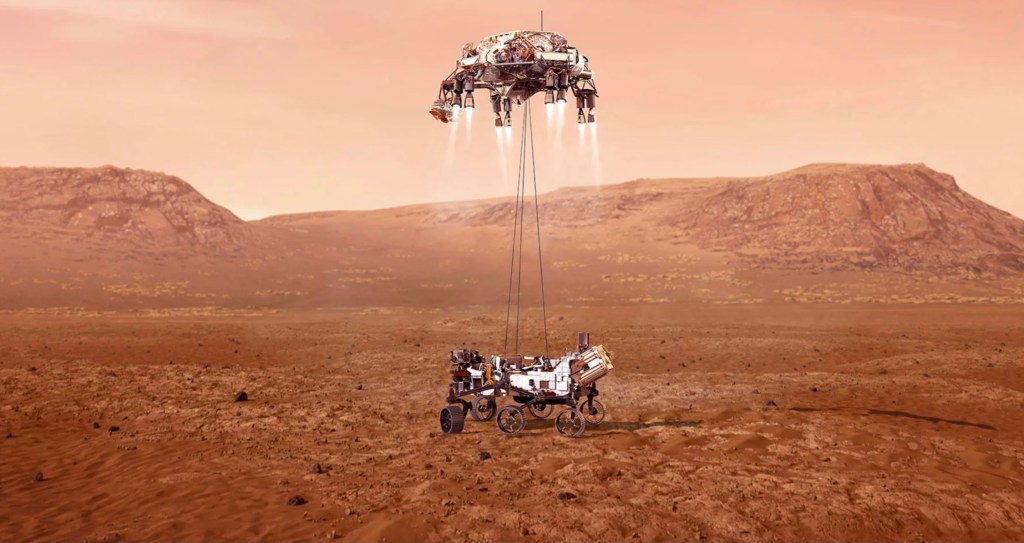
Great job, NASA! Landing on Mars is always a tricky business.
Now all Perseverance has to do is find traces of life, save it without contamination, and then wait for another rocket, another rover, and a satellite to get in orbit so the samples can be sent back to Earth.
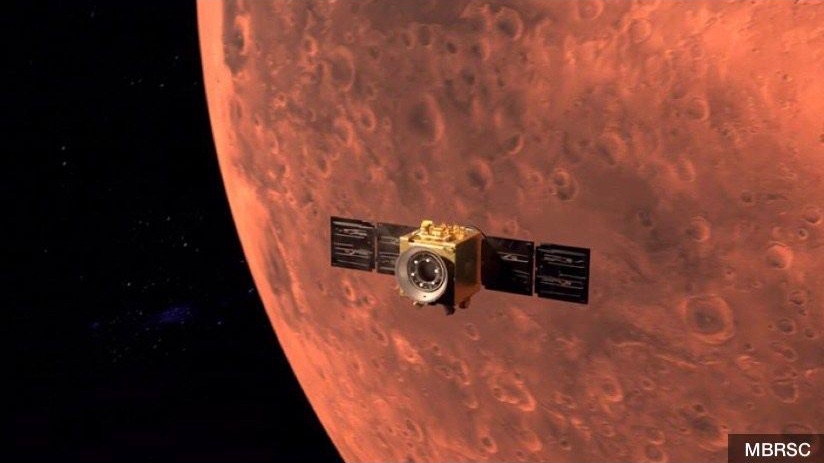
Congratulations, UAE! The Hope Probe (al-Amal) successfully entered Mars orbit on February 9th.
Made in the US (Boulder, Colorado) and the United Arab Emirates (Dubai) and launched from Japan, it shows what hat can be accomplished through international cooperation instead of competition.
Maybe it is truly Hope, after all, and not just for Arab states.
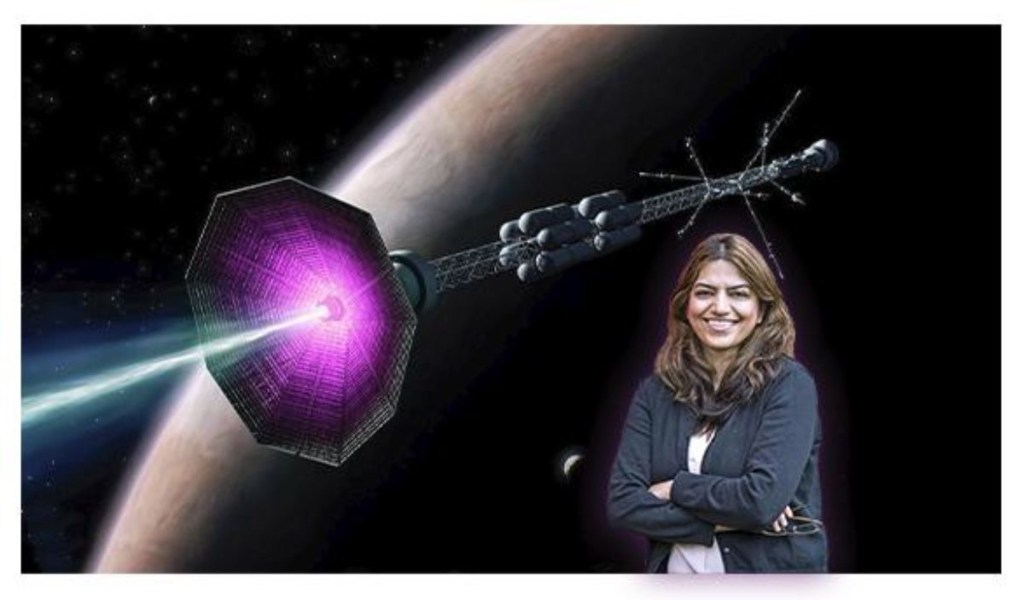
A crewed mission to Mars may be more practical thanks to a new rocket concept developed by Fatima Ebrahimi, a physicist at the US Department of Energy’s (DOE) Princeton Plasma Physics Laboratory (PPPL), that uses magnetic fields to generate thrust.
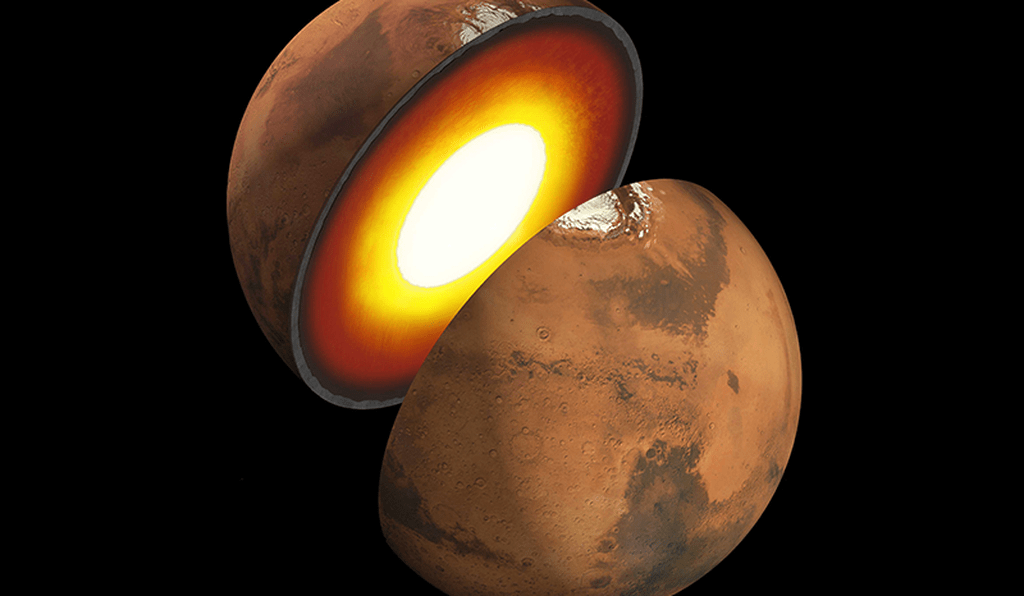
Despite the lack of large marsquakes, the researchers were able to estimate how thick Mars’ crust is. They predict it has three layers—but possibly two—that are between 12.4 and 23 miles thick, reports Nature. Mars’ crust is considerably thinner than that of Earth, which can be up to 25 miles thick—and that’s surprising, reports Science.
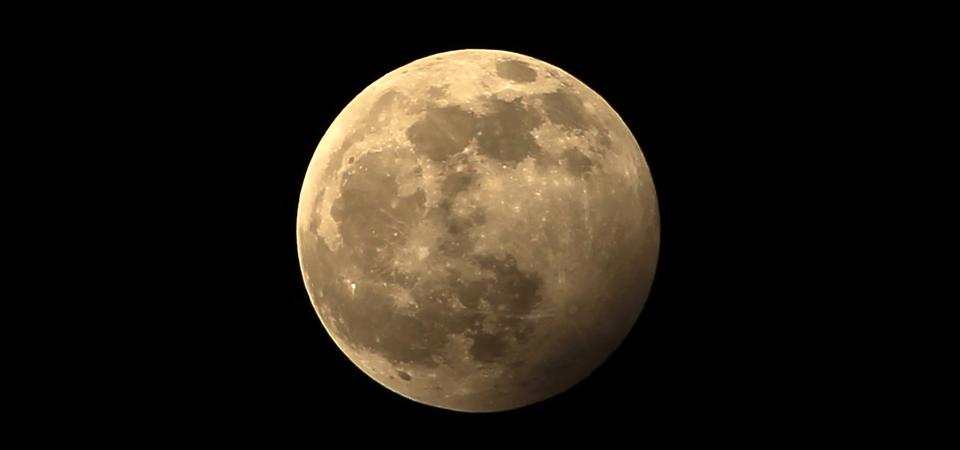
Visible from the Americas, Australia and Asia, the “Beaver Moon” will pass through Earth’s outer shadow (penumbra) at 07:32 Universal Time, causing a slight penumbral lunar eclipse that will see 83% of the Moon visibly darken at 9:42 Universal Time…
It’s possible our galaxy is filled to the brim with these rogue planets, but this one is particularly unusual for one special reason: it is the smallest found to date — even smaller than Earth — with a mass similar to Mars.