Ya know, I’m pretty sure we need to figure out “this whole food-air deal” first (to quote comedian Bill Hicks).
“The US space agency confirmed that there were currently no plans for a field or project office to explore the topic in any detail but that could change as we get closer to putting humans on Mars.“
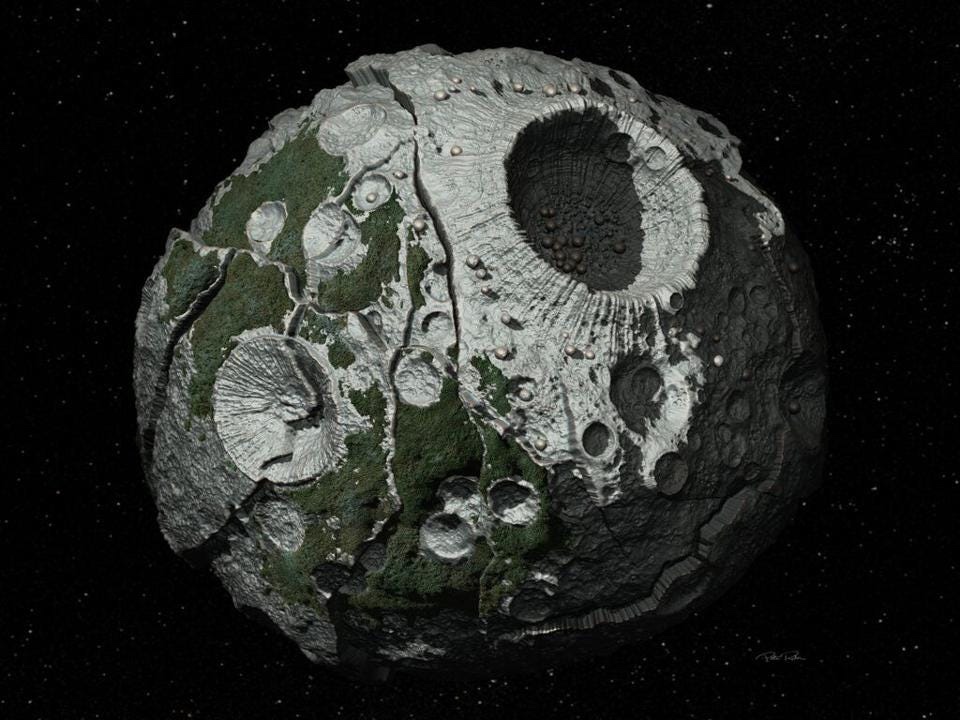
Psyche is an asteroid that was probably once the heart of a planet in the early system, one that didn’t survive the violent process of planet formation.
Yep — that “worth more than the global economy” rock in space.
But we’ll have to wait a few years to find out if it’s “less metal and more hard rock” — the Psyche Mission rockets off in August 2022 and the probe won’t arrive for four more years.
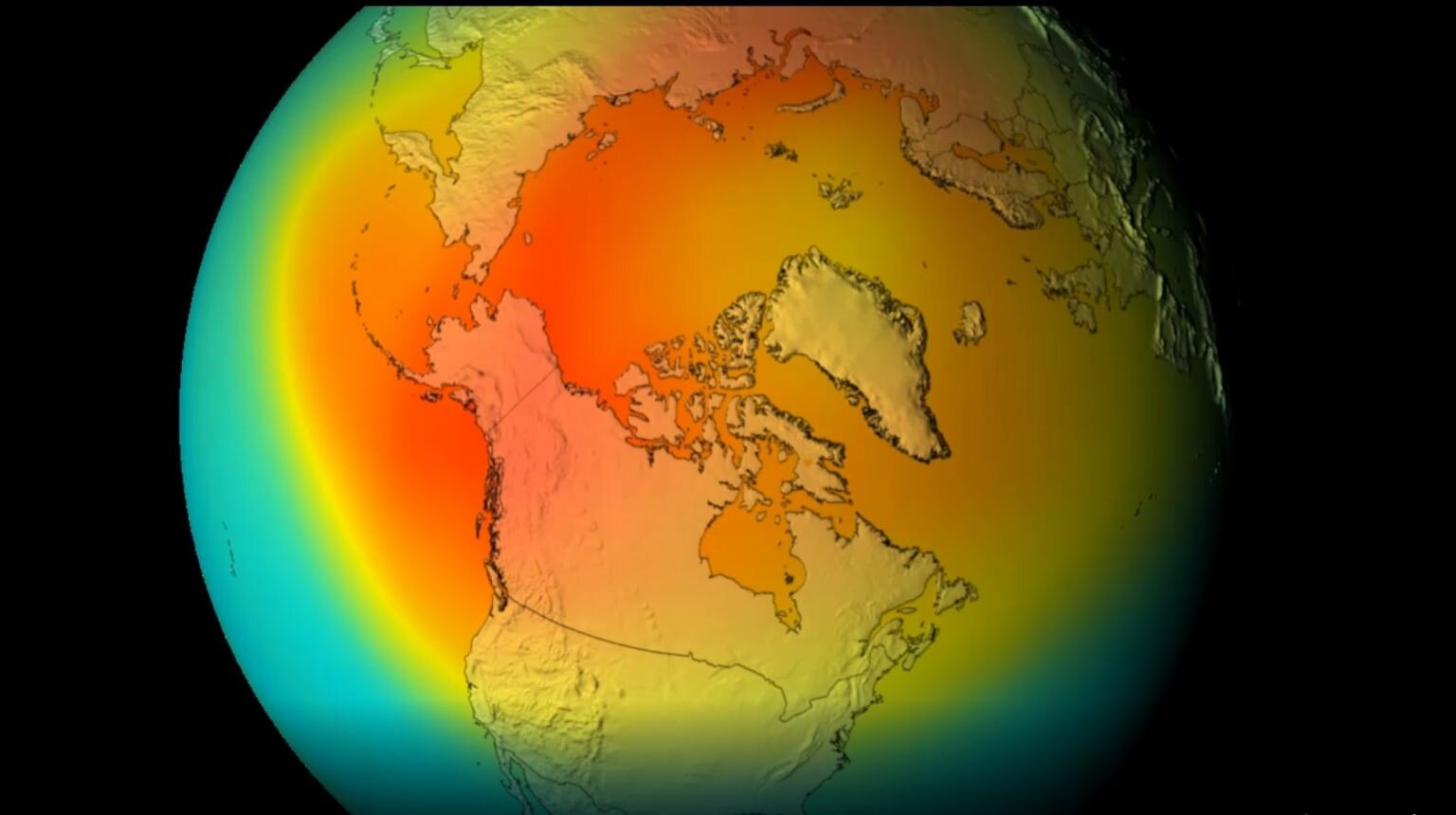
“We give off waste heat (from industry and homes and so on) and artificial light at night, but perhaps most significantly, we produce chemicals that fill our atmosphere with compounds that wouldn’t otherwise be present. These artificial atmospheric constituents just might be the thing that gives us away to a distant alien species scanning the galaxy with their own powerful telescope.”
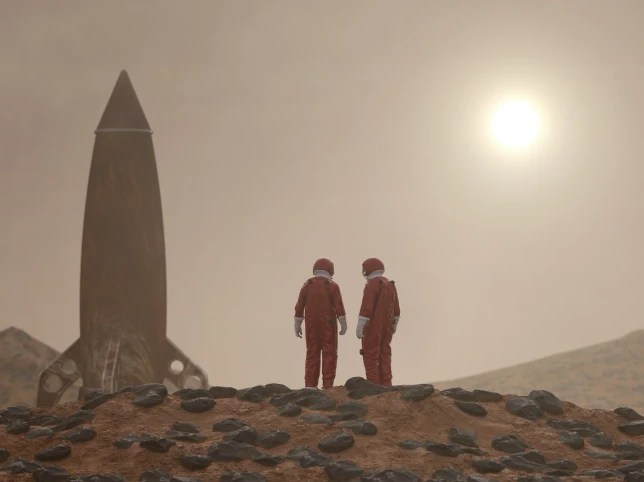
“The laser, a 10-meter wide array on Earth, would heat hydrogen plasma in a chamber behind the spacecraft, producing thrust from hydrogen gas and sending it to Mars in only 45 days. There, it would aerobrake in Mars’ atmosphere, shuttling supplies to human colonists or, someday perhaps, even humans themselves.”
The only problem is that there’s no way to slow the thing down right now…”aerobraking” using current technology would cause gees of 8 or above for several minutes and temperatures hot enough to cook whatever’s in the ship to a nice toasty crisp.
Not even the G-Force would survive! Well, OK, maybe. (But only if they reverted to their original Japanese name – “Gatchman.”)
But what if robots could design a receiving station with lasers to “catch” the ship and slow it down…?
Hmmm. Sounds like a science fiction work in progress…
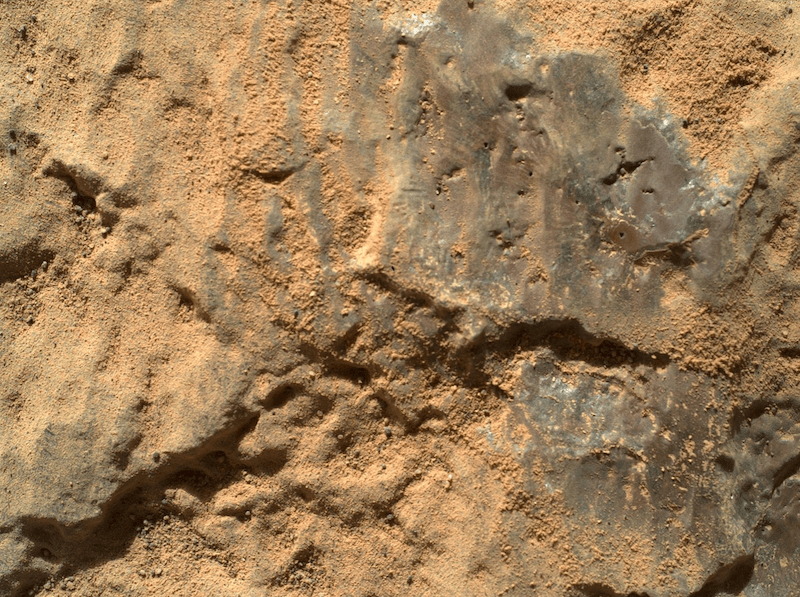
SuperCam showed that the coatings are enriched in hydrogen and sometimes magnesium. In addition, images from Mastcam-Z suggest that they also contain iron oxides. Both the hydrogen and iron oxides point to past water being involved in the formation of the coatings. That shouldn’t be too surprising, perhaps, since this area in Jezero Crater used to be a lake a few billion years ago.
The rocks resemble so-called desert varnish, which protect microbes from the sun’s radiation. It’d be interesting to find out whether cyanobacteria that once existed on Mars did this…but the four billion year old question is, how did those bacteria get there in the first place?
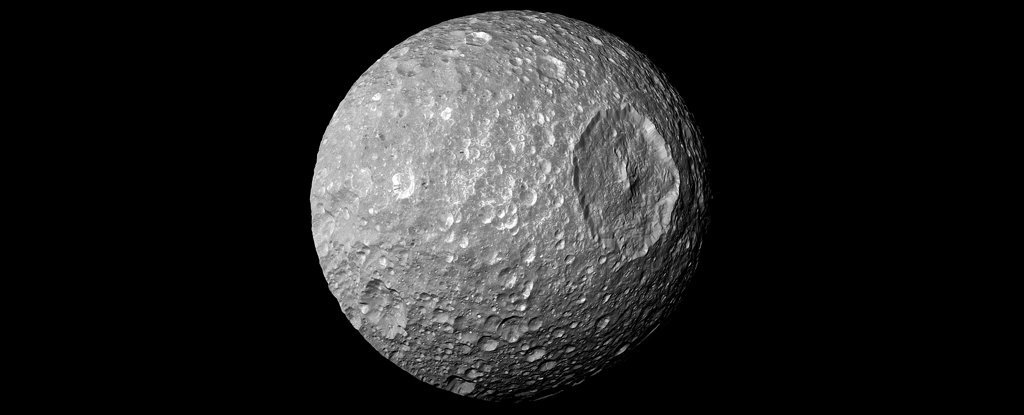
New analysis of one of Saturn’s moons suggests that it may harbor a liquid ocean. No, not the usual suspects – the new culprit is Mimas, the little moon with a big crater, which gives it more than a passing resemblance to the ‘Death Star’ from Star Wars.
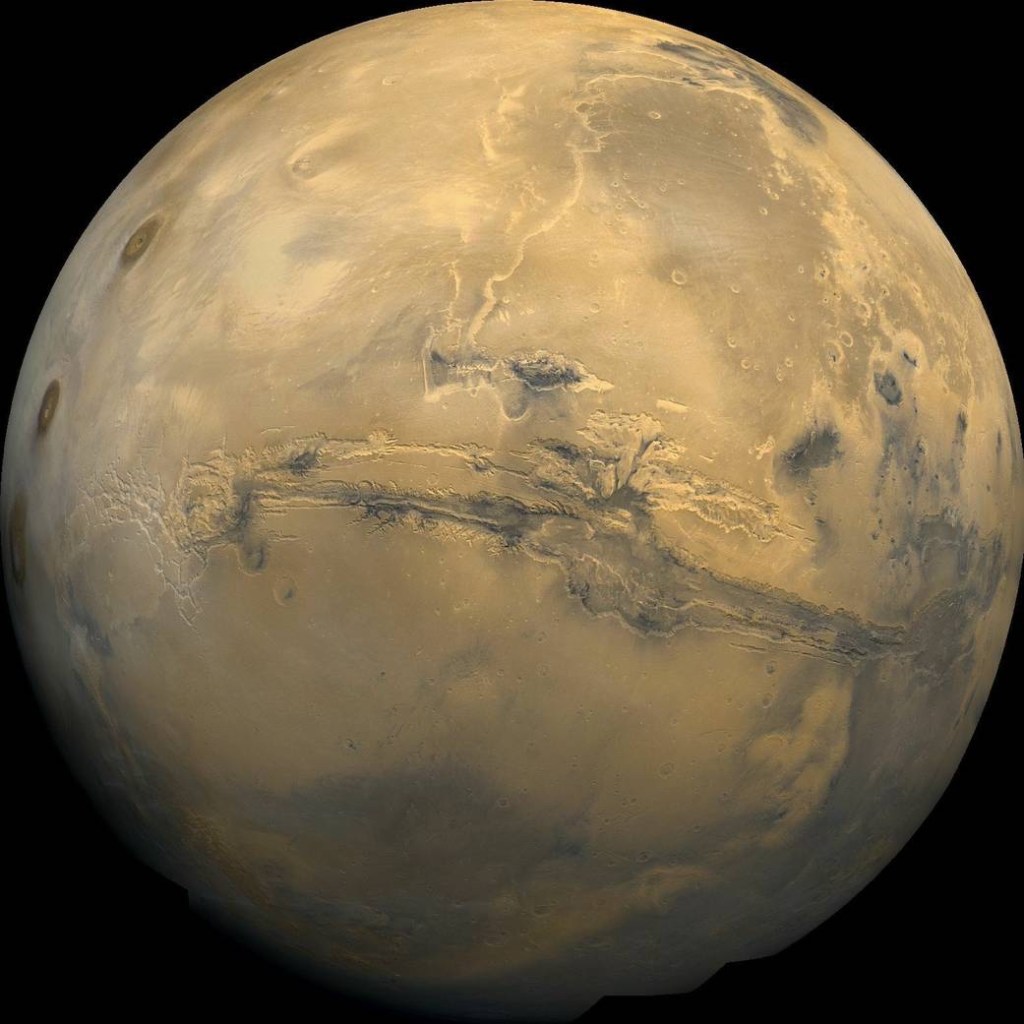
“Astronomers Detect Secret Water Reserves in The Largest Canyon in The Solar System”
Science isn’t quite as catchy. The hydrogen may indicate water in the form of permafrost 3 feet and more under the surface.
The high-hydrogen region is about the size of the Netherlands, and overlaps with Candor Chasma, one of the largest canyons in the Valles Marineris system.
Looks like there may be some competition for who gets to land near here first…
Thousands of debris fragments forced the astronauts/cosmonauts (and “taikonauts” in the Chinese-only space station) to shelter in their own separate modules.
“A kind of space madness,” is how one analyst phrased it.
Scientists around the world always have to deal with political maneuvering (i.e., bullshit). (Reference: 2010: A Space Odyssey – The Year We Make Contact).







 M Thomas Apple Author Page