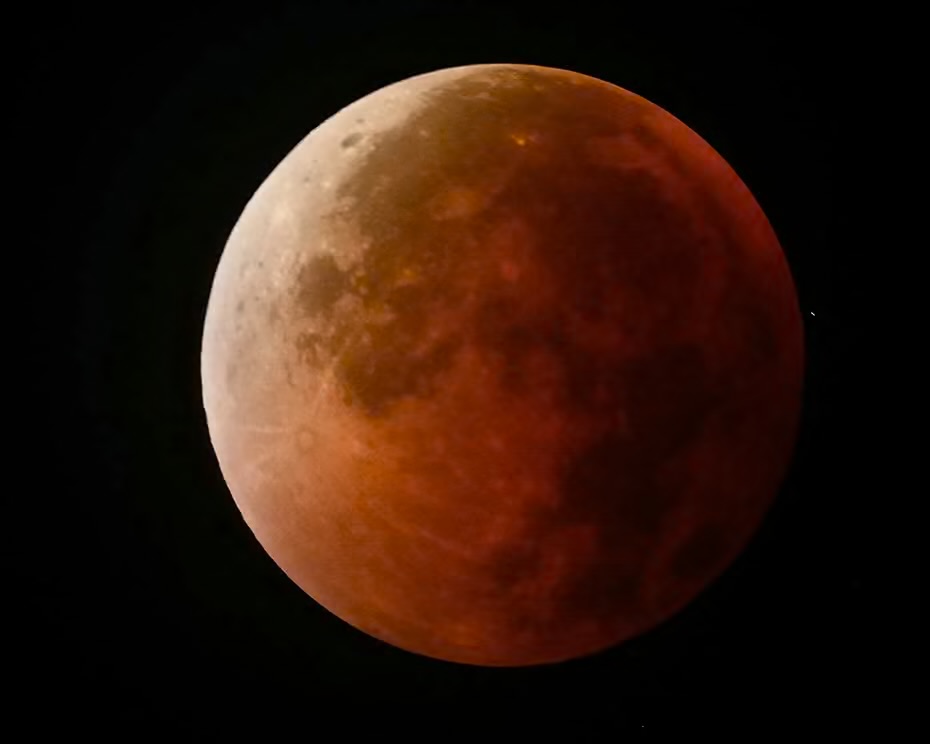
Lunar eclipse, tonight from 6:30 to 11:00…
Except it still raining here in Japan, and we’ll see nothing.
Rats.
At least we’ll visit JAXA tomorrow…

March 3, 2026
Lunar eclipse, tonight from 6:30 to 11:00…
Except it still raining here in Japan, and we’ll see nothing.
Rats.
At least we’ll visit JAXA tomorrow…
February 27, 2025

The best day to see all seven major planets (yes, you read that right, all seven!) is Friday, February 28th.
The link will describe (and give pictures) of where to find them all in the night sky.
Finding Orion is the key to most of them. Knowing where the Pleiades are helps, too.
The next time this “parade” appears will be 2040, so fingers crossed for clear skies!
https://www.skyatnightmagazine.com/news/seven-planet-parade-28-february-2025
November 14, 2024

The planet Uranus and its five biggest moons may not be the dead sterile worlds that scientists have long thought.
Instead, they may have oceans, and the moons may even be capable of supporting life, scientists say.
Cue the jokes in five…four…three…
“So, you mean there really is life in…ah…”
Note that this is not from new data. It’s a re-analysis of what Voyager 2 sent back decades ago. Basically, it just had a bad day, with magnetic storms screwing up the scan.
Still…
There could be moons there that could have the conditions that are necessary for life, they might have oceans that below the surface that could be teeming with fish!
I think this is a bit of an exaggeration…
November 13, 2024
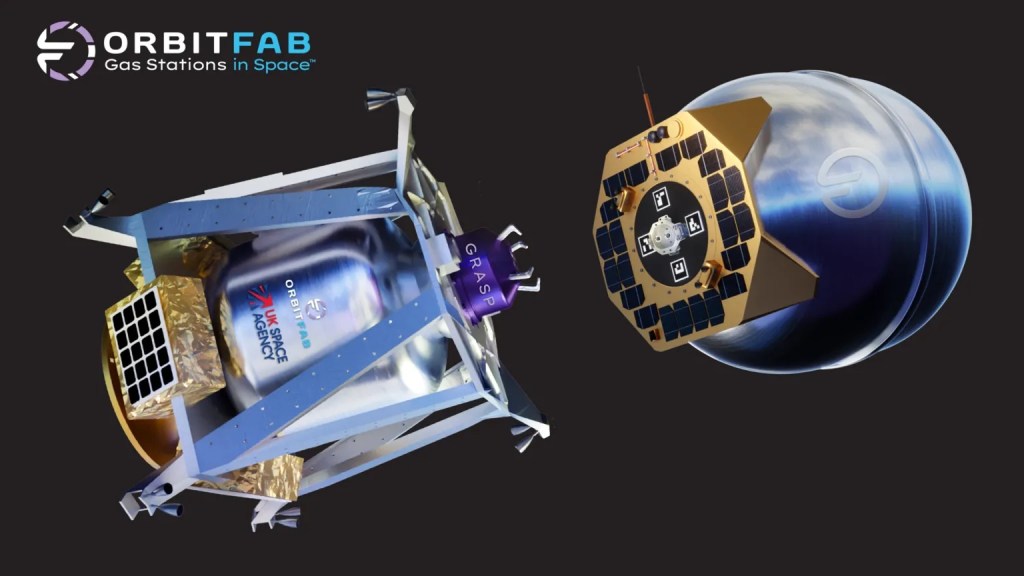
Jas Tiruvuru, business development manager for Orbit Fab in the UK and Europe, said the company was aiming to successfully demonstrate the technology in space by 2027.
“This will essentially be the first ever satellite to satellite refuelling demonstration funded here in the UK,” she said.
“Once we’ve proven that we can refuel to two spacecrafts we’ll be able to unlock a huge market potential.”
You know, maybe it’s just me, but I think 2027 may be a little optimistic. Just like the figure given in the article for how much the satellite sector will be worth in the future.
Aren’t there too many satellites already?
I’d like to see how this would help us colonize the solar system.
Actually, I’d like to see how they plan to get fuel up there in the first place.
Maybe my novel’s idea of using certain moons of Jupiter or Saturn as giant space gas pumps might help? 🪐
November 12, 2024

The Taurids meteor showers get their name because the shooting stars appear to stream from a point in the sky where the Taurus constellation is located. Taurid meteors can be seen from pretty much anywhere on the planet except the South Pole.
I waited too long to post this! The meteor shower peaked last week, but might still be visible. The Orionids ended already (they appeared to fall from, you guessed it, the constellation of Orion, while the Taurids came from Taurus.
If you can’t see them, not to worry: the Leonids are on their way from next week (falling from, right again, Leo).
Very imaginative, these names. At least it makes them easier to spot. ☄️
October 7, 2024

The scientists hope to learn about the asteroid’s surface composition and how fast it rotates, he said. Those observations could help researchers figure out its origin, which in turn could shed light on other asteroids, including ones that could be dangerous to Earth.
https://www.nbcnews.com/science/space/mini-moon-asteroid-to-orbit-earth-temporarily-rcna172264
This is of course not the first “mini-moon” to have been discovered. These are wandering asteroids that get trapped briefly by Earth’s gravity well before being flung back into space.
Read the article for more information about the “school-bus sized” 2024PT5!
September 2, 2024
Haven’t posted anything in about five or six weeks. Sorry!
I was going to initially post something about the Boeing crew that got stranded on the ISS, but NASA kept delaying their decision to use SpaceX. It was a given that they’d have no choice.
Boeing, quite obviously, cannot be trusted to spend millions of taxpayer’s dollars and make a proper spacecraft.
Anyway, I’ll start posting something more interesting soon.
In the meantime, here’s a Star Trek TOS selfie by Catwoman. I mean Lee Meriwether. (S3:14, That Which Survives)

July 18, 2024

The Perseids get their name because the shooting stars appear to stream from a point in the sky where the constellation of Perseus is located…The constellation rises in the northeast, but meteors should be visible all over the sky if conditions are clear.
The best time to watch is after midnight in the northern hemisphere. The meteors are actually debris leftover from the Swift-Tuttle comet, discovered in the early 1860s.
The annual celestial event started this past Sunday and lasts for about two months, but the peak this year is around August 12th.
Perseus looks like this:

See https://www.constellation-guide.com/constellation-list/perseus-constellation/ for more information about this group of constellations as well as the famous Greek myth behind them…
June 26, 2024
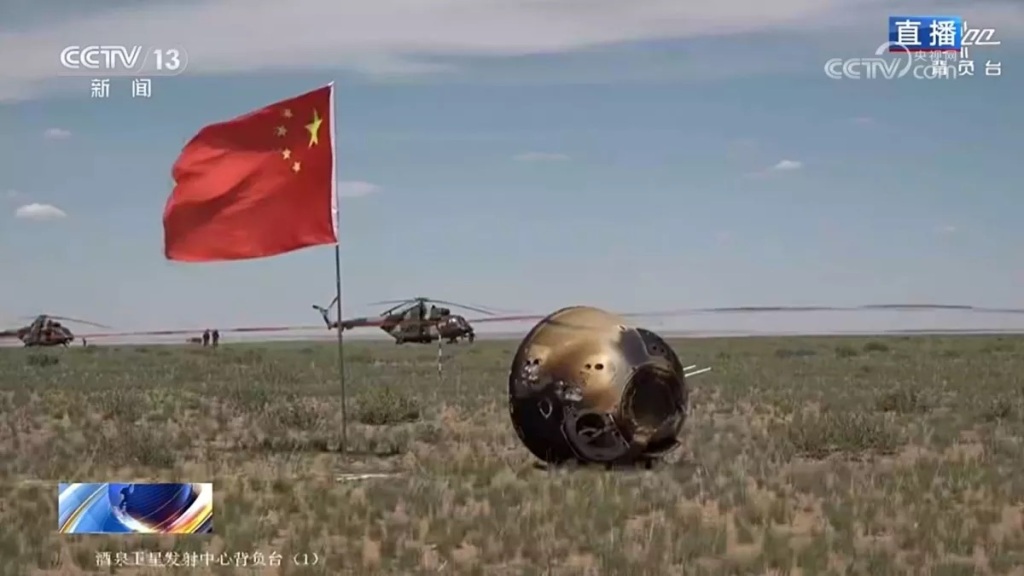
But China has also offered to share at least some of its new moon samples with American researchers, and NASA is allowing the U.S. scientists to submit proposals.
https://www.npr.org/2024/06/24/nx-s1-5015208/china-return-first-ever-sample-return-moon-far-side
This is a welcome change of heart. International politics need not prevent international space exploration.
On the other hand…
China is not planning a mere short-term, flags-and-footprints presence on the Moon. Their ambition is more like Nasa’s Artemis than it is Apollo. China plans to launch two separate missions to the south pole of the Moon around 2026 and 2028 – including testing using lunar soil to 3D print bricks – as precursors to a lunar base.
https://www.bbc.com/future/article/20240510-change-6-is-just-the-tip-of-chinas-space-ambitions
A little competition might be just what’s needed to get humanity into space.
But a little competition might also go a bit too far…
“May you live in interesting times…”
May 7, 2024
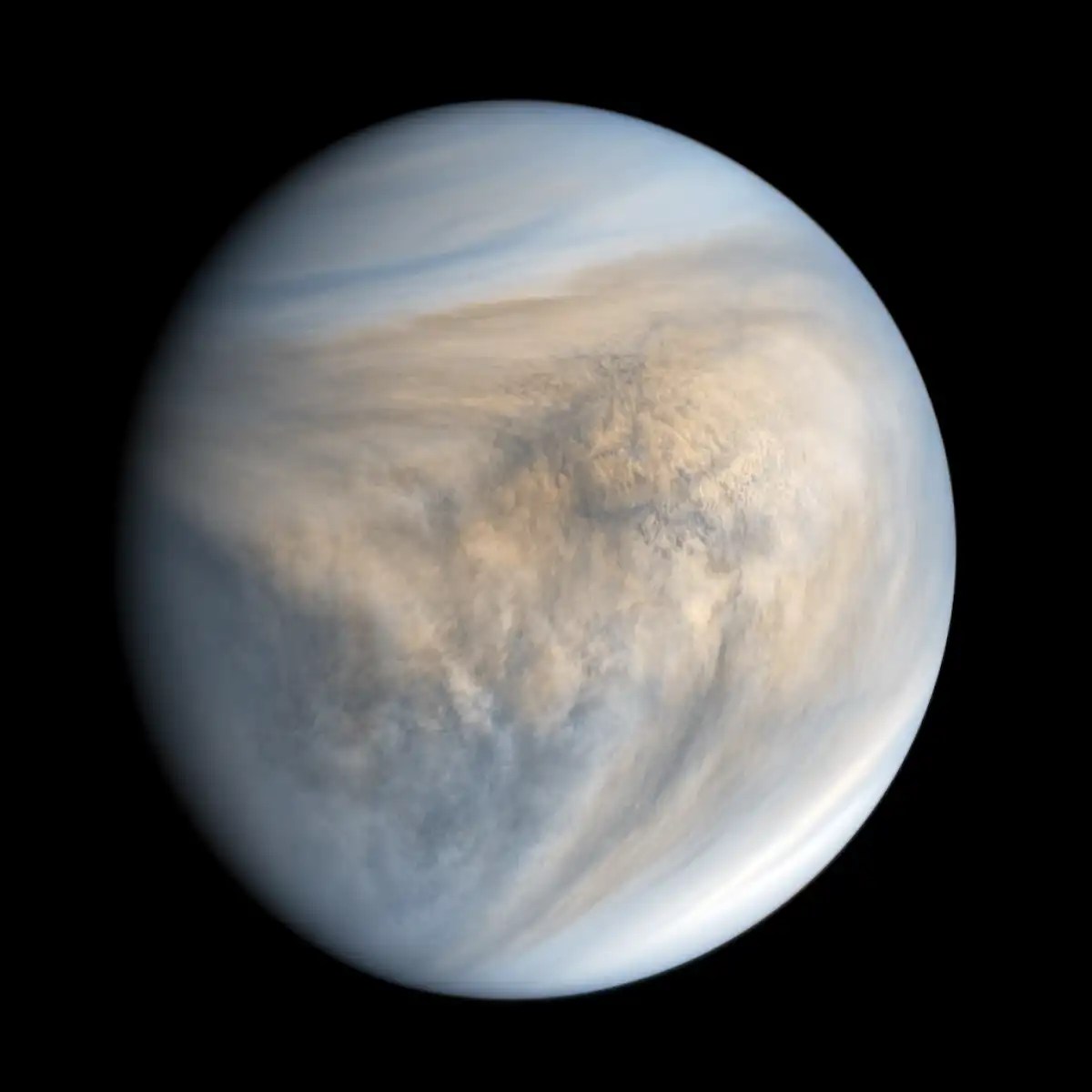
Over time, that water has nearly all been lost. Figuring out how, when and why Venus lost its water helps planetary scientists like me understand what makes a planet habitable — or what can make a habitable planet transform into an uninhabitable world.
https://theconversation.com/venus-is-losing-water-faster-than-previously-thought-heres-what-that-could-mean-for-the-early-planets-habitability-229342
The process in which Venus lost most of its water is called “hydrodynamic escape.” When Venus got too hot, the hydrogen in its atmosphere left. (The linked article explains this using a metaphor of having too many blankets on your bed.)
However, Venus is still losing hydrogen, even though there is too little of it for hydrodynamic escape to work. So, logically, there must be another process at work: “HCO⁺ dissociative recombination,” in which individually positively charged atoms of hydrogen, carbon, and oxygen in the atmosphere react with negatively charged electrons. The process was first examined on Mars, and based on a reexamination of results from previous missions (Pioneer Venus 1 and Pioneer Venus 2), the same research group thinks it’s time to try it on Venus…perhaps a first step to seeing whether Venus had life at some point.
Writing Fanfiction in the worlds of Tolkien and Beyond!
Learning more about our place in the universe...
Best Tech Gadgets Advise
Marvel Comics Reviews, Previews and News
Writing blogs is miracle I am a writer blogger and my site mission is to give information on maximum information to audiences
Reflections of an inquiring retiree ...
Simple ideas to make every room feel stylish and welcoming
Rock & Metal Reviews That Hit Hard
Short stories | Reflections | Poetry
Read. Reflect. Grow
 M Thomas Apple Author Page