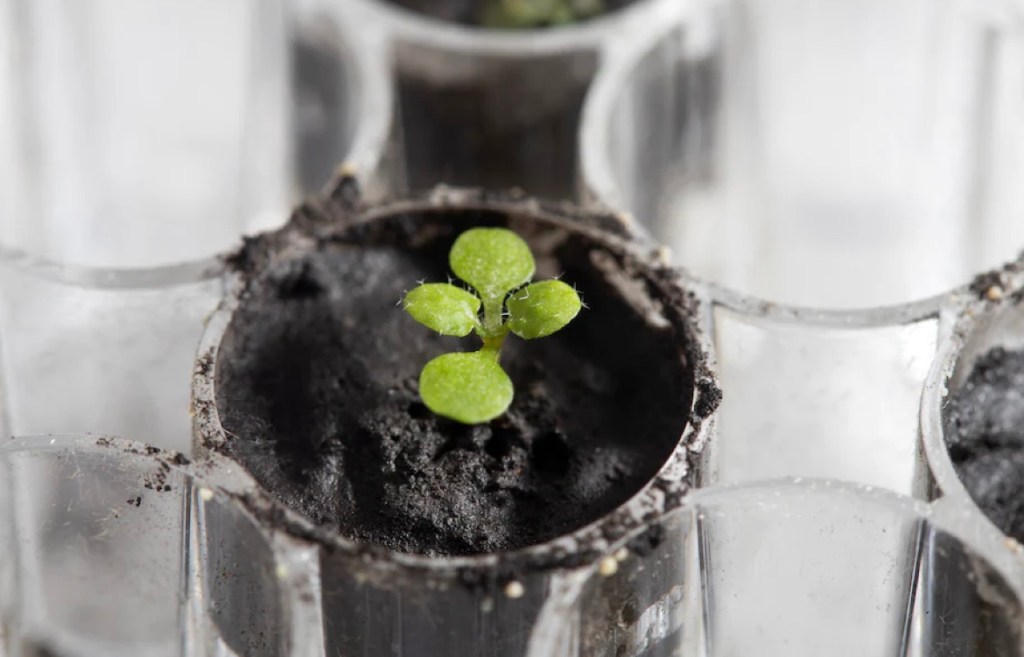
The samples were extremely hydrophobic, and repelled water as if it were the most disgusting thing ever invented. Researchers labored to get the lunar soil to gradually soak up water. They also added a nutrient solution.
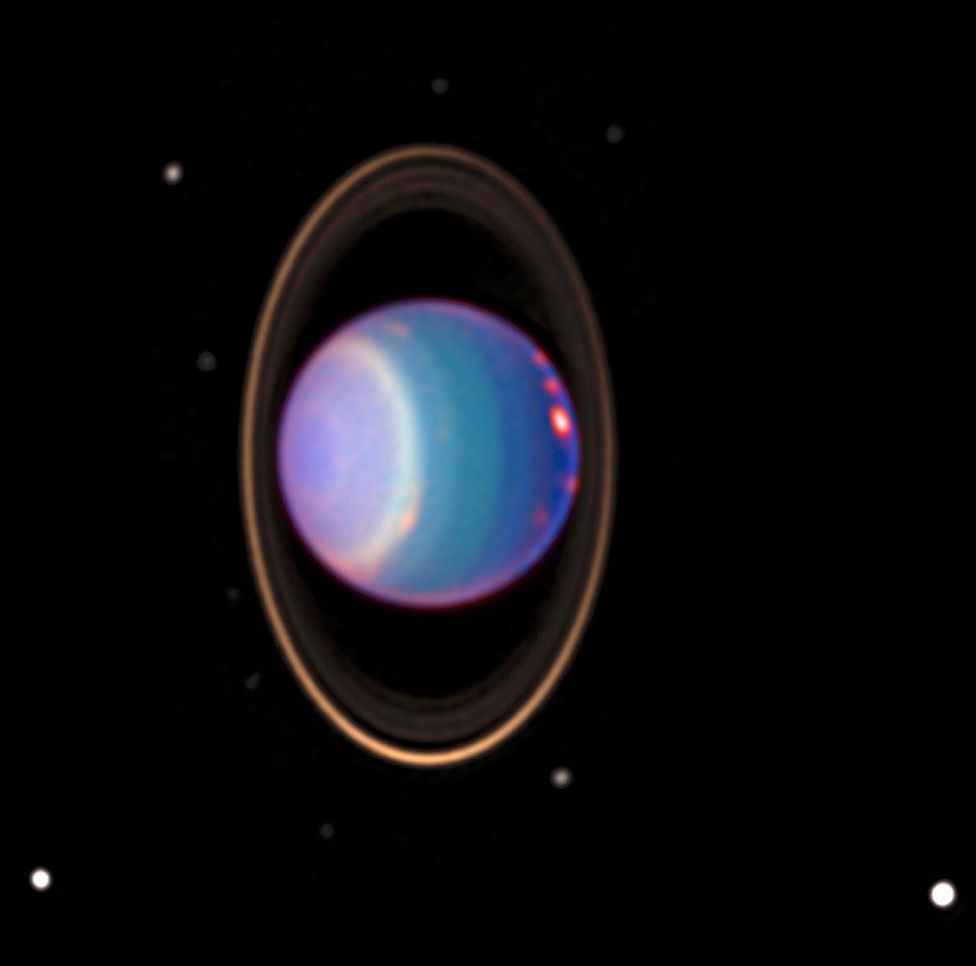
“Researchers think an in-depth study of Uranus can help them better understand the many similarly sized objects now being discovered around other stars.“
Uranus’s strange tilt is probably due to getting smacked by a very large body a long time ago…
Uranus is weird. It has rings. It has 13 moons, some of which may harbor life beneath their icy surfaces.
It has a funny name.
I get it. But learning more about how its formation affects planet formation is just not that important.
“Pure” researchers probably are interested, but frankly, if NASA wastes its time doing this, they will miss the opportunity to settle the Moon and Mars, mine asteroids for valuable resources, and explore other moons like Titan and Europa.
China will get there first.
Pure research is all fine and dandy, but it’s also incredibly expensive — taxpayer dollars should be spent on projects with more tangible benefits.
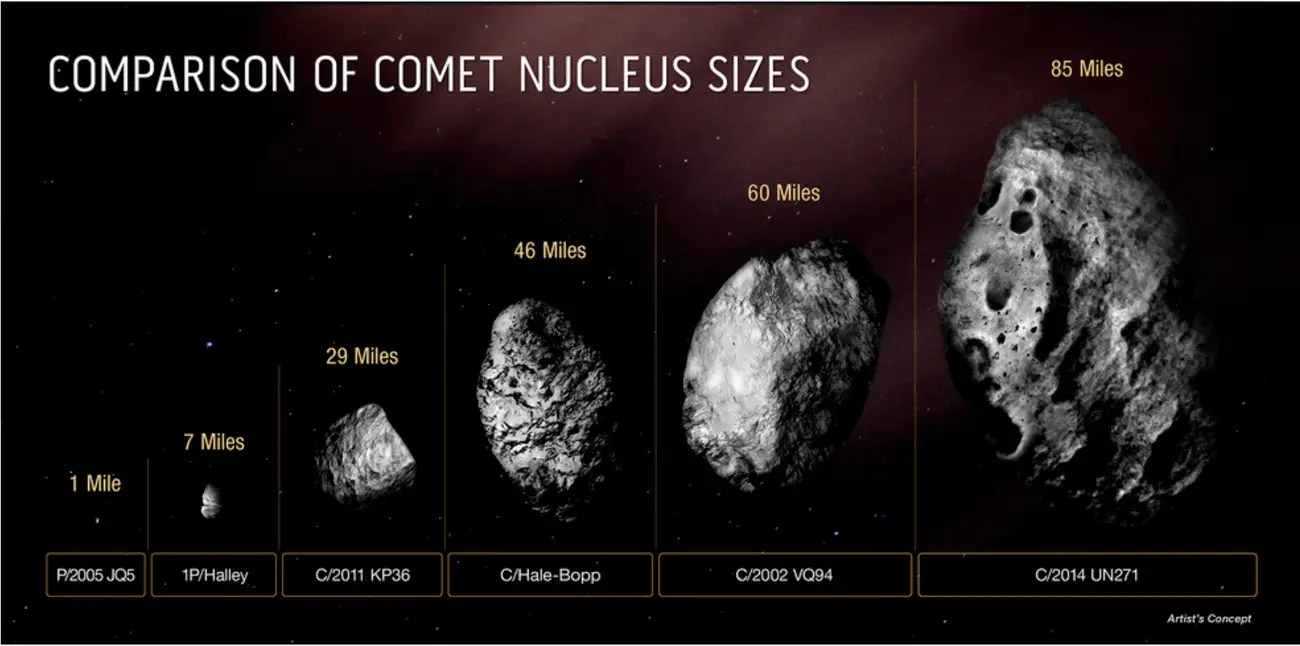
C/2014 UN271 on the far right has a nucleus 50 larger than the average comet.
“Its size, which NASA noted is larger than the state of Rhode Island, is an estimation because the comet is still too far away for Hubble to tell for certain.”
Note that the original title was “…toward the Inner Solar System”…and yet the article goes on to explain that it won’t come any closer than a billion miles from the Sun, “‘slightly farther than the distance of the planet Saturn,’ NASA said in a statement.“
Uh. The inner solar system is *no where near* Saturn. Try again, fear-mongers.
Sigh.
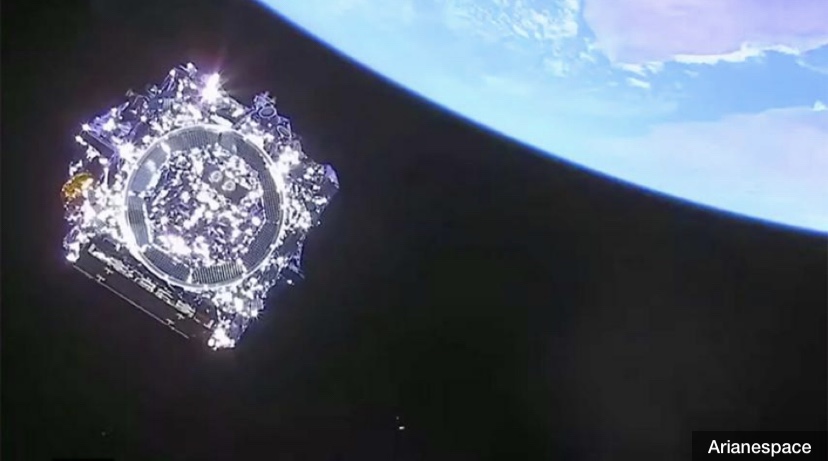
Anyway, it really is the proverbial “tip of the iceberg,” since this was seen with Hubble, and we have yet to see just what the new James Webb telescope can do. The Oort Cloud is a big place. There must be millions upon millions comets just waiting to be discovered.
Ya know, I’m pretty sure we need to figure out “this whole food-air deal” first (to quote comedian Bill Hicks).
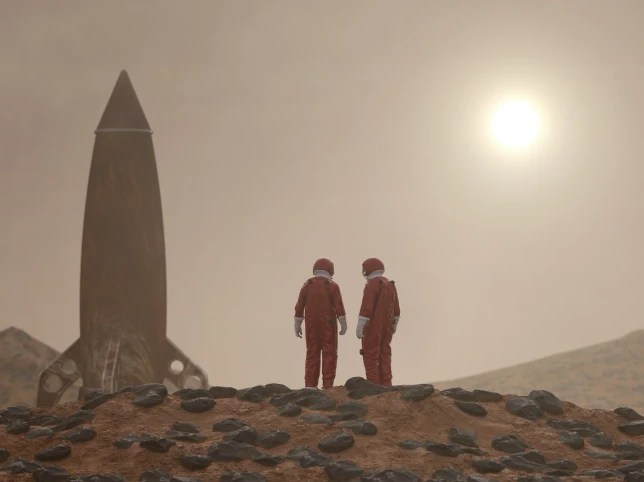
“The US space agency confirmed that there were currently no plans for a field or project office to explore the topic in any detail but that could change as we get closer to putting humans on Mars.“
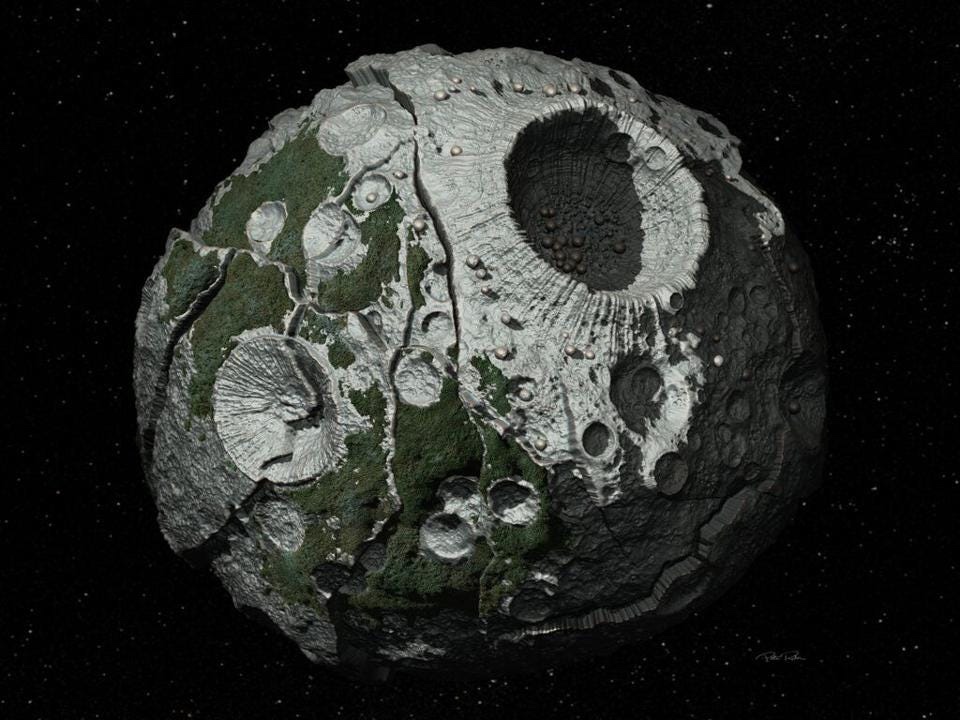
Psyche is an asteroid that was probably once the heart of a planet in the early system, one that didn’t survive the violent process of planet formation.
Yep — that “worth more than the global economy” rock in space.
But we’ll have to wait a few years to find out if it’s “less metal and more hard rock” — the Psyche Mission rockets off in August 2022 and the probe won’t arrive for four more years.
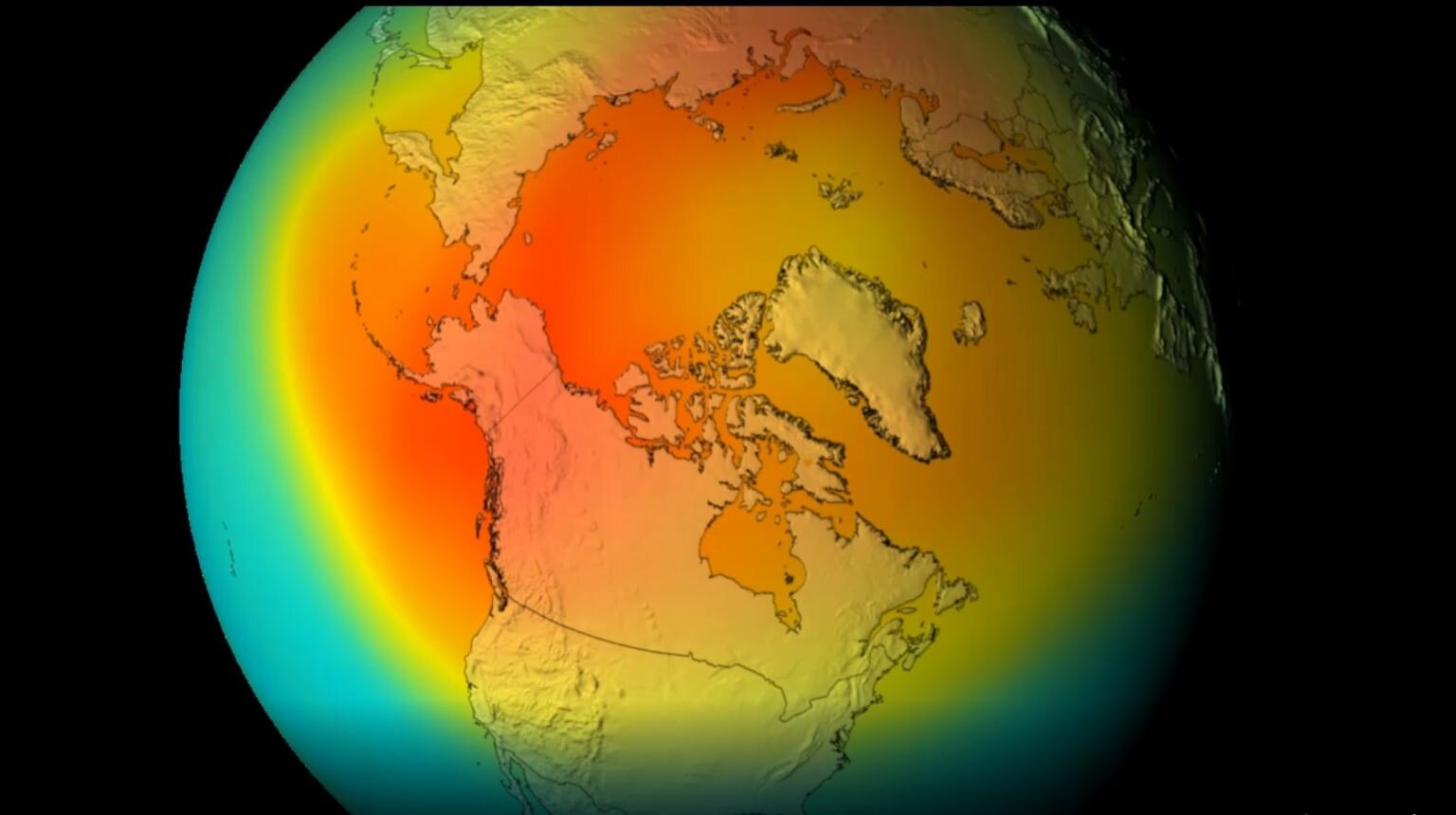
“We give off waste heat (from industry and homes and so on) and artificial light at night, but perhaps most significantly, we produce chemicals that fill our atmosphere with compounds that wouldn’t otherwise be present. These artificial atmospheric constituents just might be the thing that gives us away to a distant alien species scanning the galaxy with their own powerful telescope.”
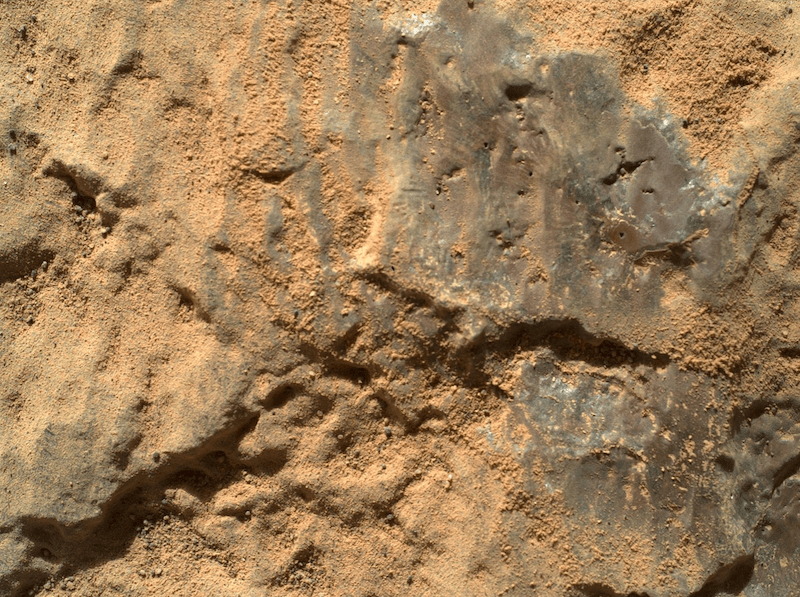
SuperCam showed that the coatings are enriched in hydrogen and sometimes magnesium. In addition, images from Mastcam-Z suggest that they also contain iron oxides. Both the hydrogen and iron oxides point to past water being involved in the formation of the coatings. That shouldn’t be too surprising, perhaps, since this area in Jezero Crater used to be a lake a few billion years ago.
The rocks resemble so-called desert varnish, which protect microbes from the sun’s radiation. It’d be interesting to find out whether cyanobacteria that once existed on Mars did this…but the four billion year old question is, how did those bacteria get there in the first place?
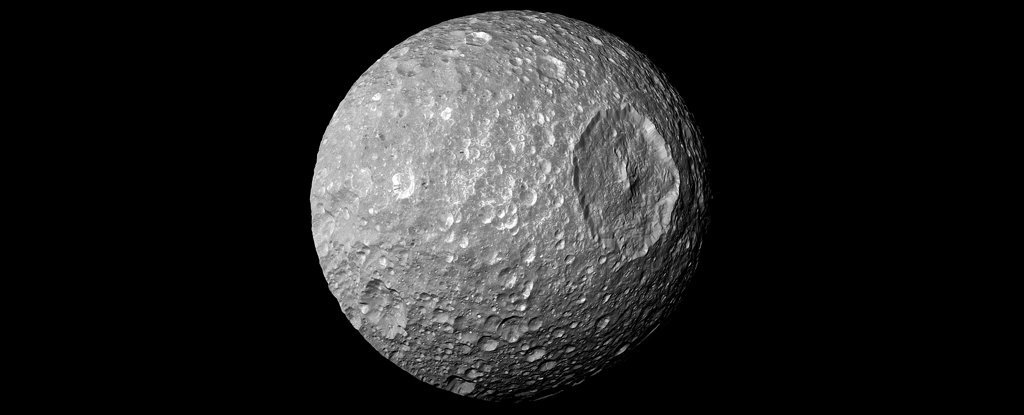
New analysis of one of Saturn’s moons suggests that it may harbor a liquid ocean. No, not the usual suspects – the new culprit is Mimas, the little moon with a big crater, which gives it more than a passing resemblance to the ‘Death Star’ from Star Wars.
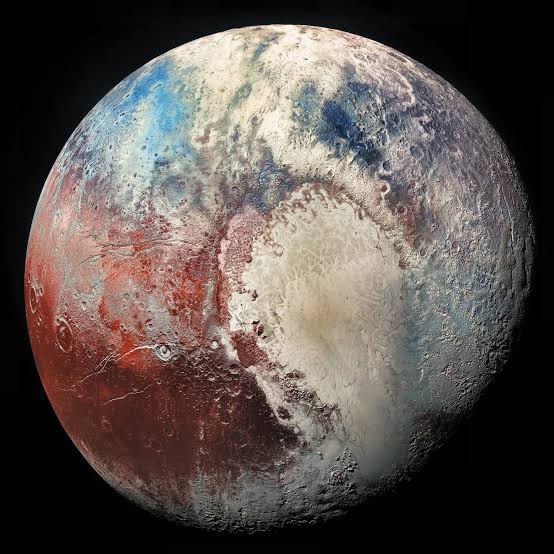
Demoted by the IAU in 2006, the Once and Future “9th planet”
…a study announced in December from a team of researchers in the journal Icarus now claims the IAU’s definition was based on astrology — a type of folklore, not science — and that it’s harming both scientific research and the popular understanding of the solar system.
I’m not sure I agree that moons of Jupiter and Saturn should be classified as “planets,” but frankly I see little difference between “dwarf planets” and “planets.”
Plus it wrecks the song I learned to remember the order…




 M Thomas Apple Author Page