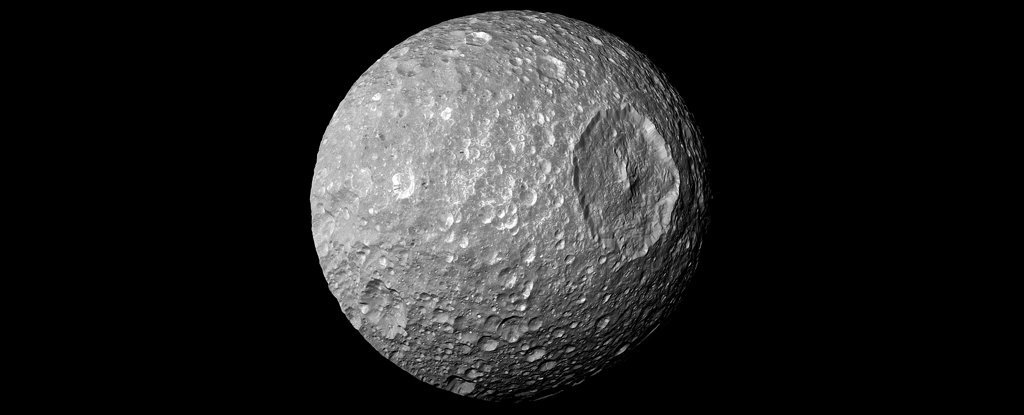
New analysis of one of Saturn’s moons suggests that it may harbor a liquid ocean. No, not the usual suspects – the new culprit is Mimas, the little moon with a big crater, which gives it more than a passing resemblance to the ‘Death Star’ from Star Wars.
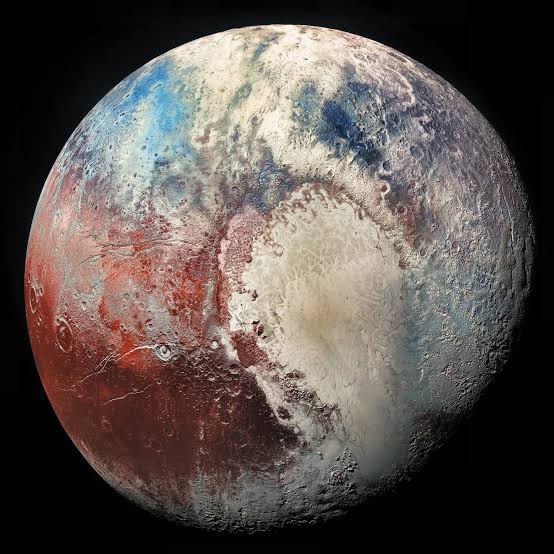
Demoted by the IAU in 2006, the Once and Future “9th planet”
…a study announced in December from a team of researchers in the journal Icarus now claims the IAU’s definition was based on astrology — a type of folklore, not science — and that it’s harming both scientific research and the popular understanding of the solar system.
I’m not sure I agree that moons of Jupiter and Saturn should be classified as “planets,” but frankly I see little difference between “dwarf planets” and “planets.”
Plus it wrecks the song I learned to remember the order…
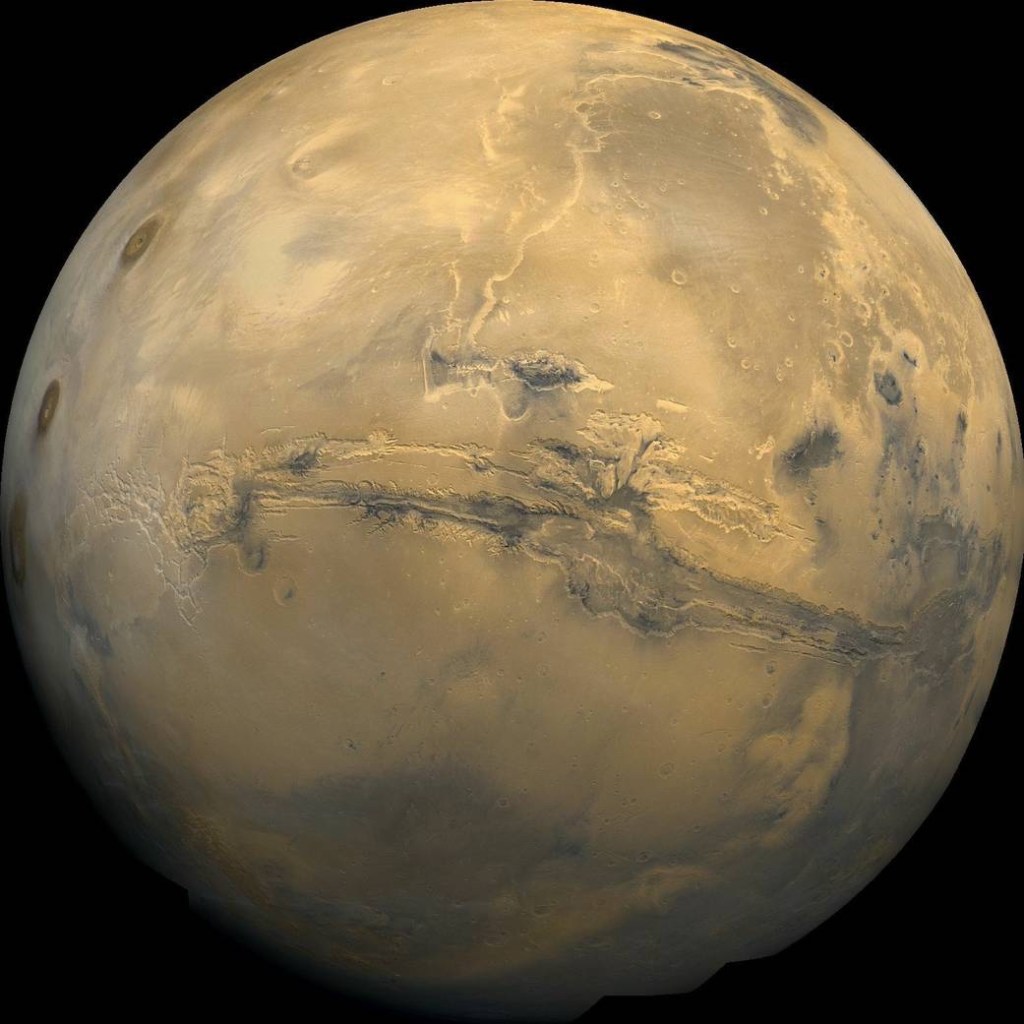
“Astronomers Detect Secret Water Reserves in The Largest Canyon in The Solar System”
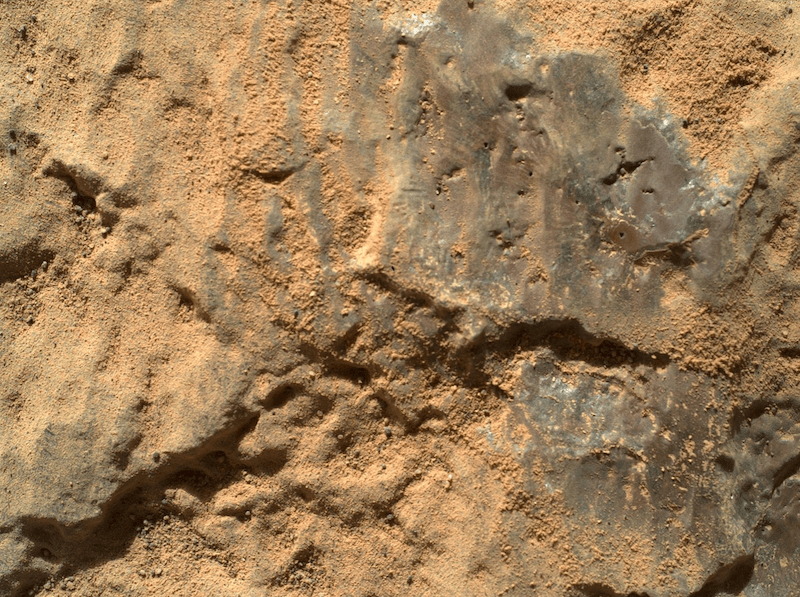
Science isn’t quite as catchy. The hydrogen may indicate water in the form of permafrost 3 feet and more under the surface.
The high-hydrogen region is about the size of the Netherlands, and overlaps with Candor Chasma, one of the largest canyons in the Valles Marineris system.
Looks like there may be some competition for who gets to land near here first…
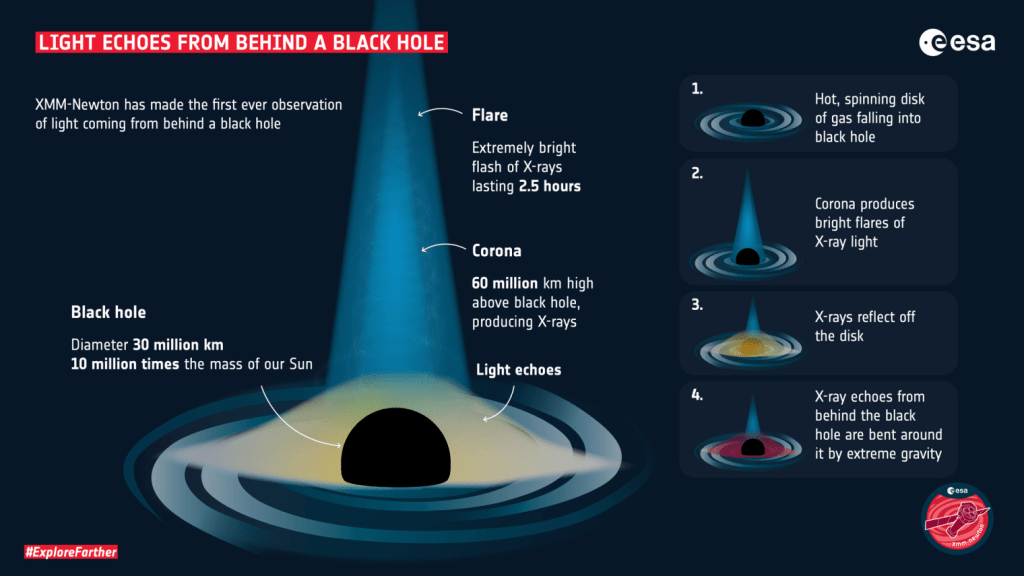
…while light cannot escape a black hole, its extreme gravity warps space around it, which allows light to “echo,” bending around the back of the object. Thanks to this strange phenomenon, astronomers have, for the first time, observed the light from behind a black hole.
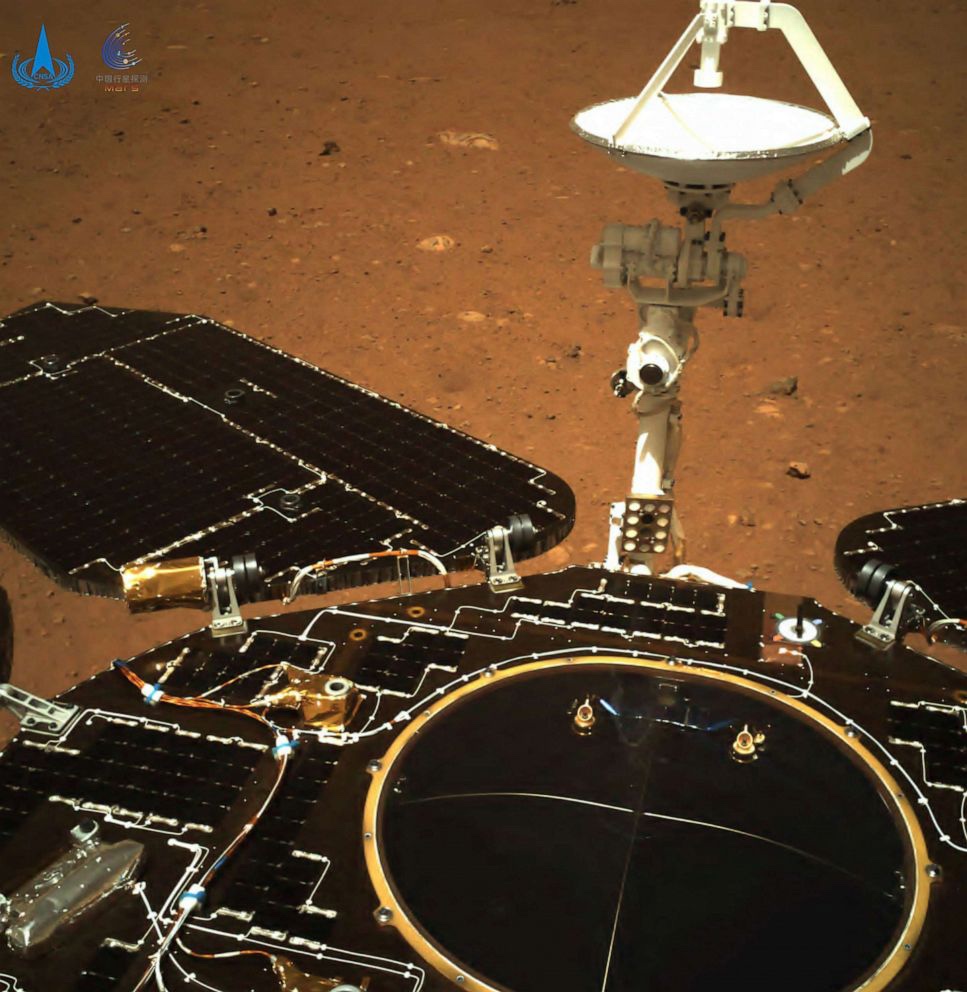
China’s plan calls for setting up a permanently occupied base and a fleet of interplanetary craft. Probably it’s a good idea to first see whether it can meet its goal of landing people on Mars in 2033.
Of course, China is “willing to join hands with our counterparts and partners all over the world,” but it’s unlikely NASA, JAXA, ESA, and the UAE and other countries not named Russia will “cooperate.”
The next space race is here. Just wait until multinats actually decide asteroid mining is worth the risk and expense.
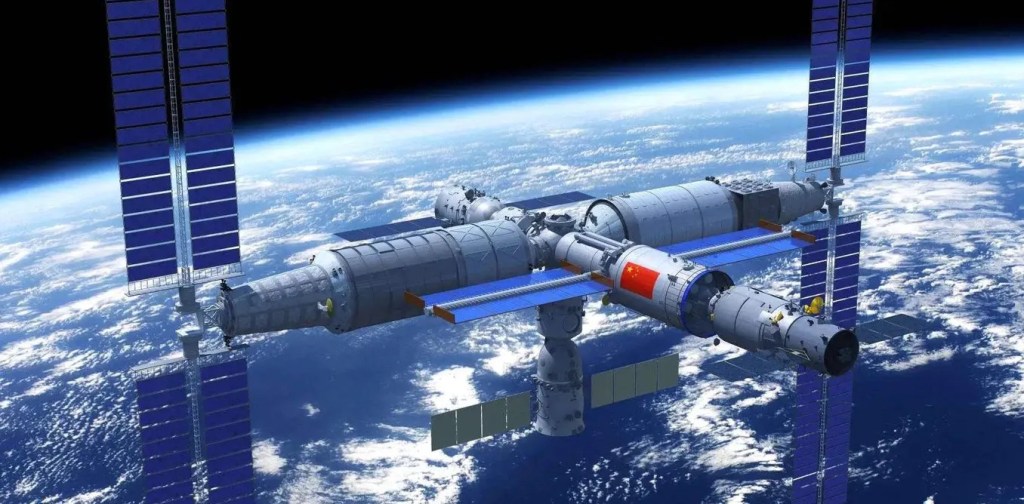
The inclusion of an ion propulsion system in a long-running, Earth-orbiting space station will give researchers a chance to test out the tech while astronauts are still close to home — and if it works as hoped, it could one day ferry explorers to Mars and even more distant destinations.
A permanent Moon colony? But I doubt babies will be born here any time soon…
“Today, all activity in space is tethered to the Earth. But I predict that in around 30 years people will start living in space – and soon after, the first off-Earth baby will be born.”
Hmm, maybe. I’d be a little wary of making predictions about space travel. We were supposed to be building a base on Mars by now (according to predictions made when I was in high school).
I think we should probably figure out how to get people not to be completely fried by solar radiation before we start making babies in space (which *I* predict will inevitably require genetic manipulation and lead to a new human race at some point…and no, not in “around 30 years”!).