M Thomas Apple Author Page

Science fiction, actual science, history, and personal ranting about life, the universe, and everything

Confirmed: We’re all here thanks to asteroids

January 26, 2023
MThomas

Since the Hayabusa2 returned with the sample from the Ryugu asteroid in December 2020, several important discoveries have been made – most notably analyzes confirming the presence of substances thought to be the building blocks of life on the asteroid, such as liquid water and organics fabrics.

https://newsbeezer.com/germanyeng/ryugu-asteroid-helps-unravel-the-origin-of-life-on-earth/

Hayabusa-2 took several years to land on Ryugu (literally “Dragon Palace”), pound out just over 5 grams of asteroid material, and bring it back to Earth (landing in Australia in late 2020).

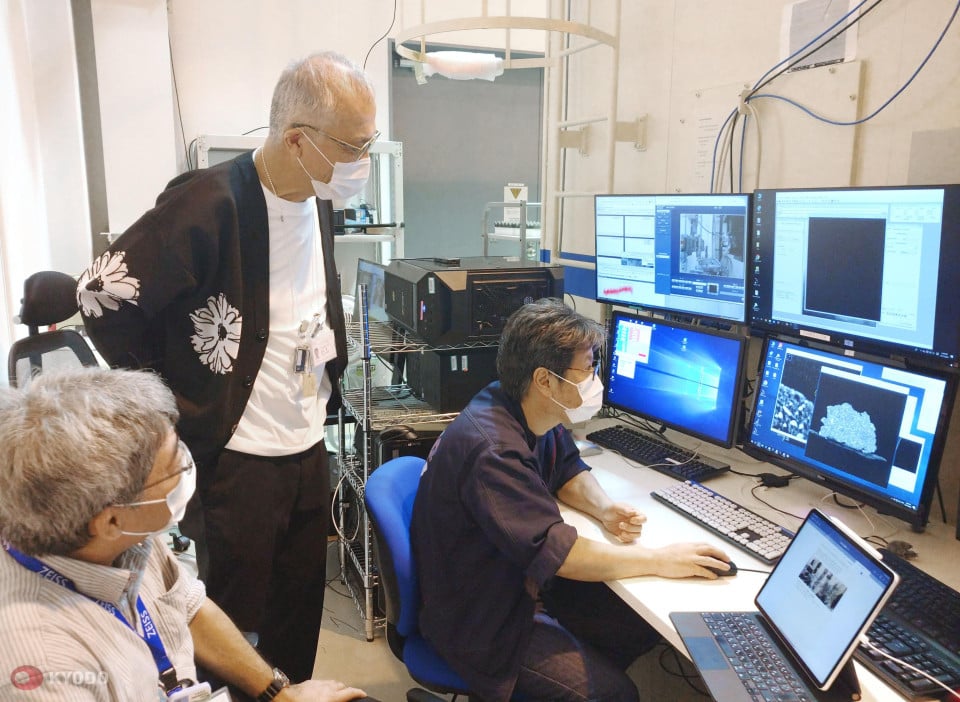
NASA scientists have confirmed not just frozen water but liquid — inside crystals called pyrrhotites. JAXA scientists (pictured above with Prof Tsuchiyama of Ritsumeikan University, my main employer!) continue to check the density of the samples.

The water is similar to the carbon dioxide-laden water of hot springs. The research teams have already discovered over 20 amino acids, the basic protein building blocks of carbon-based life.

Another theory called “panspermia” proposes that a key mineral (boron) missing on early Earth came in an asteroid from Mars. ☄️ Hmm. Did Mars produce asteroids? Or more like asteroids hit Mars and broke off lots of tiny fragments? That somehow survived the journey to Earth?

Seems a little unlikely. But there is now evidence that at least some proteins came from space rocks.

So, sorry, Ridley. This isn’t how it happened. Cool movie, though.

What is this “Cislunar” space?

January 24, 2023
MThomas

Though definitions sometimes differ, cislunar space generally refers to the space between Earth and the moon, including the moon’s surface and orbit. Any nation or entity that aims to establish a presence on the moon, or has ambitions to explore deeper into the solar system, has a vested interest in operating in cislunar space, either with communication and navigation satellites or outposts that serve as way stations between Earth and the moon.

https://www.nbcnews.com/science/space/space-earth-moon-get-little-crowded-rcna64333

There is actually a limited amount of orbital space available between the Earth and the Moon (note: capitalize it, NBC! grrr..).

So, expect more and more competition for satellites — communication, navigation, and way stations.

And of course military and spy stations.

And by the way, only eight nations signed the so-called “Artemis Accords” in 2020. Guess who didn’t?

Buckle up!

That’s what I want: A tall building with frickin’ laser beams on top!

January 17, 2023
MThomas

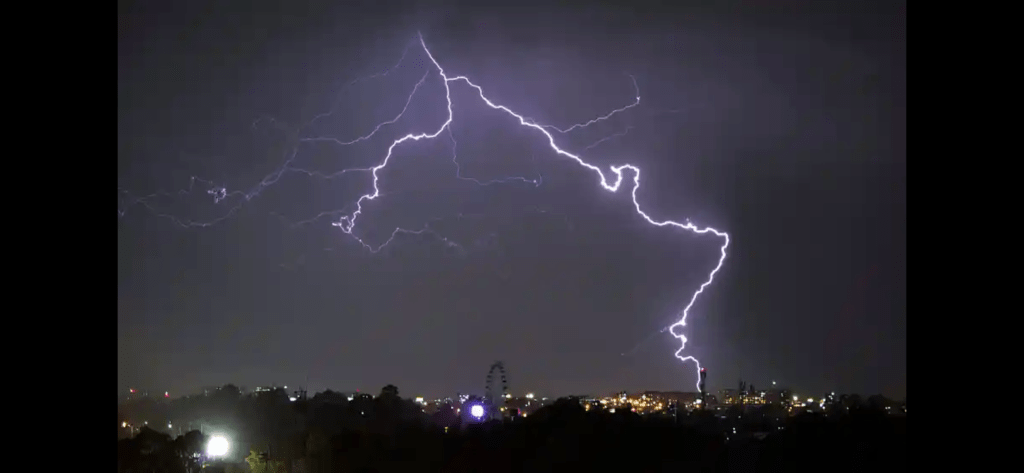
The feat, which involved firing powerful laser pulses at thunderclouds over several months last year, paves the way for laser-based lightning protection systems at airports, launchpads and tall buildings.

https://www.theguardian.com/science/2023/jan/16/scientists-steer-lightning-bolts-with-lasers-for-the-first-time

Probably a little cost-prohibitive for most of us, but potentially useful for others!

Webb finds rocky Earth-sized planet

January 13, 2023
MThomas

The finding demonstrates how the observatory could be used to search for potentially habitable planets in the cosmos and examine the chemical makeup of their atmospheres.

https://www.nbcnews.com/science/space/james-webb-telescope-finds-first-exoplanet-rcna65374

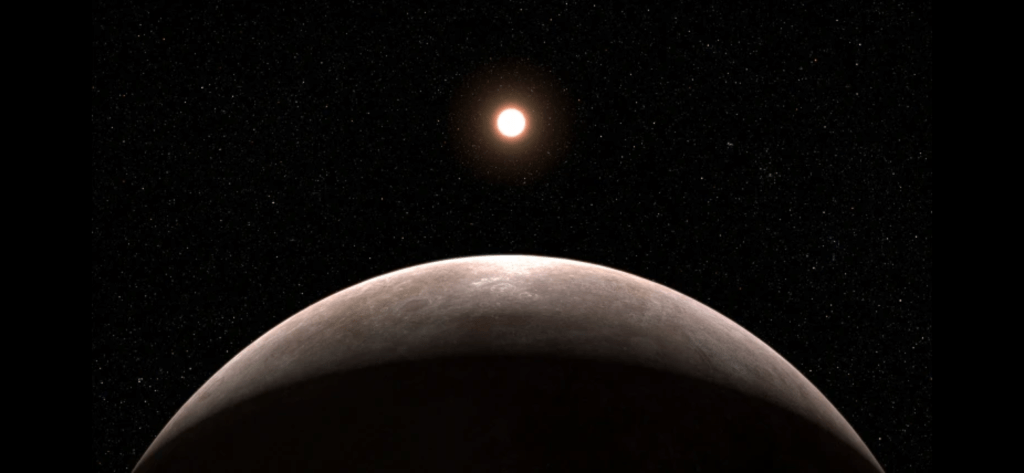
LHS 475b is 41 light years away, orbiting a red dwarf star in the Octans constellation (one of a few “modern” constellations only seen in the deep southern hemisphere).

Webb can even detect the presence of atmospheres, though given LHS475b has an orbit of two days and is a “few hundred degrees warmer than Earth,” it’s unlikely it’ll find much with this exoplanet.

Still, it’s a first. The first of many, I hope.

“New” rock “found” in Somalia has two (or three) “new” minerals

January 7, 2023
MThomas

Canadian researchers said the rock was found in rural Somalia two years ago, but locals believe it is much older.

They call the stone Nightfall, and say it is documented in poems, songs and dances that stretch back five generations. It is used today to sharpen knives.

https://www.bbc.com/news/world-africa-63800879

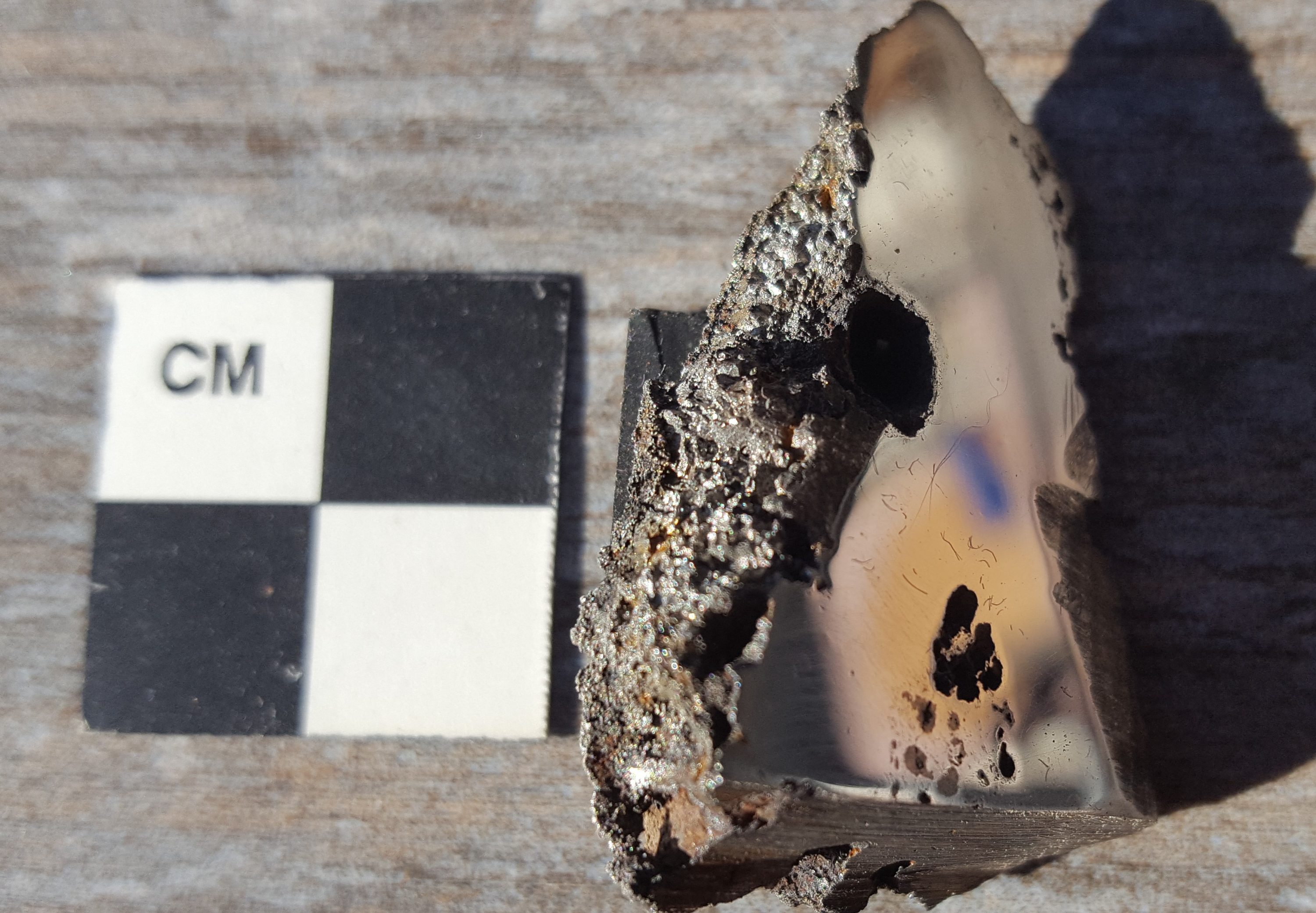
The “new” rock is apparently a meteorite that fell to Earth at least 100 years ago (or more, depending on how you define a “generation”). The two newly-identified minerals are being called “elaliite” (after El Ali, Somalia) and “elkinstantonite” (after NASA planetary evolutionary expert Lindy Elkins-Tanton).

And there’s still one more as-yet-unidentified mineral in the 70-gram rock fragment at the U of Alberta (the original is about 15 tons, and is reported to be the 9th largest such meteorite to have survived entering the Earth’s atmosphere). These three minerals evidently do not exist naturally on Earth. Makes you wonder how many other such minerals are still floating around in space.

And of course, how they might be used to make incredibly strong yet flexible spacecraft materials. (FWIW NASA was already talking about “new” materials such as carbon nanotubes and self-healing piezoelectronic “skins” some twenty years ago…)

Now, maybe it’s just me, but I have a feeling that a 15-ton rock falling into the desert would have raised all sorts of hell. At least locally. Nothing like a 143,000 ton rock, of course. Is there really no record of this thing falling out of the sky? Maybe it’s time to talk to non-European communities and to take their oral legends a bit more seriously.

The 2022 Year of Space Exploration

January 2, 2023
MThomas

Lots and lots and lots of space stories occurred in 2022.

From DART to Landsat, Sagittarius A* black hole to CAPSTONE, the Korean Pathfinder to SpaceX, and to the ISS, Moon, and Mars, here’s a summary of major space exploration projects last year.

Looking forward to 2023 and beyond!

From nothing to Mars in 6 years

December 20, 2022
MThomas

In 2020, the UAE’s space agency launched its first Mars mission, less than a decade after it was created. How did they manage it?

https://www.bbc.com/future/article/20221206-how-the-uae-got-a-spacecraft-to-mars-on-the-first-try

This is a great story about how true international cooperation rather than competition can result in scientific progress.

Thanks to their efforts, despite nearly being derailed thanks to the pandemic, we will soon have a complete picture of an entire year of Mars weather.

Not bad for a country whose space agency is so small “you could probably lose it in the car park of Nasa’s giant Johnson Space Centre in Houston.”

(Of course, the project’s findings may mean I have to rewrite some of my novel in progress, but why not? All in the name of science fiction…)

US to report major fusion breakthrough

December 12, 2022
MThomas

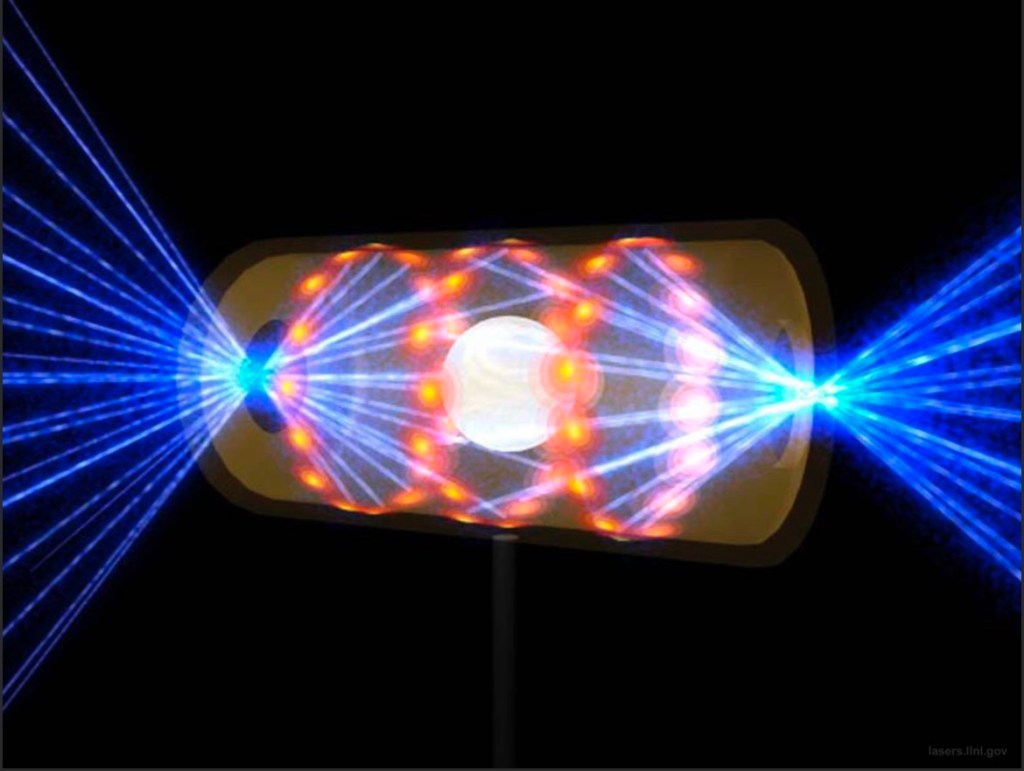
The Financial Times reported Sunday that scientists in the California-based Lawrence Livermore National Laboratory (LLNL) had achieved a “net energy gain” from an experimental fusion reactor.

https://www.ndtv.com/world-news/us-to-announce-major-scientific-breakthrough-amid-nuclear-fusion-reports-3598437/amp/1

This is being spread across various websites. FT and Washington Post wrote the most details, but both are behind paywalls (boo) so I cited NDTV instead.

If…a BIG if…this report is true, it would still take a decade or more to commercialize fusion to the point where it would make even a dent in climate change.

But it would be a big first step.

A BIG if.

(FWIW, European scientists claimed this back in February …and in June… and again in September, and then it all fizzled out. So I’m not holding my breath on yet another politically charged, puff out our nationalist chest claim until I see scientific evidence that the reaction can be sustained and repeated elsewhere.)

Can you say “billlyons and billyons of dollars”?

Why do all the planets orbit the sun in the same direction?

December 11, 2022
MThomas

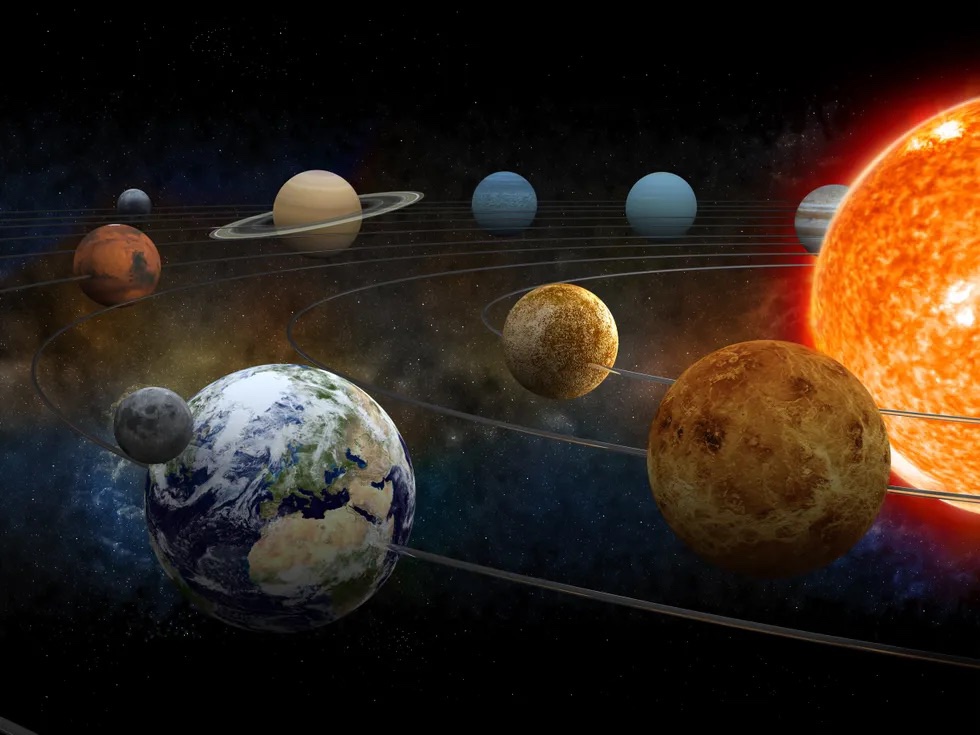
Note: not to scale (duh). Thanks, Getty. Uh, is this really the best way to show the solar system? (There…are…NINE..planets!)

Think of pizza dough flattening into an enlarging disk as it’s tossed. Because the cloud had an initial rotation, this same direction of spin has persisted…

https://www.popularmechanics.com/space/solar-system/a39729213/why-do-all-the-planets-orbit-in-the-same-direction/

So basically the answer is simply that that’s the way they all started out.

Some moons, however, do have retrograde orbits. I.e., they orbit in the opposite direction around their respective planets. Some small asteroids and comets also have retrograde orbits due to their small mass being easily affected by larger cosmic objects.

But I bet now you’re all thinking of pizza… 🍕

Why Japan and JAXA are definitely NOT the future of space exploration

November 26, 2022
MThomas

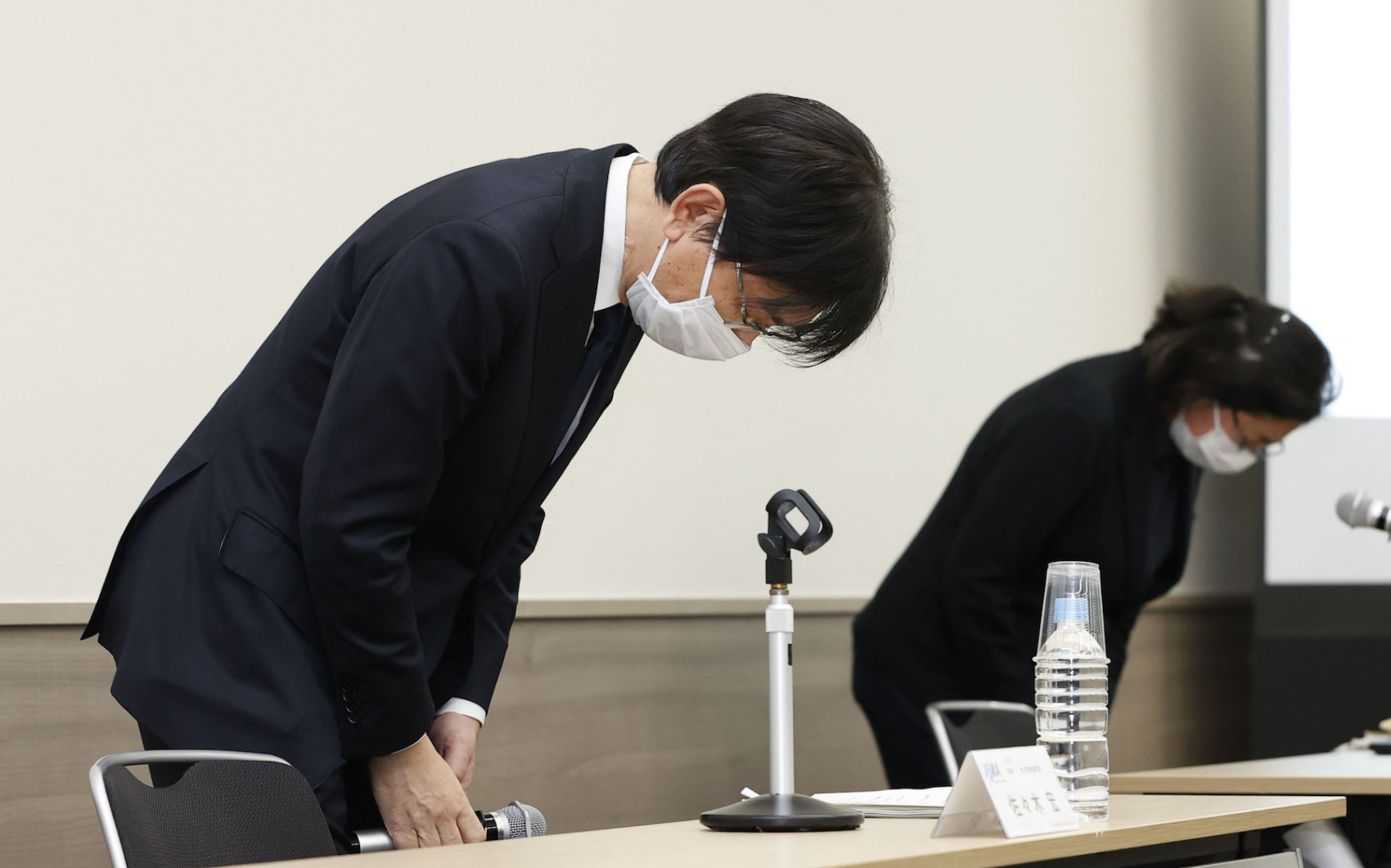
Falsified space research? No problem. The “apology bow” (sha zai, 謝罪) makes it all better.

There is a reason why Japan’s newest “micro” satellite spectacularly failed to do, well, anything.

The Japan version of NASA (Japan Aerospace Exploration Agency, called “JAXA” for some reason rather than “JAEA” — maybe the founder was a fan of X-Japan?) is riddled with incompetency and sycophancy.

Much like the rest of Japan’s government, one of the most corrupt of the world’s industrialized countries thanks to its strict “senpai-kohai” hierarchy where those at the top do no work and those at the bottom have no choice but to do what those at the top say – even if it’s illegal or immoral.

Continue Reading
Blog at WordPress.com.
The EcoGalactic Gazette

Space sustainability watch, co-produced by a human and an AI agent

The Silmaril Chick

Writing Fanfiction in the worlds of Tolkien and Beyond!

Our Awesome Universe

Learning more about our place in the universe...

TechWordly

Best Tech Gadgets Advise

Universe discoveries

Writing blogs is miracle I am a writer blogger and my site mission is to give information on maximum information to audiences

Robby Robin's Journey

Reflections of an inquiring retiree ...

Stylish Home Solutions

Simple ideas to make every room feel stylish and welcoming

Fox Reviews Rock

Rock & Metal Reviews That Hit Hard

My little corner of the world

Short stories | Reflections | Poetry