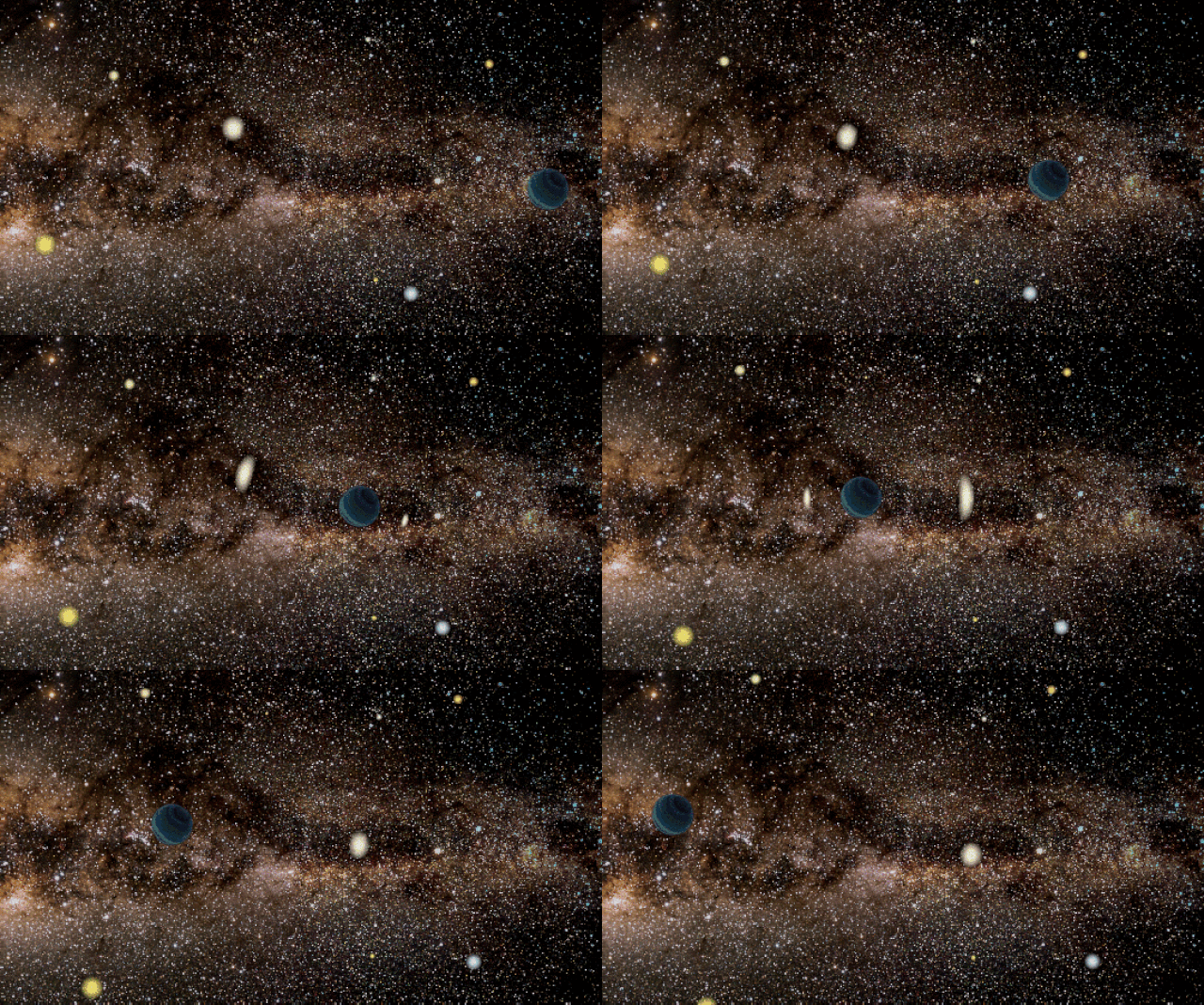
It’s possible our galaxy is filled to the brim with these rogue planets, but this one is particularly unusual for one special reason: it is the smallest found to date — even smaller than Earth — with a mass similar to Mars.
Leave it to USA Today—the paragon of journalistic integrity and unvarnished truth reporting—to grossly exaggerate “value.”
Imagine if someone dumped several hundred thousand tons of nickel and iron on the market?
It would immediately make nickel and iron worthless. Simple supply and demand. So it’s not monetary value that is important.
How do we create vehicles and domiciles for a space-faring future while avoiding the exorbitant cost of getting them into space in the first place? It’s the cost and weight of rocket fuel that’s the issue.
Solution: Build everything in space. No need to bring anything back to Earth.
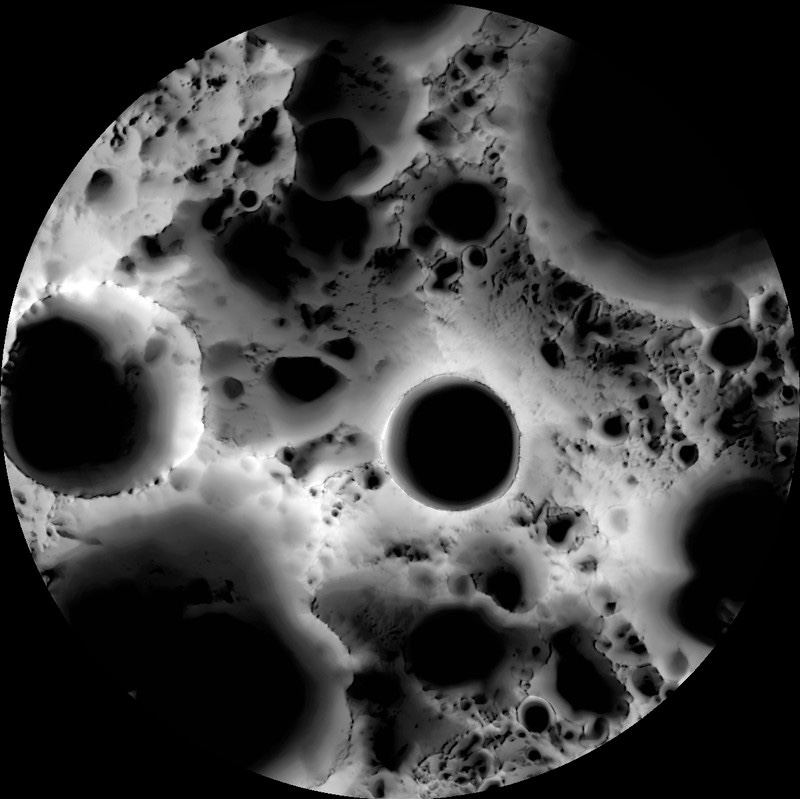
The new research is especially topical given that NASA plans to land humans on the Moon in the 2020s and use lunar resources as part of its Artemis program, prompting thorny discussions about legal and ethical extraction of materials on the Moon.
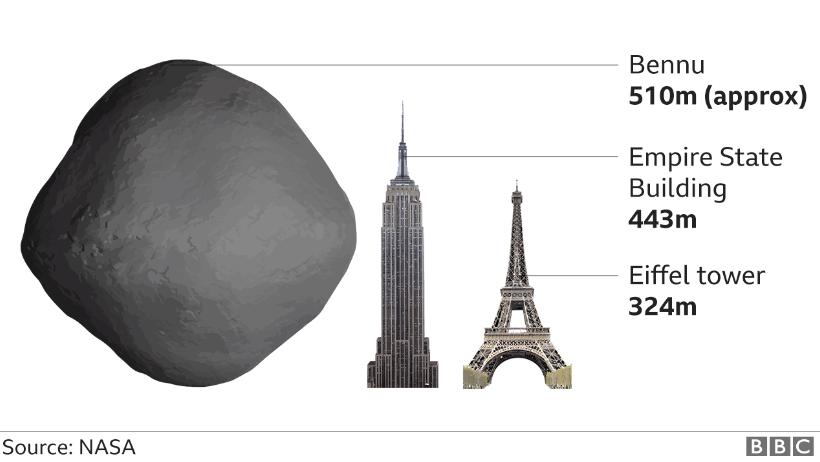
Why are 3D objects always compared to the Empire State Building?
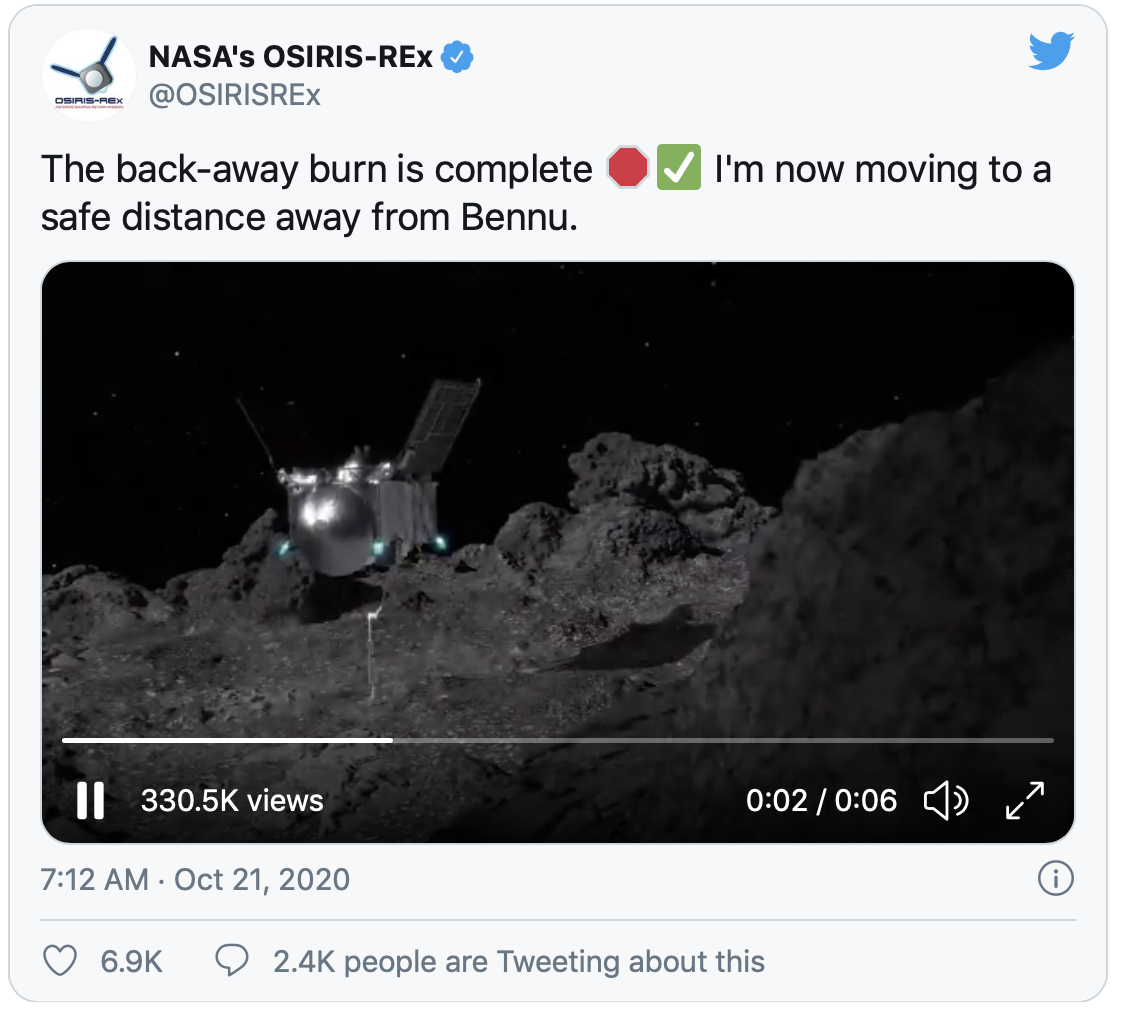
Researchers understand it to be what they call a carbonaceous asteroid, meaning its rocks still retain a lot of the chemistry that was present when the Sun and the planets came into being more than 4.5 billion years ago. Hence the desire to bring some of its material home for analysis in sophisticated Earth laboratories.
If it’s a spinning top, I don’t see how showing it in comparison to the Eiffel Tower will help us understand how big it is…
Then again, usually media compare things like this to a football field (US) or a football pitch (UK). Or they say things like “as long as [insert type of moving vehicle here] end to end.”
Honestly, just say “510 m3” and leave it at that. All we care about is what the probe will do: Vacuum up and bring back at least 60g of materials from the beginning of the solar system.
The volcano is about the size of Arizona with a volume100 times larger than that of Mauna Loa’s,Earth’s largest volcano, NASA says. “In fact, the entire chain of Hawaiian islands (from Kauai to Hawaii) would fit inside Olympus Mons!”
Brighter than Jupiter this October! And the closest Mars will be until 2035.
(The photo is from Forbes, but the information was better on The Telegraph.)
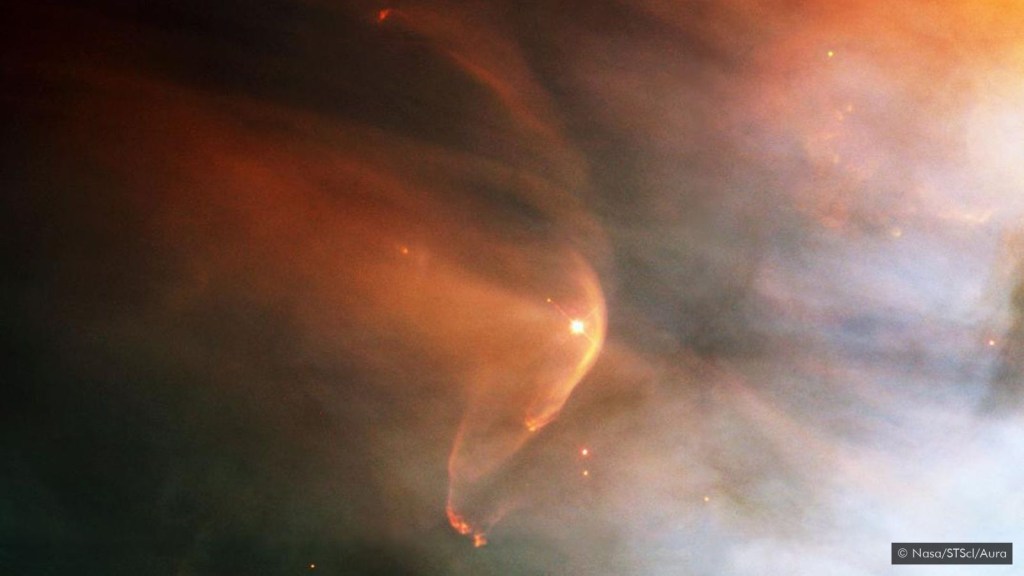
“When you look at different parts of the electromagnetic spectrum, that area of space is very different from the blackness we perceive with our eyes,” says Michele Bannister, an astronomer at the University of Canterbury in Christchurch, New Zealand, who studies the outer reaches of the Solar System. “Magnetic fields are fighting and pushing and tied up with each other. The image you should have is like the plunge pool under Niagara Falls.”
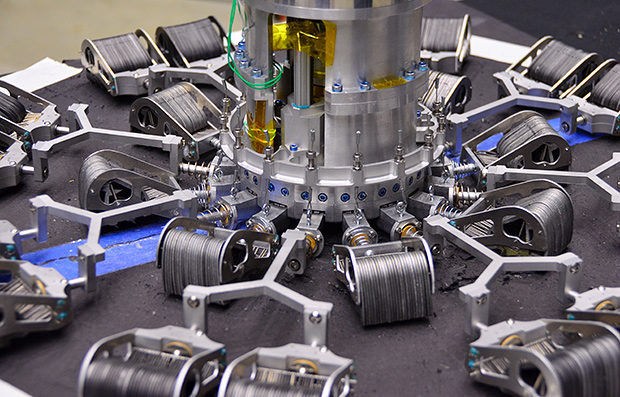
The Airbus spacecraft will have to manoeuvre itself into a position to capture these samples that will be packaged inside a football-sized container.
After ingesting this container, the satellite must then prepare it for return to Earth.
This means not only shipping it across hundred of millions of km of space, but also putting the football inside a re-entry capsule that can be dropped into Earth’s atmosphere to land in an American desert.
This would be, indeed, a feat of engineering as well as a first in interplanetary exploration.
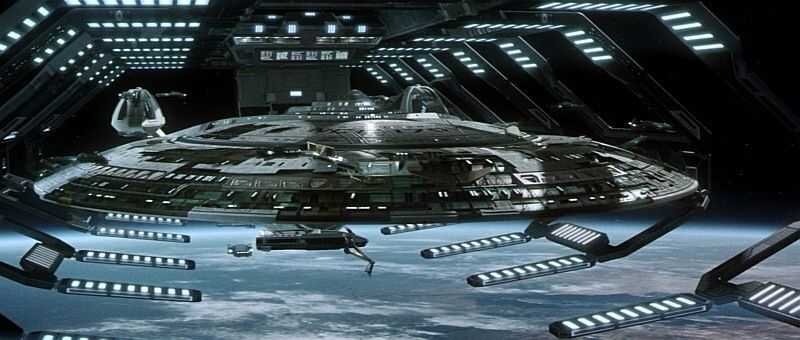
But I wouldn’t go so far as to call it an “interplanetary cargo ship.” Unless the intention is to maintain it as a permanent link between research locations (i.e., some kind of permanent orbitor stationed above the Jezero Crater) and research facilities on Earth (or the Moon, or the International Space Station).
Political will is needed in addition to the enormous funding. Semi-privatization, anyone?





 M Thomas Apple Author Page