As the training progressed, the participants changed the way they used the device, which resulted in new finger coordination patterns. This was recorded in their hand movements as well as in their brains.
Using blobs of skin cells from frog embryos, scientists have grown creatures unlike anything else on Earth, a new study reports. These microscopic “living machines” can swim, sweep up debris and heal themselves after a gash.
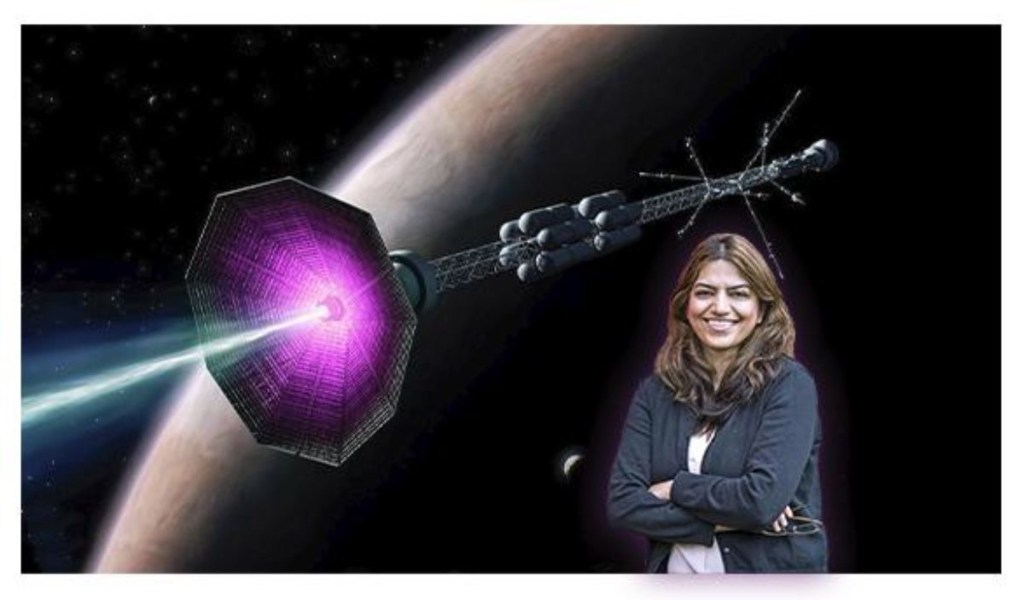
A crewed mission to Mars may be more practical thanks to a new rocket concept developed by Fatima Ebrahimi, a physicist at the US Department of Energy’s (DOE) Princeton Plasma Physics Laboratory (PPPL), that uses magnetic fields to generate thrust.
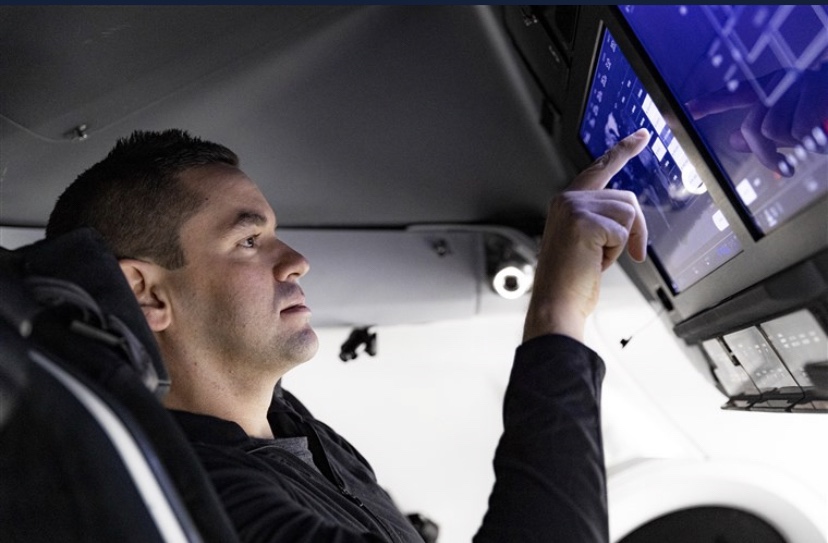
The CEO of an online payment company is the perfect leader for an emergency in outer space.
OK, hands up who thinks this is a really super dumb and risky idea but isn’t terribly surprised by the super dumb and risky things Musk continually blurts out? 🤷♂️
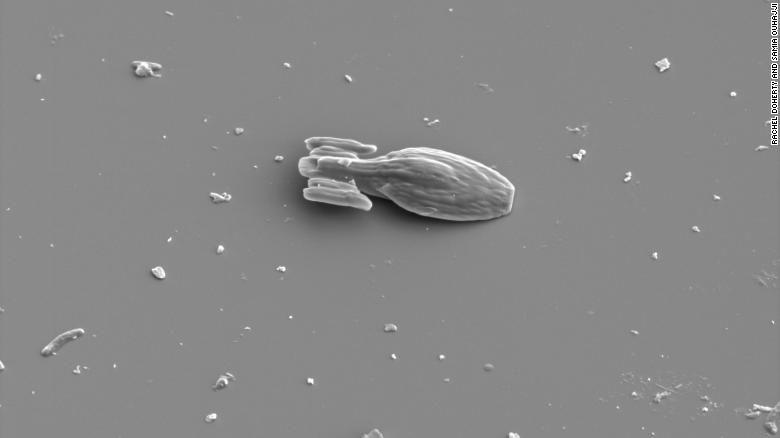
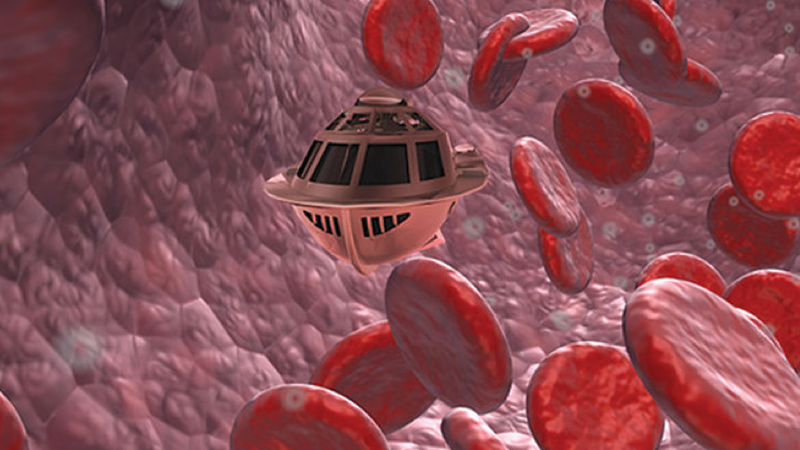
“By studying synthetic microswimmers, we would like to understand biological microswimmers,” Samia Ouhajji, one of the study’s authors, told CNN. “This understanding could aid in developing new drug delivery vehicles; for example, microrobots that swim autonomously and deliver drugs at the desired location in the human body.”
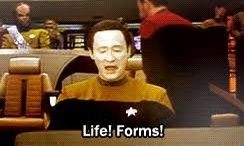
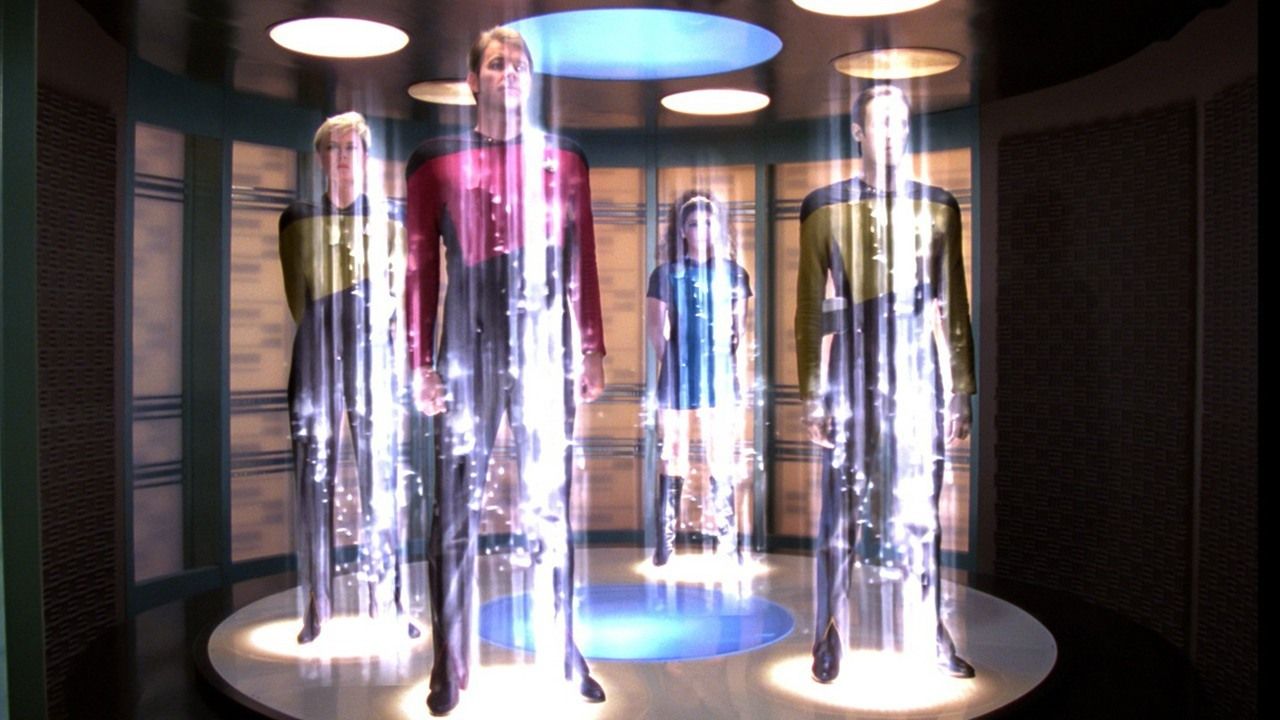
“Beam us down, Mr. O’Brien! No, wait, I didn’t meaaaannnnnnnnn……”
Some would argue that having one’s “molecules scrambled,” as Dr. McCoy would put it, is actually the surest way to die. Sure, after you’ve been taken apart by the transporter, you’re put back together somewhere else, good as new. But is it still you on the other side, or is it a copy? If the latter, does that mean the transporter is a suicide box?
An old article (2017, whose impetus was the imminent release of ST: Discovery) but a good one.
Is the copy of you, you? Or is it a brand new person with the same memories? Would it have ANY memories? Would it have the same consciousness? (Or ANY consciousness?)
Of course, you can always stick to the “David Brin Theory” of teleportation: “Some dude in the future will figure this all out.”
Lazy writers!
(This is why, in my novel, I stick to quantum teleportation of inanimate objects only. That includes quantum communication relays, chunks of asteroids…miniature nuclear bombs…you know, “realistic” things like that.)
“But decoding and storing memories raise a new set of ethical, moral and legal questions. For instance, who would own these memories after a person has died? Could the police obtain warrants to search through memories? Given that memory itself isn’t completely reliable, could memories be used in lawsuits? How could we ensure that unscrupulous professionals don’t sell or share them?”
Hm, I think I can see another direction this might eventually take…
I get the attraction of people like Steve Jobs and Elon Musk. They have big ideas. They’re enthusiastic, ecstatic, even. They’re great at simplifying difficult concepts and promoting tech to the lay person.
But they’re not creators. They’re “visionaries.”
I.e., salespersons.
Is that a bad thing? Of course not. I was in computer sales once. It was hard. Only the charismatic are good at it. But I didn’t have the knowledge and ability to make the products I was selling, let alone the power to innovate.
Sticking a chip in a person’s brain and sending thousands to the Moon or Mars sound cool. Possible, even.
But science isn’t sales. Someone might die.
Small difference.
We need visionaries, but scientists are more important. Maybe if they talked to each other…