
…but it is worth USD $10 billion…
PS. Let’s look for the aliens, already…
https://apnews.com/article/james-webb-telescope-first-photos-32c7cad1f6b277f871990d029bedba72

July 12, 2022
…but it is worth USD $10 billion…
PS. Let’s look for the aliens, already…
https://apnews.com/article/james-webb-telescope-first-photos-32c7cad1f6b277f871990d029bedba72
June 30, 2022
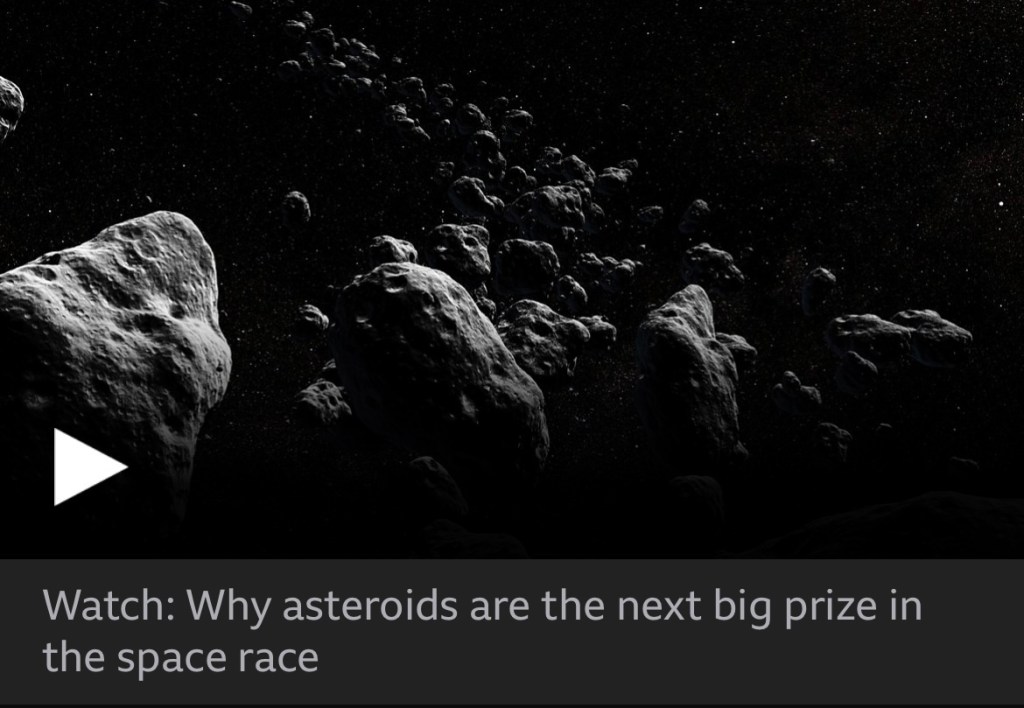
Today is “International Asteroid Day”!
Who knew?
Asteroids hold large amounts of valuable minerals and metals. That is what International Asteroid Day is raising awareness about on 30 June.
https://www.bbc.com/news/av/science-environment-61985813
June 6, 2022
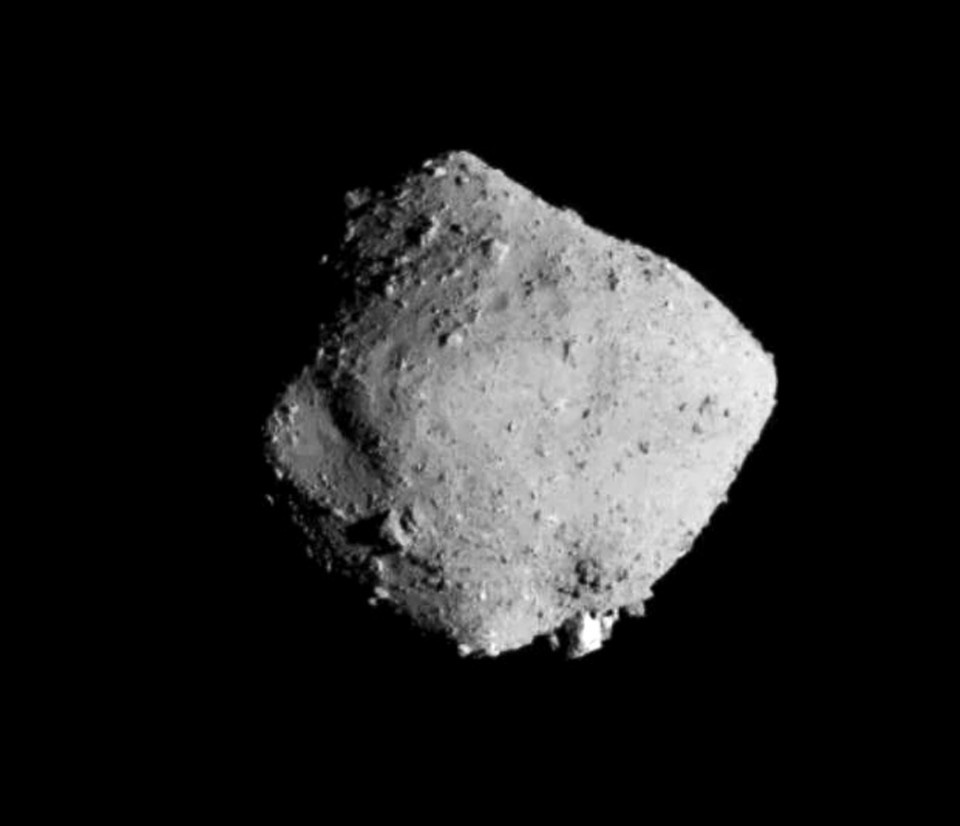
More than 20 types of amino acids have been detected in samples Japan’s Hayabusa2 space probe brought to Earth from an asteroid in late 2020, a government official said Monday, showing for the first time the organic compounds exist on asteroids in space.
https://english.kyodonews.net/news/2022/06/9a7dbced6c3a-amino-acids-found-in-asteroid-samples-collected-by-hayabusa2-probe.html
This lends support to the hypothesis that life on Earth was brought to it during the Late Heavy Bombardment period – in which meteors brought not just water but the building blocks of life…
Now imagine if someone were to find an asteroid with addition proteins NOT found on Earth… (i.e., my novel’s scientific premise…)
May 16, 2022
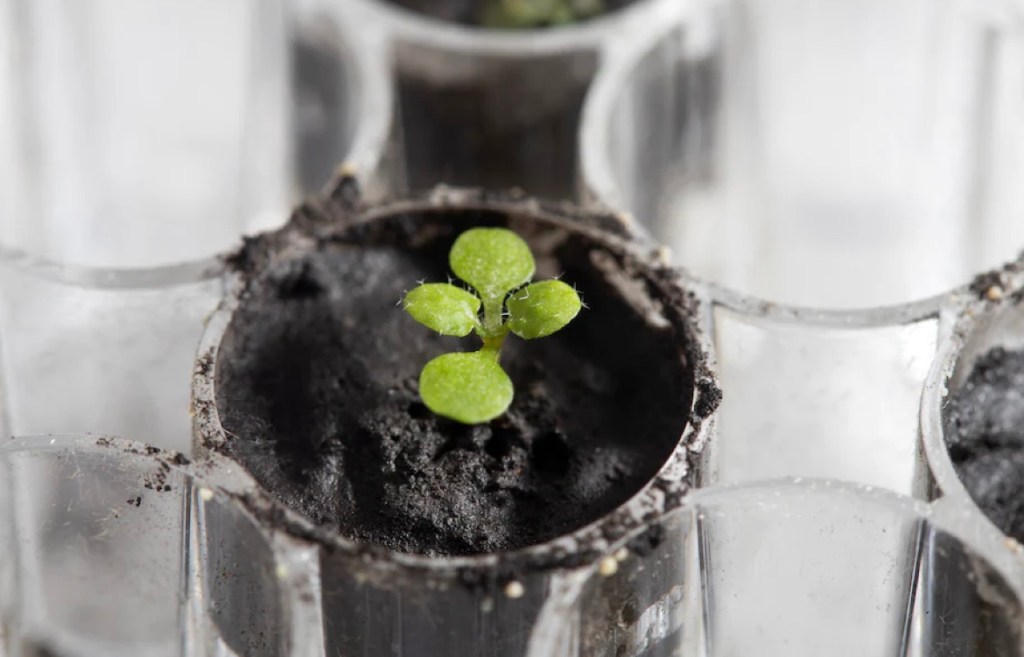
The samples were extremely hydrophobic, and repelled water as if it were the most disgusting thing ever invented. Researchers labored to get the lunar soil to gradually soak up water. They also added a nutrient solution.
https://www.washingtonpost.com/science/2022/05/12/plants-grow-in-lunar-soil/
Turns out that it is possible to grow plants on the Moon…
…although you might want to wear gloves while farming, since the “soil” contains tiny pieces of glass from constant bombardment.
Continue Reading
April 12, 2022
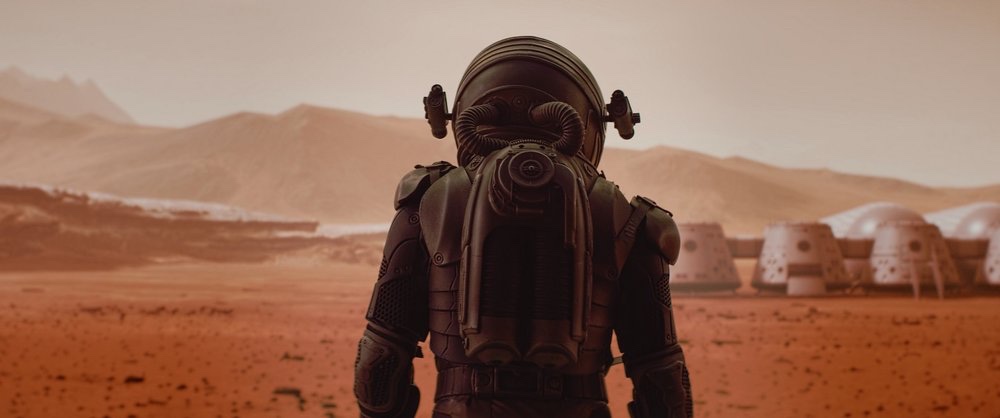
In short, the algae will use sunlight to transform CO2 into sugars that are then enhanced by bio-engineered E.coli into 2,3-butanediol. Interestingly, 2,3-BDO is not entirely conceptual as it currently exists and is mainly used to produce rubber components. It has just never been thought of as fuel before.
https://www.universal-sci.com/article/producing-rocket-fuel-on-mars-using-microbes?utm_campaign=Universal-Sci%20Weekly&utm_medium=email&utm_source=Revue%20newsletter
Neat. So all the astronauts have to do is bring, uh, how much algae we talking here?
The article doesn’t say, but it does mention a by-product of the process: Oxygen!
That would seem rather helpful. Mars or bust?
March 18, 2022
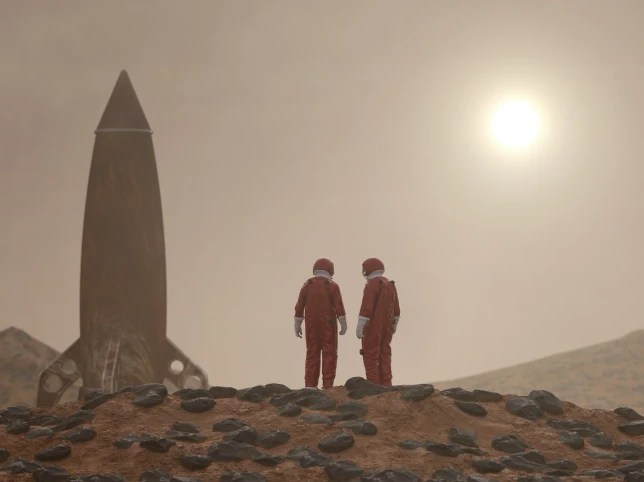
Or, as I’m sure was unintentionally titled, ”Nasa probing people having sex in space.” 🤦
Ya know, I’m pretty sure we need to figure out “this whole food-air deal” first (to quote comedian Bill Hicks).
“The US space agency confirmed that there were currently no plans for a field or project office to explore the topic in any detail but that could change as we get closer to putting humans on Mars.“
Uh-huh.
Priorities…
March 4, 2022
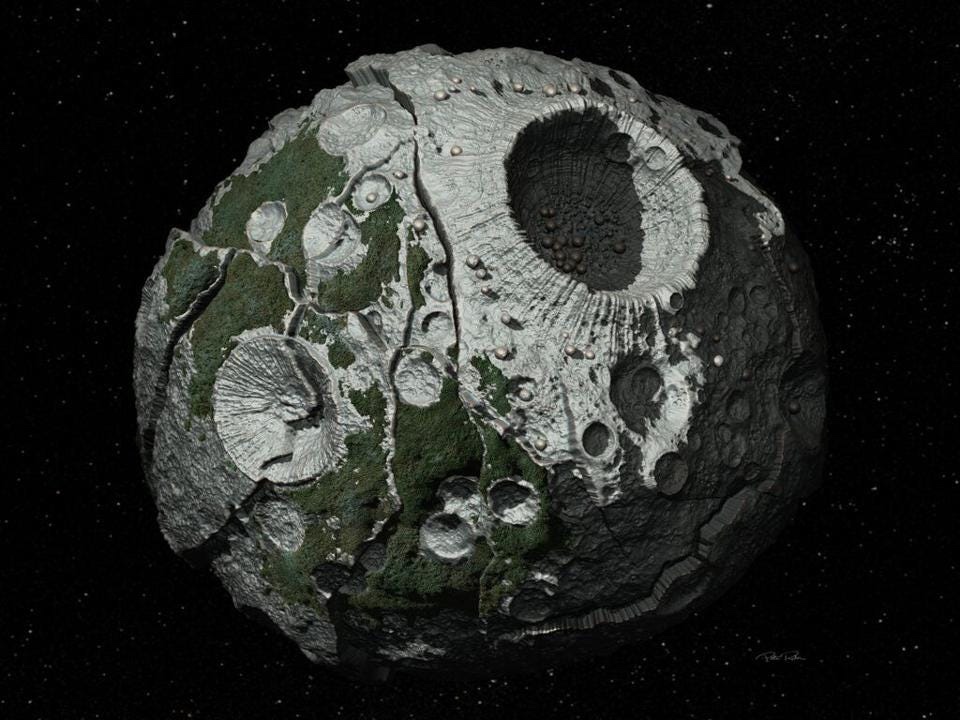
A new study suggests that 16 Psyche, one of the most intriguing and most valuable asteroids we know of, could be covered in iron-spewing volcanoes.
https://www.forbes.com/sites/jamiecartereurope/2022/02/24/the-iron-giant-asteroid-worth-more-than-our-global-economy-may-have-an-explosive-secret-say-scientists
Psyche is an asteroid that was probably once the heart of a planet in the early system, one that didn’t survive the violent process of planet formation.
Yep — that “worth more than the global economy” rock in space.
But we’ll have to wait a few years to find out if it’s “less metal and more hard rock” — the Psyche Mission rockets off in August 2022 and the probe won’t arrive for four more years.
February 24, 2022
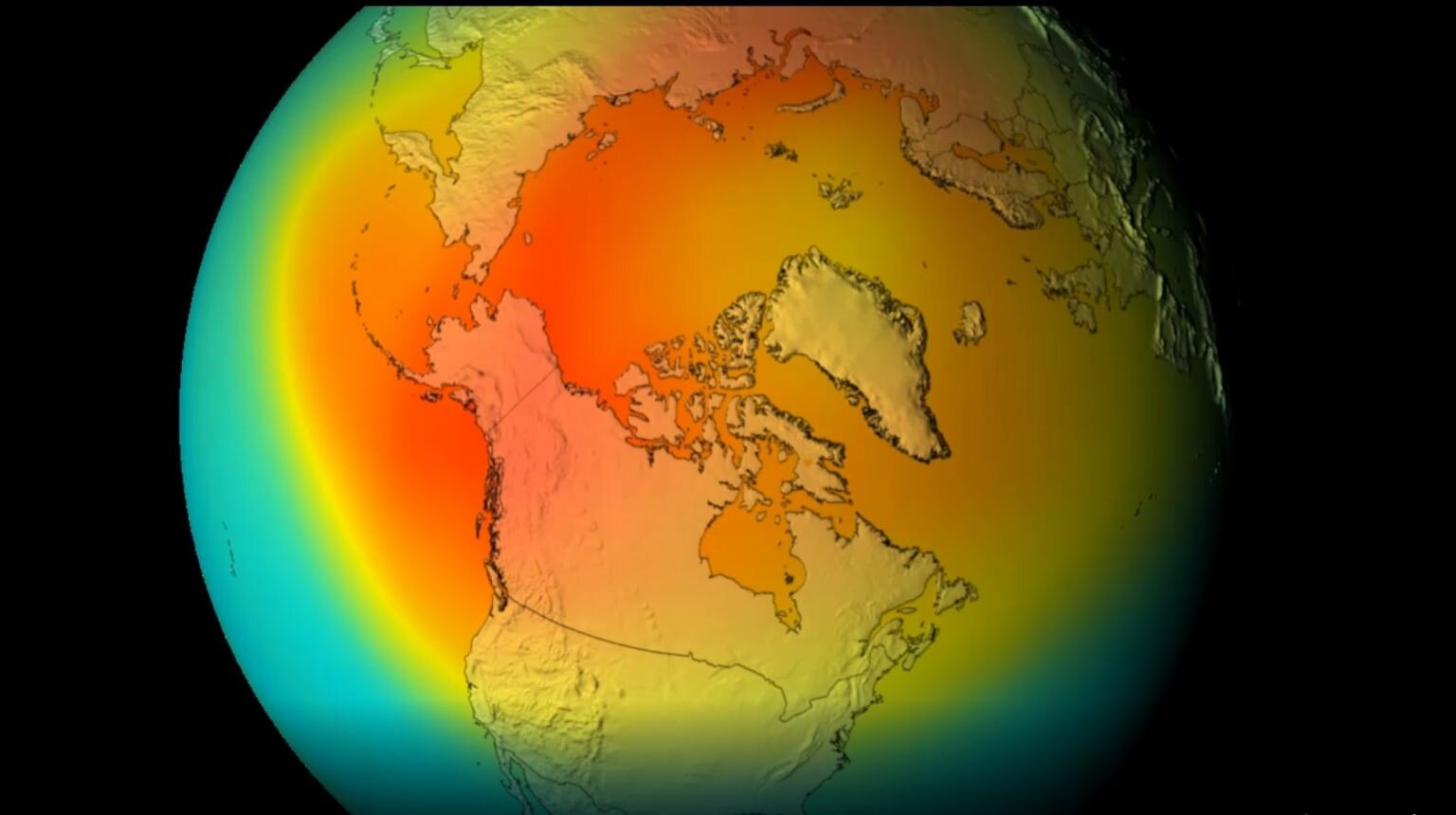
“We give off waste heat (from industry and homes and so on) and artificial light at night, but perhaps most significantly, we produce chemicals that fill our atmosphere with compounds that wouldn’t otherwise be present. These artificial atmospheric constituents just might be the thing that gives us away to a distant alien species scanning the galaxy with their own powerful telescope.”
https://phys.org/news/2022-02-webb-telescope-civilizations-air-pollution.html
Or, as Futurism puts it: “SCIENTISTS ALREADY PLOTTING HOW James Webb COULD DETECT ALIEN CIVILIZATIONS WHOA.”
Just. Settle down, wouldja. Sheesh.

Scientists have proposed aiming the James Webb space telescope the Trappist system, specifically Trappist-1e.

Really hope this isn’t what they find…

February 11, 2022

“The laser, a 10-meter wide array on Earth, would heat hydrogen plasma in a chamber behind the spacecraft, producing thrust from hydrogen gas and sending it to Mars in only 45 days. There, it would aerobrake in Mars’ atmosphere, shuttling supplies to human colonists or, someday perhaps, even humans themselves.”
https://phys.org/news/2022-02-laser-mars.html
The only problem is that there’s no way to slow the thing down right now…”aerobraking” using current technology would cause gees of 8 or above for several minutes and temperatures hot enough to cook whatever’s in the ship to a nice toasty crisp.

But what if robots could design a receiving station with lasers to “catch” the ship and slow it down…?
Hmmm. Sounds like a science fiction work in progress…
February 5, 2022
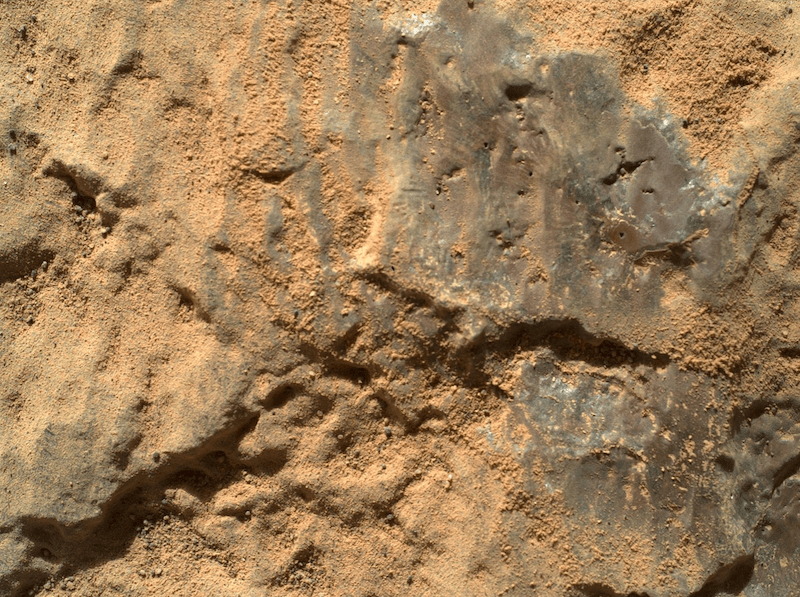
SuperCam showed that the coatings are enriched in hydrogen and sometimes magnesium. In addition, images from Mastcam-Z suggest that they also contain iron oxides. Both the hydrogen and iron oxides point to past water being involved in the formation of the coatings. That shouldn’t be too surprising, perhaps, since this area in Jezero Crater used to be a lake a few billion years ago.
https://earthsky.org/space/purple-rocks-mars-perseverance-rover-desert-varnish/
The rocks resemble so-called desert varnish, which protect microbes from the sun’s radiation. It’d be interesting to find out whether cyanobacteria that once existed on Mars did this…but the four billion year old question is, how did those bacteria get there in the first place?
Writing Fanfiction in the worlds of Tolkien and Beyond!
Learning more about our place in the universe...
Best Tech Gadgets Advise
Marvel Comics Reviews, Previews and News
Writing blogs is miracle I am a writer blogger and my site mission is to give information on maximum information to audiences
Reflections of an inquiring retiree ...
Simple ideas to make every room feel stylish and welcoming
Rock & Metal Reviews That Hit Hard
Short stories | Reflections | Poetry
Read. Reflect. Grow
 M Thomas Apple Author Page