The bankruptcy filing by Richard Branson’s Virgin Orbit Holdings Inc (VORB.O) has dealt a blow to Japan’s hopes of building a domestic space industry, with plans for a Kyushu-based spaceport designed to attract tourism on hold for lack of funding.
Still, it’s jarring to see TV news about JAXA and NASA doing “joint” explorations of Mars, and then see a constant failure of JAXA to do anything based in Japan.
Something is seriously wrong with this space agency. And I suspect it has nothing to do with the scientists or astronauts.
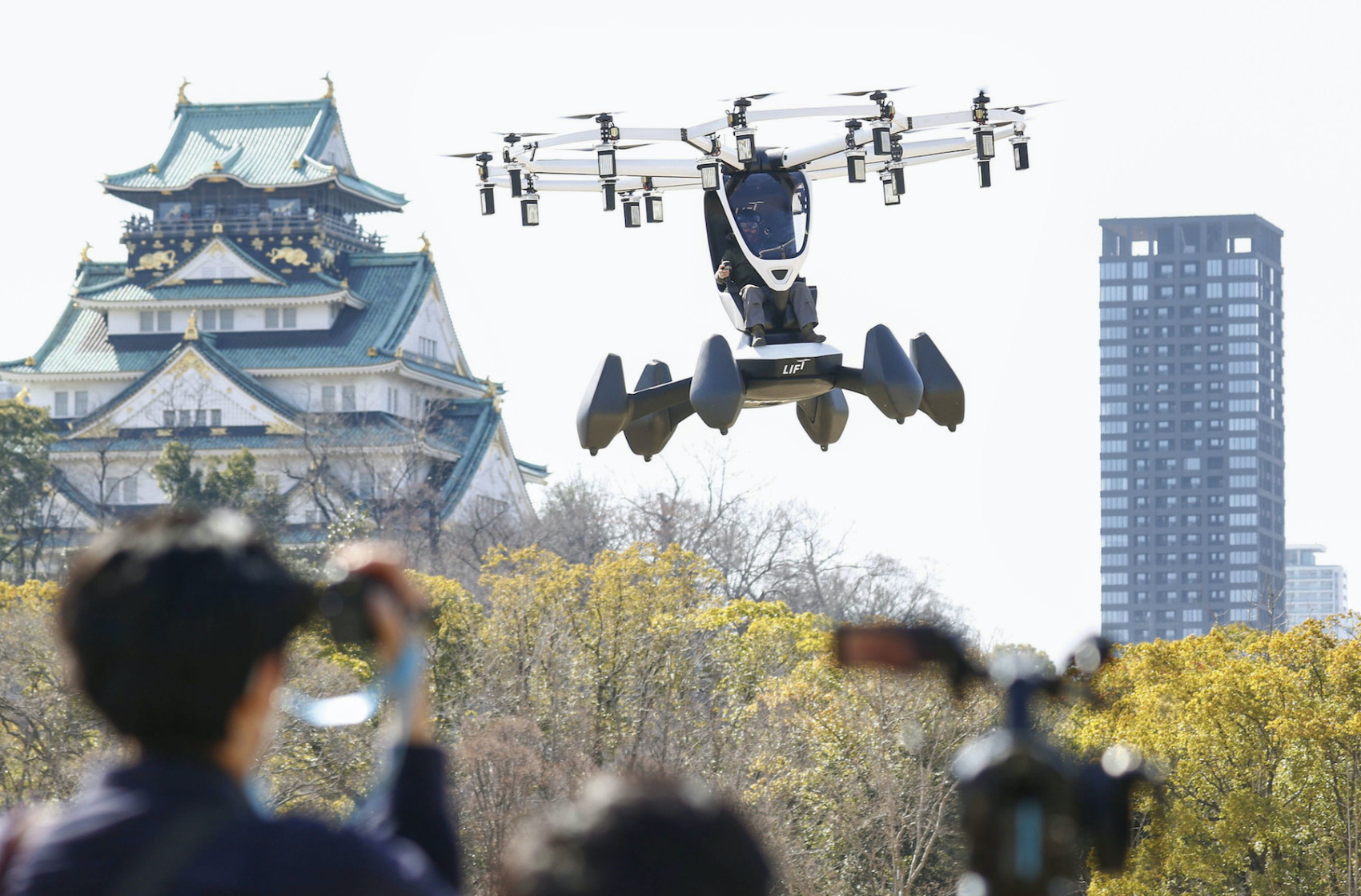
An air taxi service set to feature at the 2025 World Exposition in Osaka was tested in Osaka Castle Park on Tuesday, in what the prefectural government says is the first time in the country one of the craft has been piloted from the cockpit.
The “taxi” they tested only fits one person. If the plan is to taxi visitors to the Expo back and forth between various artificial islands, I hope there are plans to test the actual three- to six-seaters.
And of course, there is always the “big challenges ahead are Japanese regulations and residents’ feelings” things. I wouldn’t be surprised if the first flying taxi to successfully taxi people around by air also becomes the first flying taxi to have a flying traffic accident.
(That’s what happened to Ohio City inventor James Lambert, who was testing an early gas-powered car when he hit a tree. Ireland claims to have an earlier accident, but it wasn’t a vehicle anything like a modern car.)
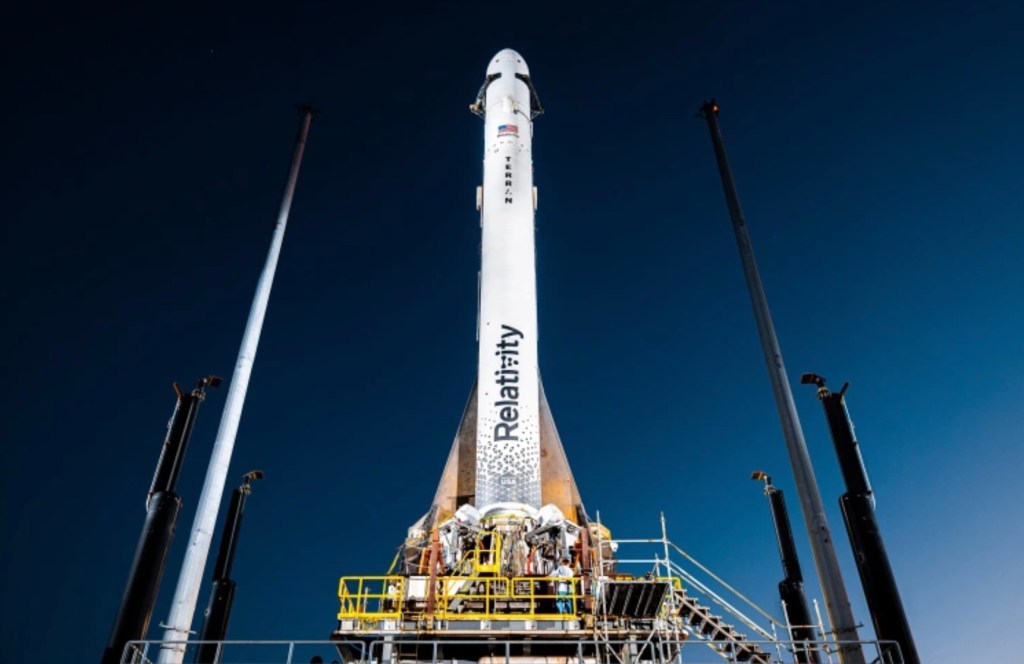
With just over a minute to go before liftoff, a California aerospace startup opted to stand down from launching the world’s first 3D-printed rocket on its inaugural test flight.
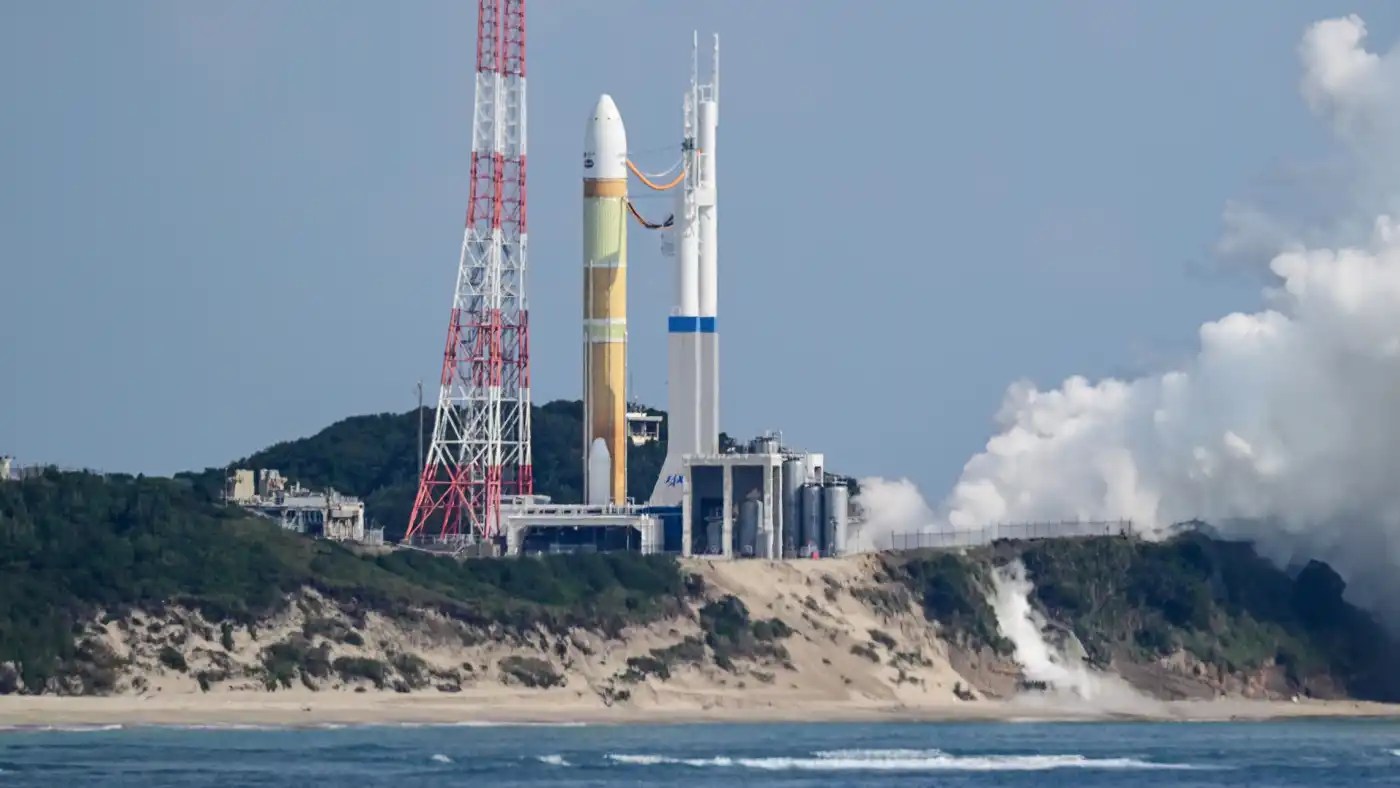
At least unlike the spectacular self-destruction of JAXA’s H3 this past Tuesday (Monday, Japan time), the team testing the California rocket wisely decided that it’s not a bright idea to stick a billion dollar satellite on an untested rocket. Repeatedly.
I’m beginning to feel that using 3D printed parts may not be the way to go with rocket engines…
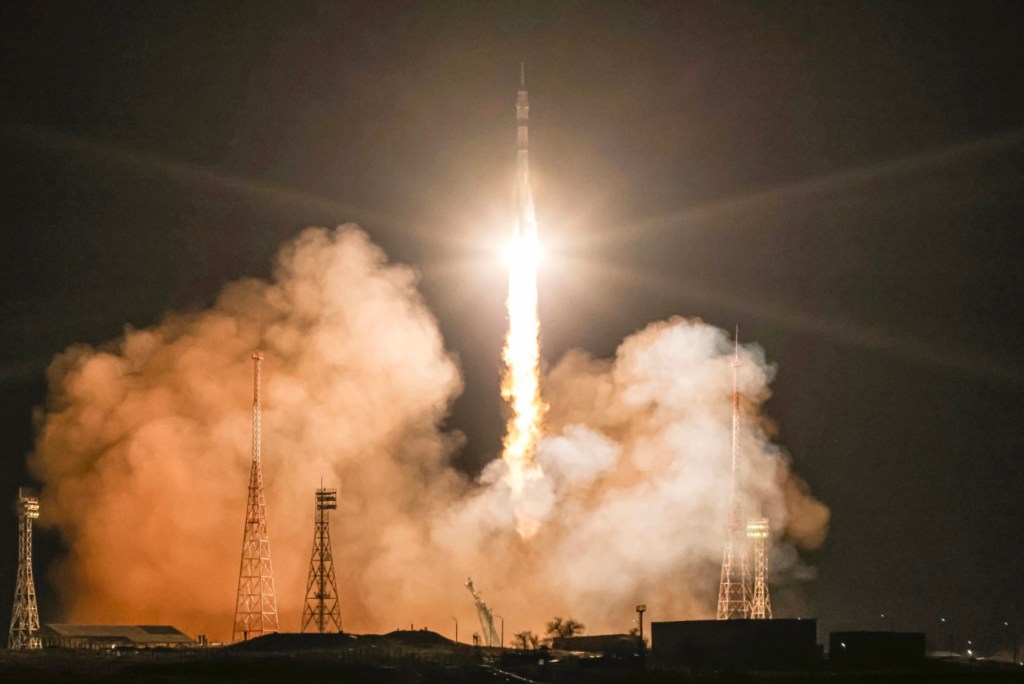
Until the new Soyuz pulls up, emergency plans call for Rubio to switch to a SpaceX crew capsule that’s docked at the space station. Prokopyev and Petelin remain assigned to their damaged Soyuz in the unlikely need for a fast getaway. Having one less person on board would keep the temperature down to a hopefully manageable level, Russian engineers concluded.
At liftoff time, smoke was seen rising from the bottom of the rocket, indicating the ignition of the main engine. However, the rocket did not rise from the launchpad.
Also, see this one (pay wall, Washington Post) about NASA and DARPA working on one to reach Mars much faster to reduce astronauts’ exposure to radiation.
I still think “durp” every time I see that acronym 😝
Not too terribly helpful if you can’t read Japanese, but you can probably figure out which is water and which is “radical water.”
From 11 to 17 January, the Demonstration Business Promotion Team Osaka along with Sustainable Energy Inc. ran trials on a synthetic fuel produced from water and carbon dioxide present in the air. If successful, this could become the first carbon-based and truly carbon-neutral fuel of its kind.
So basically this company in Osaka did some water 💧 experiments with “radical water” (water whose molecules were subjected to a kind of electrolysis⚡️ to ionize them), then a “seed fuel” (a fossil fuel like kerosene) was added to create synthetic fuel ⛽️ which in turn will create more CO2 that can be used to create more synthetic fuel.
And no, I didn’t have to insert goofy 😜 icons, but I’m on the train right now 🚊 so why not. 😝
Anyway, this all just sounds too good to be true. Surely it’s prohibitively expensive 💴 to constantly electrify water to the point where its unbound electrons can be available to bind with synthetic fuel electrons. Tidal 🌊 generators, wind 💨 turbines, solar sun ☀️ panels, and thermal heat from volcanos 🌋 all seem more likely a source of electricity to power EVs. 🚗
At any rate, there’s been nothing in the news 📰 about this, so I doubt the experiments worked. Or if they did, someone has a vested interest in continuing Japan’s reliance on Middle Eastern, Indonesian, and Russian fossil fuels.
OK I arrived, so I can stop it with the icons 🛑 ✋ for now.
A Japanese telescope positioned on top of Mauna Kea, a dormant volcano on the Big Island of Hawaii, captured video of an eerie flying spiral in the night sky on Jan. 18.
In the video, a small bright spot appears and slowly gets brighter and starts to dissipate into a spiral before getting small again and disappearing.
In fact, it was the remains of a discarded Falcon 9 booster from the launch of a SpaceX satellite. And it isn’t the first time this has happened. Japanese TV talked about this, too (since it was a Japanese astronomy, at the Subaru Telescope, that first recorded it).
So, an Identified Flying Object!
Yay, more metallic junk.
(Thanks to Glen Hill for bringing this article to my attention.)
Well, I managed to watch the first two episodes, but I really couldn’t continue after that.
Watanabe is right. Netflix screwed up by doing what all US-based companies do when they try to make scifi: they focus on the violence and forget about the ambiance.
But as he says at the end of the interview, “The value of the original anime is somehow far higher now.”
(Read the original interview in its entirety here, if you can stomach the political pop-ups.)
Since the Hayabusa2 returned with the sample from the Ryugu asteroid in December 2020, several important discoveries have been made – most notably analyzes confirming the presence of substances thought to be the building blocks of life on the asteroid, such as liquid water and organics fabrics.
Hayabusa-2 took several years to land on Ryugu (literally “Dragon Palace”), pound out just over 5 grams of asteroid material, and bring it back to Earth (landing in Australia in late 2020).
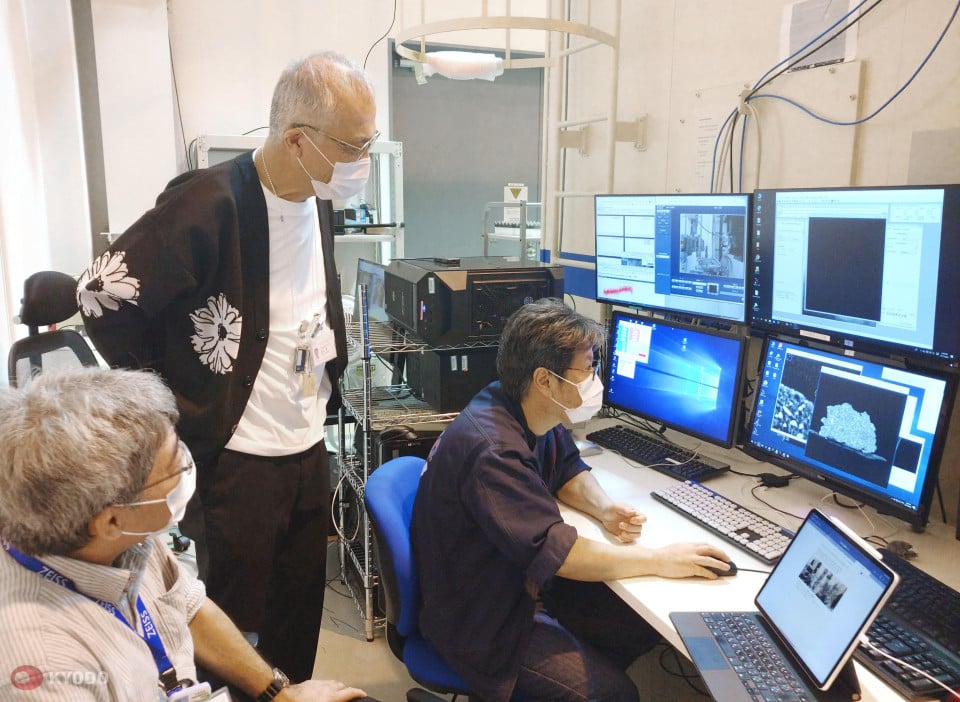
NASA scientists have confirmed not just frozen water but liquid — inside crystals called pyrrhotites. JAXA scientists (pictured above with Prof Tsuchiyama of Ritsumeikan University, my main employer!) continue to check the density of the samples.
The water is similar to the carbon dioxide-laden water of hot springs. The research teams have already discovered over 20 amino acids, the basic protein building blocks of carbon-based life.
Another theory called “panspermia” proposes that a key mineral (boron) missing on early Earth came in an asteroid from Mars. ☄️ Hmm. Did Mars produce asteroids? Or more like asteroids hit Mars and broke off lots of tiny fragments? That somehow survived the journey to Earth?
Seems a little unlikely. But there is now evidence that at least some proteins came from space rocks.
So, sorry, Ridley. This isn’t how it happened. Cool movie, though.






 M Thomas Apple Author Page