
…but it is worth USD $10 billion…
PS. Let’s look for the aliens, already…
https://apnews.com/article/james-webb-telescope-first-photos-32c7cad1f6b277f871990d029bedba72

July 12, 2022
…but it is worth USD $10 billion…
PS. Let’s look for the aliens, already…
https://apnews.com/article/james-webb-telescope-first-photos-32c7cad1f6b277f871990d029bedba72
July 1, 2022
…there has been a serious erosion of the tradition of skeptical inquiry, of vigorous challenging of government leaders, of public exposure of what the government is actually doing, rather than mere pomp and rhetoric. And it is in this area—skeptical scrutiny, public exposure—where the largest strides, in my opinion, are needed.
https://quillette.com/2022/07/01/science-and-civil-liberties-the-lost-lecture-of-carl-sagan/
Thank you, Stephen Pinker and Harvey Silverglate, for transcribing this. And Ann Druyan, for permitting it.
June 30, 2022
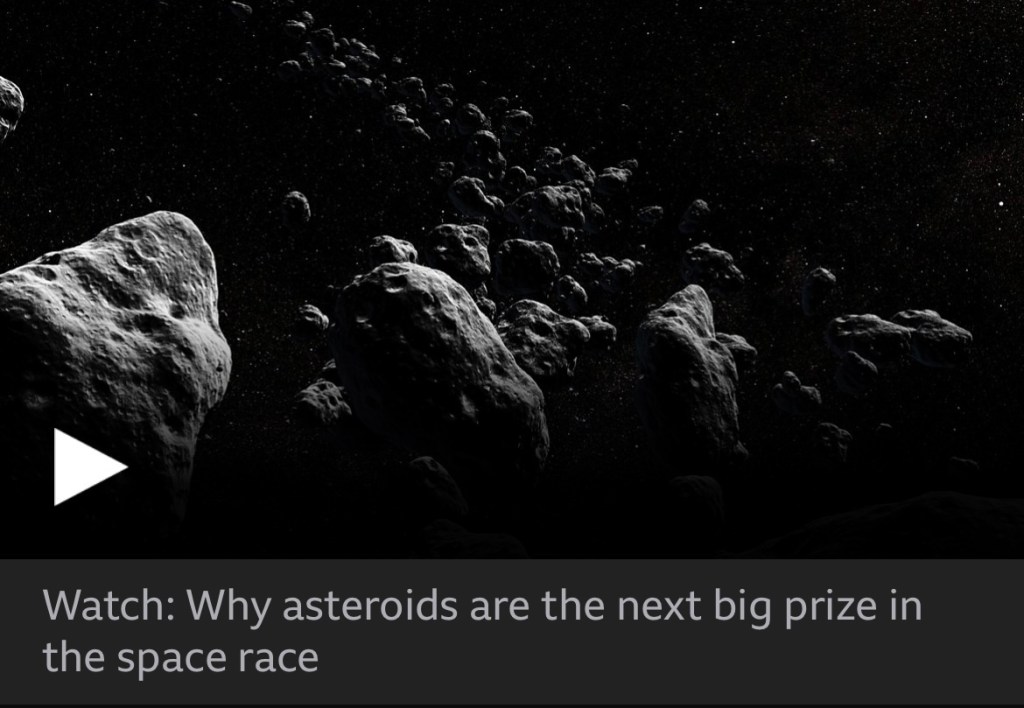
Today is “International Asteroid Day”!
Who knew?
Asteroids hold large amounts of valuable minerals and metals. That is what International Asteroid Day is raising awareness about on 30 June.
https://www.bbc.com/news/av/science-environment-61985813
June 20, 2022
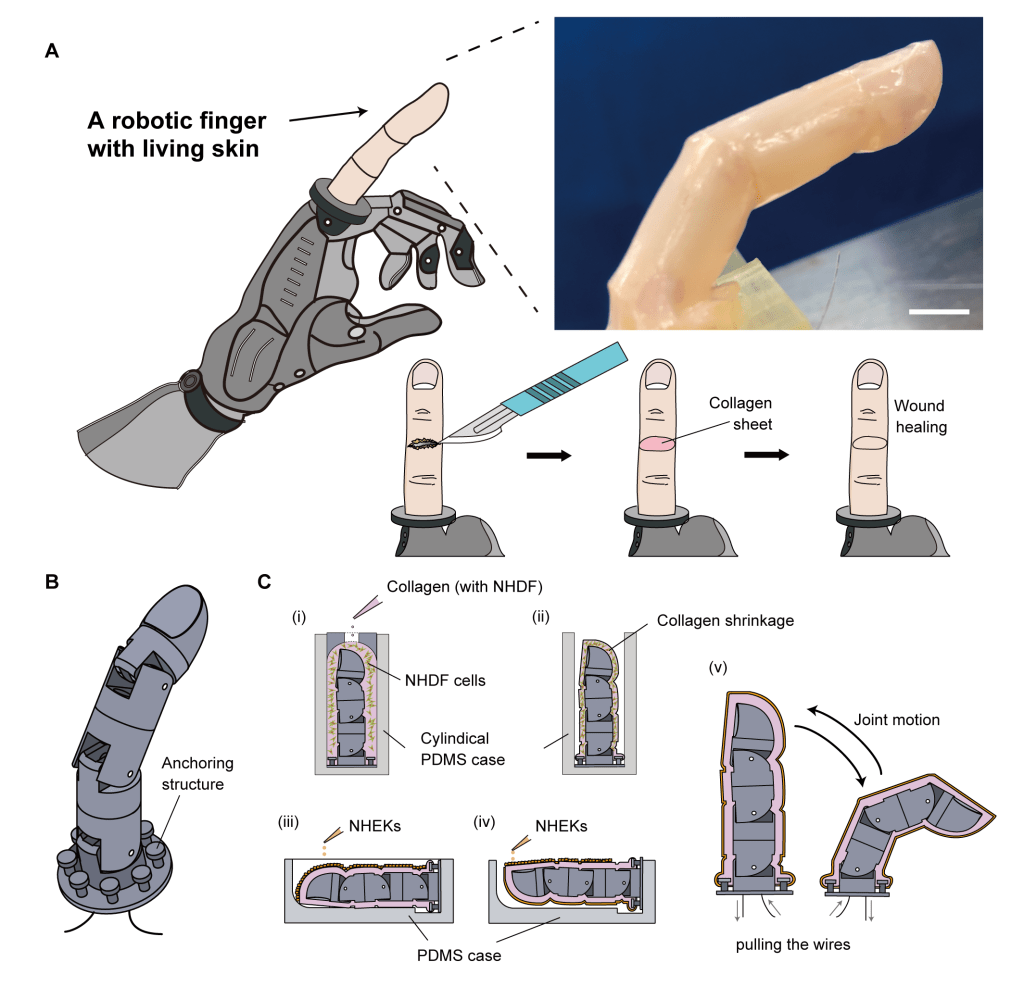
Skin is also just the first step in combining organic matter with machines, and opens the door for incorporating nerves and sensory organs such as olfactory receptors which can detect scents.
https://soranews24.com/2022/06/16/robot-finger-covered-in-living-skin-developed-by-university-of-tokyo/
The original report was published online by the U of Tokyo before it was covered last week by several online sources, including WebMD, the Independent, France 24, and ABC7, but the Sora News is the only one to post Japanese reader comments about, well, what fingers can do. Ahem.
The final quote of the researchers was posted on WebMD as:
“We believe this is a great step toward a new biohybrid robot with the superior functions of living organisms.”
https://www.webmd.com/skin-problems-and-treatments/news/20220616/robot-finger-with-living-skin-points-to-a-new-future
Eek. Maybe might wanna rethink this…

June 6, 2022
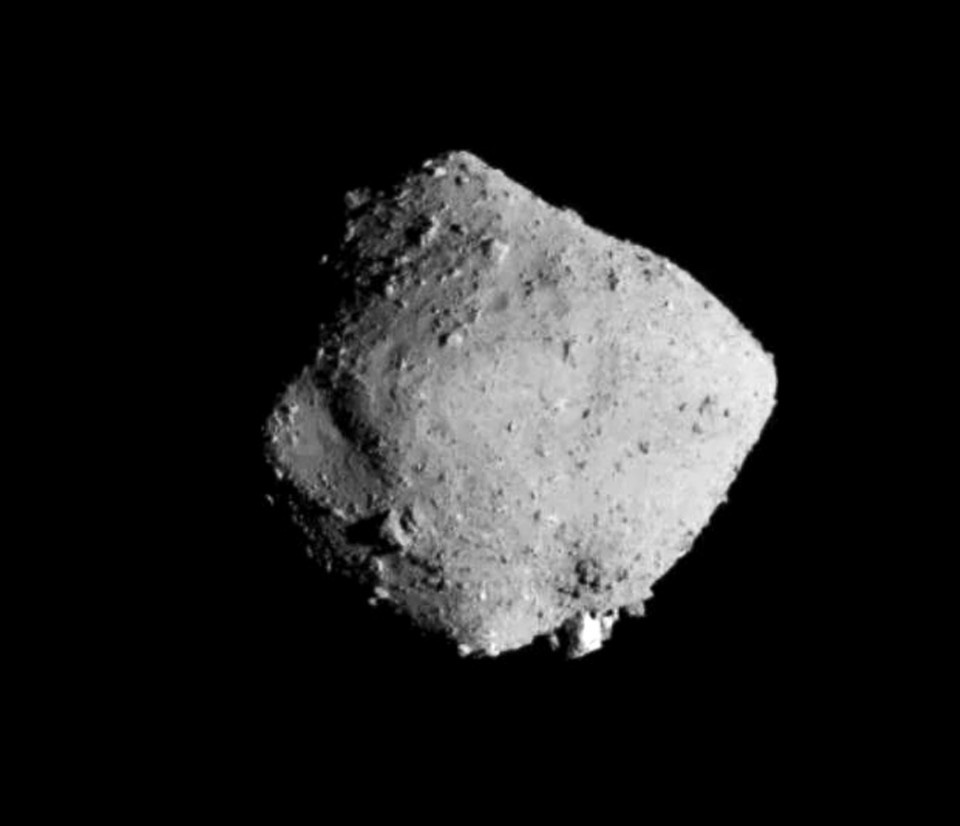
More than 20 types of amino acids have been detected in samples Japan’s Hayabusa2 space probe brought to Earth from an asteroid in late 2020, a government official said Monday, showing for the first time the organic compounds exist on asteroids in space.
https://english.kyodonews.net/news/2022/06/9a7dbced6c3a-amino-acids-found-in-asteroid-samples-collected-by-hayabusa2-probe.html
This lends support to the hypothesis that life on Earth was brought to it during the Late Heavy Bombardment period – in which meteors brought not just water but the building blocks of life…
Now imagine if someone were to find an asteroid with addition proteins NOT found on Earth… (i.e., my novel’s scientific premise…)
May 16, 2022
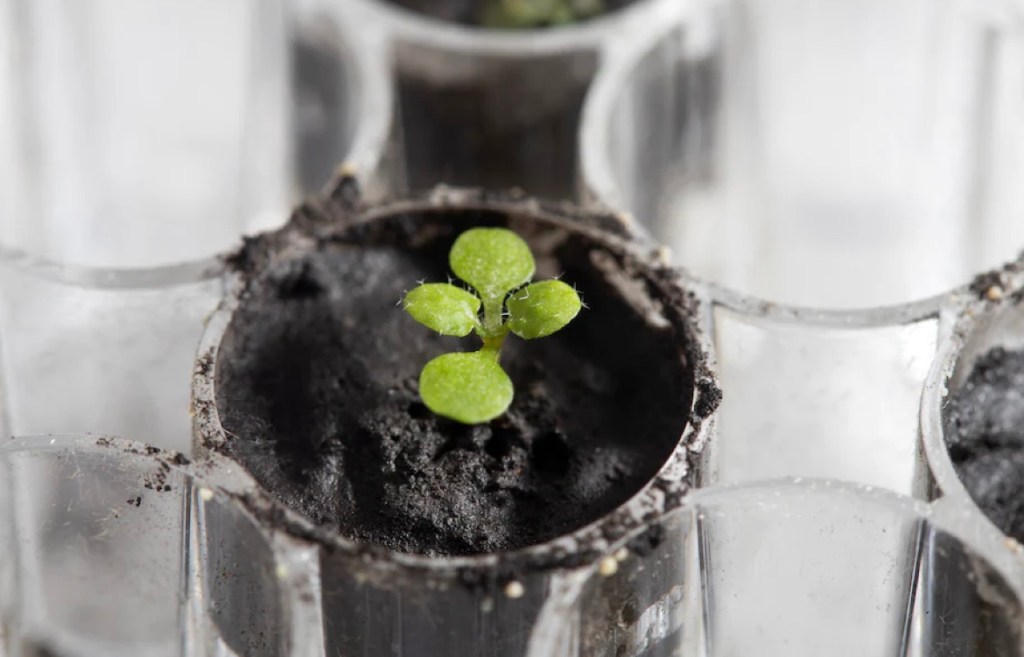
The samples were extremely hydrophobic, and repelled water as if it were the most disgusting thing ever invented. Researchers labored to get the lunar soil to gradually soak up water. They also added a nutrient solution.
https://www.washingtonpost.com/science/2022/05/12/plants-grow-in-lunar-soil/
Turns out that it is possible to grow plants on the Moon…
…although you might want to wear gloves while farming, since the “soil” contains tiny pieces of glass from constant bombardment.
Continue Reading
May 15, 2022
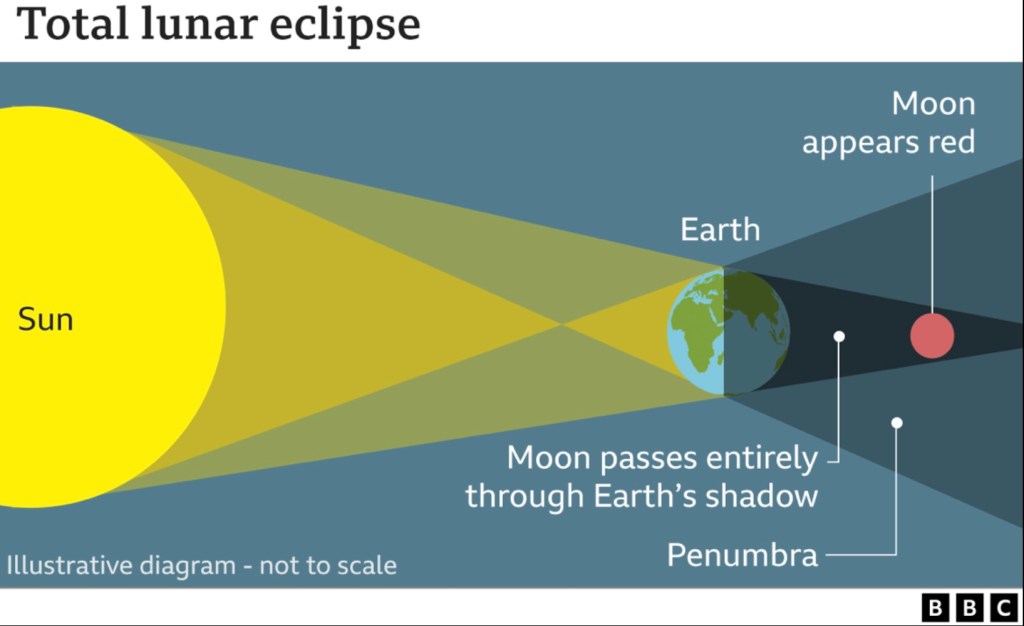
…if you are lucky enough to live Western Europe, parts of northwestern Africa, and some of the Americans…
As for why the Moon appears red…
“You’ll actually be seeing every sunrise and every sunset occurring around the Earth at once. All of that light will be projected on to the Moon.” (Dr Gregory Brown, Royal Observatory
https://www.bbc.com/news/science-environment-61423765
And if you happened to be standing on the Moon at the time, you’d see a blood ring encircling the Earth in front of you (ah, assuming you were not on the other side of the Moon).
Come on. Somebody has got to figure out how to get a picture of that.
April 25, 2022
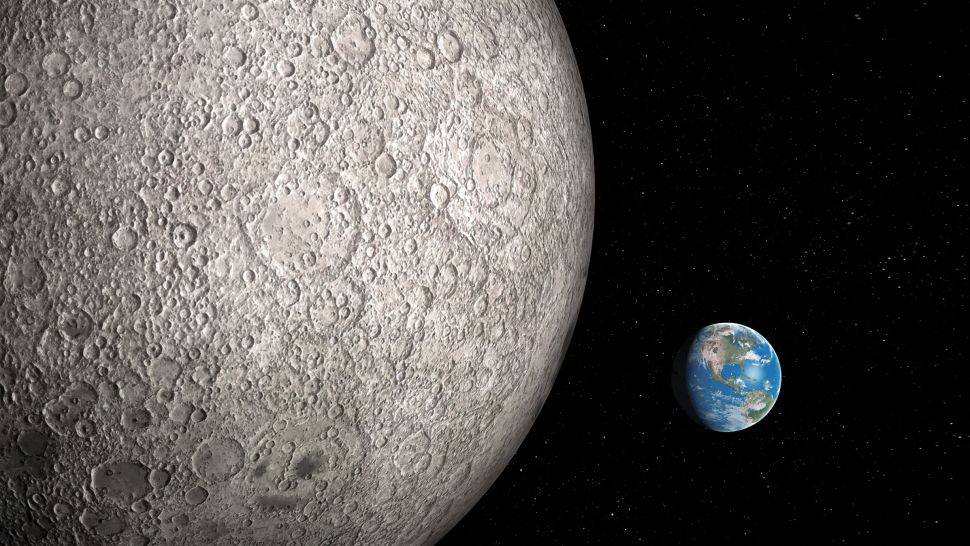
“Perhaps most intriguing among the documents are the several dozen Defense Intelligence Reference Documents (DIRDs), which discuss the viability of various “advanced technolog[ies].” This collection includes reports on “traversable wormholes, stargates, and negative energy,” “high-frequency gravitational wave communications,” “warp drive, dark energy, and the manipulation of extra dimensions,” and many other topics that will sound familiar to fans of science fiction.”
https://www.livescience.com/us-government-report-nuke-the-moon
Looks like the AATIP wasn’t simply searching for aliens…
April 24, 2022
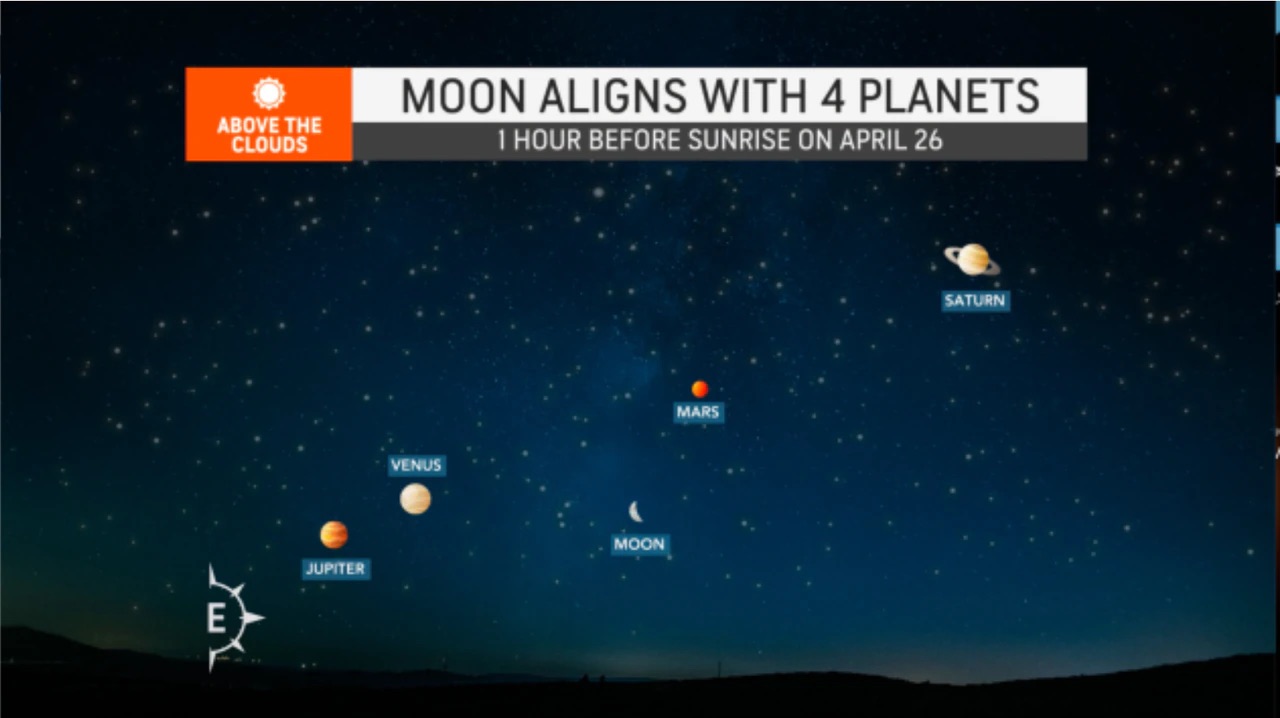
(Note: You won’t be able to see the planets actually looking like these photoshopped images…unless you happen to have a really powerful telescope in your backyard.)
Not sure why I first got this info from a site based in New Jersey. The info about what time of day and in what part of the sky is only relevant to people living in the NJ_NYC area.
Still, it’s an interesting phenomenon that occurs once every few years…
2005. 2016. 2020. And 2022. Not exactly a regular pattern, it seems.
And, no, there is no “spiritual significance” to a planetary alignment. It’s an illusion, an imaginary lining up of the solar system that doesn’t affect you personally. Sorry.
But it’s still fun to watch. Er, if you enjoy getting up before dawn (I don’t).
According to nj.com, “The planetary parade of sorts will occur when Jupiter, Venus, Mars and Saturn all appear to be lined up in a row above the horizon during the pre-dawn hours — starting Saturday morning, April 23. The alignment will also be visible during the next few mornings, and April’s crescent moon will soon join the parade, according to experts from LiveScience and AccuWeather.”
Yeah, lots of web sites are covering this. At least the one I linked above doesn’t have automated videos, flashing ad gifs, and other random pop-ups that drain your smartphone battery.
Click here for more info about the next great alignment (not as impressive as the so-called “Great Conjunction” a couple years ago, but we’ll see more planets in June and July): https://www.usatoday.com/story/news/nation/2022/04/17/planets-align-april-venus-mars-jupiter-saturn/7351117001/
April 12, 2022
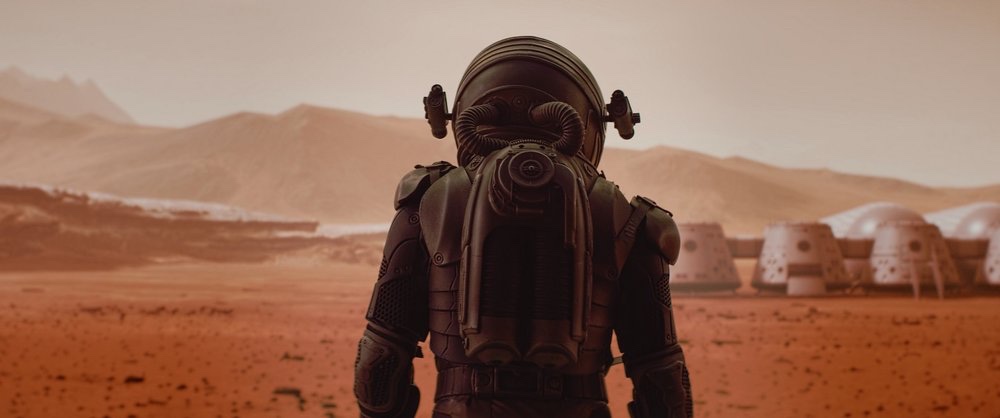
In short, the algae will use sunlight to transform CO2 into sugars that are then enhanced by bio-engineered E.coli into 2,3-butanediol. Interestingly, 2,3-BDO is not entirely conceptual as it currently exists and is mainly used to produce rubber components. It has just never been thought of as fuel before.
https://www.universal-sci.com/article/producing-rocket-fuel-on-mars-using-microbes?utm_campaign=Universal-Sci%20Weekly&utm_medium=email&utm_source=Revue%20newsletter
Neat. So all the astronauts have to do is bring, uh, how much algae we talking here?
The article doesn’t say, but it does mention a by-product of the process: Oxygen!
That would seem rather helpful. Mars or bust?
Writing Fanfiction in the worlds of Tolkien and Beyond!
Learning more about our place in the universe...
Best Tech Gadgets Advise
Marvel Comics Reviews, Previews and News
Writing blogs is miracle I am a writer blogger and my site mission is to give information on maximum information to audiences
Reflections of an inquiring retiree ...
Simple ideas to make every room feel stylish and welcoming
Rock & Metal Reviews That Hit Hard
Short stories | Reflections | Poetry
Read. Reflect. Grow
 M Thomas Apple Author Page