Half of a dilithium crystal? (It’s a new type of crystal called “Chang’esite” (after the ancient Chinese moon goddess).
I should be posting another chapter from Bringer of Light, but I don’t feel like writing that right now, what with a humongoid typhoon slowing churning its way here.
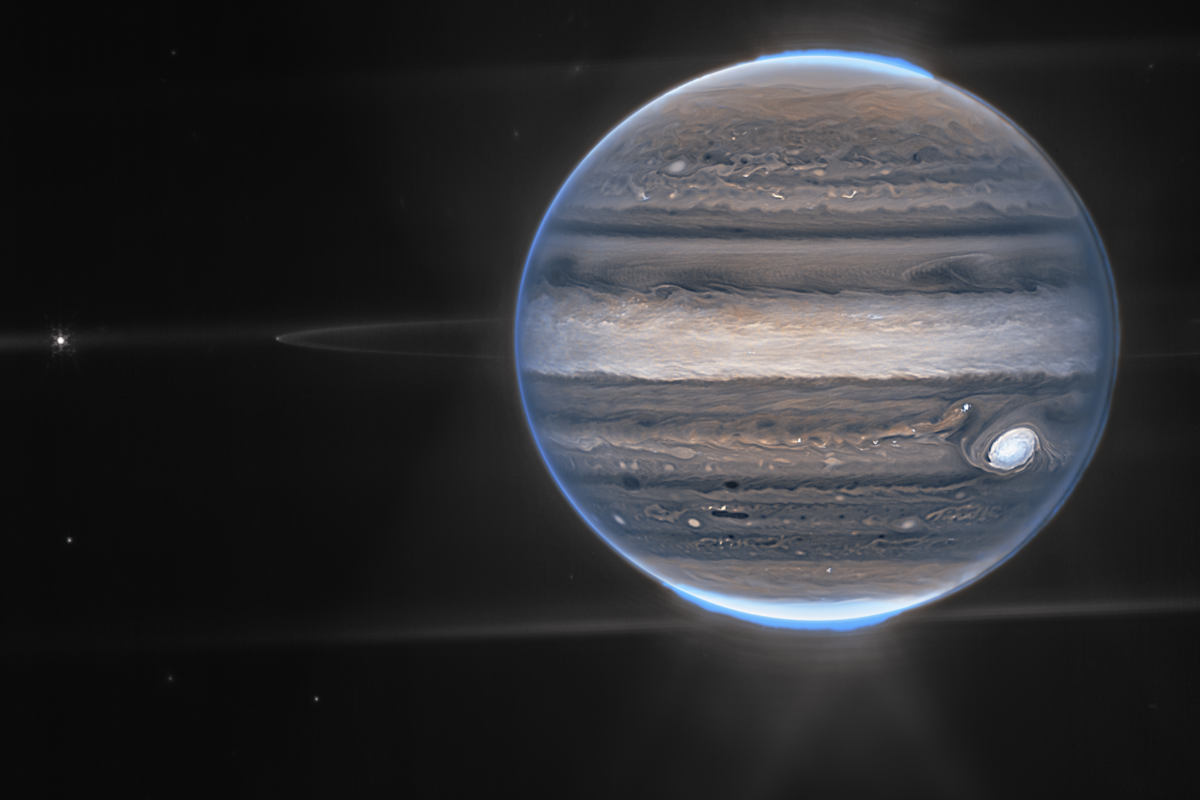
Courtesy NASA. Note that the blue, white, green, yellow, and orange colors are artificial, only added to make features revealed by infrared stand out for human eyes. You can see the planet’s rings, aurora, and two “tiny” moons (at left; they’re not really that tiny!).
“We’ve never seen Jupiter like this. It’s all quite incredible,” said planetary astronomer Imke de Pater, of the University of California, Berkeley, who helped lead the observations.
“We hadn’t really expected it to be this good, to be honest,” she added in a statement.
The above is supposed to be in “quote” format, but WP really messed up this feature when they switched to so-called “block” mode (which I can’t stand).
Anyway, the image is fairly spectacular, from the new James Webb Space Telescope which is positioned 1 million miles away from Earth (i.e., in the second LaGrange point, or L2).
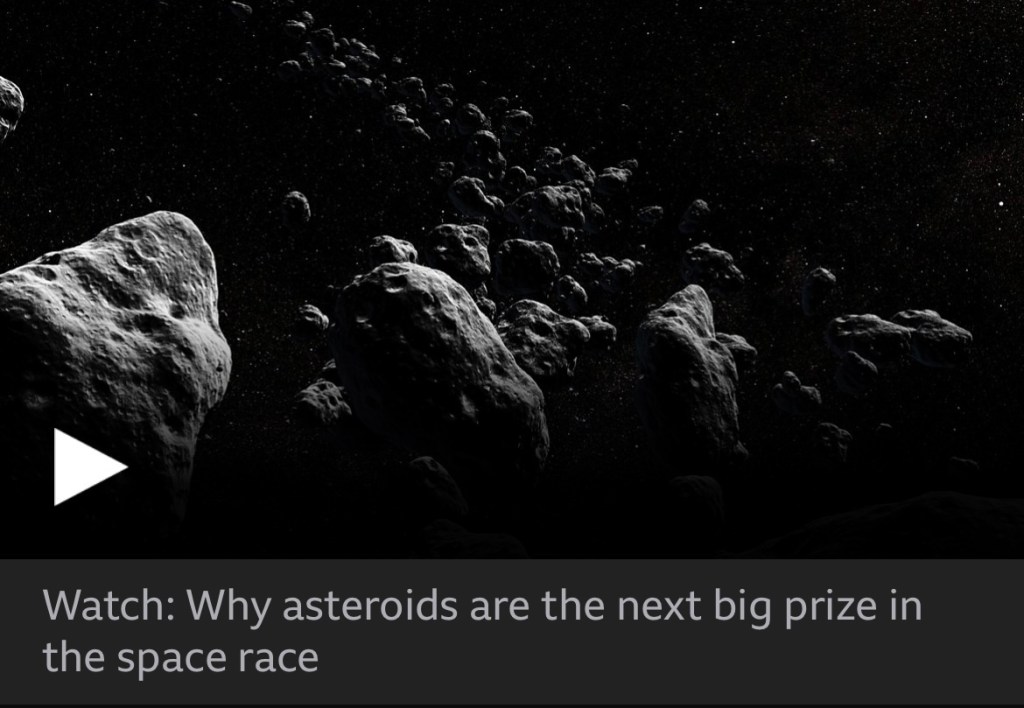
First of all, stop calling it “the golden asteroid.” That’s confusing people (the headline of the article linked below even uses the phrase “gold mine.” Come on, lazy journalists.)
If 16 Psyche is worth mining, when could such operations proceed? Citigroup thinks that space mining, including from the moon and asteroids, will be a $100 billion-per-year business by 2040. Launch costs will continue to decrease and experience in operating in space will continue to expand until such a business makes economic sense.
Well, how heavy do you think the materials to make buildings and ships in outer space are?
If we’re serious about putting people on the Moon and Mars, then it makes much more sense to set up robotic mining factories and assemble everything in space.
All this needs is a little incentive…like a new space race…
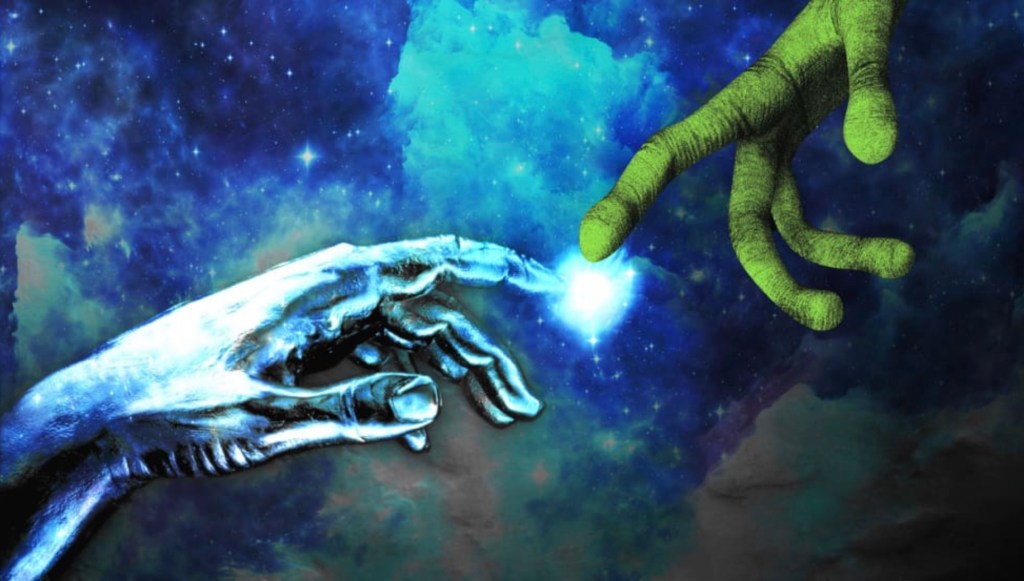
Our search for alien life is getting serious. With better telescopes and a growing scientific consensus that we’re probably not alone in the universe, we’re beginning to look farther and wider across the vastness of space for evidence of extraterrestrials.
But it’s possible we’re looking for too few signs in too few places. Having evolved on Earth, surrounded by Earth life, we assume alien life would look and behave like terrestrial life.
These aren’t the drones that deliver your online order. Loaded with cameras, sensors, and explosives, their mission is to drive themselves to a target with an algorithm in the driver’s seat. They destroy themselves along with the target, leaving behind just a pile of electronic detritus.
…there has been a serious erosion of the tradition of skeptical inquiry, of vigorous challenging of government leaders, of public exposure of what the government is actually doing, rather than mere pomp and rhetoric. And it is in this area—skeptical scrutiny, public exposure—where the largest strides, in my opinion, are needed.
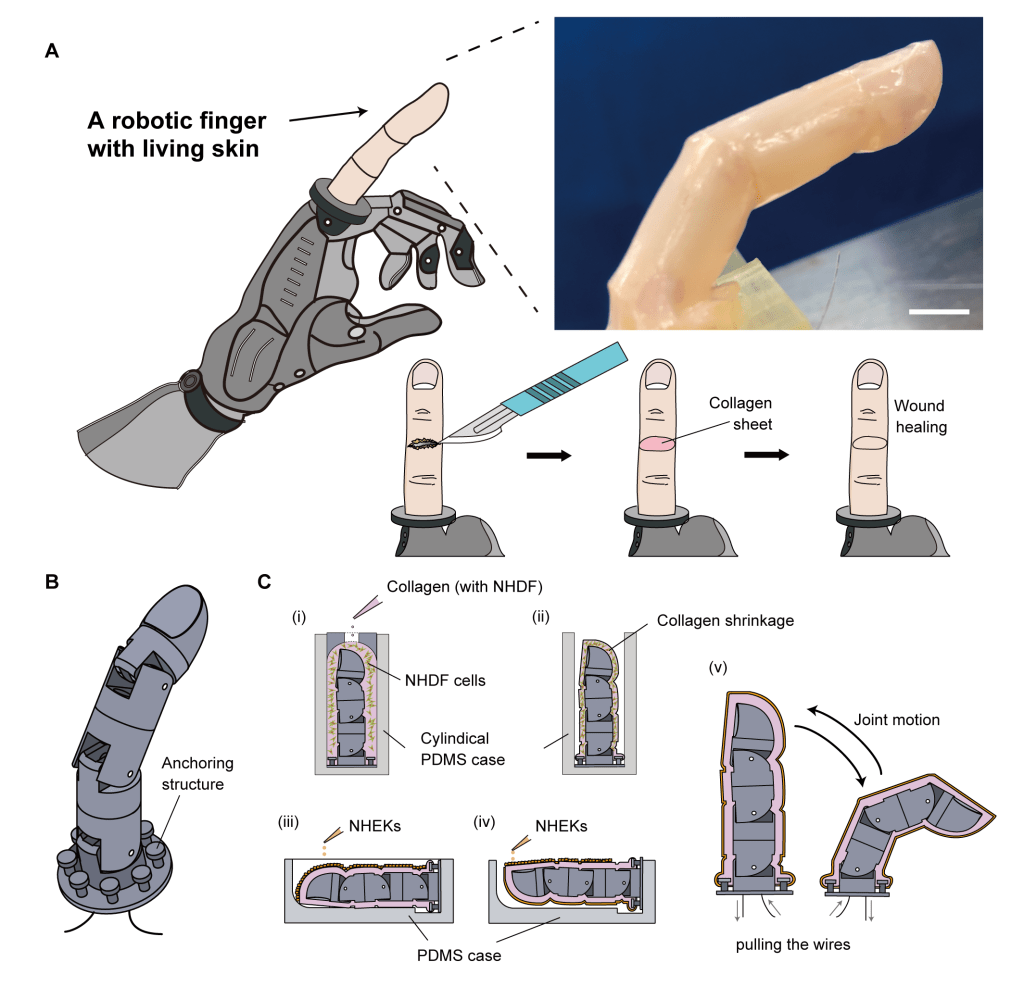
Skin is also just the first step in combining organic matter with machines, and opens the door for incorporating nerves and sensory organs such as olfactory receptors which can detect scents.
The original report was published online by the U of Tokyo before it was covered last week by several online sources, including WebMD, the Independent,France 24, and ABC7, but the Sora News is the only one to post Japanese reader comments about, well, what fingers can do. Ahem.
The final quote of the researchers was posted on WebMD as:
“We believe this is a great step toward a new biohybrid robot with the superior functions of living organisms.”
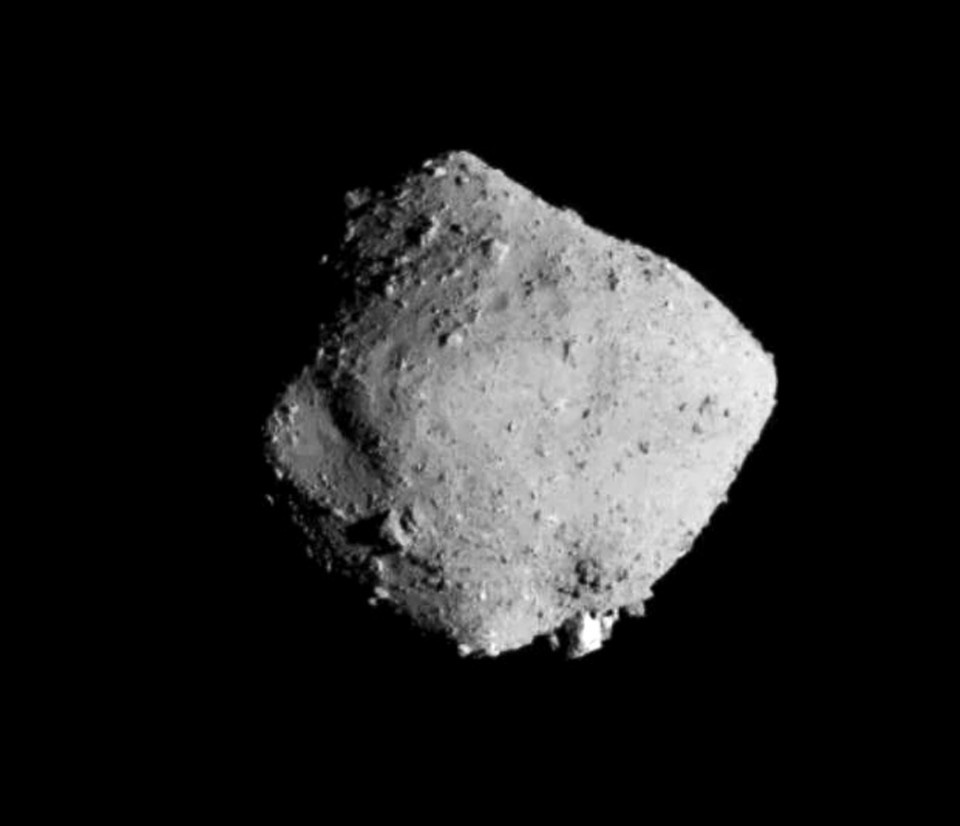
More than 20 types of amino acids have been detected in samples Japan’s Hayabusa2 space probe brought to Earth from an asteroid in late 2020, a government official said Monday, showing for the first time the organic compounds exist on asteroids in space.
This lends support to the hypothesis that life on Earth was brought to it during the Late Heavy Bombardment period – in which meteors brought not just water but the building blocks of life…
Now imagine if someone were to find an asteroid with addition proteins NOT found on Earth… (i.e., my novel’s scientific premise…)