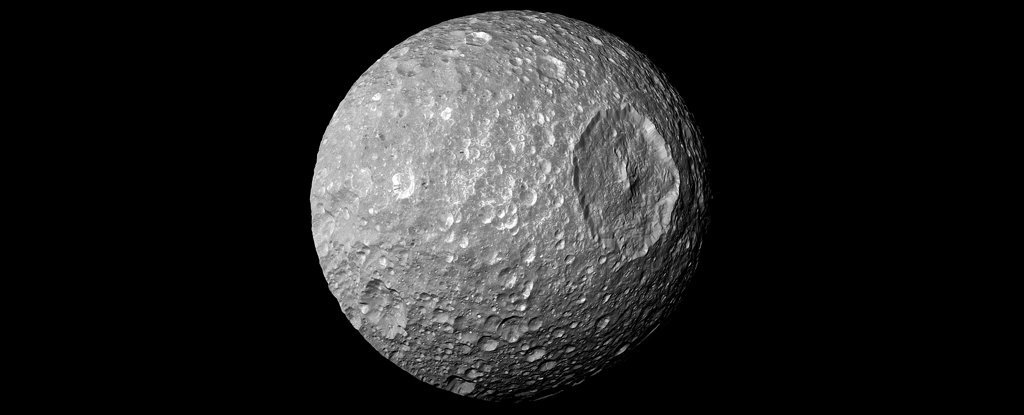
New analysis of one of Saturn’s moons suggests that it may harbor a liquid ocean. No, not the usual suspects – the new culprit is Mimas, the little moon with a big crater, which gives it more than a passing resemblance to the ‘Death Star’ from Star Wars.
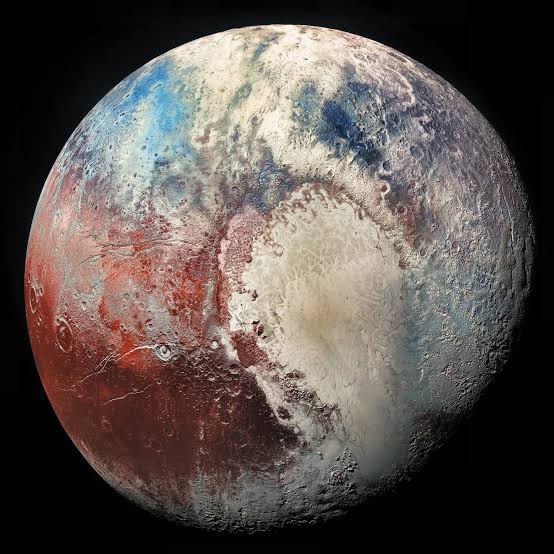
Demoted by the IAU in 2006, the Once and Future “9th planet”
…a study announced in December from a team of researchers in the journal Icarus now claims the IAU’s definition was based on astrology — a type of folklore, not science — and that it’s harming both scientific research and the popular understanding of the solar system.
I’m not sure I agree that moons of Jupiter and Saturn should be classified as “planets,” but frankly I see little difference between “dwarf planets” and “planets.”
Plus it wrecks the song I learned to remember the order…
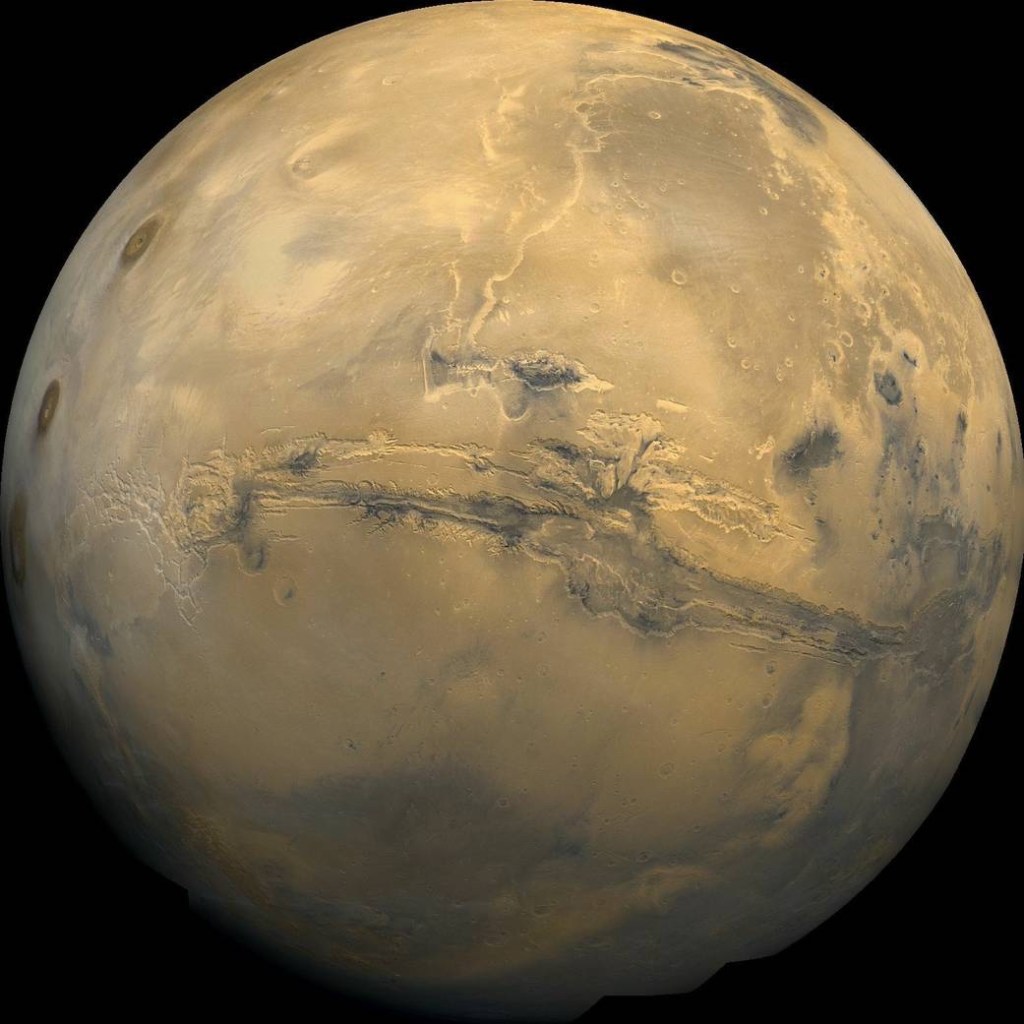
“Astronomers Detect Secret Water Reserves in The Largest Canyon in The Solar System”
Science isn’t quite as catchy. The hydrogen may indicate water in the form of permafrost 3 feet and more under the surface.
The high-hydrogen region is about the size of the Netherlands, and overlaps with Candor Chasma, one of the largest canyons in the Valles Marineris system.
Looks like there may be some competition for who gets to land near here first…
Over the years, the SAA has been responsible for several spacecraft failures and even dictates when astronauts can and can’t perform spacewalks. As the space around Earth becomes filled with an increasing number of craft, what does the SAA mean for the future of spaceflight?
This post is from back in February 2021, but I just stumbled across it this morning and thought it was an interesting read.
Learn something new every day!
This part caught my eye…
Radiation is a colorless, tasteless, and odorless enemy…
…and I couldn’t help thinking…
Iocaine powder?!?
It’s okay. I’m immune 😂
Anyway, the article linked above is food for thought. Whenever electronic objects pass through the SAA, which is where the loops of the Van Allen Belt dip perilously close to the Earth, the electronics get a massive amount of radiation and go haywire.
Seriously expensive to shield stuff up there — and as more and more satellites (and people) go up, so does the risk.
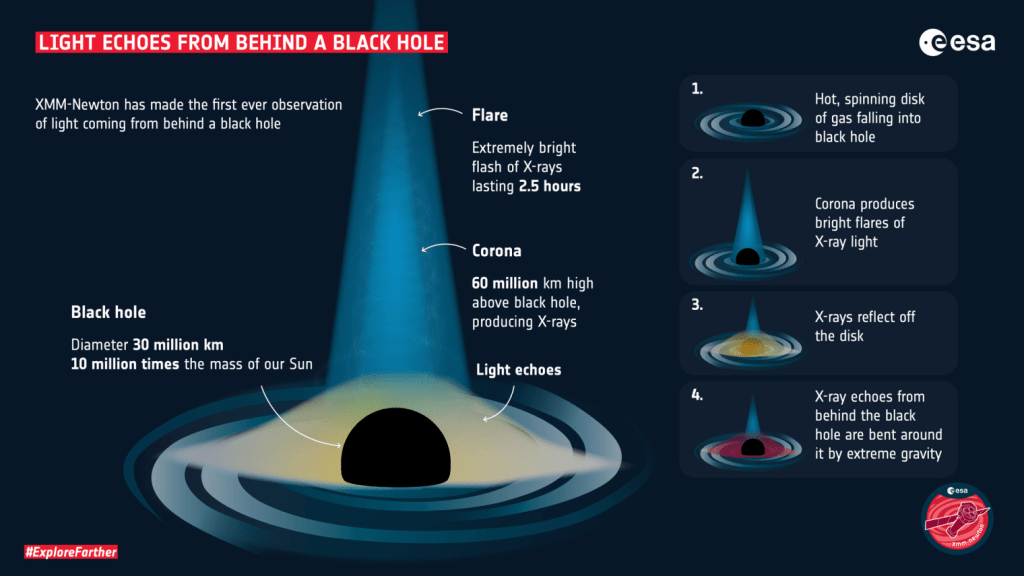
…while light cannot escape a black hole, its extreme gravity warps space around it, which allows light to “echo,” bending around the back of the object. Thanks to this strange phenomenon, astronomers have, for the first time, observed the light from behind a black hole.
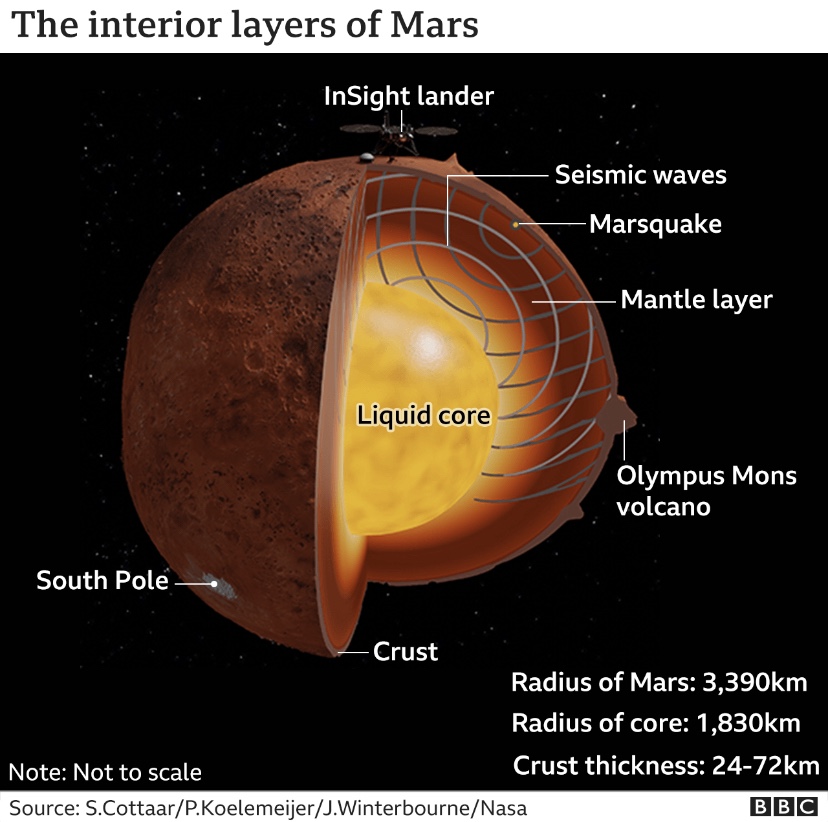
Well, OK, technically it’s the mantle, not the crust.
But it is thick. Super thick. And no gradations like the Earth.
Extrapolating to the known surface geology of the rest of the planet, this suggests an average thickness of between 24km and 72km. By contrast, Earth’s average crustal thickness is 15-20km.