The link below includes a night sky in Montana, which makes little sense when the researchers were in Beijing and Honolulu…
“The first-generation star we observed has the potential to become the oldest star we have ever seen,” said Alexander Heger, a professor in the school of physics and astronomy at Monash University in Australia who was part of the research team. “It probably had only lived for 2 1/2 million years and then exploded.”
Oh, and it also was discovered to be 260 times the size of our own Sun…just as theorized.
More importantly, this involved scientists from three different countries (China, Japan, and Australia), sharing information and working together for science.
Imagine if that spirit of cooperation could be extended into other domains…
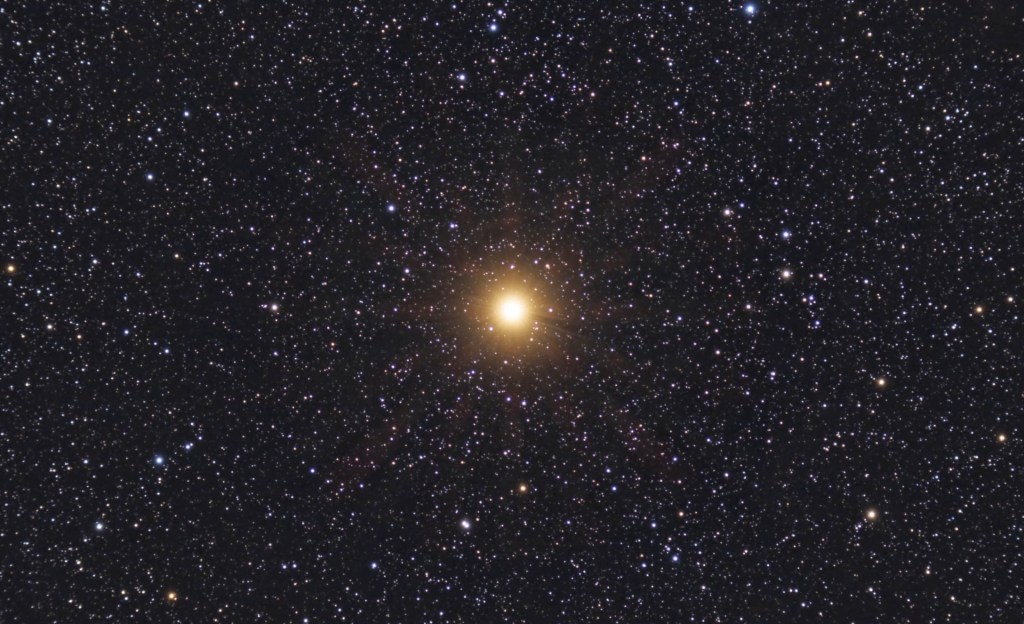
Betelgeuse, the closest red giant to Earth, has long been understood to move between brighter and dimmer in 400-day cycles. But from late 2019 to early 2020, it underwent what astrophysicists called “the great dimming”, as a dust cloud obscured our view of the star.
Now, it is glowing at 150% of its normal brightness, and is cycling between brighter and dimmer at 200-day intervals – twice as fast as usual…It is currently the seventh brightest star in the night sky – up three places from its usual tenth brightest.
Betelgeuse is the closet red giant Star to our solar system, one of the shoulders of the Greek constellation of Orion.
The cultural information in the linked article was actually more interesting than the phenomenon observed. For instance, the fact that an Aboriginal people in Australia saw it long before the Greeks did was something I didn’t know.
And that the Greek name comes originally from the Arabic “bat al-jawzāʾ” meaning “giant’s shoulder.”
And all three cultures saw the star as connected with fire held by a giant hunter of some sort.
And so have ancient Babylonians, Egyptians, and probably everyone else, too. We just can’t help personifying even the stars.
The kicker?
When it does eventually explode, it could – over the course of a week – grow so bright that it will be visible during daylight, and cast shadows at night.
Now that’s something I’d like to be around to see. Hmm. If only I could manage to live for another 10- to 100,000 years…
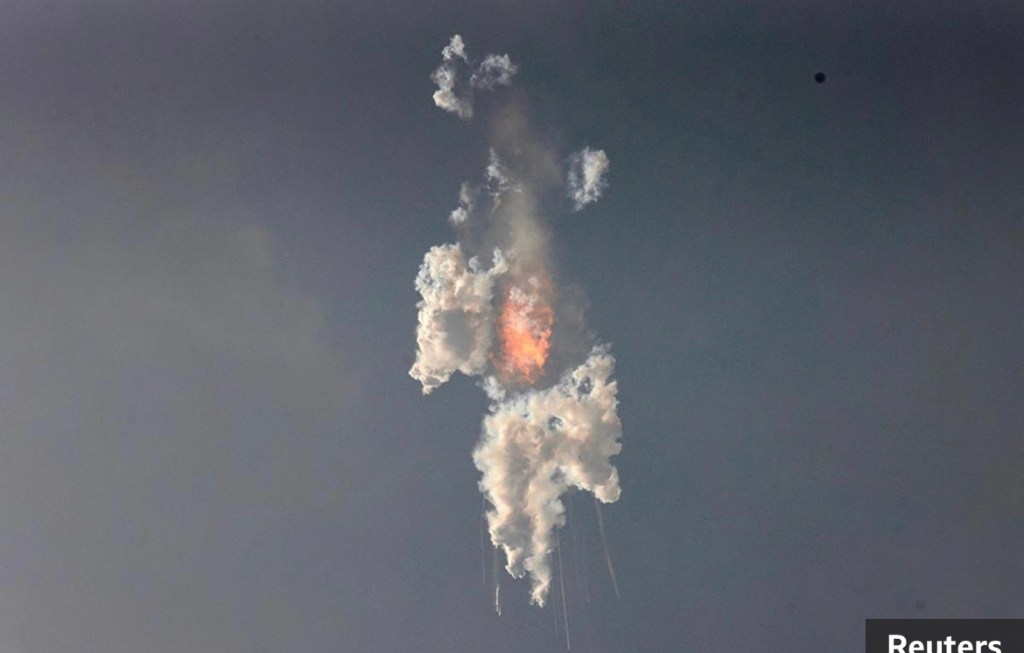
…Ispace engineers observed that the estimated remaining propellant was “at the lower threshold and shortly afterward the descent speed rapidly increased.”
Led by the European Space Agency (ESA), the mission will orbit the largest planet in the solar system and explore its icy moons, which scientists think could support living organisms.
JUICE will explore three possible ocean-bearing moons – Europa, Ganymede and Callisto. Under their icy surfaces are thought to be huge oceans of water – a crucial ingredient for life as we know it.
The “Jupiter Icy Moons Explorer” is the first time an ESA-headed project will visit another moon.
If it launches successfully, of course.
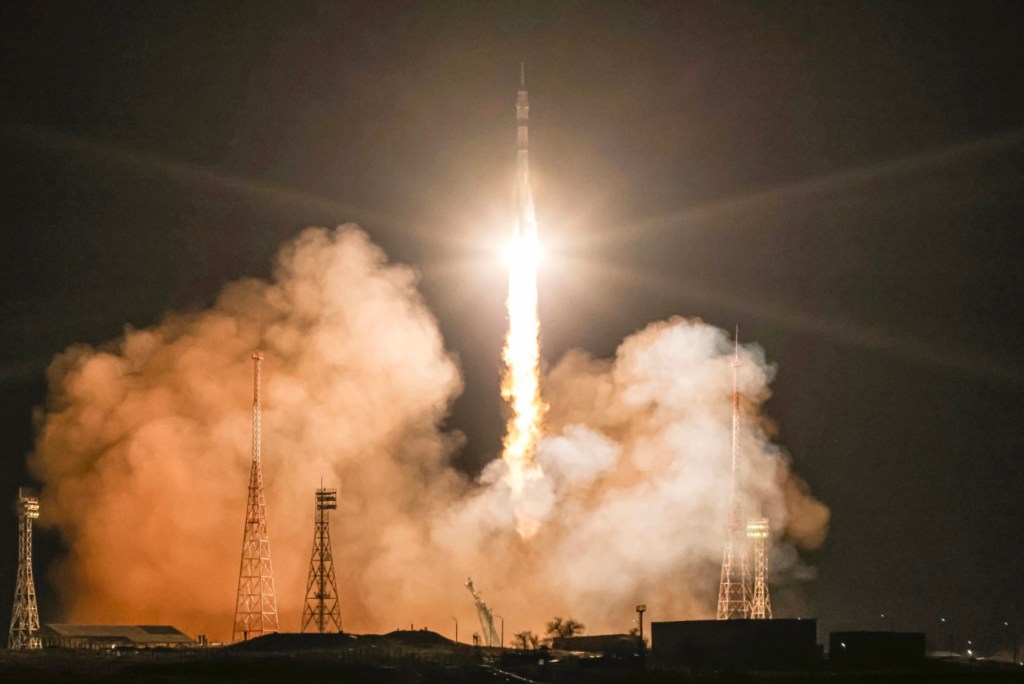
Lift off in less than seven hours from French Guiana!
Great job by Alzajeera, although “Earth is about 4.1 times the size of Europa and is believed to have a young and active surface that may vent water vapour to space via plumes and geysers.” is a bit misleading (Europa, not Earth, is believed to have…)
The bankruptcy filing by Richard Branson’s Virgin Orbit Holdings Inc (VORB.O) has dealt a blow to Japan’s hopes of building a domestic space industry, with plans for a Kyushu-based spaceport designed to attract tourism on hold for lack of funding.
Still, it’s jarring to see TV news about JAXA and NASA doing “joint” explorations of Mars, and then see a constant failure of JAXA to do anything based in Japan.
Something is seriously wrong with this space agency. And I suspect it has nothing to do with the scientists or astronauts.
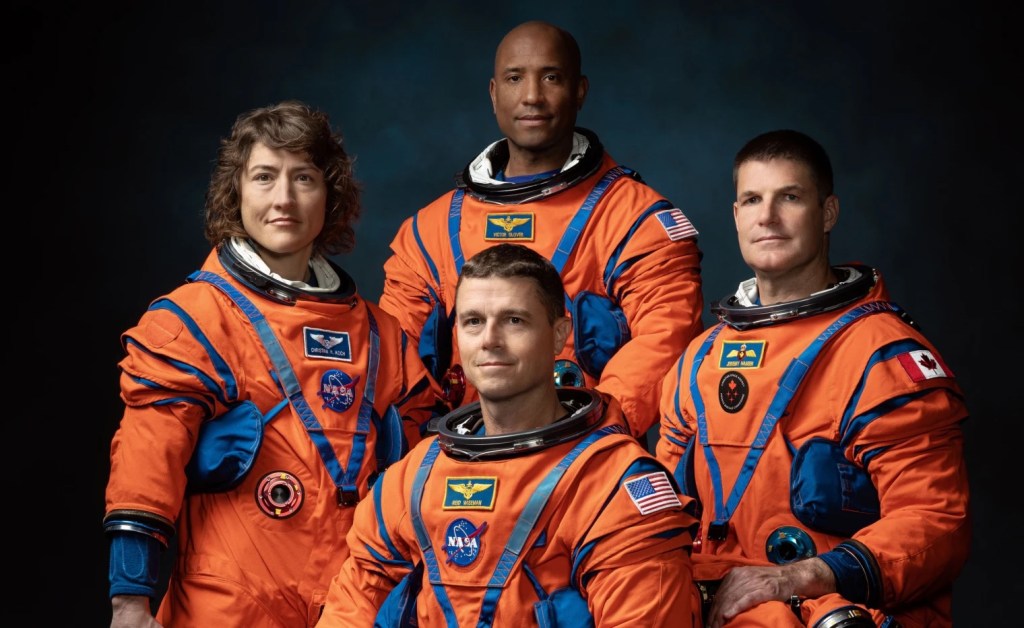
The astronauts will be the first humans to fly in the vicinity of the moon in more than 50 years. They will also be the first to launch aboard NASA’s next-generation megarocket and Orion space capsule. The crew will not land on the moon but will swing around the celestial body, testing the performance of the Orion spacecraft, before returning to Earth.
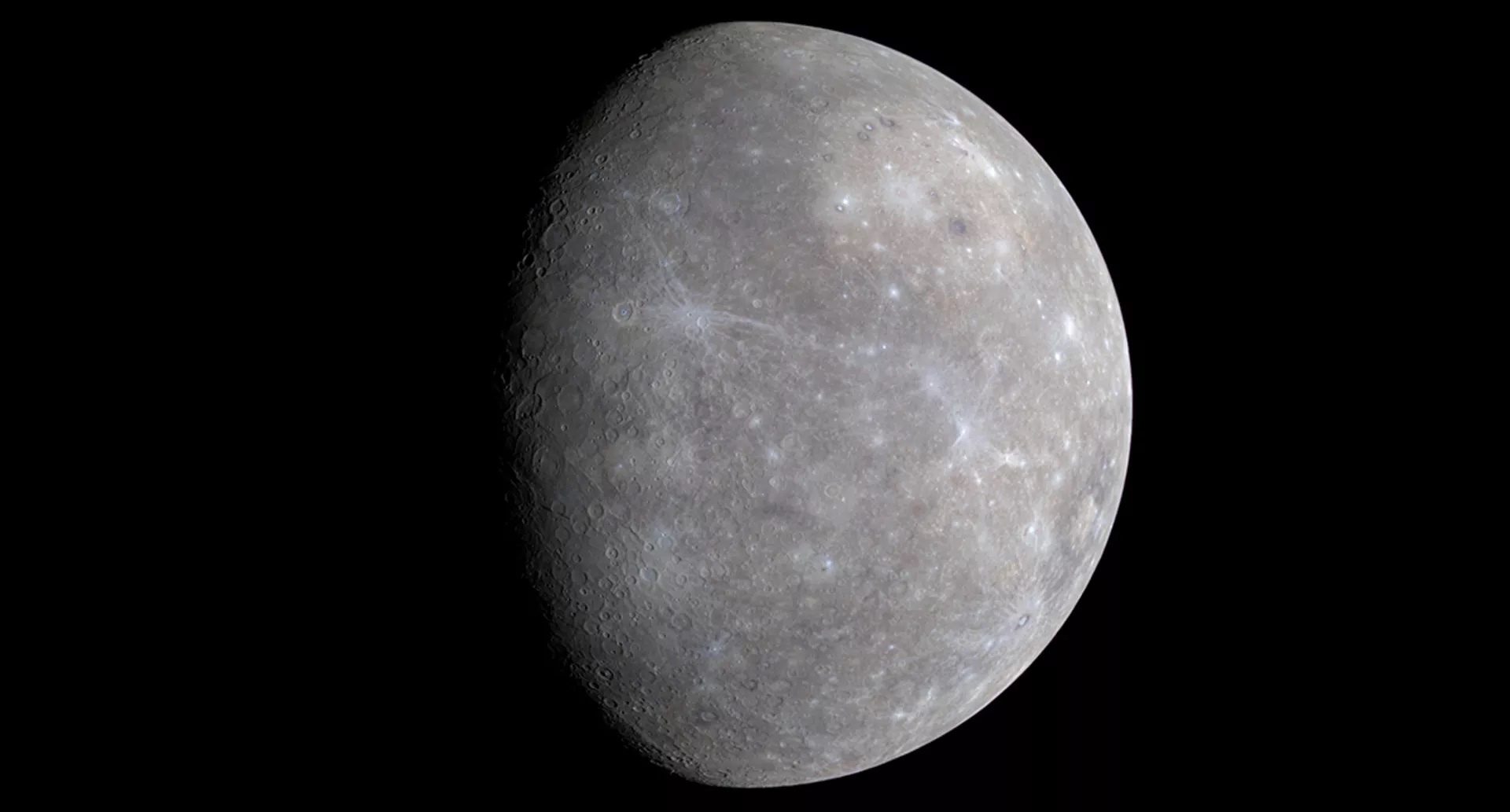
Mercury is a planet that just doesn’t make sense. It’s incredibly small yet hosts a relatively massive core. Mercury is so strange that astronomers have not been able to explain its properties with simulations of the solar system’s formation. But now, researchers have found an important clue, and Mercury’s weirdness appears to be the fault of the giant planets.
Basically, Mercury is nearly as dense as the Earth despite being less than 6% the size. This is due to the gas giants in our solar system yanking material (“planetesimals” and protoplanets) and ejecting it from the solar system, leaving Mercury with very little material left to form itself.
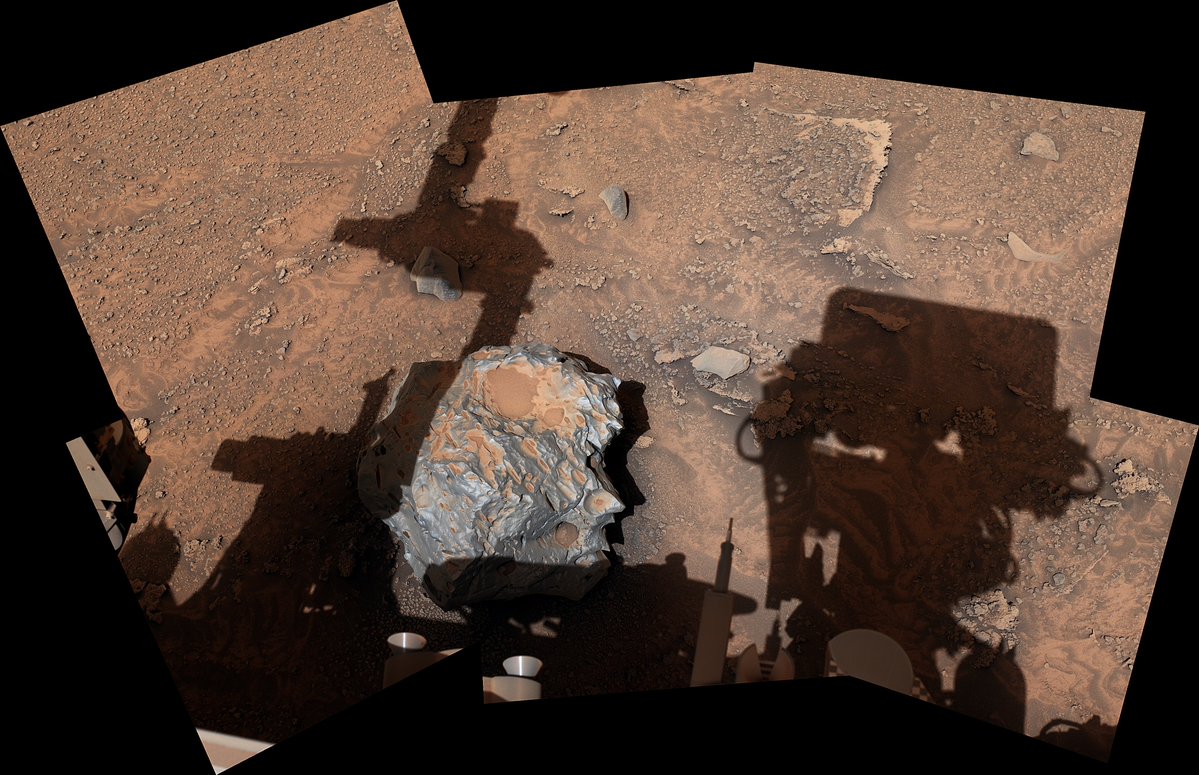
The mysterious object’s lovely silver metallic hue stands out like a sore thumb in the surrounding, rust-colored landscape, a sulfate-bearing region of the Red Planet’s Mount Sharp.
Until the new Soyuz pulls up, emergency plans call for Rubio to switch to a SpaceX crew capsule that’s docked at the space station. Prokopyev and Petelin remain assigned to their damaged Soyuz in the unlikely need for a fast getaway. Having one less person on board would keep the temperature down to a hopefully manageable level, Russian engineers concluded.
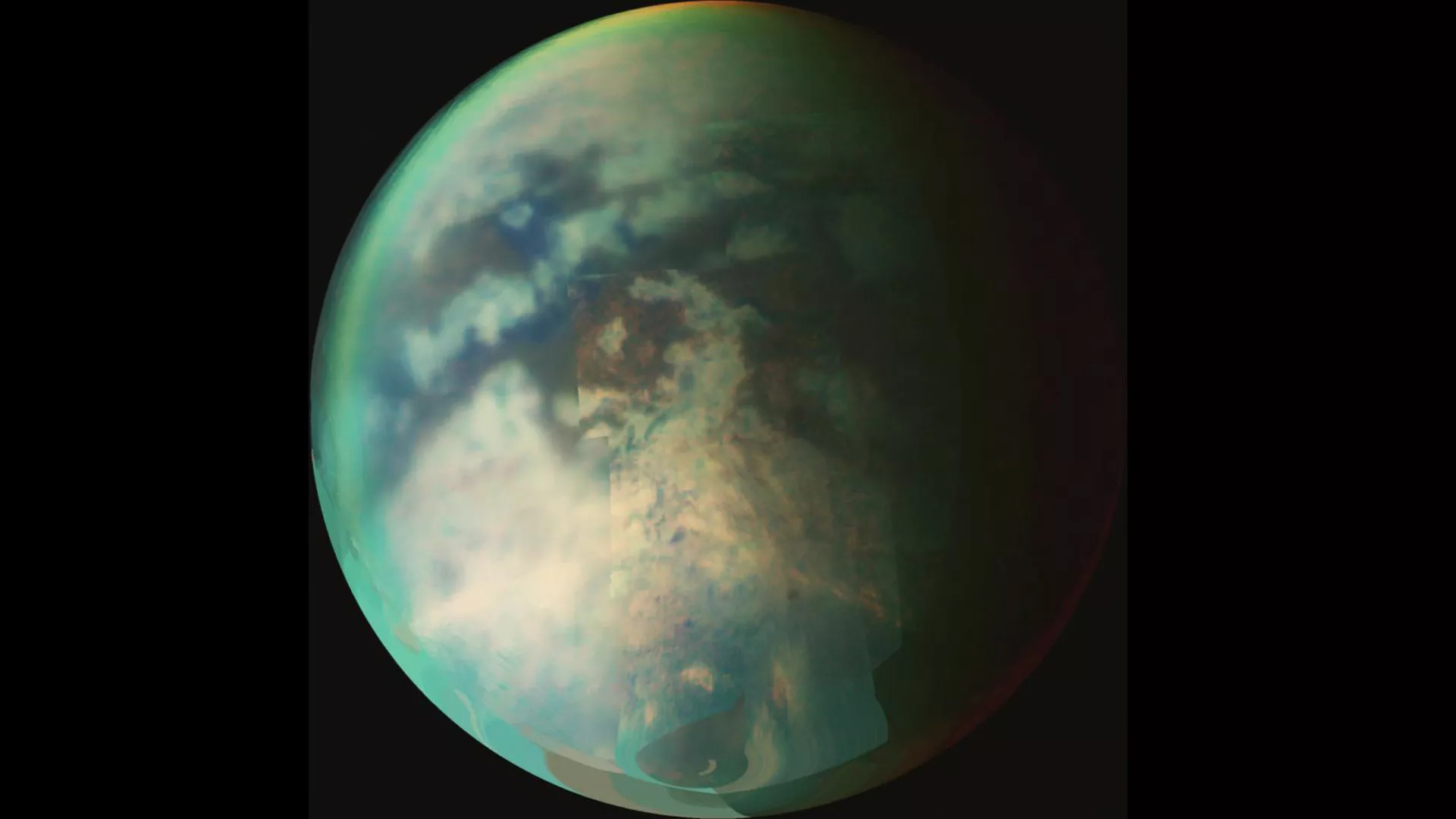
It is this subsurface ocean, or rather its interaction with the ice shell that covers it, that a team of researchers led by the Catholic University of Louvain (UCLouvain) in Belgium hope to better understand. More specifically, they wish to understand how the ocean’s depth and the pressure exerted by the icy shell on the underground water body influence the formation of tidal motions and currents inside of it.
When I first heard of “Attack on Titan,” I was disappointed to learn that it didn’t take place actually on Titan. (The title in English is a mistranslation. It should be “Attack of the Titans” or “The Titans Attack” or even “Attacking Titans,” depending.) In any case, it’s a disgusting manga/anime with nothing to do with the icy moon of Saturn. Except for the name. And even that’s a misuse (they should have used “giant” as the storyline is very loosely based on Ymir and the frost giants of Scandinavian myth).





 M Thomas Apple Author Page