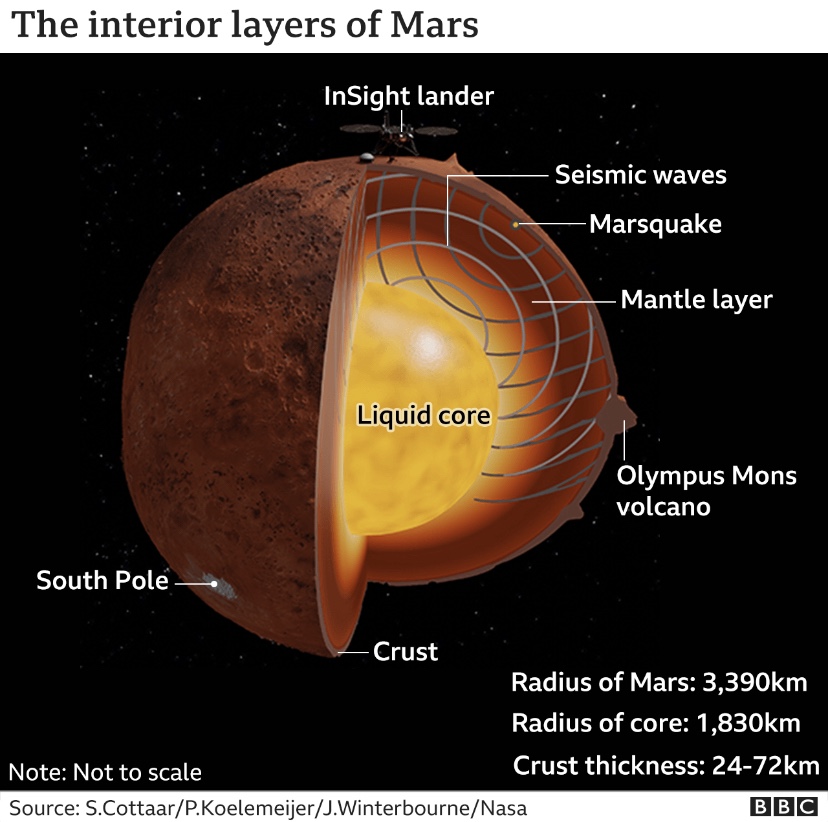
Well, OK, technically it’s the mantle, not the crust.
But it is thick. Super thick. And no gradations like the Earth.
Extrapolating to the known surface geology of the rest of the planet, this suggests an average thickness of between 24km and 72km. By contrast, Earth’s average crustal thickness is 15-20km.
Also the next one after that. And the one after that.
It’s been a very tiring summer so far.
(For starters, we STILL don’t have enough Pfizer or Moderna vaccines, doses are get wasted left and right as the elderly randomly cancel reservations and the bureaucratic pinheads in charge refuse to give them to others, and several students at my school went out drinking and guess what happened…)
I haven’t even posted any science news lately.
But I promise that I’ll make up for it. Soon.
In the meantime, here’s a neat little article about some wild theories of the universe, starting with the Brane Universe and the Big Splat.
China’s plan calls for setting up a permanently occupied base and a fleet of interplanetary craft. Probably it’s a good idea to first see whether it can meet its goal of landing people on Mars in 2033.
Of course, China is “willing to join hands with our counterparts and partners all over the world,” but it’s unlikely NASA, JAXA, ESA, and the UAE and other countries not named Russia will “cooperate.”
The next space race is here. Just wait until multinats actually decide asteroid mining is worth the risk and expense.
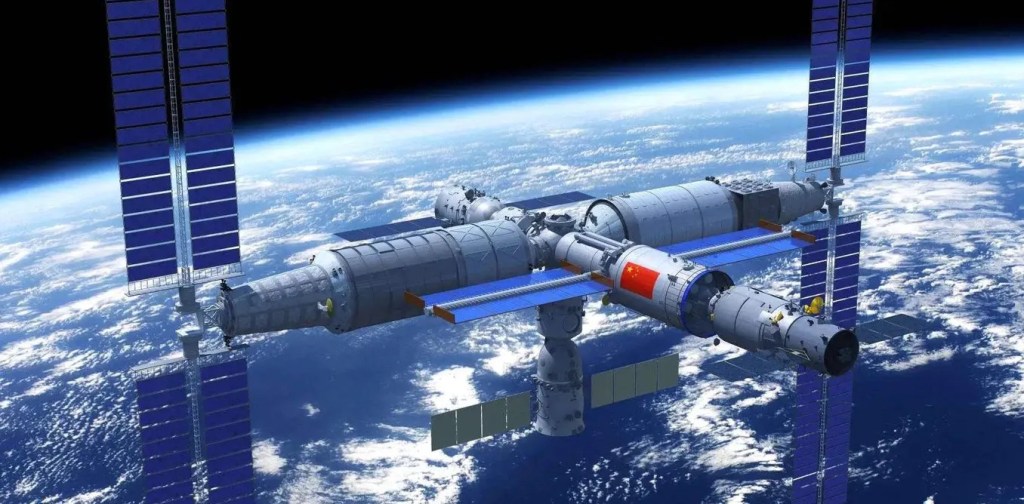
The inclusion of an ion propulsion system in a long-running, Earth-orbiting space station will give researchers a chance to test out the tech while astronauts are still close to home — and if it works as hoped, it could one day ferry explorers to Mars and even more distant destinations.
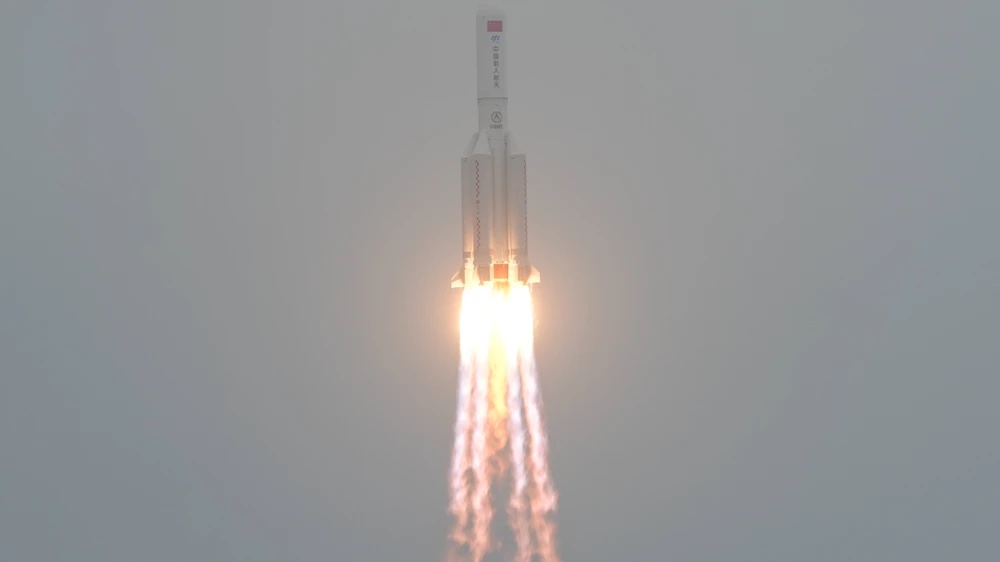
“When they did that design, they should have stopped and thought, ‘you know, that’s going to leave a big chunk of debris in orbit, we should change the design of the engine’,” McDowell says. “But they didn’t. This is real negligence.”
Four years ago, China’s first space station landed in the Pacific Ocean between Australia and Chile, after an uncontrolled reentry. China didn’t care.
Last year, pieces from a Long March 5B rocket landed in Cote d’Ivoire. They damaged buildings in two villages. China didn’t care.
This launch of the same rocket design could land anywhere from New York to New Zealand, covering a wide range of habitation. China doesn’t care.
On the other hand, once somebody in their government reads about the criticism by the scientific community, they’ll petulantly whine that this often happened in the 1960s, so that makes it OK for them to ignore rocket safety designs known for the past 30 years.
Maybe it’s technology they haven’t yet stolen from other countries.
As the self-acknowledged center of the known universe, the Middle Kingdom only cares what others think of it. Like a spoiled child that thinks it knows everything but fears it does not, China only reacts to its own mistakes by lashing out at others and disclaiming responsibility.
If you want to be respected as a superpower, you need to learn how to respect other countries and stop dumping your trash on them. Respect is not given, it is earned. China has done little to earn any respect by the scientific community.
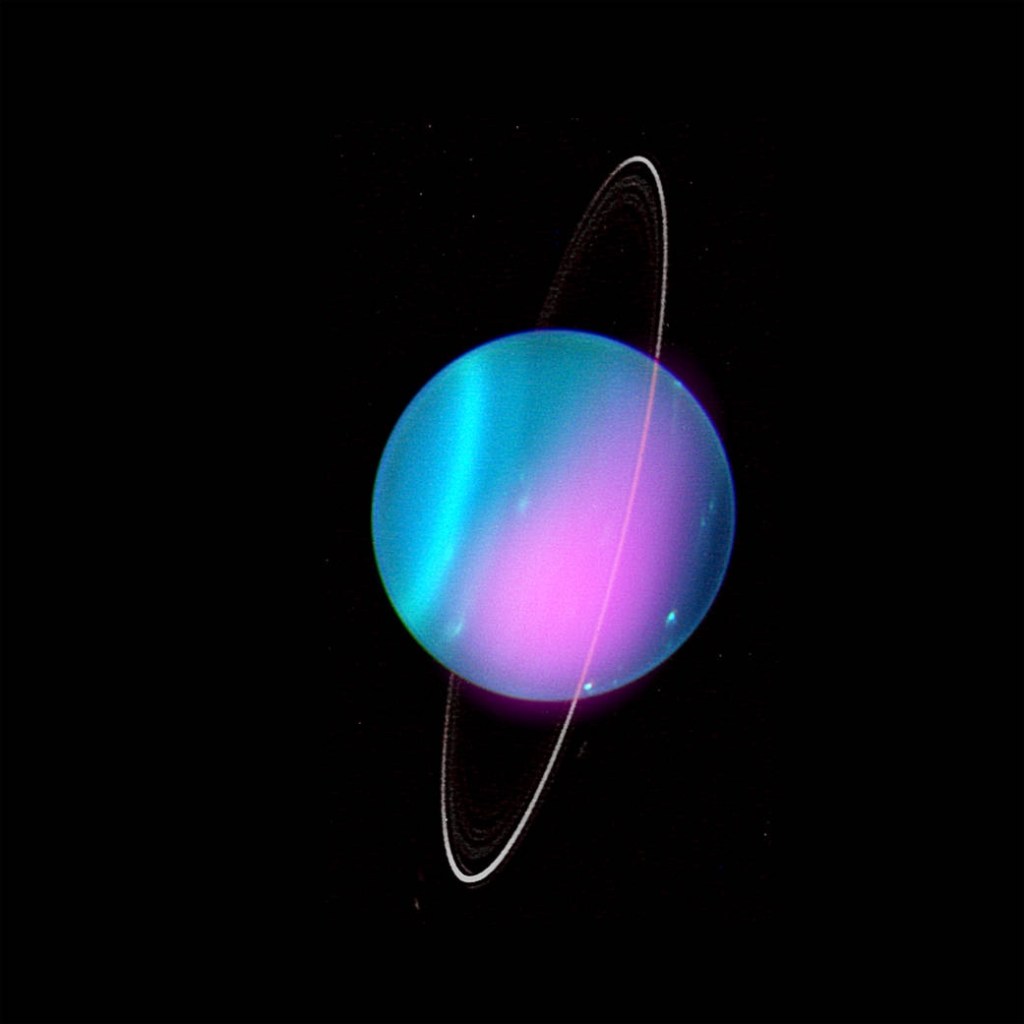
…but seriously, this is neat. One source of the X-Rays is the Sun (it also bounces off of Jupiter and Saturn). But there may be yet another source…perhaps the rings of Uranus or the planet itself.
And no, it’s not really pink. That’s just a Chandra X-ray image.
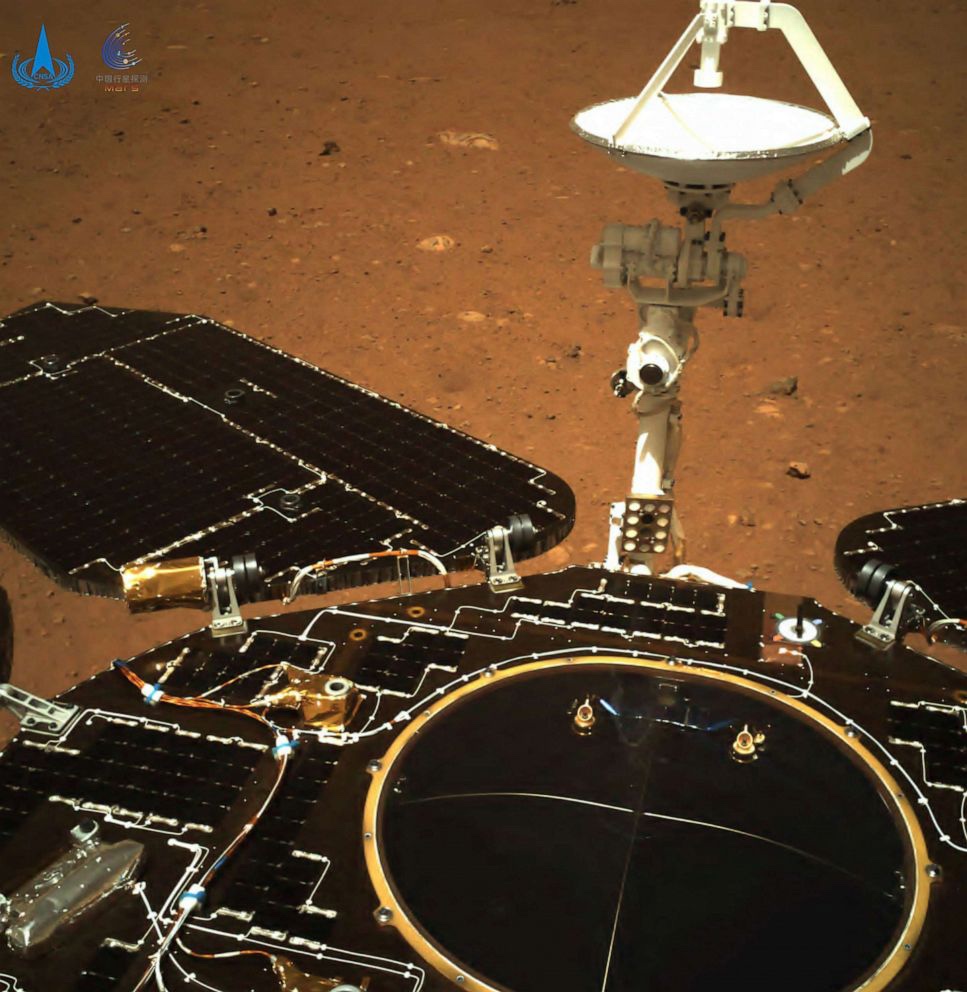
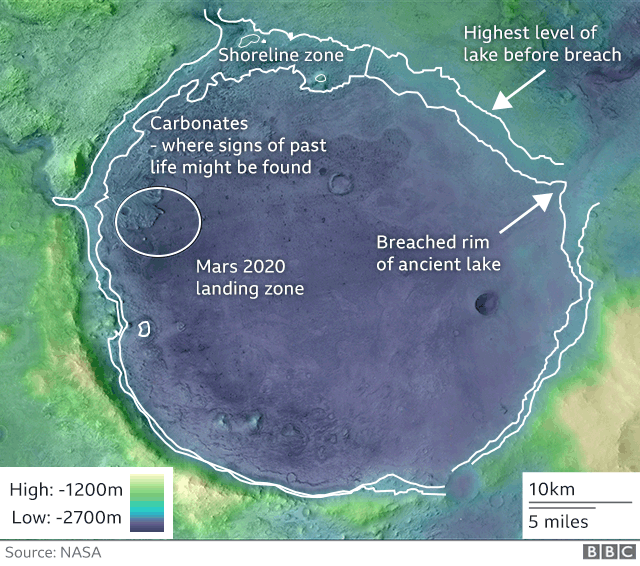
Great job, NASA! Landing on Mars is always a tricky business.
Now all Perseverance has to do is find traces of life, save it without contamination, and then wait for another rocket, another rover, and a satellite to get in orbit so the samples can be sent back to Earth.






 M Thomas Apple Author Page