Just because you aren’t paranoid doesn’t mean that they aren’t out to get you.
Dear Diary – May 12, 1999
September 11, 2023

September 11, 2023
Just because you aren’t paranoid doesn’t mean that they aren’t out to get you.
September 10, 2023

Way back in 2015, my good friend Rami Z Cohen came to me with an idea for a story. He had written two or three scenes about a group of asteroid hunters who stumbled upon something bizarre. The idea of mining asteroids was news at the time (and still is, although probably too expensive right now and not a worthwhile investment until we actually get some people in space who need metals without relying on NASA/ESA/JAXA/ISRO/etc).
I was more interested in philosophical aspects of finding that we are all (as the late great Carl Sagan loved to put it) “star stuff” (he meant carbon being created by supernovas, but we also know that asteroids are the way we got amino acids to rain down on ancient Earth).
So Rami and I began to email ideas back and forth for a few weeks, then we started to flesh out his characters and plot. I wrote a synopsis and outline and we hashed out the background.
Continue Reading
July 2, 2023

According to legend, the ancient giant Enceladus vents sulfur from his tomb. According to data, Saturn’s tiny moon Enceladus vents more than that.
https://www.astronomy.com/science/phosphate-find-on-enceladus-boosts-chances-for-life/
Scientists have suspected for a long time that this tiny moon of Saturn may be the best place in our solar system to look for life.
Now they have confirmed evidence of all six crucial elements necessary for life to exist (life as we know it, anyway): carbon (C), hydrogen (H), nitrogen (N), oxygen (O), phosphorus (P), and sulphur (S). If present as a phosphate, essential for DNA and RNA to exist, the discovery of phosphorus on the 310-mile-wide Enceladus may indicate life of sort sort, perhaps at a microscopic level beneath the icy surface.
One guess is that the oceans of Enceladus have at least 100 times more phosphorus than the Earth’s oceans. That would make for quite the carbonated fizzy pop. Methane has already been seen coming out out of various “ice geysers” (a.k.a. cryovolcanoes). Since methane results from rotten organic material, there logically should be something alive out there.
Now we just have to get back out there and figure out a way to find them.

April 14, 2023

Led by the European Space Agency (ESA), the mission will orbit the largest planet in the solar system and explore its icy moons, which scientists think could support living organisms.
JUICE will explore three possible ocean-bearing moons – Europa, Ganymede and Callisto. Under their icy surfaces are thought to be huge oceans of water – a crucial ingredient for life as we know it.
https://www.aljazeera.com/news/2023/4/13/explaining-juice-mission-to-jupiter-and-its-moons
The “Jupiter Icy Moons Explorer” is the first time an ESA-headed project will visit another moon.
If it launches successfully, of course.
Lift off in less than seven hours from French Guiana!
Great job by Alzajeera, although “Earth is about 4.1 times the size of Europa and is believed to have a young and active surface that may vent water vapour to space via plumes and geysers.” is a bit misleading (Europa, not Earth, is believed to have…)
Copy editor!
🤞 🚀 🇬🇫
UPDATE
The launch was successful, and the 90 m2 solar array also deployed successfully.
Now we just have to sit and wait until 2031!
January 2, 2023
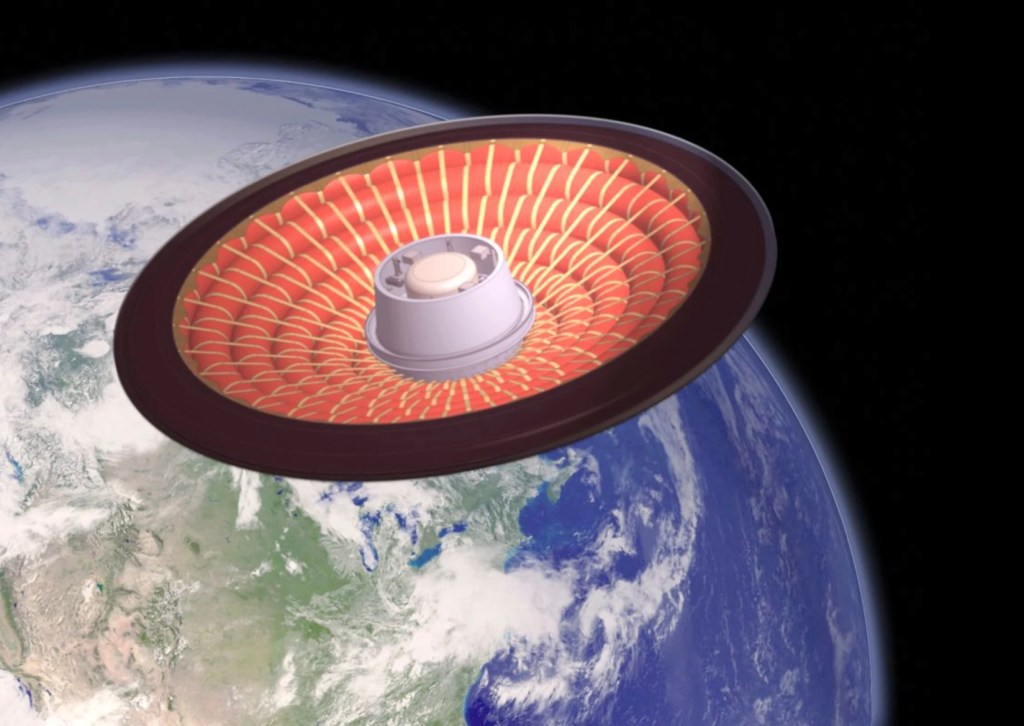
Lots and lots and lots of space stories occurred in 2022.
From DART to Landsat, Sagittarius A* black hole to CAPSTONE, the Korean Pathfinder to SpaceX, and to the ISS, Moon, and Mars, here’s a summary of major space exploration projects last year.
Looking forward to 2023 and beyond!
August 12, 2022

Our search for alien life is getting serious. With better telescopes and a growing scientific consensus that we’re probably not alone in the universe, we’re beginning to look farther and wider across the vastness of space for evidence of extraterrestrials.
But it’s possible we’re looking for too few signs in too few places. Having evolved on Earth, surrounded by Earth life, we assume alien life would look and behave like terrestrial life.
https://www.thedailybeast.com/alien-hunters-need-to-start-rethinking-the-definition-of-life?
I agree that we are biased, simply based on the basics of what we understand as (carbon-based) life (i.e., ourselves).
And I agree — in principle — that scientists need to keep an open mind when looking for other life forms on exoplanets.
However, they also need to retain a sense of skepticism.
Continue Reading
June 6, 2022
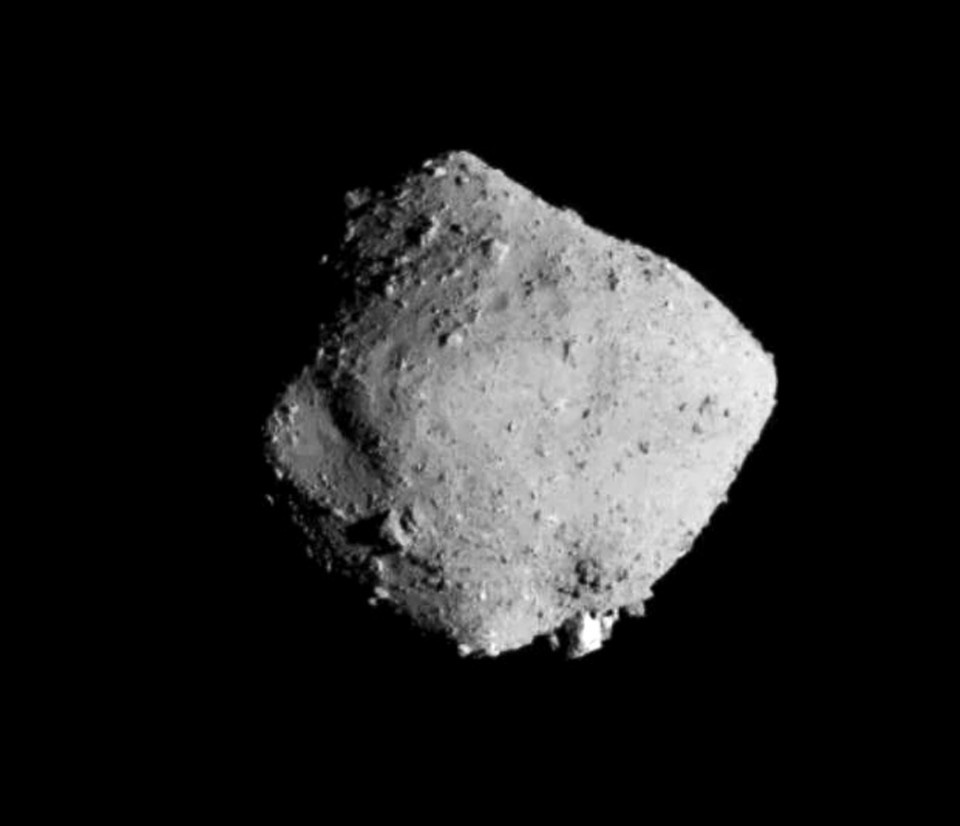
More than 20 types of amino acids have been detected in samples Japan’s Hayabusa2 space probe brought to Earth from an asteroid in late 2020, a government official said Monday, showing for the first time the organic compounds exist on asteroids in space.
https://english.kyodonews.net/news/2022/06/9a7dbced6c3a-amino-acids-found-in-asteroid-samples-collected-by-hayabusa2-probe.html
This lends support to the hypothesis that life on Earth was brought to it during the Late Heavy Bombardment period – in which meteors brought not just water but the building blocks of life…
Now imagine if someone were to find an asteroid with addition proteins NOT found on Earth… (i.e., my novel’s scientific premise…)
February 5, 2022
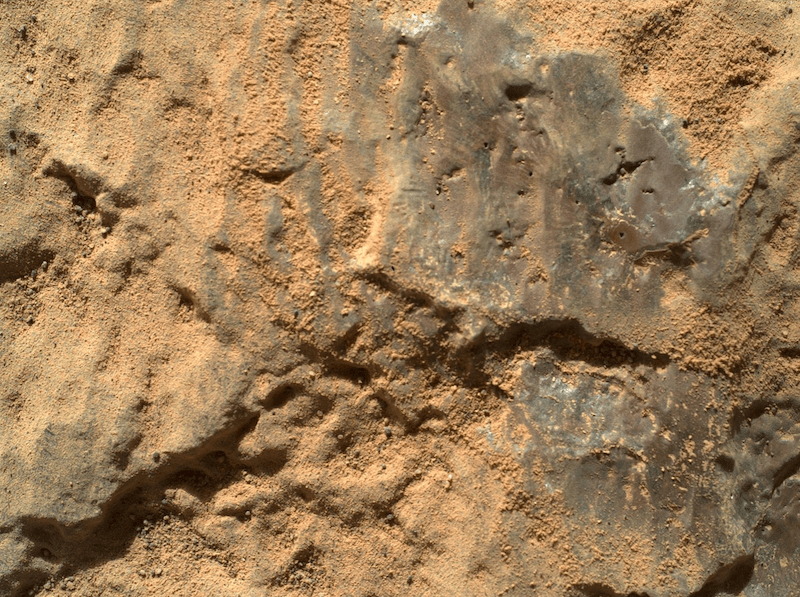
SuperCam showed that the coatings are enriched in hydrogen and sometimes magnesium. In addition, images from Mastcam-Z suggest that they also contain iron oxides. Both the hydrogen and iron oxides point to past water being involved in the formation of the coatings. That shouldn’t be too surprising, perhaps, since this area in Jezero Crater used to be a lake a few billion years ago.
https://earthsky.org/space/purple-rocks-mars-perseverance-rover-desert-varnish/
The rocks resemble so-called desert varnish, which protect microbes from the sun’s radiation. It’d be interesting to find out whether cyanobacteria that once existed on Mars did this…but the four billion year old question is, how did those bacteria get there in the first place?
February 4, 2021
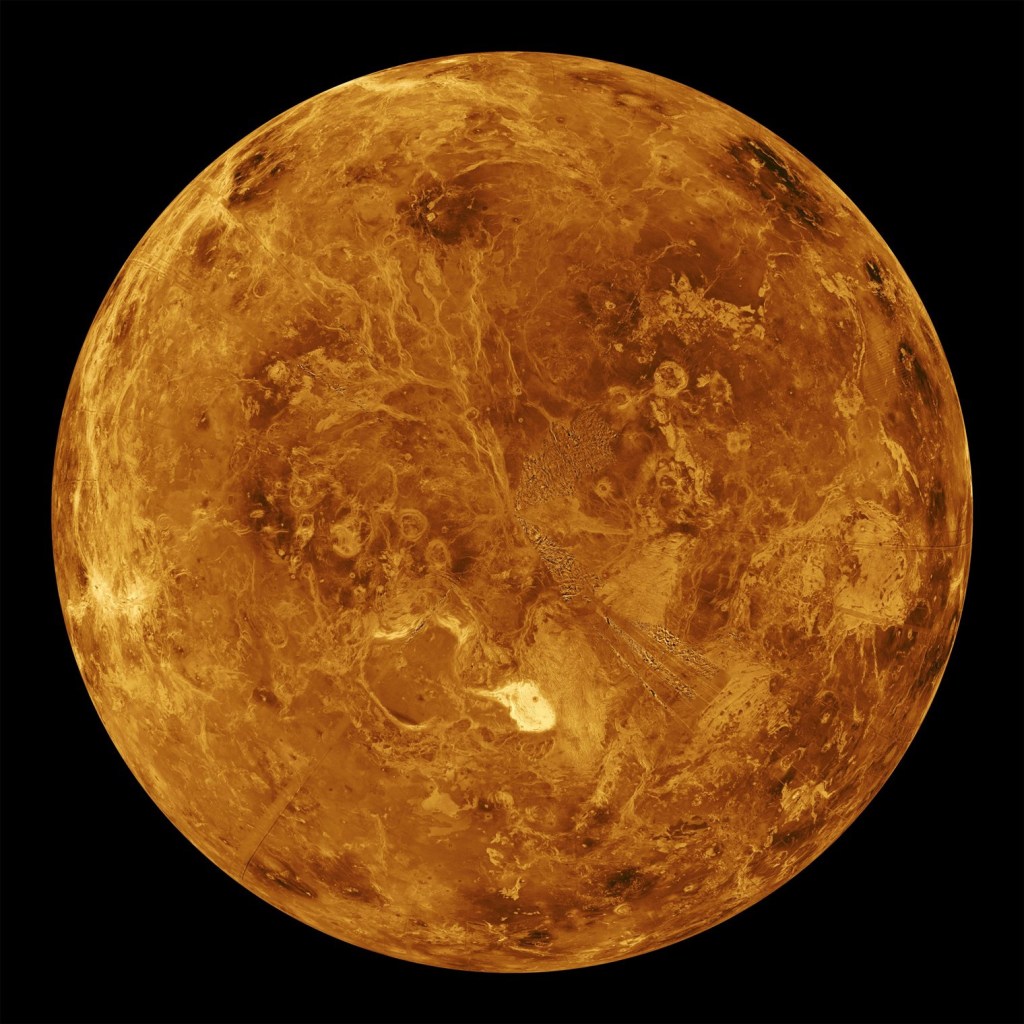
There’s a reason I didn’t post a while ago about the supposed “there’s life in the clouds of Venus” finding.
It was just a big load of gas.
Sorry, folks. Venus is a big rotten egg. 🥚
https://www.nbcnews.com/science/space/signs-life-venus-might-just-be-ordinary-sulfur-gas-n1256739
February 29, 2020
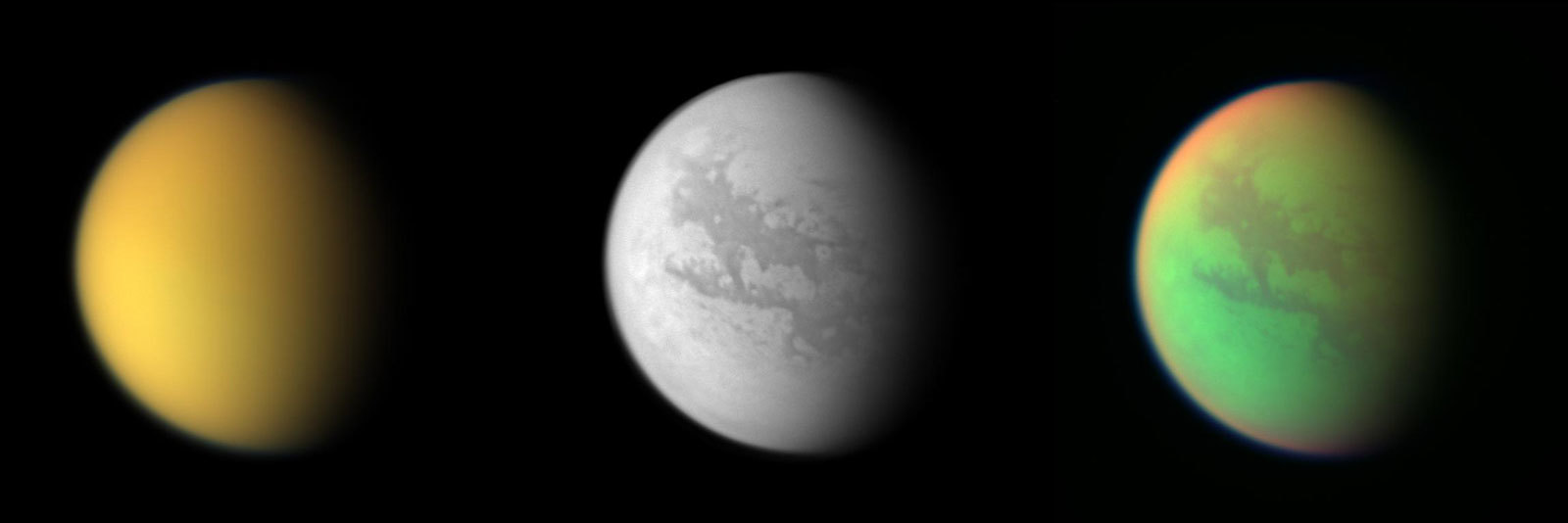
Check out the link below for more detailed explanations and a neat video.
https://solarsystem.nasa.gov/news/1184/why-is-nasa-sending-dragonfly-to-titan-here-are-five-reasons/
Writing Fanfiction in the worlds of Tolkien and Beyond!
Learning more about our place in the universe...
Best Tech Gadgets Advise
Marvel Comics Reviews, Previews and News
Writing blogs is miracle I am a writer blogger and my site mission is to give information on maximum information to audiences
Reflections of an inquiring retiree ...
Simple ideas to make every room feel stylish and welcoming
Rock & Metal Reviews That Hit Hard
Short stories | Reflections | Poetry
Read. Reflect. Grow
 M Thomas Apple Author Page