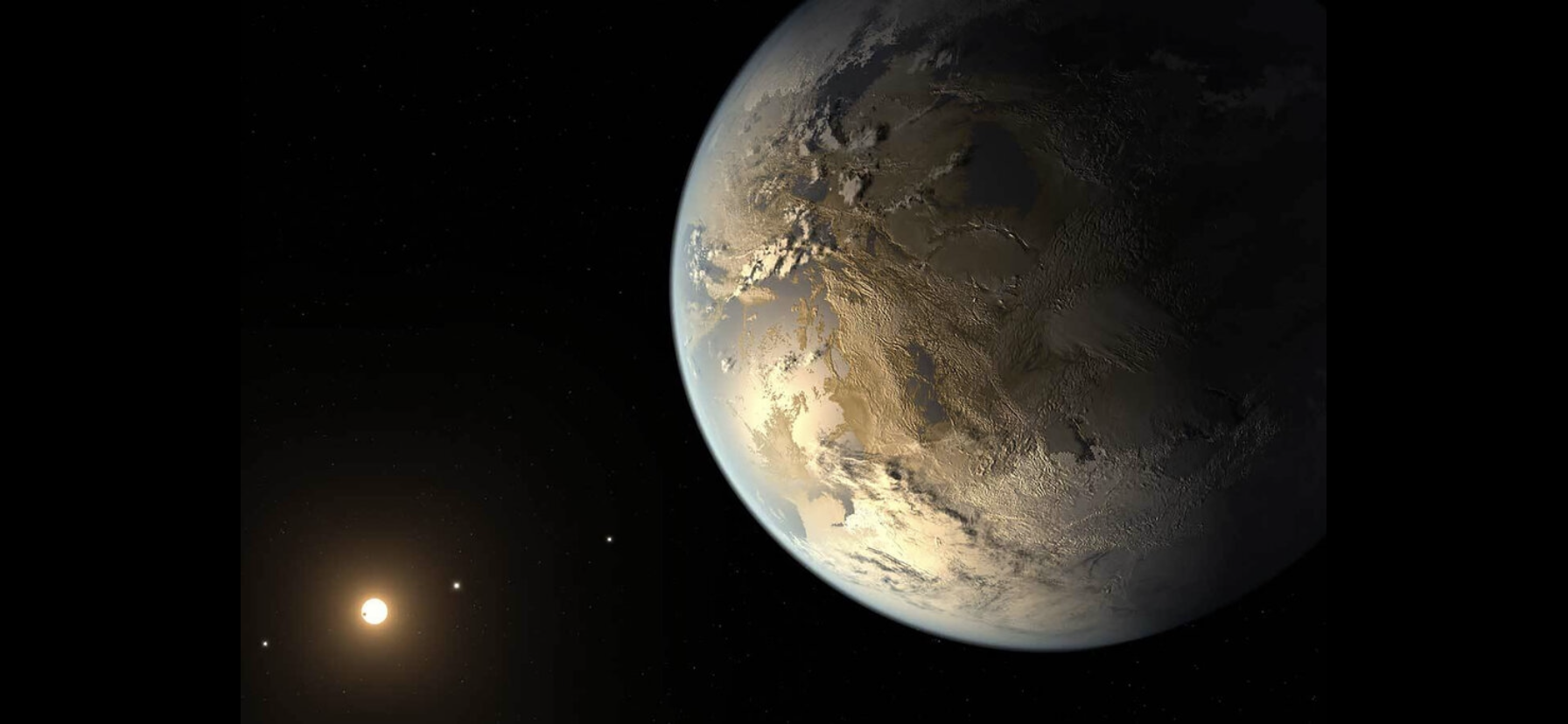
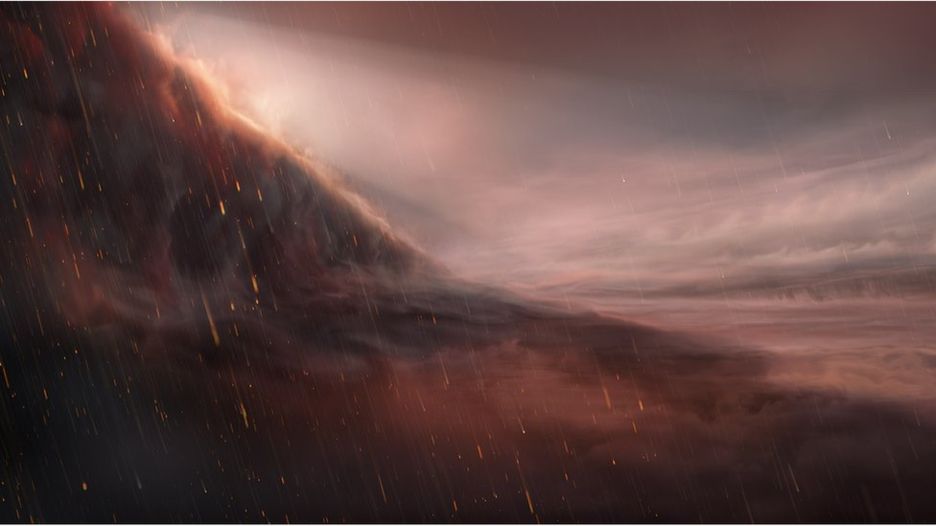
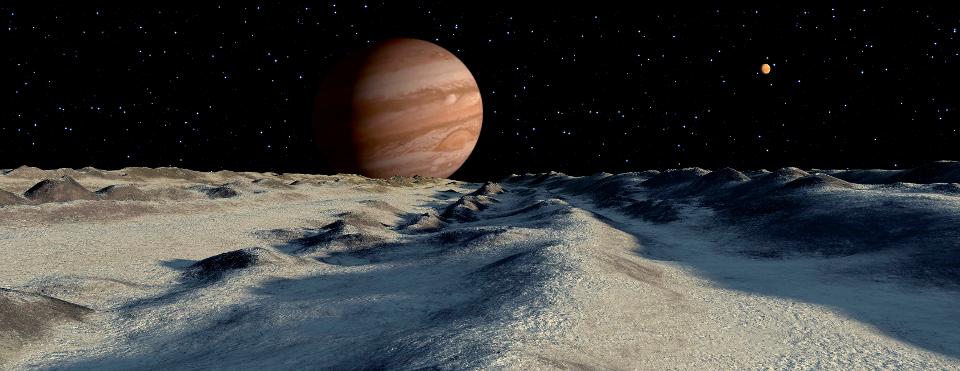
On the scorching hot planet, hundreds of light-years away, oceans are made of molten lava, winds reach supersonic speeds and rain is made of rocks. Scientists have referred to the bizarre, hellish exoplanet as one of the most “extreme” ever discovered.
According to NASA estimates there are at least 100 billion stars in the Milky Way, of which about 4 billion are sunlike. If only 7 percent of those stars have habitable planets — a seriously conservative estimate — there could be as many as 300 million potentially habitable Earths out there in the whole Milky Way alone.
It takes a while to collect, sort through, analyze, write up, endure peer review, and publish data from scientific projects.
That’s why finally we’re seeing this, 11 years after Kepler was launched to scour the galaxy for exoplanets.
Now the real challenge will be figuring out how to get there…
It’s time to move on the next factor in the Drake equation for extraterrestrial civilizations: the fraction of these worlds on which life emerges. The search for even a single slime mold on some alien rock would revolutionize biology, and it is a worthy agenda for the next half-century as humans continue the climb out of ourselves and into the universe in the endless quest to end our cosmic loneliness.
Aliens! Murder mystery! Colorado! Quirky humor! Alan Tudyk!
If it sounds like a cross between Twin Peaks, My Favorite Martian, and The Man Who Fell to Earth, it’s not a coincidence… (check out the YouTube link in the article below, complete with interviews at the NY ComicCon with the actors in the new show).
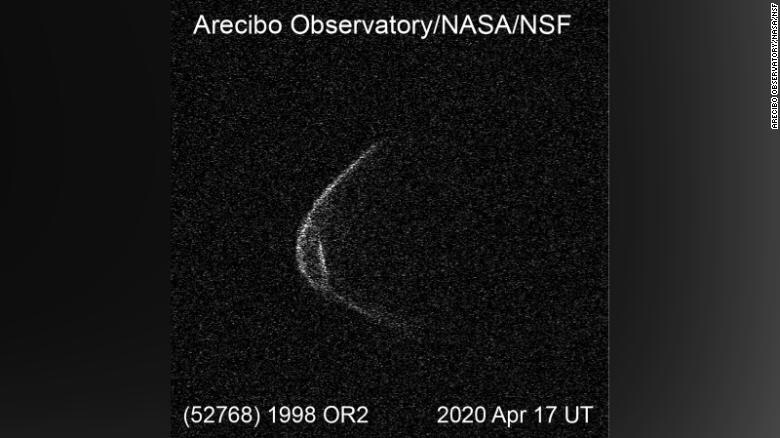
On April 29, an asteroid estimated to be 1.2 miles wide will fly by Earth, but it’s not on a destructive path. And new images of the asteroid make it appear as though it’s wearing a face mask.
“So, let’s bring the samples back. So if those extraordinary claims are made, they can be verified.”
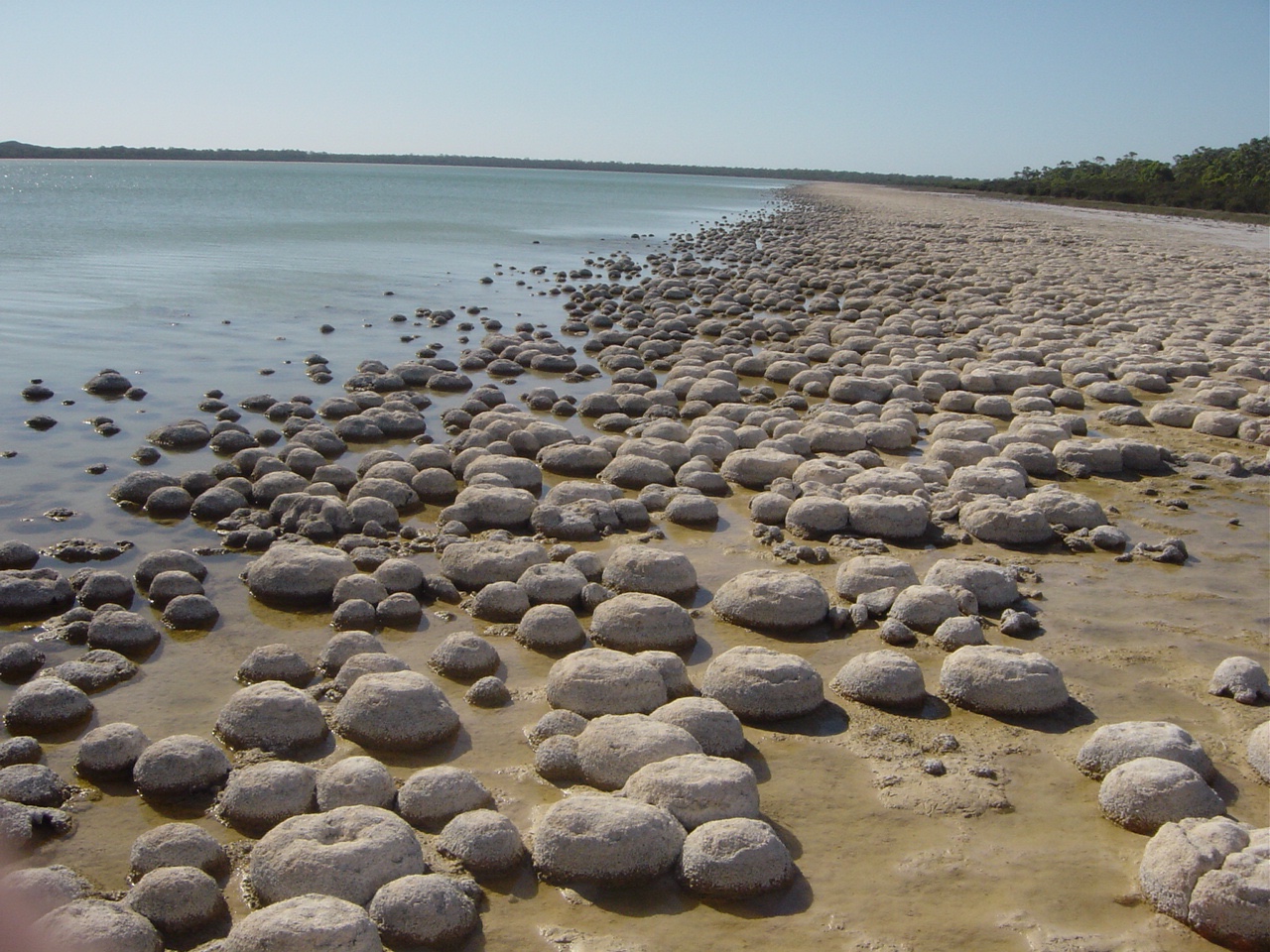
One likely extraterrestrial form of life might resemble a terrestrial form: the stromatolite.
They basically look like big rocks. I visited one site in Western Australia in 2003 with a group of Japanese students who were told by a local guide that the stromatolites were “3.5 billion years old.” (They’re not, but they do look like what life might have looked like at that point.”
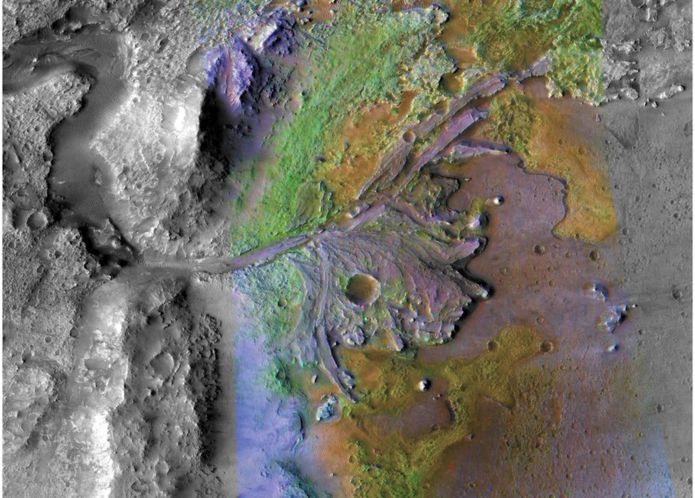
So NASA is sending another rover to see if they can find evidence of a similar life form.
“Being able to get humans on Mars and actually collecting one of these samples would be such an incredible moment, I would kind of hope it would almost bring us back to the moon days of everyone being glued to the TV.”
Um. Well. OK. TV is dead so we’ll all be watching it streamed on our smartphones, but the point is taken.