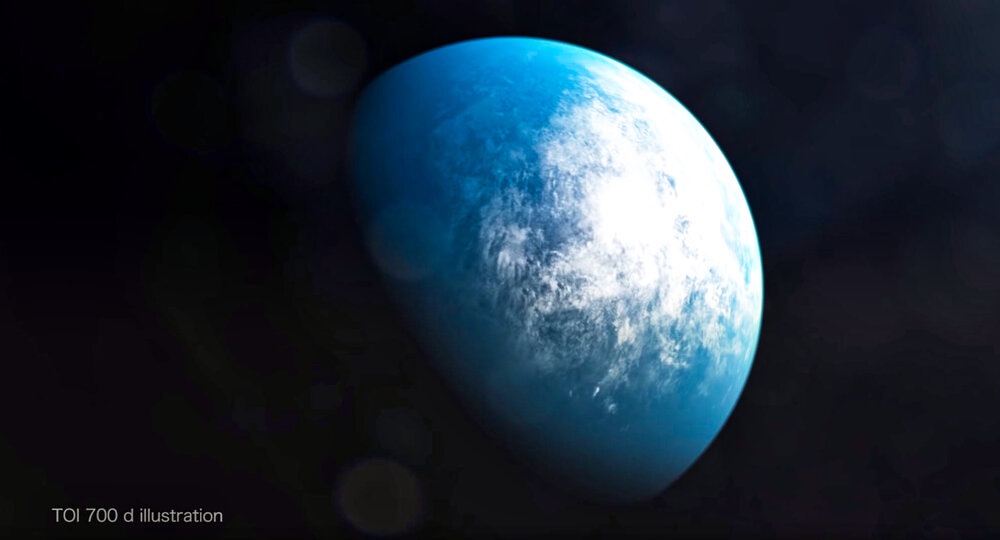
The newly discovered exoplanet, called TOI 700 d, is located about 100 light-years away from us and is roughly 20% larger than Earth.
Okay, not exactly close, but looking good…
A year on TOI 700 d takes 37 days.
Um. Wait. What?
One thing astronomers have discovered though is that TOI 700 d is tidally locked to its star, which means that one half bathes in eternal sunlight, and the other half always exists in darkness.
Oy.
And even better…
One of the burning questions is whether the planet has an atmosphere or not.
I mean, write a Star Wars movie review? When so many have already been there, done that, loved it/hated on it/debated it? When I already did it (ah, twenty years ago, but still…)
But, then again, why not?
Especially when so many have gotten it so wrong… Continue Reading
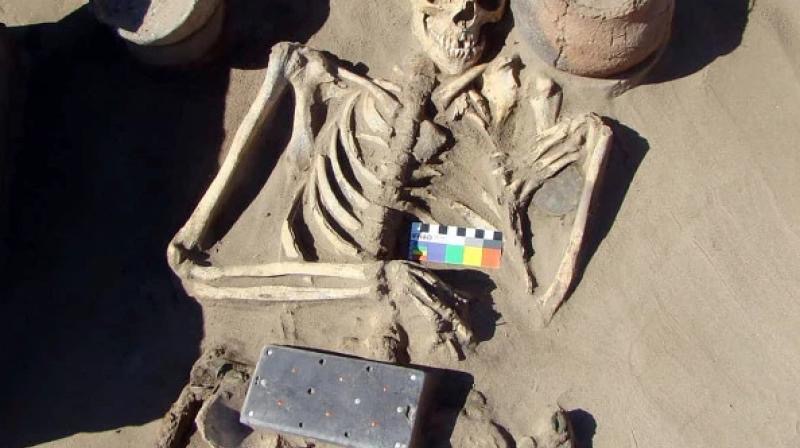
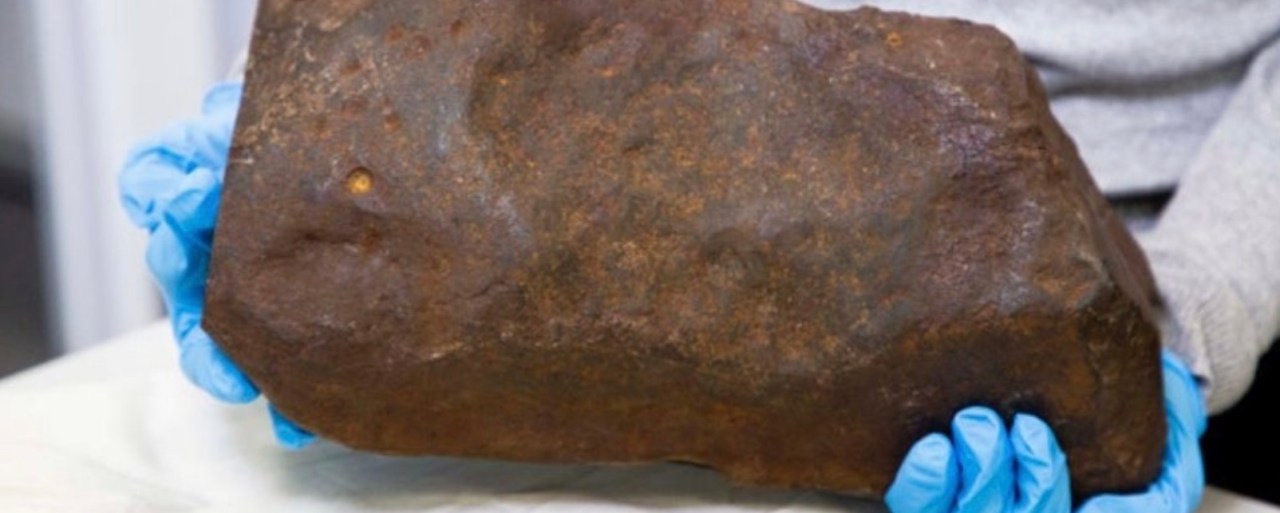
If you find a big rock in your backyard, and you can’tbreak it open with normal tools, guess what?
The researchers argue that the Maryborough meteorite is much rarer than gold. It’s one of only 17 meteorites ever recorded in the Australian state of Victoria, and it’s the second largest chondritic mass, after a huge 55-kilogram specimen identified in 2003.
This next bit is more interesting to me:
“Other rare meteorites contain organic molecules such as amino acids; the building blocks of life.”
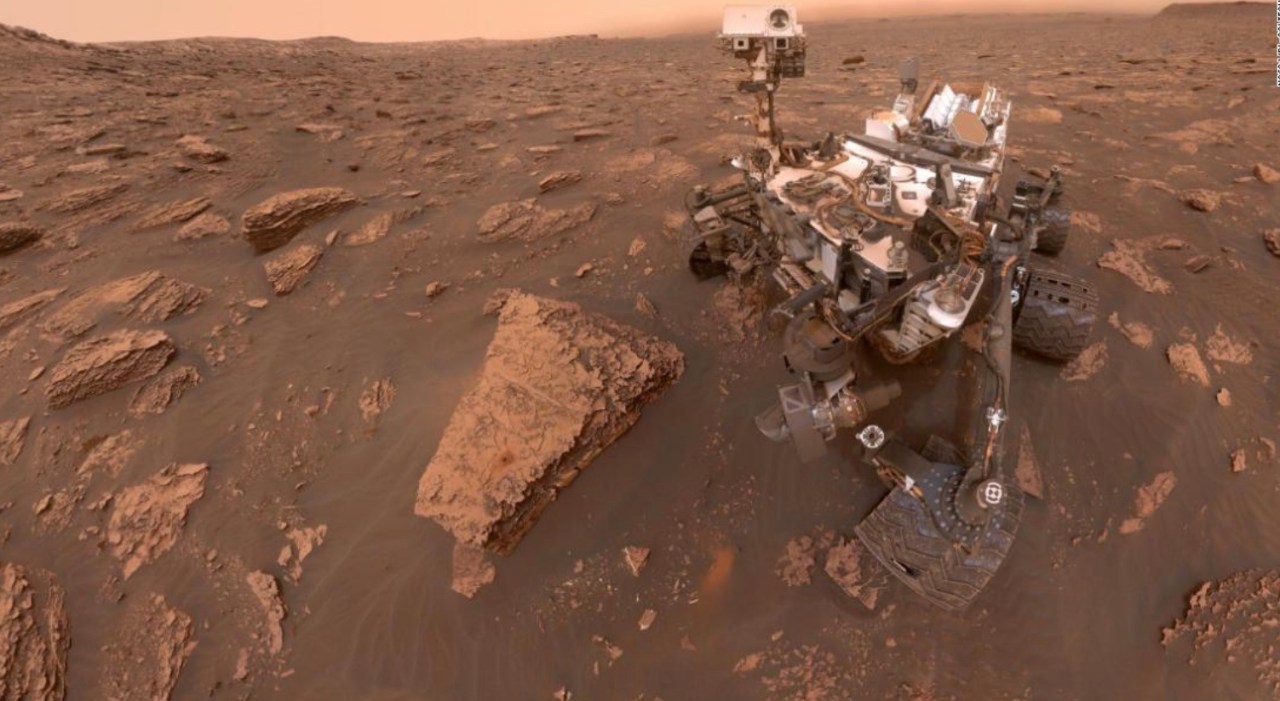
“What is the evidence against the possibility of life on Mars?” Levin wrote. “The astonishing fact is that there is none.”
Uh, no, sorry. That’s an illogical fallacy called “begging the question.”
Often phrased like this: “Absence of evidence is not evidence of absence.”
Or, as a friend once joked, “Just because you haven’t found any aliens doesn’t mean there aren’t any!”
Well, yeah, but that doesn’t prove anything except that we just don’t know.
See, science doesn’t work like that. It demands skepticism, careful theorizing based on positive evidence.
And replication.
If findings can’t be independently confirmed and reproduced by an outside observer, then the evidence isn’t strong enough.
Sorry. No smoking gun. Yet.
(Believe me, if scientists knew that Mars had life, we’d hear about it ad infinitum. Carl Sagan put it best: Scientists are terrible at keeping secrets.)
After completing its first year of observations in the southern sky, NASA’s Transiting Exoplanet Survey Satellite has spotted some intriguing new exoplanets only 31 light-years away from Earth.
Um. “Only” 31 light years.
One planet is 22% larger than Earth, has a surface average of around 490ºF, and a year of just under 4 days.
Another is more than 6 times the size of Earth, is a balmy -64ºF, and a year of about 56 days.
My award-winning SF novella Adam’s Stepsons featured clones, which as some reviewers noted came a little after the peak of clones (although I wonder if we have yet to hit the “peak,” given scientific progress).
So as I was scouring the net for summer reads, I came across a lot of books about clones and ethical dilemmas (or lack thereof).
The main article I’ve linked here is from Tor.com, which often posts great stuff about SF Continue Reading