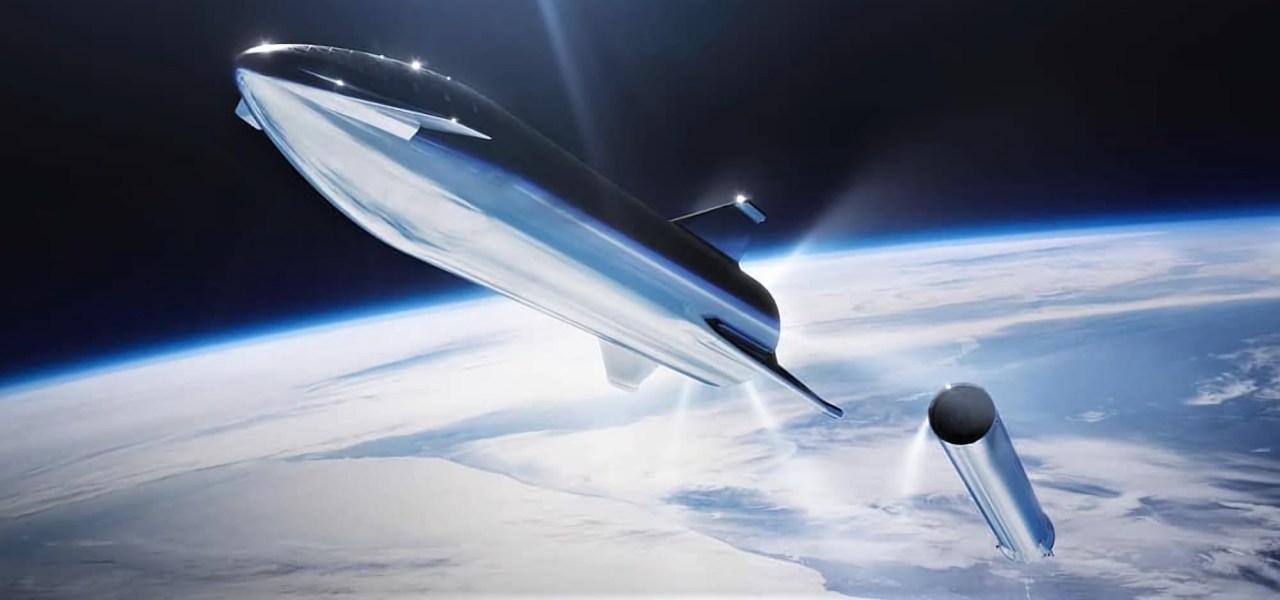
Youtubersmallstarshas proposed a concept that he calls theGravity Link Starship(GLS), a variation of SpaceX’sStarshipthat will be able to provide its own artificial gravity.
Hm, I guess we’re at the point where YouTubers have better ideas than NASA…
But who pays for this? is the several billion dollar question. Not just the construction of the “hub and truss” system, but the expense of getting it into space in the first place.
Seems like science fiction at this point. But still worth a read/look:
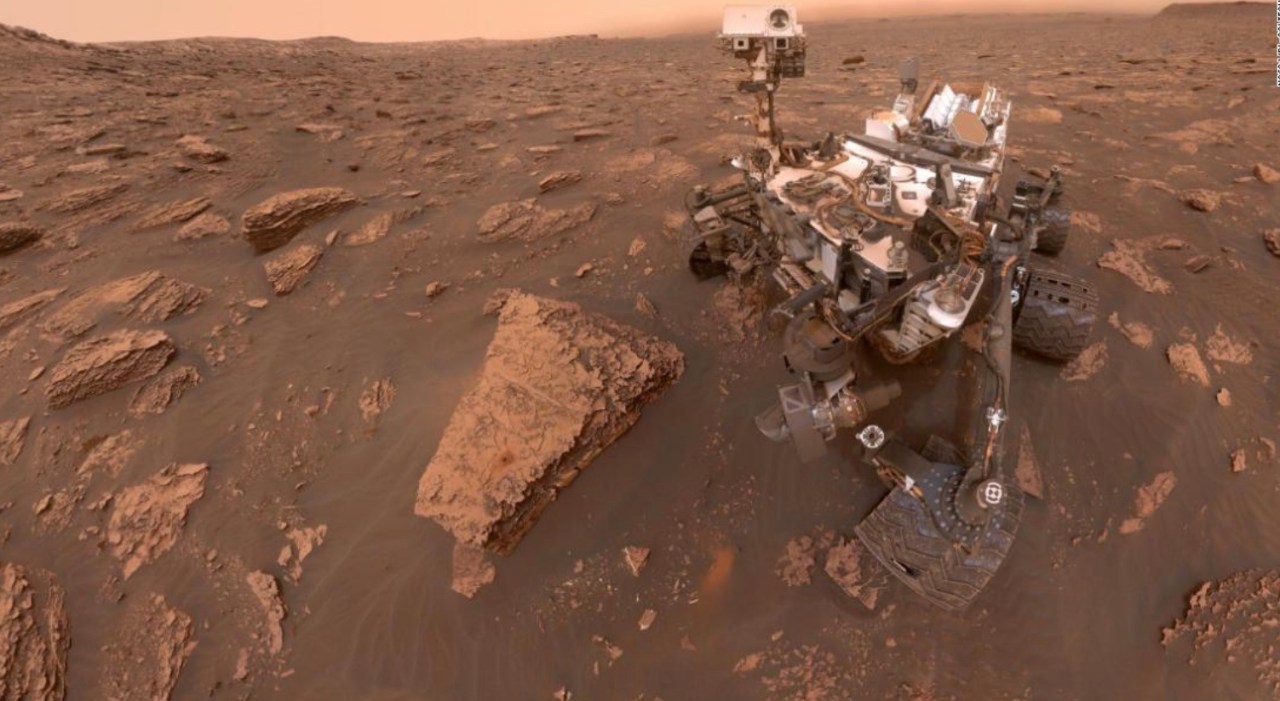
“What is the evidence against the possibility of life on Mars?” Levin wrote. “The astonishing fact is that there is none.”
Uh, no, sorry. That’s an illogical fallacy called “begging the question.”
Often phrased like this: “Absence of evidence is not evidence of absence.”
Or, as a friend once joked, “Just because you haven’t found any aliens doesn’t mean there aren’t any!”
Well, yeah, but that doesn’t prove anything except that we just don’t know.
See, science doesn’t work like that. It demands skepticism, careful theorizing based on positive evidence.
And replication.
If findings can’t be independently confirmed and reproduced by an outside observer, then the evidence isn’t strong enough.
Sorry. No smoking gun. Yet.
(Believe me, if scientists knew that Mars had life, we’d hear about it ad infinitum. Carl Sagan put it best: Scientists are terrible at keeping secrets.)
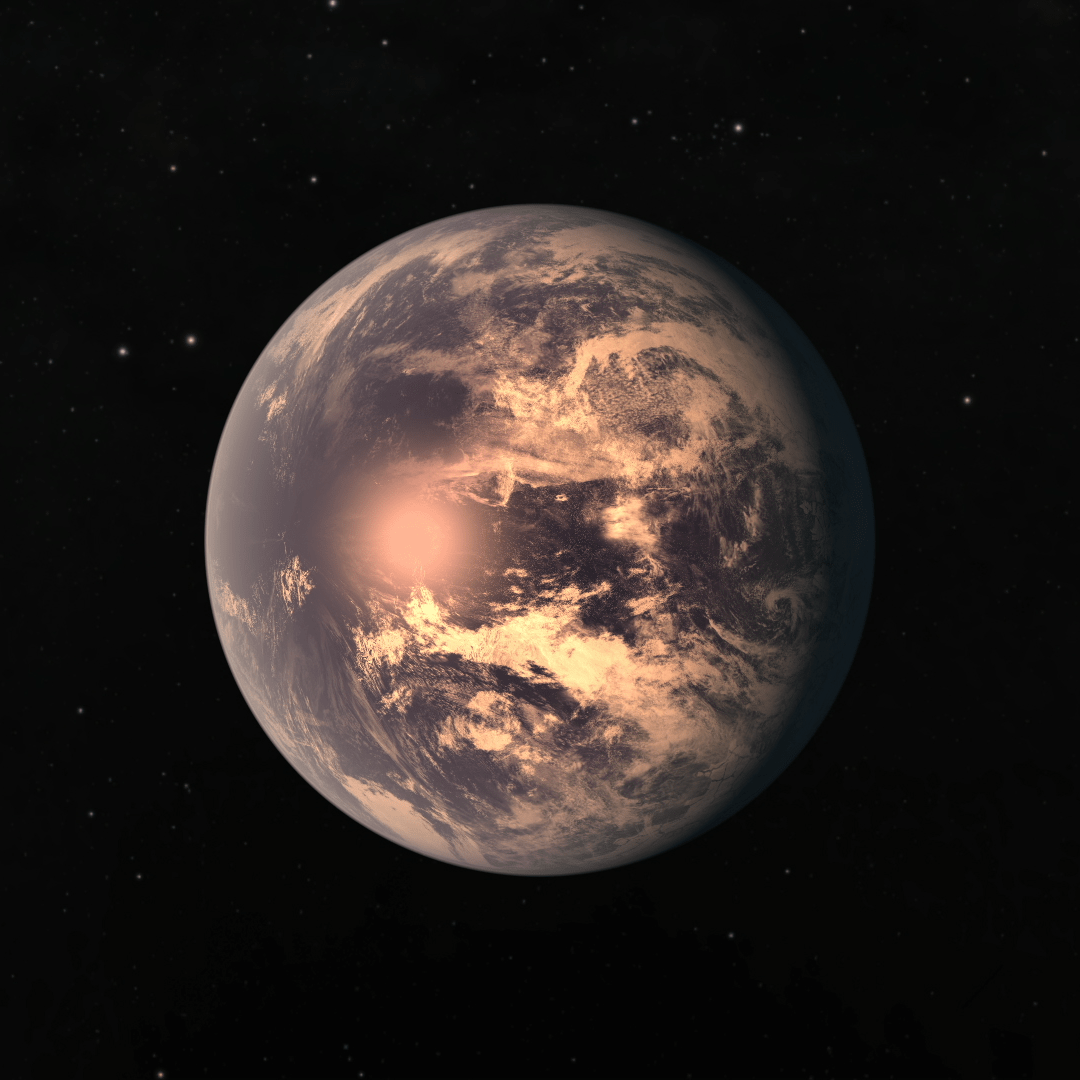
After completing its first year of observations in the southern sky, NASA’s Transiting Exoplanet Survey Satellite has spotted some intriguing new exoplanets only 31 light-years away from Earth.
Um. “Only” 31 light years.
One planet is 22% larger than Earth, has a surface average of around 490ºF, and a year of just under 4 days.
Another is more than 6 times the size of Earth, is a balmy -64ºF, and a year of about 56 days.
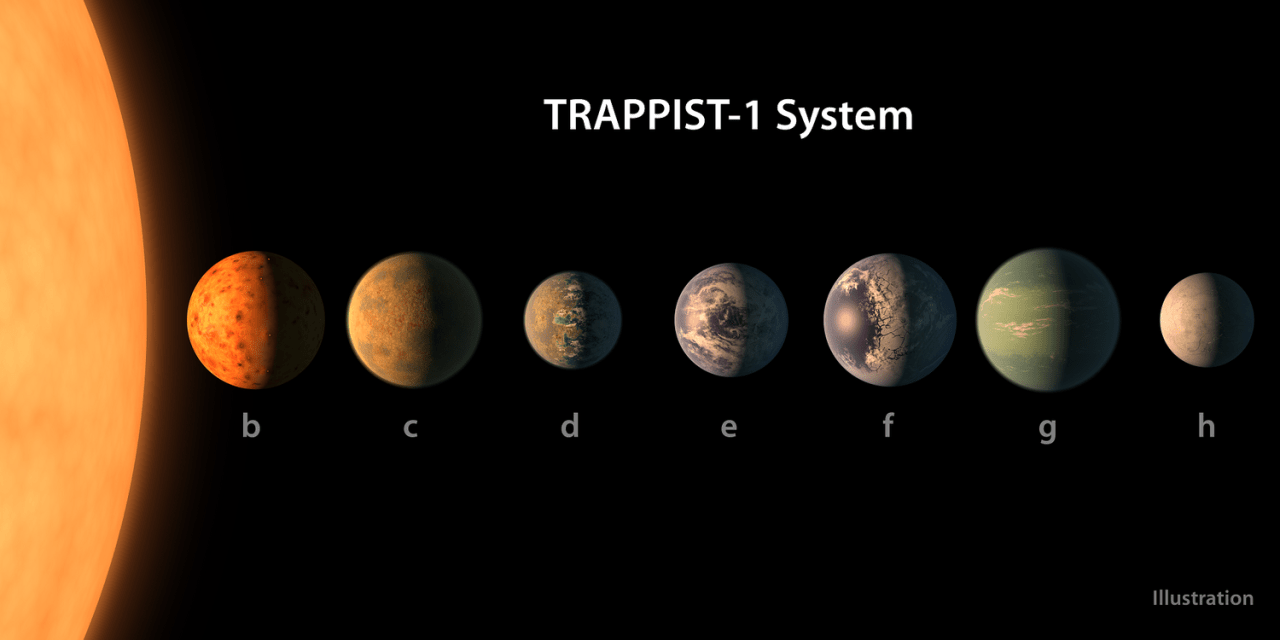
In February of 2017, a team of European astronomers announced the discovery
of a seven-planet system orbiting the nearby star TRAPPIST-1. Aside from
the fact that all seven planets were rocky, there was the added bonus of
three of them orbiting within TRAPPIST-1’s habitable zone. Since that time,
multiple studies have been conducted to determine whether or not any of
these planets could be habitable.
What’s up with the boring names?
I propose we call them Liesl, Friedrich, Louisa, Kurt, Brigitta, Marta, and Gretl. The most habitable is Kurt, because he’s so magnetic.
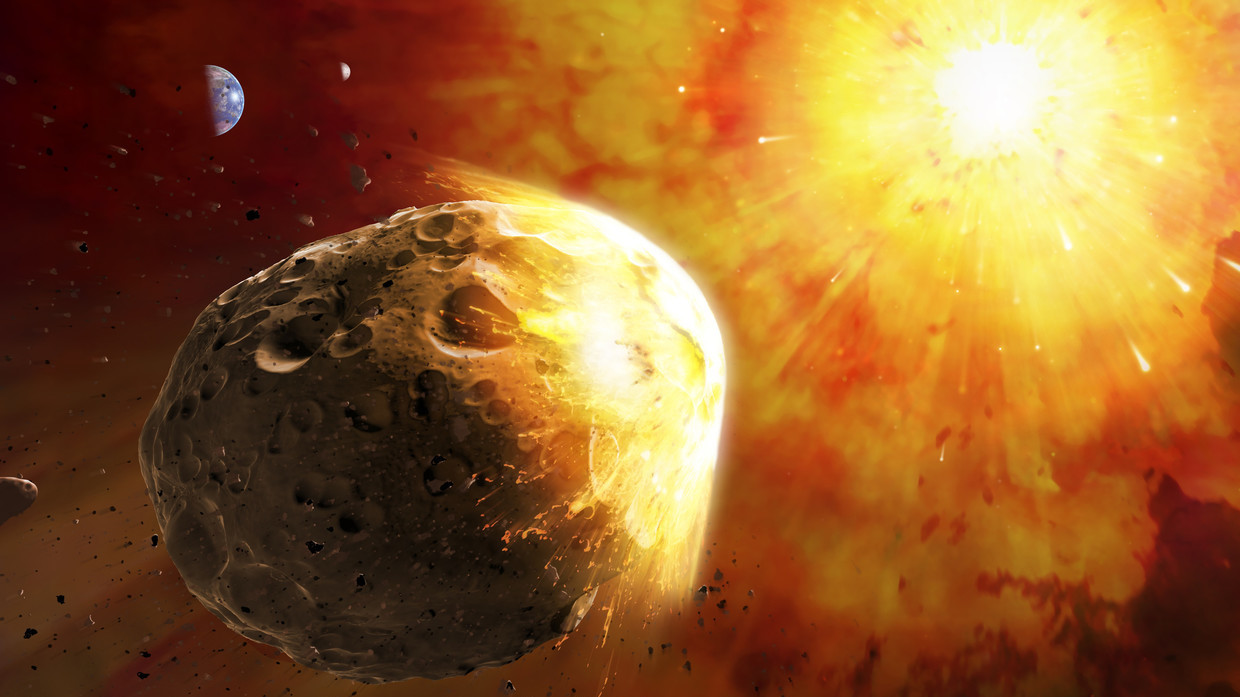
I wrote about this a couple of days ago (based on an article from two weeks prior), but it’s interesting to see random websites suddenly jumping on the “we’ll all get rich!” asteroid mining band wagon. Hey, everybody, let’s copy-paste stuff and not use our brains!
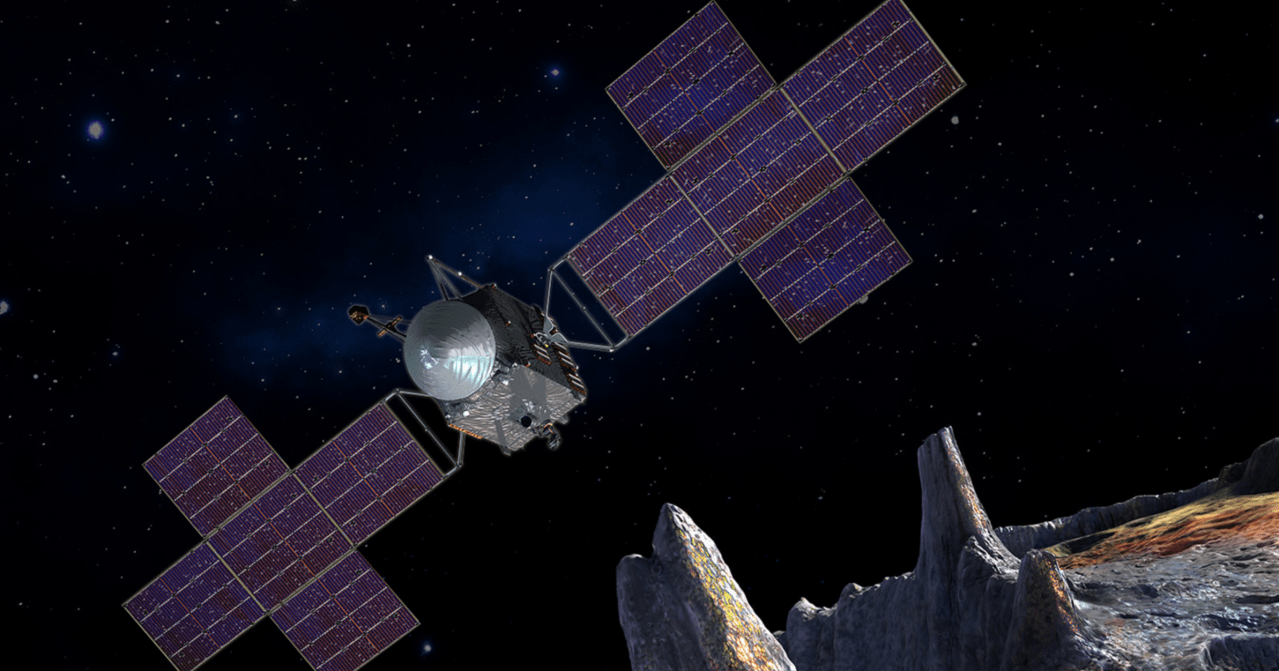
A new article by rt.com even includes two click-bait links to “how gold was formed” that have nothing whatsoever to do with NASA’s probe to (16) Psyche. Of course, we shouldn’t expect any less from an obvious Russian “news” distributor. But in the interests of calling out the bad reporting in this and similar “news” articles spread online recently, let’s give this a hearty smack-down.
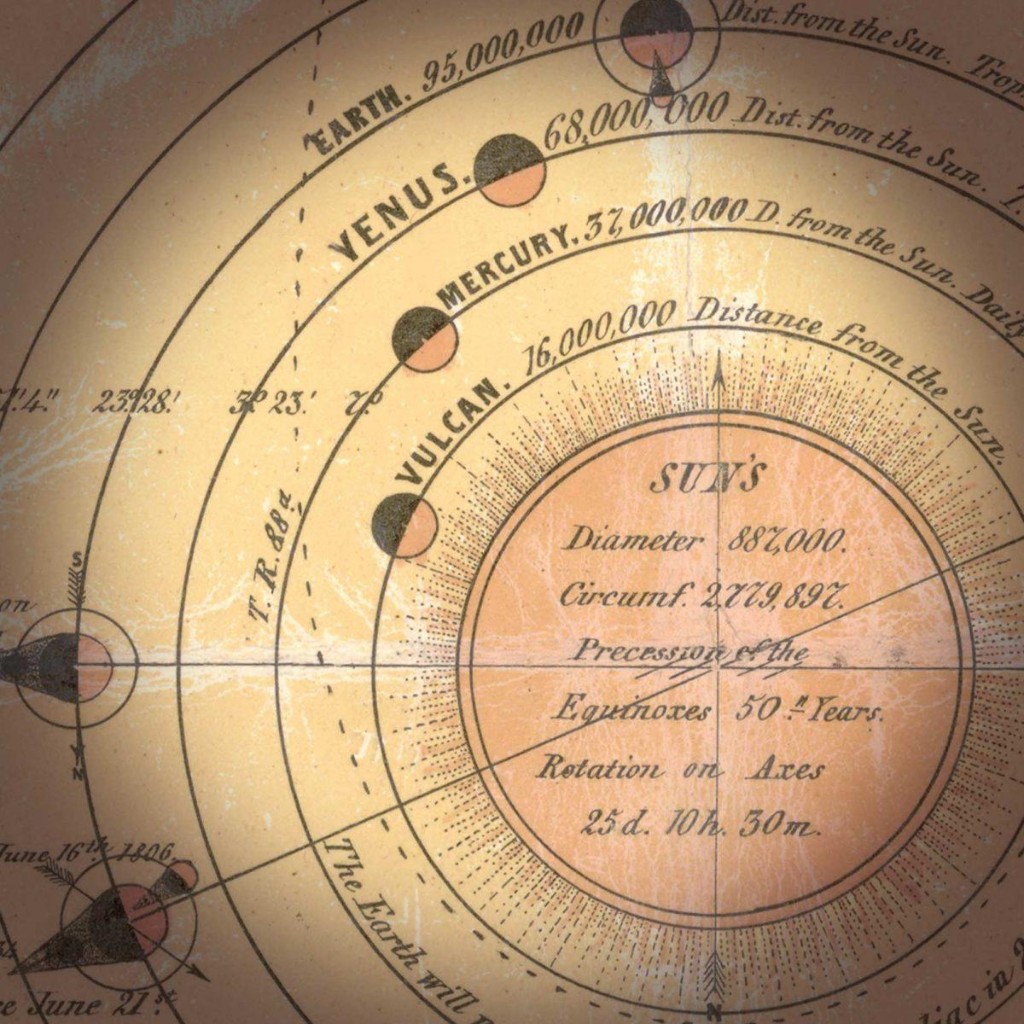
As a kid I remember reading about “Vulcan,” which people used to think existed between Mercury and the Sun but always orbited on the opposite side.
Completely fictional, of course.
But…
Vulcan made a comeback as the fictional home of Spock in Star Trek. It was said by Star Trek creator Gene Roddenberry to be orbiting around 40 Eridani (also called HD 26965), a triple star system in the constellation of Eridanus “the river” in the southern hemisphere just 16 light years distant. In September 2018, astronomers at the University of Florida in Gainesville found a “super-Earth” exoplanet orbiting exactly where Vulcan was said to be.





 M Thomas Apple Author Page