
I have a vehicle in my novel called a “Hopper.”
Damn you, Musk! Must you steal ALL my ideas??
www.syfy.com/syfywire/amazing-video-spacex-starhopper-test-hop-to-a-height-of-150-meters

October 10, 2019
I have a vehicle in my novel called a “Hopper.”
Damn you, Musk! Must you steal ALL my ideas??
www.syfy.com/syfywire/amazing-video-spacex-starhopper-test-hop-to-a-height-of-150-meters
August 3, 2019

After completing its first year of observations in the southern sky, NASA’s Transiting Exoplanet Survey Satellite has spotted some intriguing new exoplanets only 31 light-years away from Earth.
Um. “Only” 31 light years.
One planet is 22% larger than Earth, has a surface average of around 490ºF, and a year of just under 4 days.
Another is more than 6 times the size of Earth, is a balmy -64ºF, and a year of about 56 days.
But has liquid, and so might have life.
Don’t pack your bags yet….
— Read on www.cnn.com/2019/08/01/world/tess-nearby-super-earth-scn-trnd/index.html
August 2, 2019
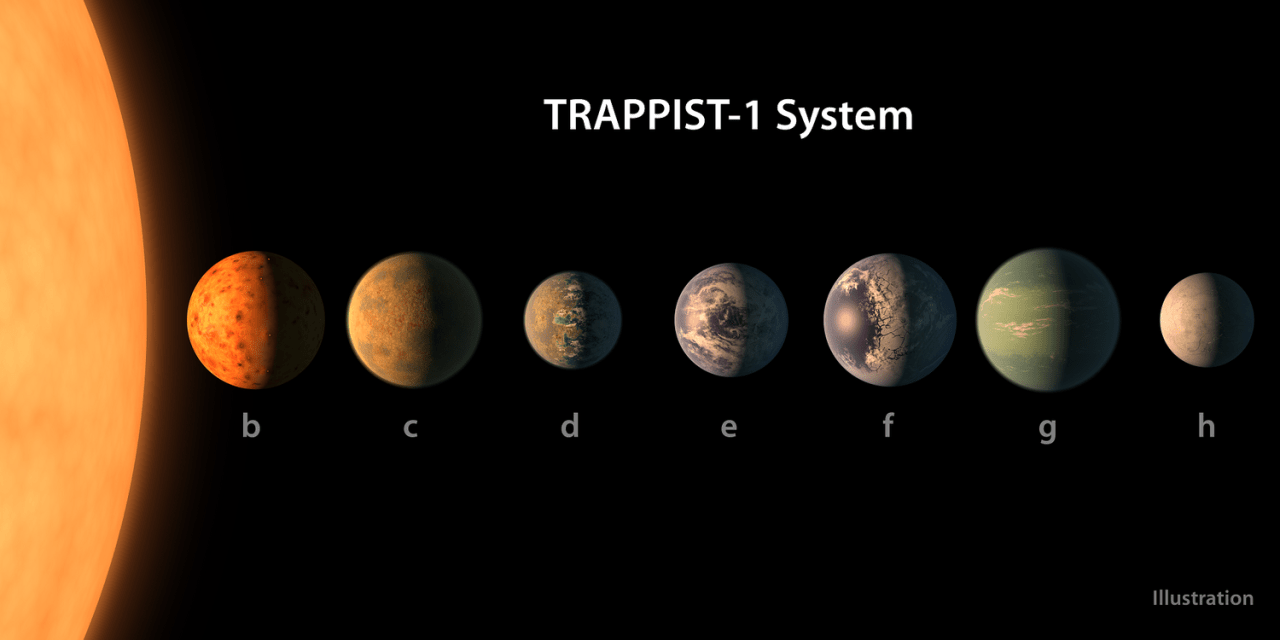
In February of 2017, a team of European astronomers announced the discovery
of a seven-planet system orbiting the nearby star TRAPPIST-1. Aside from
the fact that all seven planets were rocky, there was the added bonus of
three of them orbiting within TRAPPIST-1’s habitable zone. Since that time,
multiple studies have been conducted to determine whether or not any of
these planets could be habitable.
What’s up with the boring names?
I propose we call them Liesl, Friedrich, Louisa, Kurt, Brigitta, Marta, and Gretl. The most habitable is Kurt, because he’s so magnetic.
But the star, of course, is Maria.
Buh-DUM-dum.
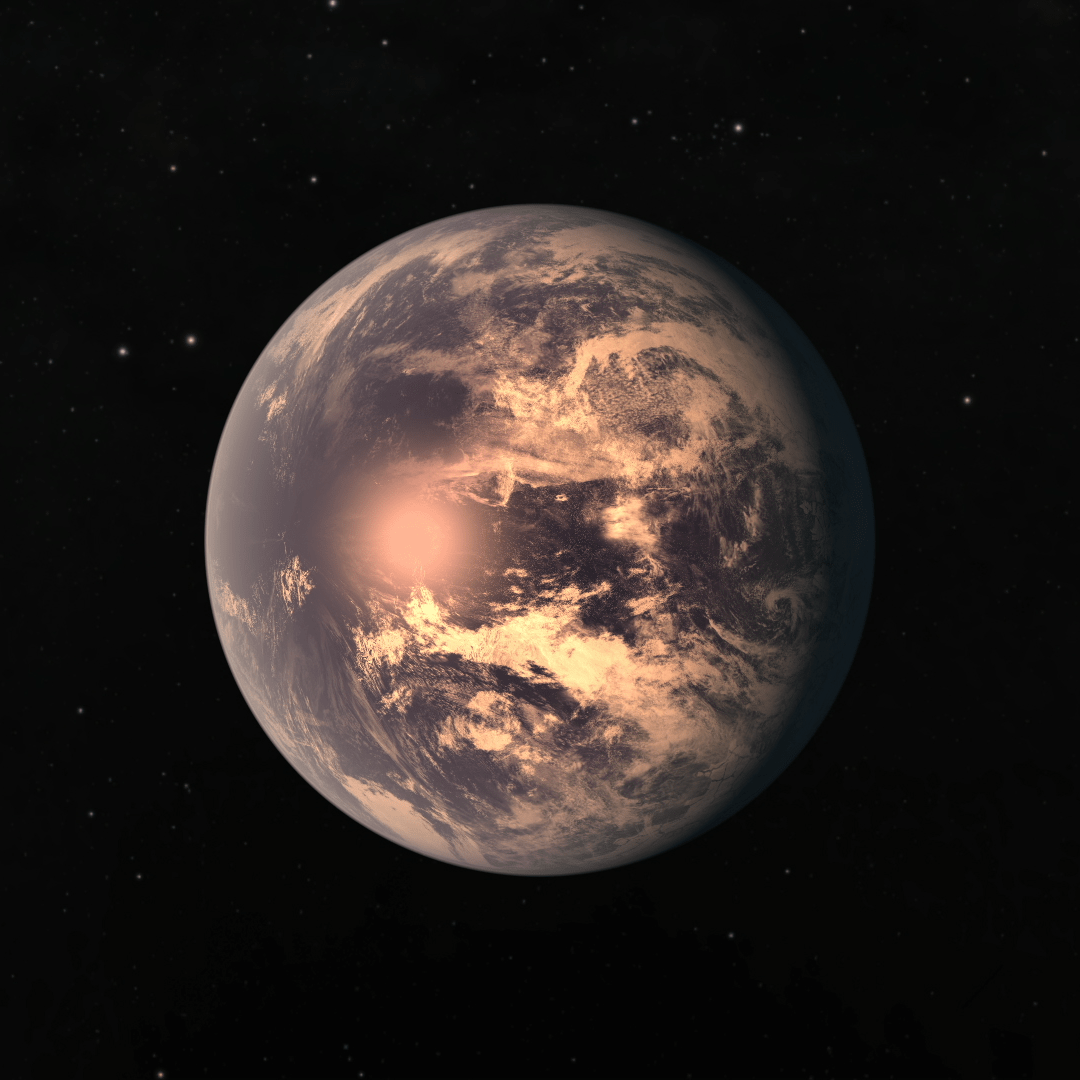
— Read on www.universal-sci.com/headlines/2018/5/5/one-of-the-trappist-1-planets-has-an-iron-core
June 24, 2019
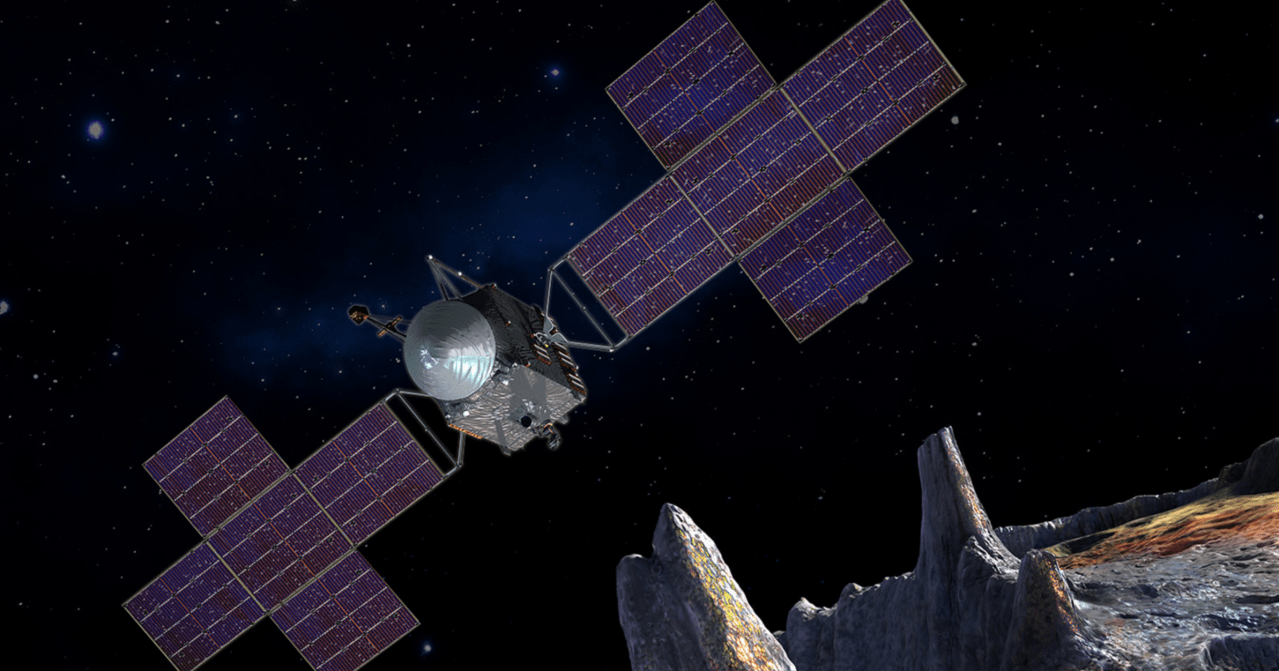
“Final planning stages” usually translates into “we have no idea when, if ever, this thing will work.”
Psyche!
Yes, actually.
Let’s hope NASA doesn’t resort to this:

June 13, 2019
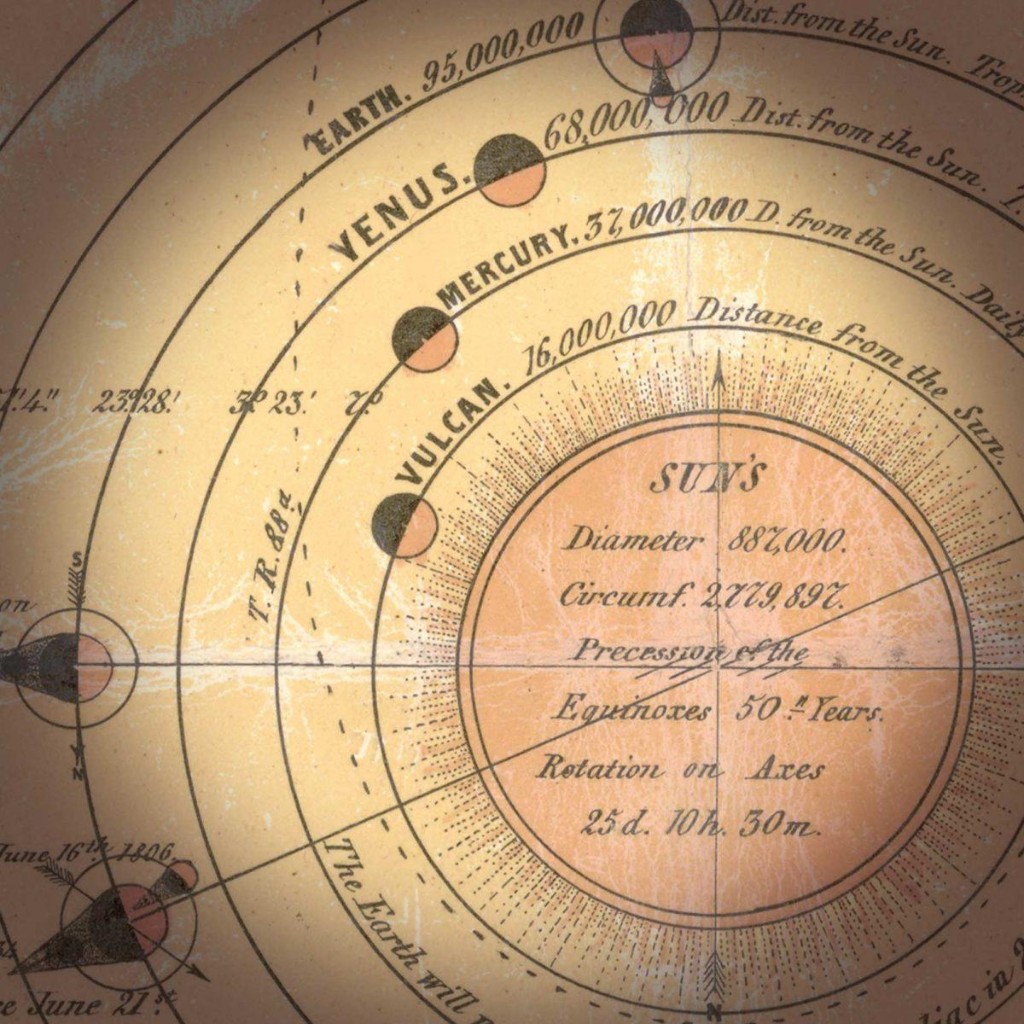
As a kid I remember reading about “Vulcan,” which people used to think existed between Mercury and the Sun but always orbited on the opposite side.
Completely fictional, of course.
But…
Vulcan made a comeback as the fictional home of Spock in Star Trek. It was said by Star Trek creator Gene Roddenberry to be orbiting around 40 Eridani (also called HD 26965), a triple star system in the constellation of Eridanus “the river” in the southern hemisphere just 16 light years distant. In September 2018, astronomers at the University of Florida in Gainesville found a “super-Earth” exoplanet orbiting exactly where Vulcan was said to be.
There is only one logical conclusion…

June 11, 2019
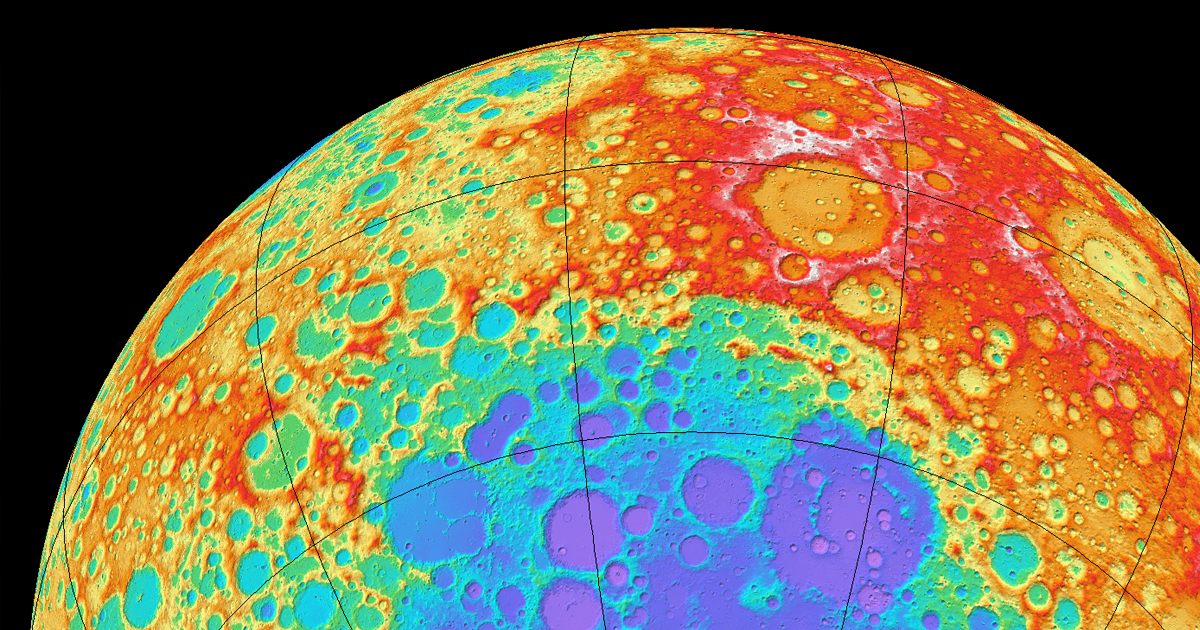
“Imagine taking a pile of metal five times larger than the Big Island of Hawaii and burying it underground…”
Uh. OK. That’s a LOT of metal. Nickel and iron? Ancient asteroid impact? 300 kilometers deep?
Sounds like a “golden” mining opportunity…
…even enough to totally justify “the Moon is a part of Mars“?
April 27, 2019
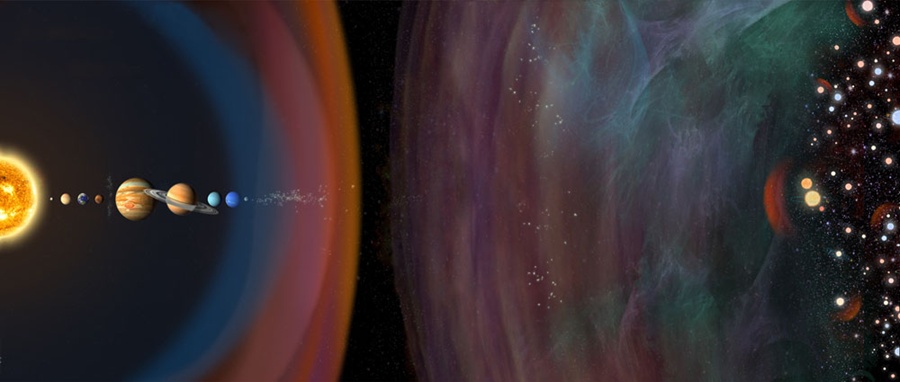
“It is time to venture beyond the known planets, on toward the stars.”
Yes, I agree, but I don’t see how any of the ideas in this article will help us achieve that goal. I think the problem is the reliance on conventional means of propulsion. Clearly some sort of bending of space/time is needed to leave the solar system faster than, say, a decade, let alone reach other star systems.
Dawn already used an ion engine (way too slow). The solar gravitational lens is neat but it won’t take us there physically. The “space-based laser” idea is funky but impractical.
Getting off Earth should help (Moon Base, Mars, somewhere else like Triton). Escaping our own planet’s gravity well takes way too much effort. But after that, it’s time to forget about rockets and start thinking of truly “wacked out” ideas.
For starters, Discover, how about dumping your absolutely awful page design? Yeesh, this page is hard to read.
— http://discovermagazine.com/2019/apr/new-technologies-could-let-us-explore-beyond-the-solar-system
April 15, 2019
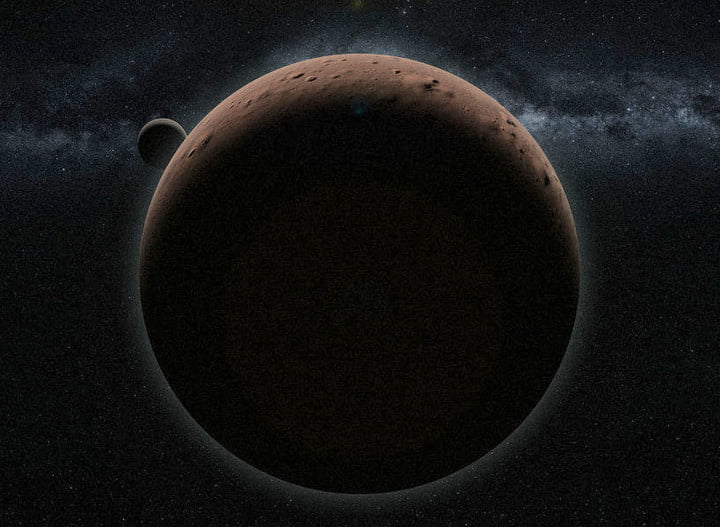
The three choices fit IAU naming regulations and are associated with mythological creatures and figures that reflect aspects of 2007 OR10’s physical properties, which include rock, water ice, possibly methane ice, and a surface that’s red in color.
Your three choices?
Gonggong (共工, the bringer of floods 洪 and chaos)
Holle (which I always thought was Hulda or Holda)
Vili (which I knew as Wela in English class)
At least these scientists learned an important lesson from our recent past…

Info here: www.digitaltrends.com/cool-tech/scientists-launch-public-vote-for-the-name-of-a-distant-world/
Vote here: https://2007or10.name
April 10, 2019
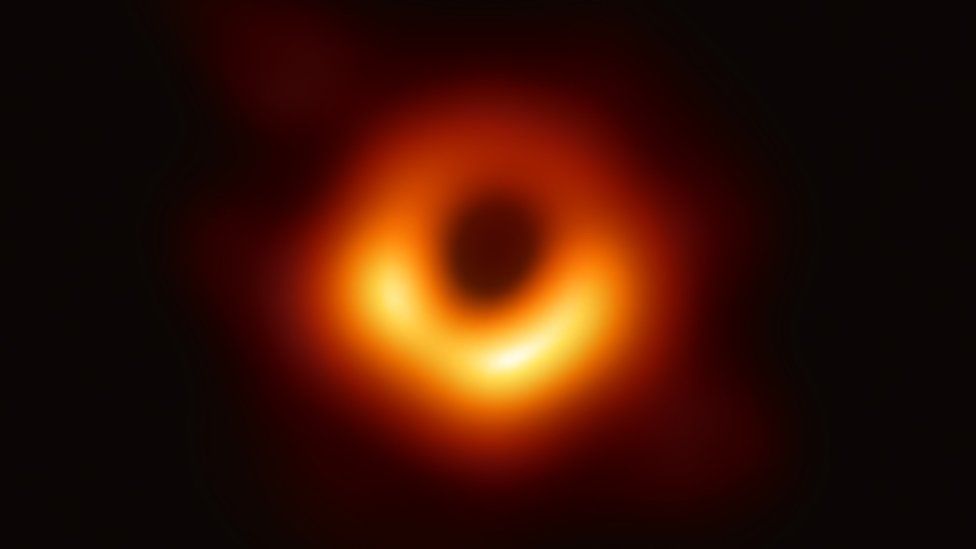
“What we see is larger than the size of our entire Solar System,” he said.
“It has a mass 6.5 billion times that of the Sun. And it is one of the heaviest black holes that we think exists. It is an absolute monster, the heavyweight champion of black holes in the Universe.”
So this demonstrates two things.
One – Einstein was right (when wasn’t he, at this point).
Two – We need a Disney remake.
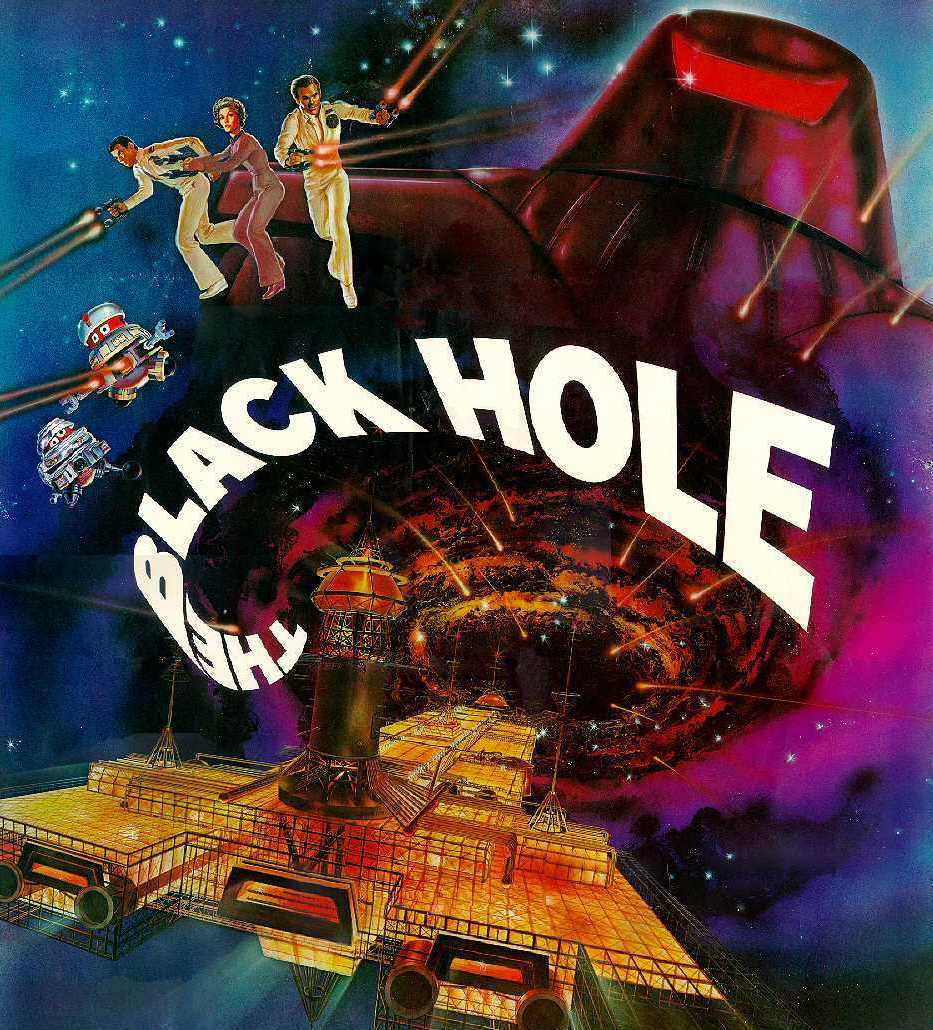
Calling Christopher Nolan!
March 29, 2019
We’ve learned a lot about Neptune’s largest moon, Triton, since it was first discovered in 1846. Some scientists believe it could be an “ocean world” with liquid water — and maybe even harbor life.
And now, pending approval, we might soon get our best glimpse yet. NASA’s Jet Propulsion Laboratory proposed on Tuesday [19 March 2019] at a conference in Texas to send a spacecraft called “Trident” to Triton — with the goal of sussing out whether it’s a habitable world.
A low-cost mission that would give us decent photos and even video of Triton, Io, and even Venus. Let’s do this.
Writing Fanfiction in the worlds of Tolkien and Beyond!
Learning more about our place in the universe...
Best Tech Gadgets Advise
Marvel Comics Reviews, Previews and News
Writing blogs is miracle I am a writer blogger and my site mission is to give information on maximum information to audiences
Reflections of an inquiring retiree ...
Simple ideas to make every room feel stylish and welcoming
Rock & Metal Reviews That Hit Hard
Short stories | Reflections | Poetry
Read. Reflect. Grow
 M Thomas Apple Author Page