A Japanese telescope positioned on top of Mauna Kea, a dormant volcano on the Big Island of Hawaii, captured video of an eerie flying spiral in the night sky on Jan. 18.
In the video, a small bright spot appears and slowly gets brighter and starts to dissipate into a spiral before getting small again and disappearing.
In fact, it was the remains of a discarded Falcon 9 booster from the launch of a SpaceX satellite. And it isn’t the first time this has happened. Japanese TV talked about this, too (since it was a Japanese astronomy, at the Subaru Telescope, that first recorded it).
So, an Identified Flying Object!
Yay, more metallic junk.
(Thanks to Glen Hill for bringing this article to my attention.)
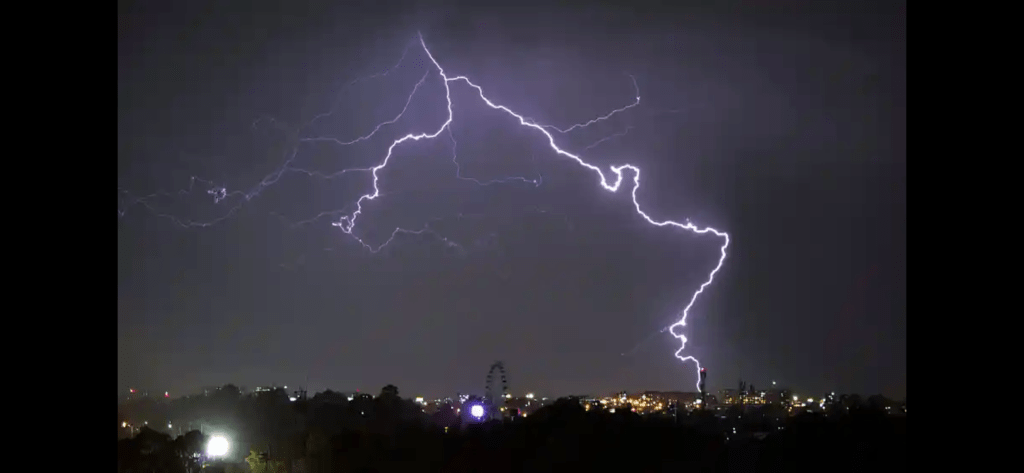
The feat, which involved firing powerful laser pulses at thunderclouds over several months last year, paves the way for laser-based lightning protection systems at airports, launchpads and tall buildings.
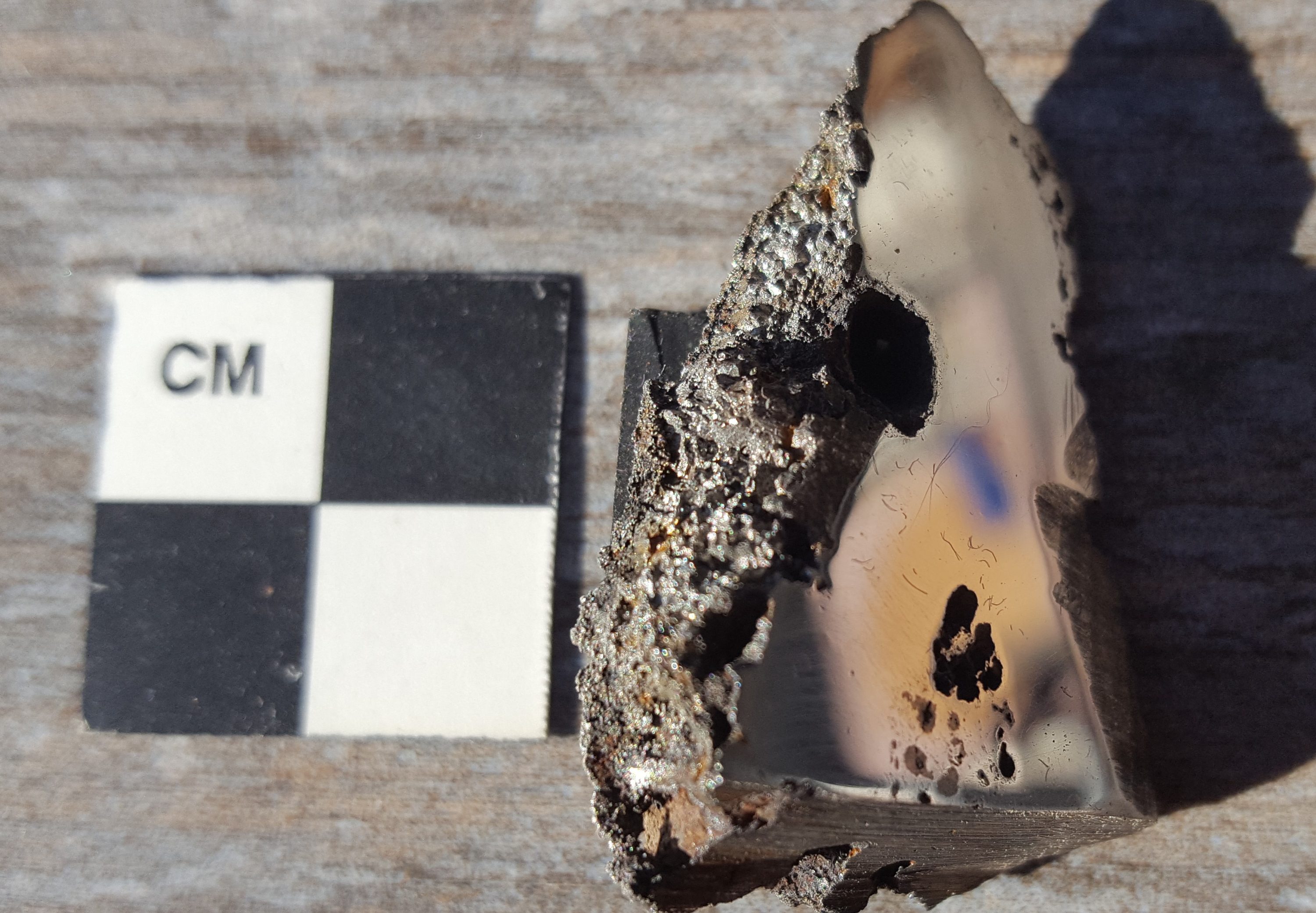
Canadian researchers said the rock was found in rural Somalia two years ago, but locals believe it is much older.
They call the stone Nightfall, and say it is documented in poems, songs and dances that stretch back five generations. It is used today to sharpen knives.
The “new” rock is apparently a meteorite that fell to Earth at least 100 years ago (or more, depending on how you define a “generation”). The two newly-identified minerals are being called “elaliite” (after El Ali, Somalia) and “elkinstantonite” (after NASA planetary evolutionary expert Lindy Elkins-Tanton).
And there’s still one more as-yet-unidentified mineral in the 70-gram rock fragment at the U of Alberta (the original is about 15 tons, and is reported to be the 9th largest such meteorite to have survived entering the Earth’s atmosphere). These three minerals evidently do not exist naturally on Earth. Makes you wonder how many other such minerals are still floating around in space.
And of course, how they might be used to make incredibly strong yet flexible spacecraft materials. (FWIW NASA was already talking about “new” materials such as carbon nanotubes and self-healing piezoelectronic “skins” some twenty years ago…)
Now, maybe it’s just me, but I have a feeling that a 15-ton rock falling into the desert would have raised all sorts of hell. At least locally. Nothing like a 143,000 ton rock, of course. Is there really no record of this thing falling out of the sky? Maybe it’s time to talk to non-European communities and to take their oral legends a bit more seriously.
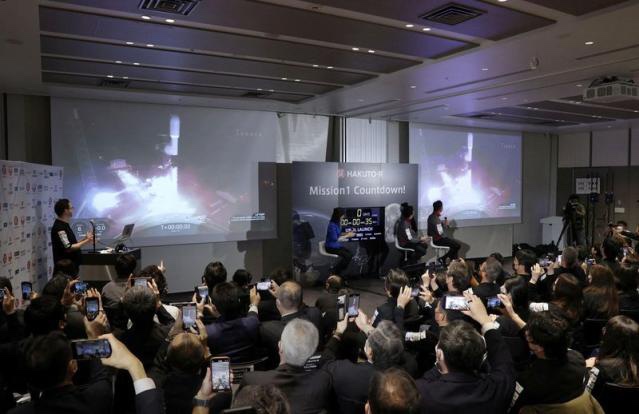
A Japanese start-up (I.e., a small private company)…
using a SpaceX rocket (I.e., a private company owned by the world’s wealthiest pri…er, person)…
sends up a small craft made in Germany… 🇩🇪
along with the Rashid rover (made by the UAE)…
and “a two-wheeled, baseball-sized device from Japan’s JAXA space agency”…
and somehow this is cooperation between the US and Japan versus China and Russia?
I’m not seeing it. The project may have used a NASA launchpad, but the people are charge (and the ones paying for it) are not part of any national government.
And I have a feeling this is the wave of the future. More and more private companies will get involved in space projects as they realize that they can thus ignore politics and aim at profits.
I, for one, welcome our future corporate overlords…
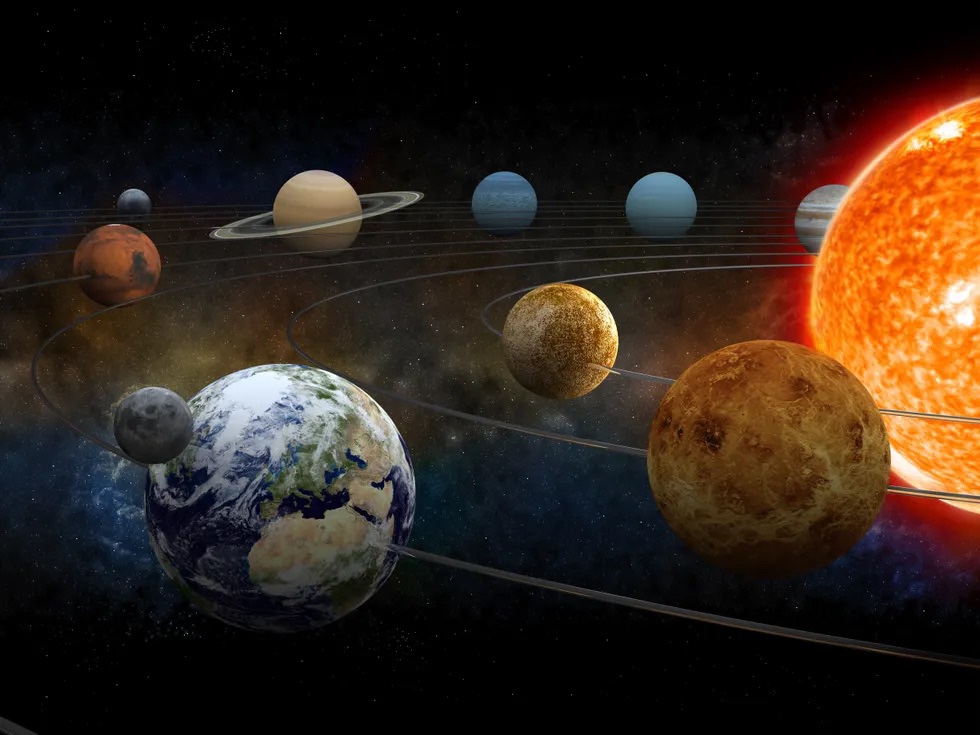
Note: not to scale (duh). Thanks, Getty. Uh, is this really the best way to show the solar system? (There…are…NINE..planets!)
Think of pizza dough flattening into an enlarging disk as it’s tossed. Because the cloud had an initial rotation, this same direction of spin has persisted…
So basically the answer is simply that that’s the way they all started out.
Some moons, however, do have retrograde orbits. I.e., they orbit in the opposite direction around their respective planets. Some small asteroids and comets also have retrograde orbits due to their small mass being easily affected by larger cosmic objects.
Just saw someone on my morning commuter train wearing a fluffy beige coat with a single word in all capital letters, stretching across the back from left elbow to right elbow:






 M Thomas Apple Author Page