“Embedding a similar type of computer in a soldier’s brain could suppress their fear and anxiety, allowing them to carry out combat missions more efficiently.”
Sounds like science fiction, but it’s pretty close to reality. BCI (brain computer interface) is being tested in patients who lack muscle control but imagine if this tech gets weaponized (and what hasn’t been, eventually).
But what if BCI were used to suppress emotions in a healthy brain? Or used to implant thoughts? Or worse?
“…if a BCI tampers with how the world seems to a user, they might not be able to distinguish their own thoughts or emotions from altered versions of themselves…”
(same website as above…note that the PC version of WordPress does not do “quotations” correctly any more…)
PKD fans will instantly recognize this.
Androids don’t just dream of electric sheep. 🐑
(Fans of Ghost in the Shell and more importantly its movie sequel Innocence should also recognize the potential hacking danger…imagine if the government could control our emotions, thoughts, and memories…)
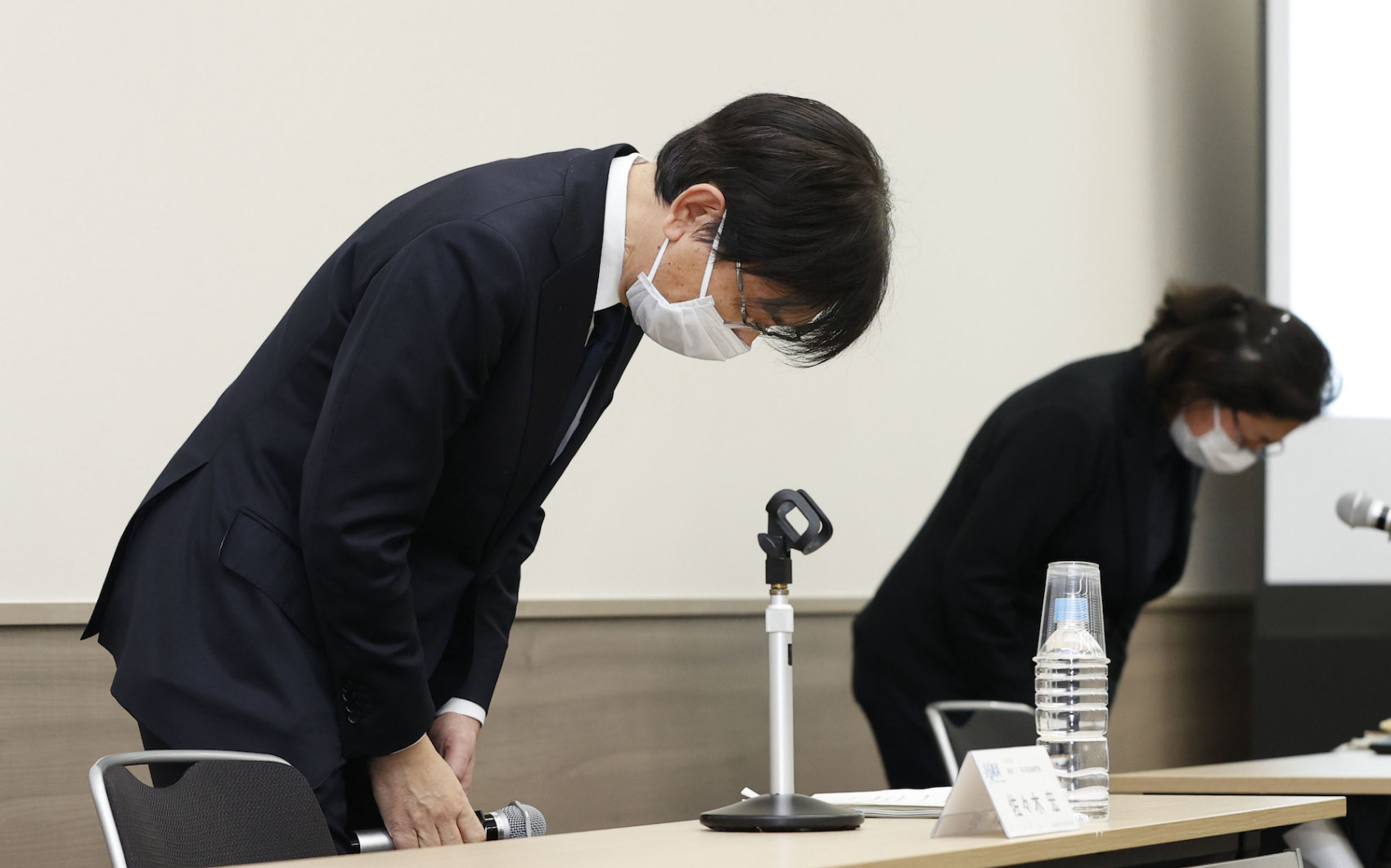
Falsified space research? No problem. The “apology bow” (sha zai, 謝罪) makes it all better.
There is a reason why Japan’s newest “micro” satellite spectacularly failed to do, well, anything.
The Japan version of NASA (Japan Aerospace Exploration Agency, called “JAXA” for some reason rather than “JAEA” — maybe the founder was a fan of X-Japan?) is riddled with incompetency and sycophancy.
Much like the rest of Japan’s government, one of the most corrupt of the world’s industrialized countries thanks to its strict “senpai-kohai” hierarchy where those at the top do no work and those at the bottom have no choice but to do what those at the top say – even if it’s illegal or immoral.
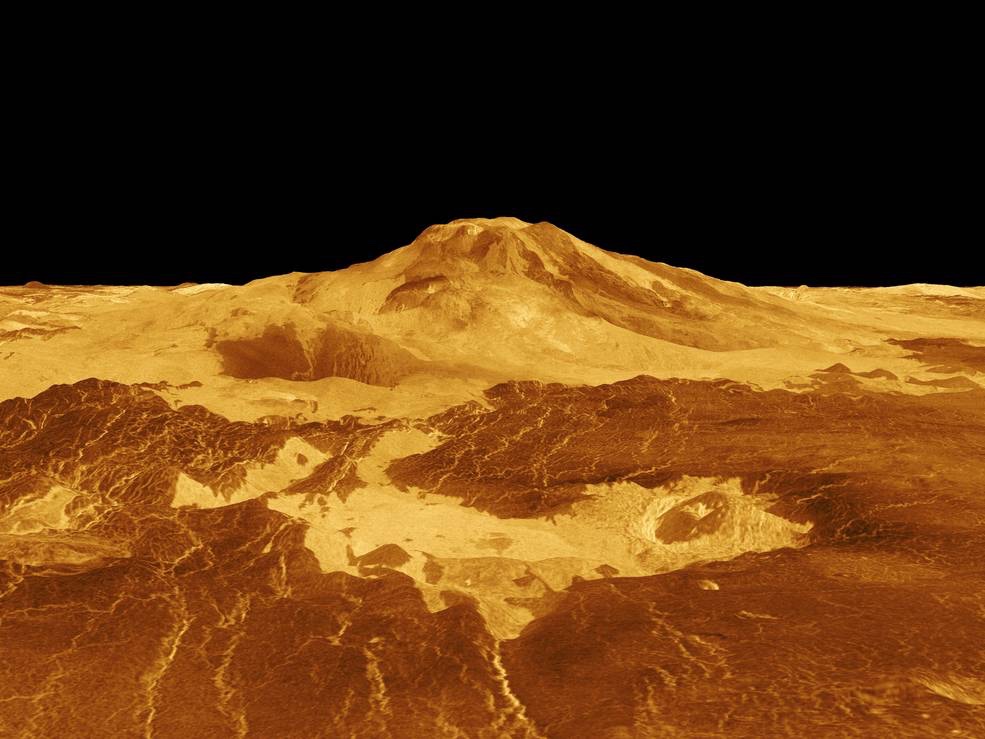
A new study shows that massive volcanic eruptions over an extended period of time may be responsible for changing the planet into what it is today. If there was simple life on ancient Venus, volcanism was its doom. The study also shows how powerful volcanic activity has played a role in shaping Earth’s habitability and how Earth only narrowly avoided the same fate as Venus.
Venus is hot enough to melt lead, which is why no spaceship has ever survived to land on the surface.
And, no, there is nothing alive floating around in its toxic atmosphere.
But this is a neat article. Three future missions are planned for Venus (two by NASA – VERITAS and DAVINCI – and one by ESA – EnVision, which sounds more like a song and dance competition than a scientific probe).
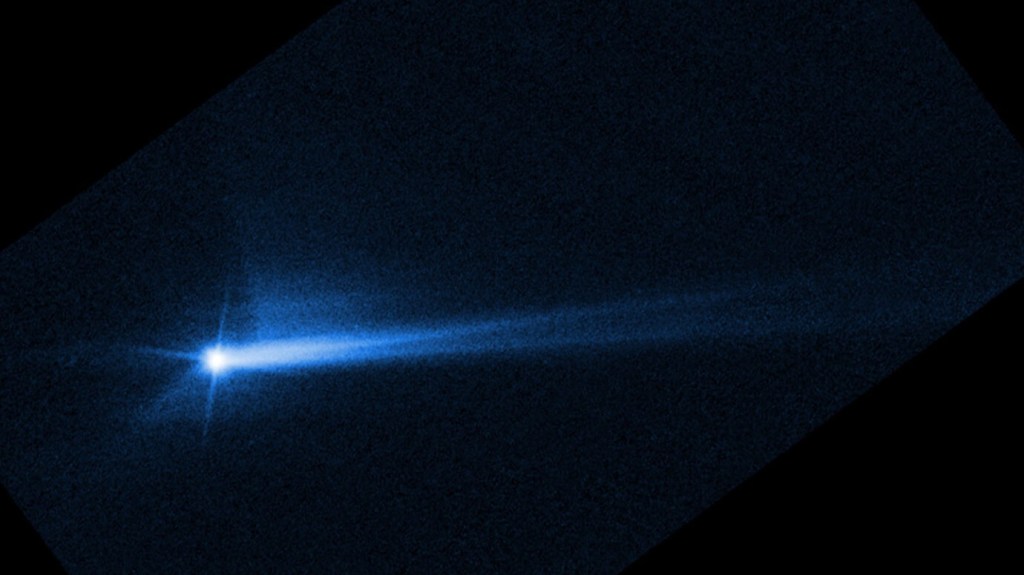
A change of 32 minutes in orbit — but only 4% of the total orbital period. To deflect an asteroid away from Earth, it’d better be done several years in advance. 🌏
Just passed 200 followers on WordPress. Thank you, everyone!
I know I should be posting a whole lot more often than I have. There are LOADS of new science articles and events happening recently, so I’ll see if I can get caught up over the next couple of weeks.
Plus a new chapter of Bringer of Light by the end of the week! I promise!
(And it would be VERY helpful if WordPress didn’t “refresh” while I was adding tags and categories to posts, and then hiding those tags and categories afterward so that I couldn’t update them…Sigh…what was wrong with the older version that worked just fine?)
Half of a dilithium crystal? (It’s a new type of crystal called “Chang’esite” (after the ancient Chinese moon goddess).
I should be posting another chapter from Bringer of Light, but I don’t feel like writing that right now, what with a humongoid typhoon slowing churning its way here.
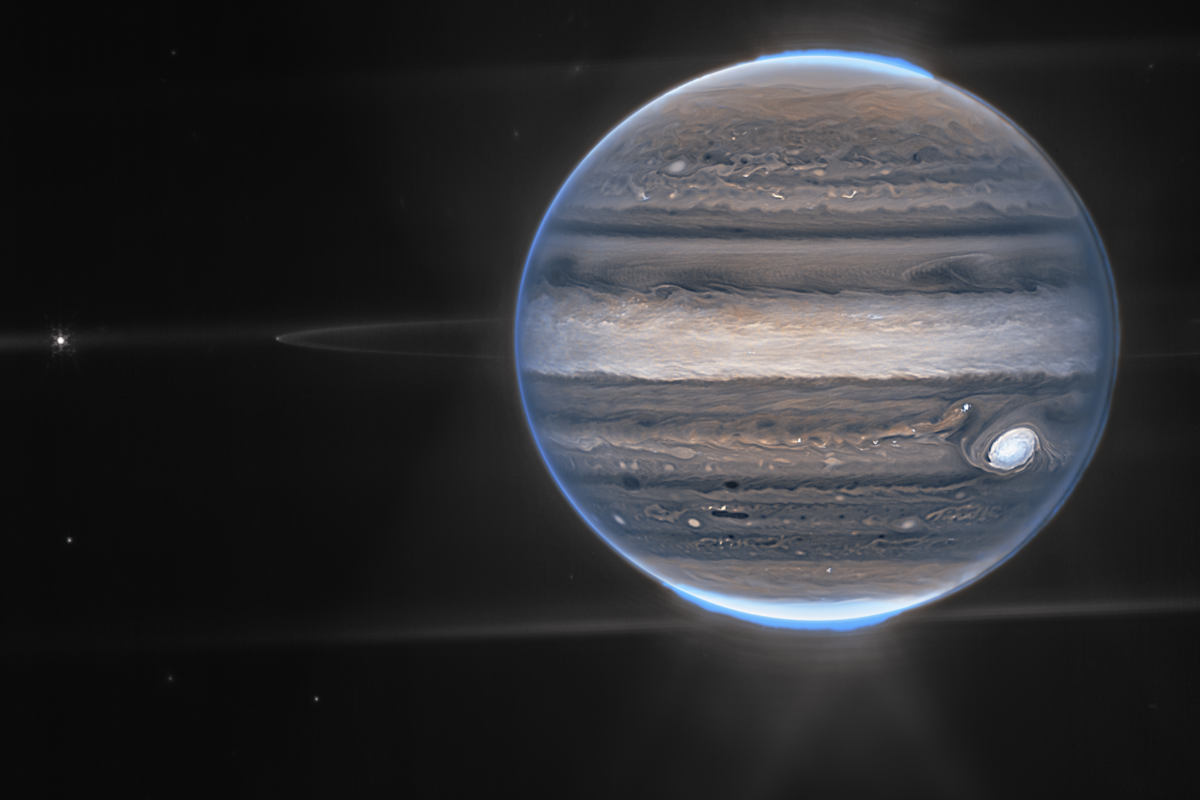
Courtesy NASA. Note that the blue, white, green, yellow, and orange colors are artificial, only added to make features revealed by infrared stand out for human eyes. You can see the planet’s rings, aurora, and two “tiny” moons (at left; they’re not really that tiny!).
“We’ve never seen Jupiter like this. It’s all quite incredible,” said planetary astronomer Imke de Pater, of the University of California, Berkeley, who helped lead the observations.
“We hadn’t really expected it to be this good, to be honest,” she added in a statement.
The above is supposed to be in “quote” format, but WP really messed up this feature when they switched to so-called “block” mode (which I can’t stand).
Anyway, the image is fairly spectacular, from the new James Webb Space Telescope which is positioned 1 million miles away from Earth (i.e., in the second LaGrange point, or L2).
First of all, stop calling it “the golden asteroid.” That’s confusing people (the headline of the article linked below even uses the phrase “gold mine.” Come on, lazy journalists.)
If 16 Psyche is worth mining, when could such operations proceed? Citigroup thinks that space mining, including from the moon and asteroids, will be a $100 billion-per-year business by 2040. Launch costs will continue to decrease and experience in operating in space will continue to expand until such a business makes economic sense.
Well, how heavy do you think the materials to make buildings and ships in outer space are?
If we’re serious about putting people on the Moon and Mars, then it makes much more sense to set up robotic mining factories and assemble everything in space.
All this needs is a little incentive…like a new space race…
Our search for alien life is getting serious. With better telescopes and a growing scientific consensus that we’re probably not alone in the universe, we’re beginning to look farther and wider across the vastness of space for evidence of extraterrestrials.
But it’s possible we’re looking for too few signs in too few places. Having evolved on Earth, surrounded by Earth life, we assume alien life would look and behave like terrestrial life.
These aren’t the drones that deliver your online order. Loaded with cameras, sensors, and explosives, their mission is to drive themselves to a target with an algorithm in the driver’s seat. They destroy themselves along with the target, leaving behind just a pile of electronic detritus.







 M Thomas Apple Author Page