twitter.com/theplanetaryguy/status/1298728036305719298
Well, now you know. 🤖

August 29, 2020
twitter.com/theplanetaryguy/status/1298728036305719298
Well, now you know. 🤖
August 11, 2020
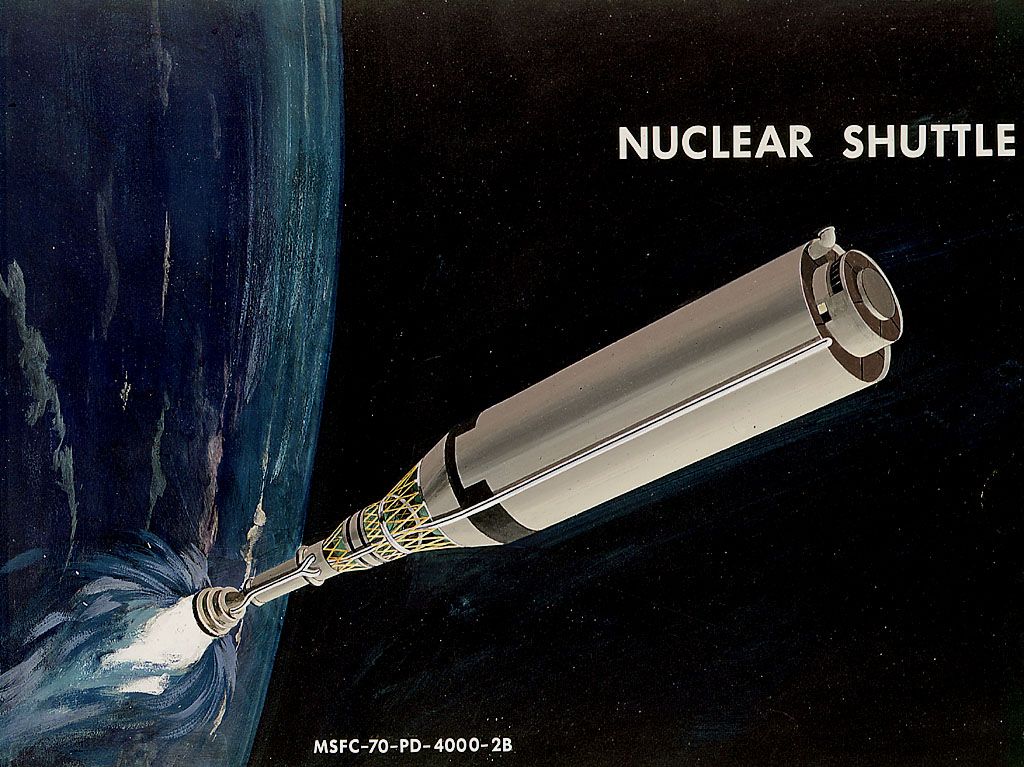
Astronauts on a trip to Mars would be exposed to very high levels of radiation which can cause serious long-term health problems such as cancer and sterility. Radiation shielding can help, but it is extremely heavy, and the longer the mission, the more shielding is needed. A better way to reduce radiation exposure is to simply get where you are going quicker.
Hmm. So putting them in a ship with a giant nuclear fission reactor is safer?
I think somebody may want to come up with a backup plan…

https://www.space.com/nuclear-powered-rockets-to-explore-solar-system.html
July 11, 2020
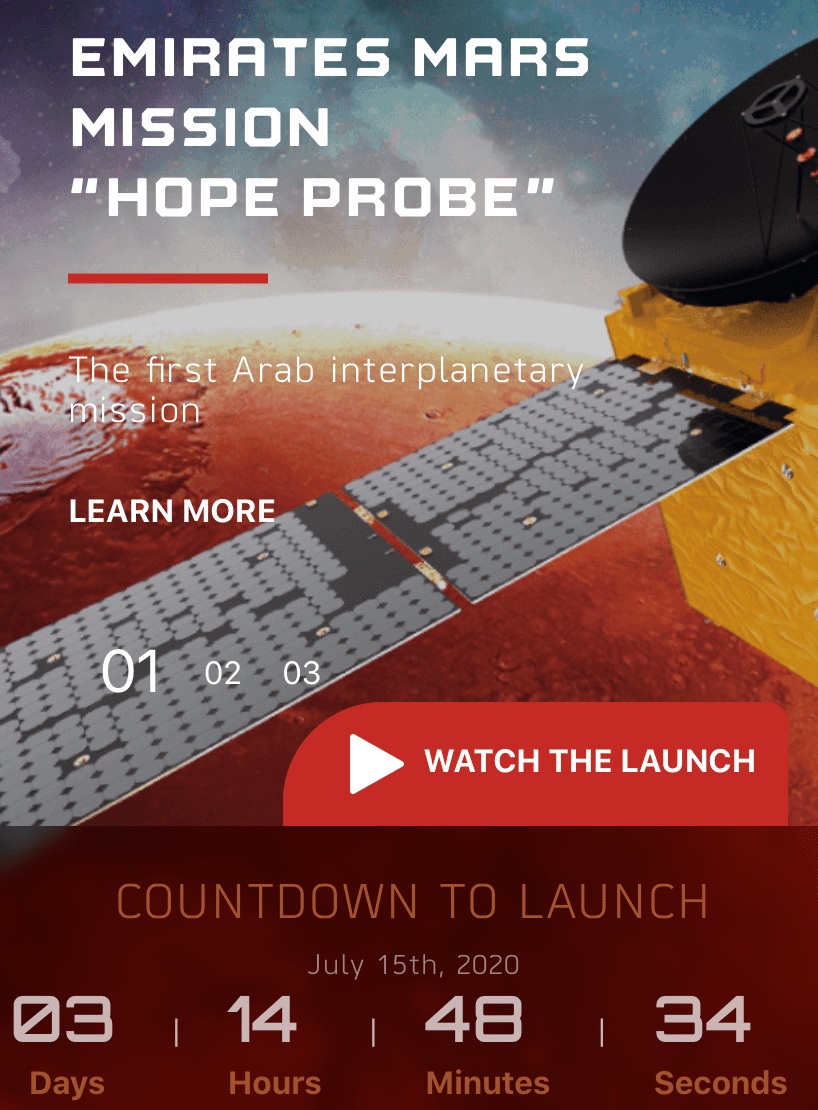
The future of Mars (and beyond) is multicultural, multiethnic, and multilingual.
Also, this is a pretty cool website design.
June 30, 2020
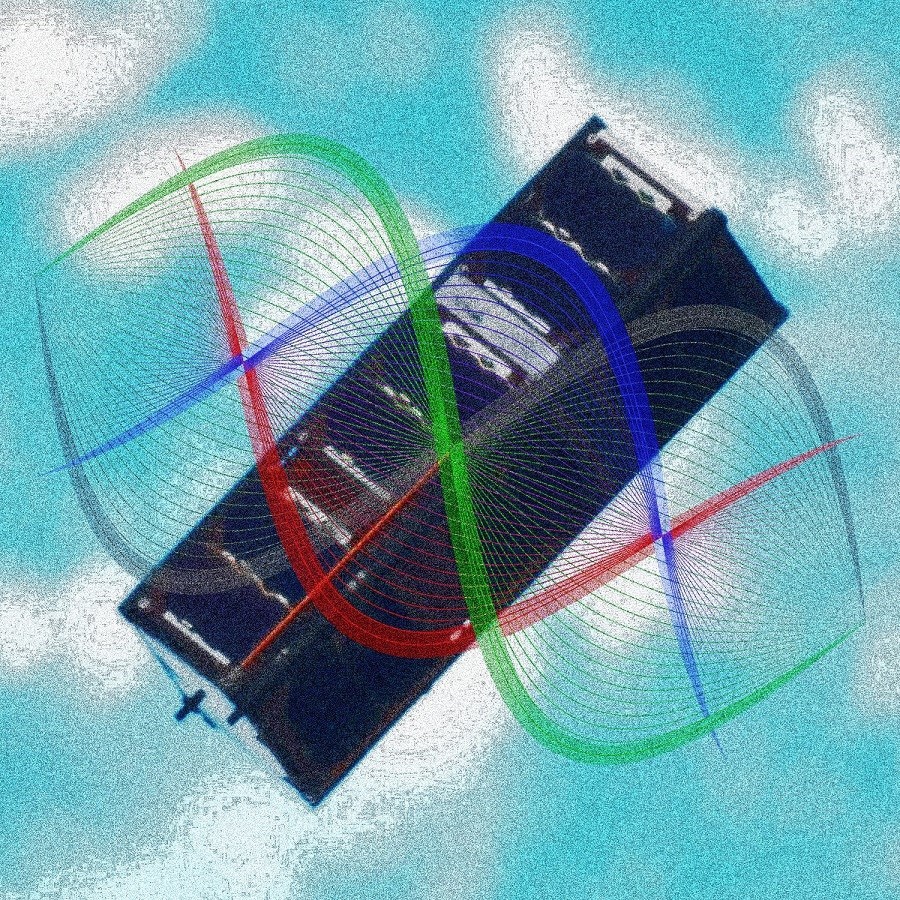
“In the future, our system could be part of a global quantum network transmitting quantum signals to receivers on Earth or on other spacecraft,” says Aitor Villar, lead author of the study. “These signals could be used to implement any type of quantum communications application, from quantum key distribution for extremely secure data transmission to quantum teleportation, where information is transferred by replicating the state of a quantum system from a distance.”
OK, OK, so it’s not the first time quantum entanglement has been demonstrated. But it sure is the smallest. Only 20 cm by 10 cm!
Now we only need a few thousand of these things and a way of somehow making tangled photons actually carry encrypted messages…
(Sorry, thinking of the SF novel I should have published by now…still figuring out the last two chapters!)
See more at New Atlas (note: I seriously doubt the CubeSat actually looks like that picture when it’s doing its thing).
April 24, 2020
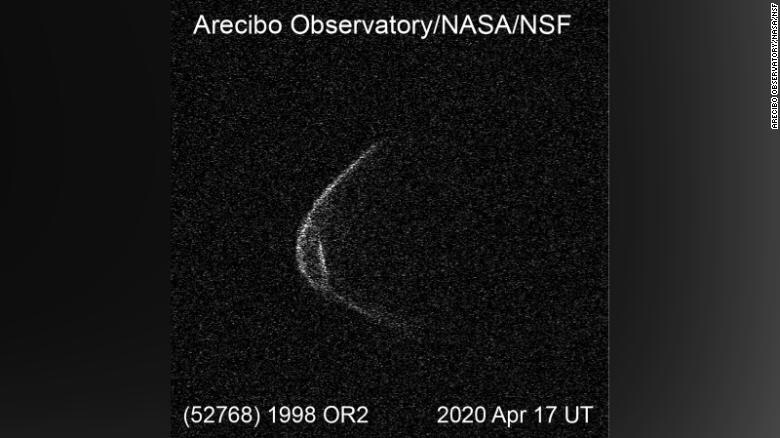
On April 29, an asteroid estimated to be 1.2 miles wide will fly by Earth, but it’s not on a destructive path. And new images of the asteroid make it appear as though it’s wearing a face mask.
😷
— Read on edition.cnn.com/2020/04/23/world/asteroid-1998-or2-face-mask-scn-trnd/index.html
April 18, 2020
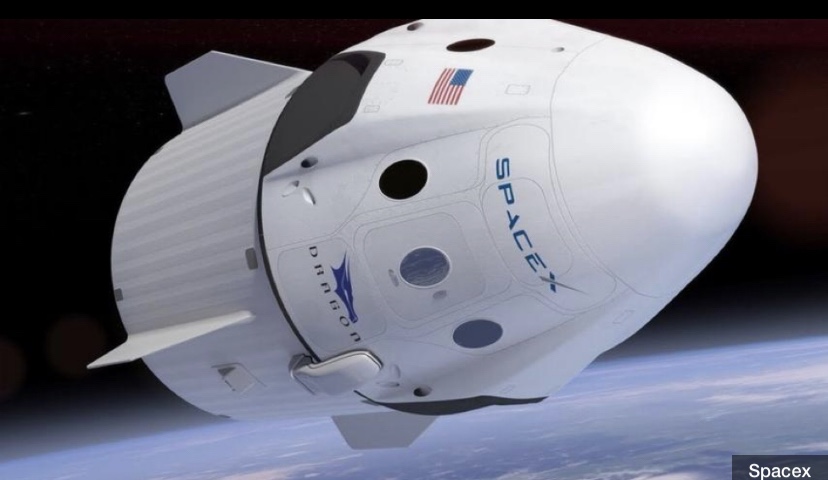
Hmm, this doesn’t look much like a dragon… 🐉 🤔
(First NASA manned launch in a decade. First NASA launch by a private company. We’ll likely see many, many more.)
April 13, 2020
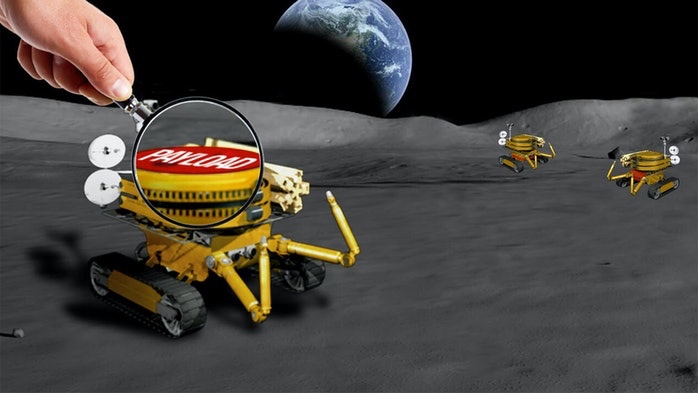
NASA tells Inverse that the payloads will need to measure no more than 100 millimeters by 100 millimeters by 50 millimeters, around the size of a bar of soap. They will also need to weigh no more than 0.4 kilograms (0.88 pounds) and be able to withstand external temperatures between minus 120 degrees Celsius (minus 184 degrees Fahrenheit) and 100 degrees (212 degrees Fahrenheit). These are the maximum limits, but smaller and lighter is preferred.
Yow, that’s wicked tiny. But small price to pay to set up a Lunar Space Base from which humanity can expand into the expanse.
Er, the solar system. I meant the solar system.

April 1, 2020
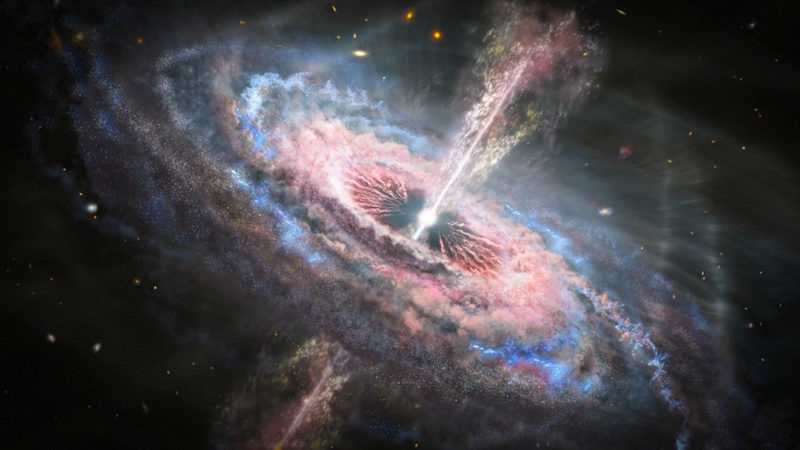
“The most energetic outflow came from a quasar called SDSS J1042+1646 with 5×1030 gigawatts, or 5 million trillion trillion gigawatts. For perspective, a nuclear reactor puts out about one gigawatt of energy, while the total energy of all Milky Way stars is about 1028 gigawatts.”
Tired of corona-related news. Time to relax with a completely science-based, “you are somewhat insignificant in the greater scheme of things” post.
Enjoy.
March 8, 2020
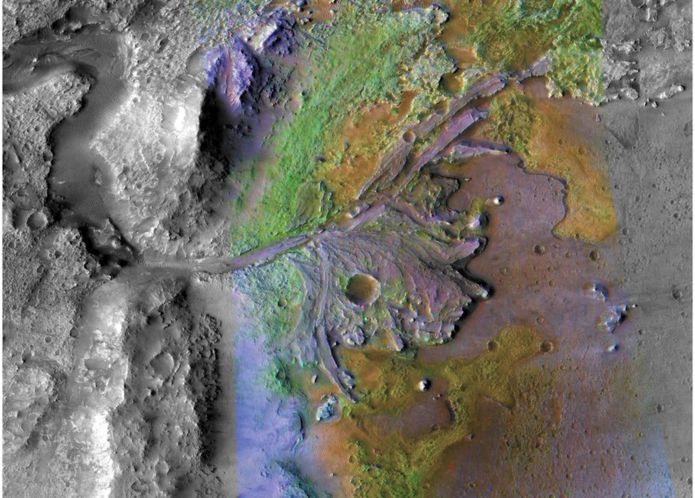
“So, let’s bring the samples back. So if those extraordinary claims are made, they can be verified.”
One likely extraterrestrial form of life might resemble a terrestrial form: the stromatolite.
They basically look like big rocks. I visited one site in Western Australia in 2003 with a group of Japanese students who were told by a local guide that the stromatolites were “3.5 billion years old.” (They’re not, but they do look like what life might have looked like at that point.”
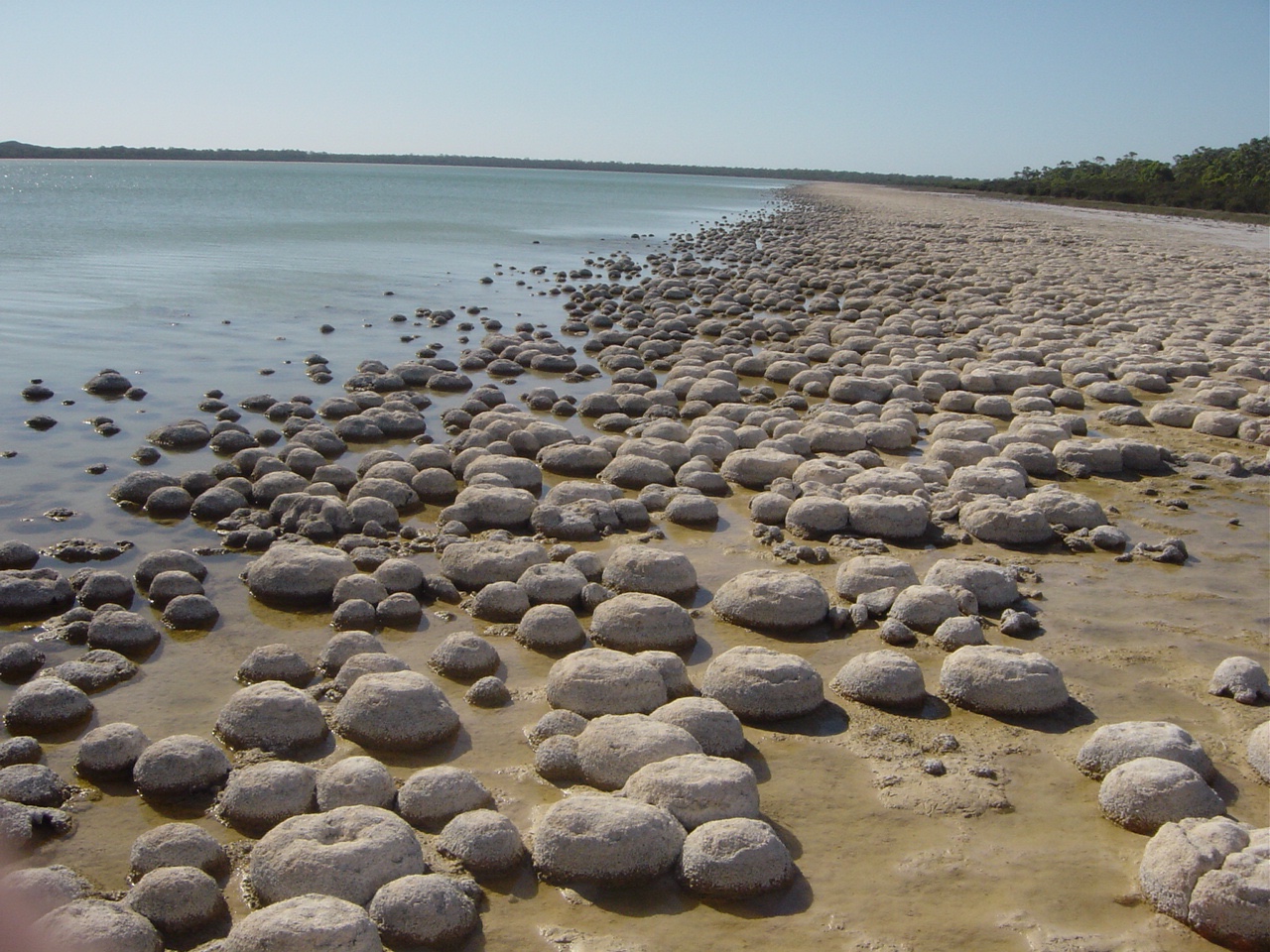
So NASA is sending another rover to see if they can find evidence of a similar life form.
Sorry. No Slurm (yet?).

— Read on www.bbc.co.uk/news/amp/science-environment-51544476
February 29, 2020
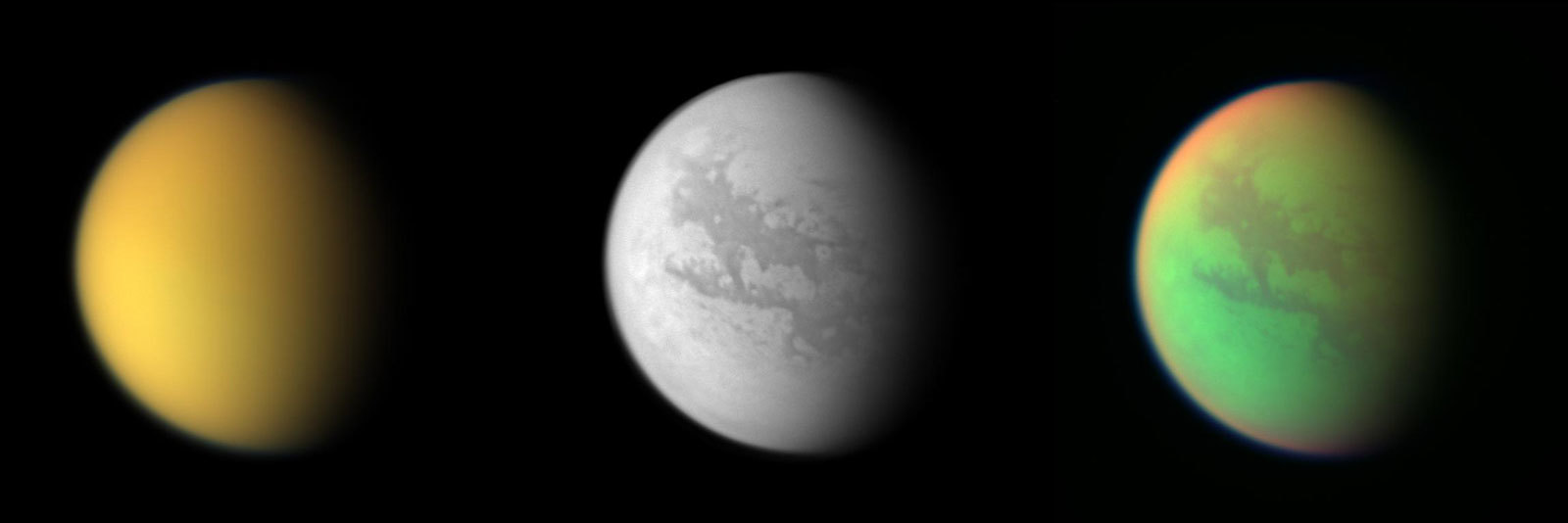
Check out the link below for more detailed explanations and a neat video.
https://solarsystem.nasa.gov/news/1184/why-is-nasa-sending-dragonfly-to-titan-here-are-five-reasons/
Writing Fanfiction in the worlds of Tolkien and Beyond!
Learning more about our place in the universe...
Best Tech Gadgets Advise
Marvel Comics Reviews, Previews and News
Writing blogs is miracle I am a writer blogger and my site mission is to give information on maximum information to audiences
Reflections of an inquiring retiree ...
Bring the Outdoors In, and the Indoors Out
Rock & Metal Reviews That Hit Hard
Short stories | Reflections | Poetry
Read. Reflect. Grow
 M Thomas Apple Author Page