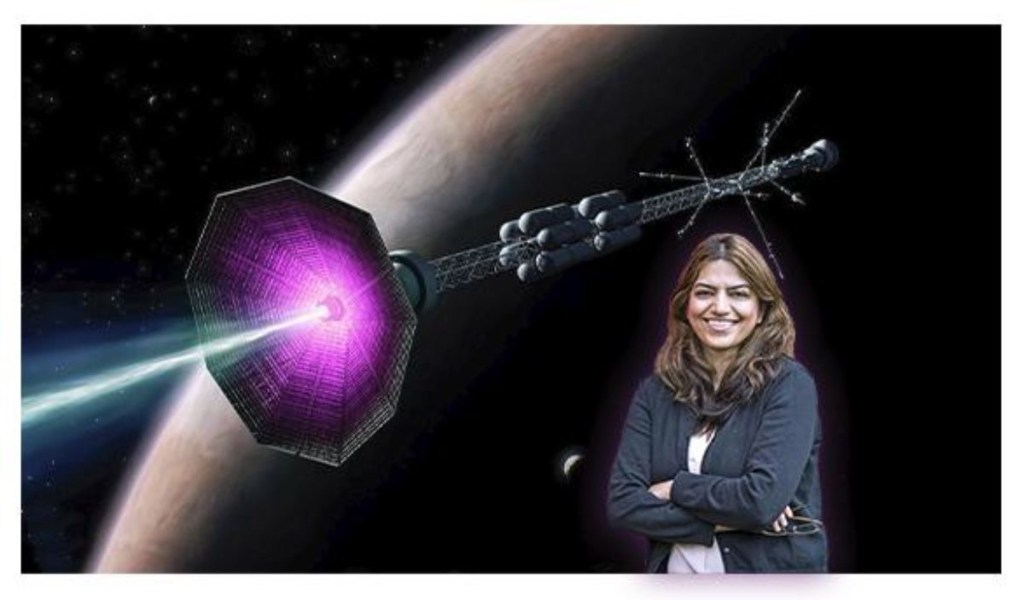
A crewed mission to Mars may be more practical thanks to a new rocket concept developed by Fatima Ebrahimi, a physicist at the US Department of Energy’s (DOE) Princeton Plasma Physics Laboratory (PPPL), that uses magnetic fields to generate thrust.
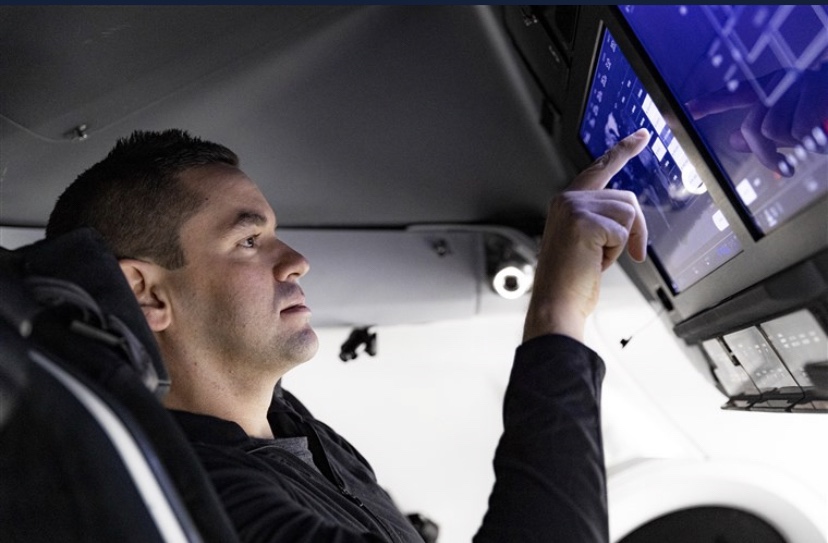
The CEO of an online payment company is the perfect leader for an emergency in outer space.
OK, hands up who thinks this is a really super dumb and risky idea but isn’t terribly surprised by the super dumb and risky things Musk continually blurts out? 🤷♂️
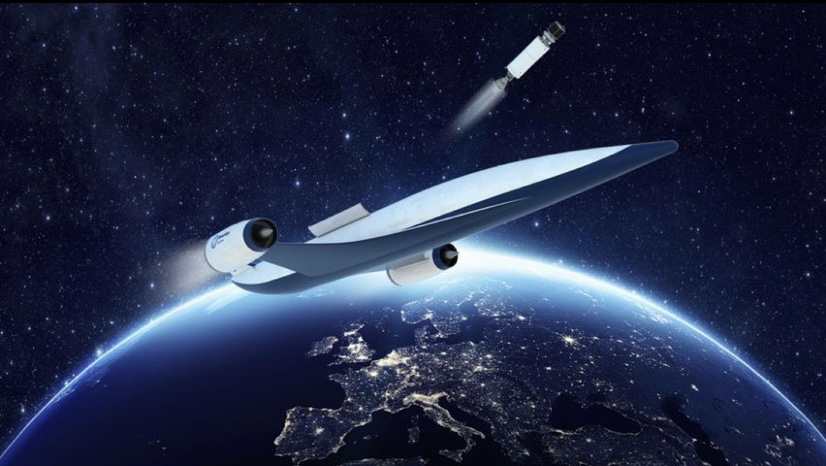
NASA ended the US’s interest in spaceplanes when it scrapped the shuttle fleet a decade ago.
But other space agencies and private companies in other countries are very much in the game. ESA, India, even the UK.
And, of course…
Whichever future the spaceplane does have, it will involve China. “We know very little about the launch [of China’s experimental spaceplane],” says Deville. “But it shows that China is serious about developing its spaceplane concepts.”
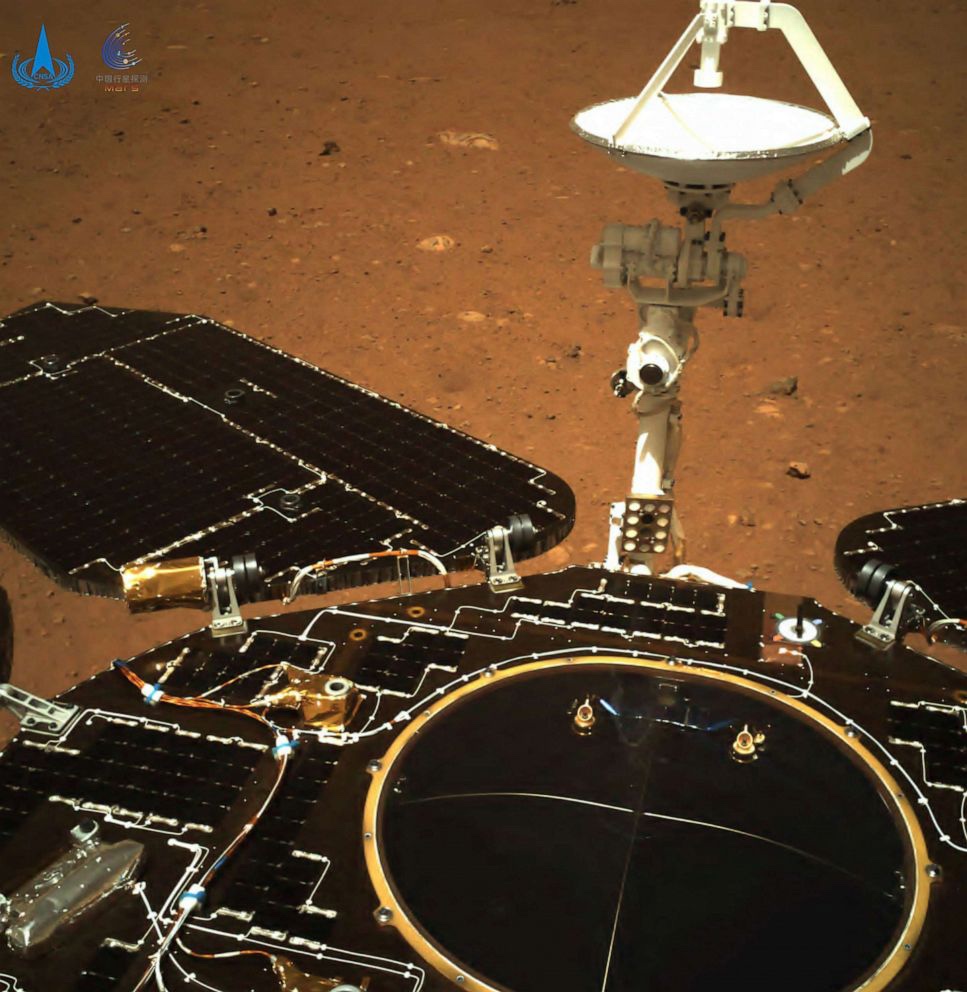
Despite the lack of large marsquakes, the researchers were able to estimate how thick Mars’ crust is. They predict it has three layers—but possibly two—that are between 12.4 and 23 miles thick, reports Nature. Mars’ crust is considerably thinner than that of Earth, which can be up to 25 miles thick—and that’s surprising, reports Science.
Cyclopropenylidene is the second cyclic or closed-loop molecule detected at Titan; the first was benzene in 2003. Benzene is an organic chemical compound composed of carbon and hydrogen atoms…Cyclic molecules are crucial because they form the backbone rings for the nucleobases of DNA, according to NASA.
Dropping a shoutout to all my followers, old and new. Thanks for reading!
I’m preparing this week’s installment of Bringer of Light (Chapter 3, Part 2), all the while scouring the web for science and tech news to share.
Anything you want to see shared (or want to share)? Comments on the story so far? Something you want to rant about? (No politics please! Waaay too much of that at home right now. I’d rather keep my head in the stars when possible…)
Bringer of Light: Chapter 3, Part 2 – dropping at 7 p.m. EDT October 31st. No Halloween theme, sorry (that’s a separate post 🎃).
The new research is especially topical given that NASA plans to land humans on the Moon in the 2020s and use lunar resources as part of its Artemis program, prompting thorny discussions about legal and ethical extraction of materials on the Moon.